 EN
EN

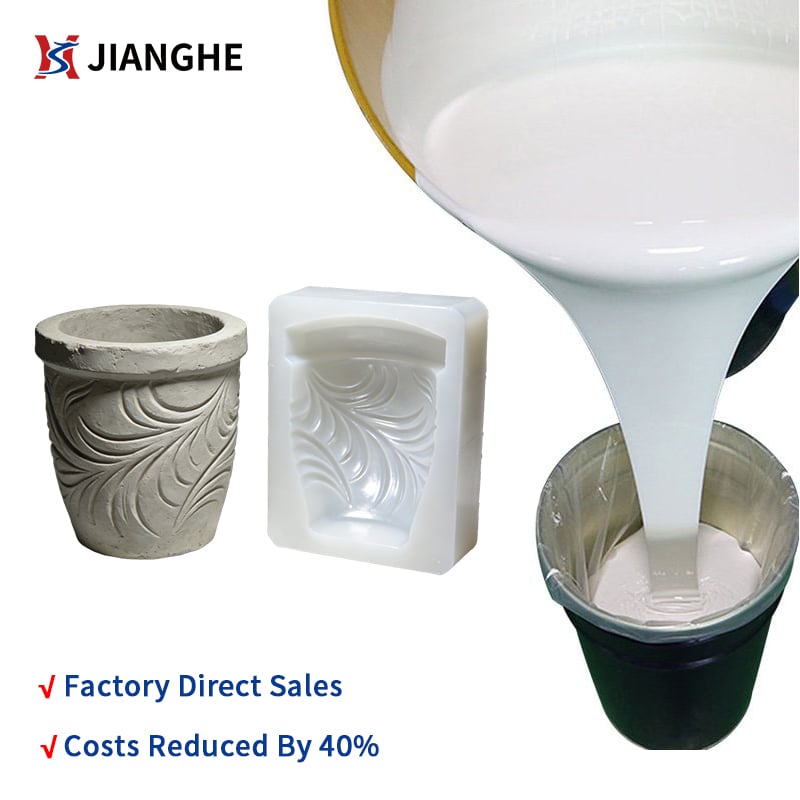
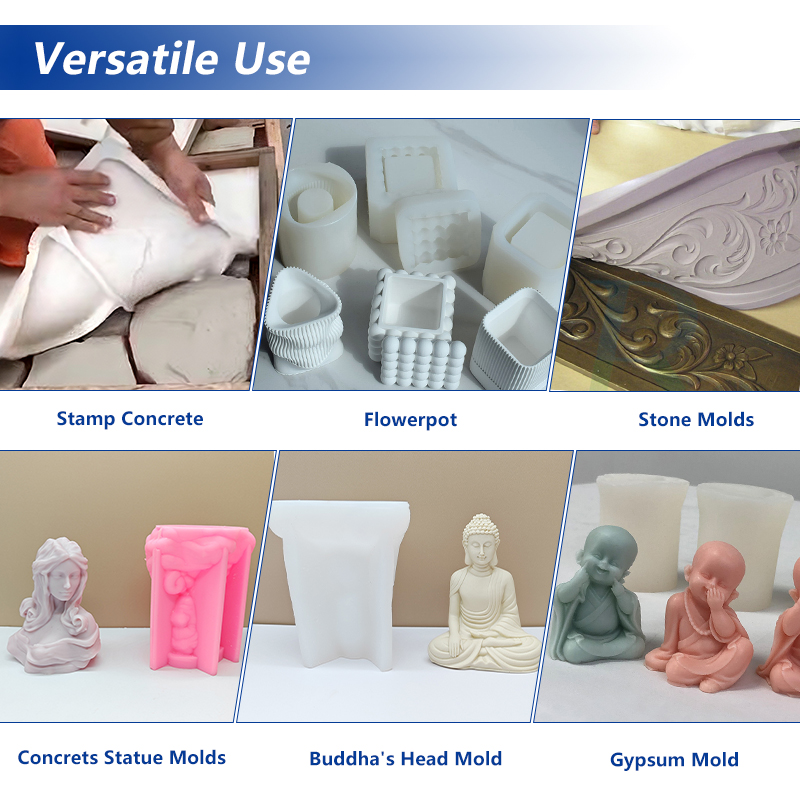
Tin Cured Liquid Silicone Rubber for Flowerpot Concrete Molds
Model: Series 9 Mix Ratio: 100:2 or 100:3
Key Features:
-
Concrete-Optimized: Formulated to resist alkaline concrete chemistry.
-
Production Economical: Cost-effective for high-volume manufacturing.
-
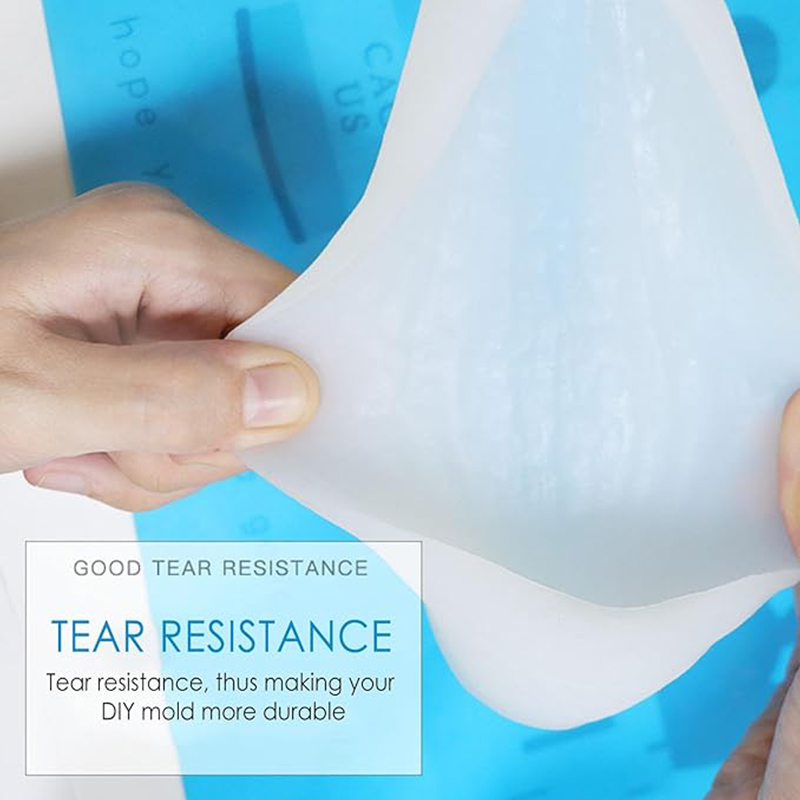
Good Tear Strength: Withstands demolding of heavy concrete pieces.
-
Weather Resistant: Suitable for outdoor workshop use.
- Repeated Use: 50-200+ casts per mold with proper care.
Technical Specifications:
| ☆ Shrinkage: ≤0.3% | ☆ Tear Strength: 16-18 kN/m |
| ☆ Cure Time: 3-5 hrs@RT | ☆ Alkaline Resistance: Good |
Perfect For:
| ☆ Concrete Flowerpot and Planter Molds | ☆ Garden Ornament and Statue Production |
| ☆ Concrete Paver and Tile Manufacturing | ☆ Decorative Concrete Block Molds |
| ☆ Mass Production of Landscape Products | ☆ Lightweight Concrete Element Casting |

- Overview
- Recommended Products
- Alkaline Resistance: Formulated to resist degradation from concrete's high pH, extending mold life by 30-50% compared to standard tin-cure not optimized for concrete.
- Abrasion Tolerance: Good tear strength (14-18 kN/m) withstands the abrasive nature of concrete aggregates during mixing, pouring, and demolding.
- Cost-Effective for Large Molds: When you're making molds for large planters (50cm+) or multiple molds for different products, the 30-50% cost savings of tin-cure versus platinum makes economic sense.
- Heavy Part Capability: Harder grades (30-40A) provide the firmness needed to support concrete pieces during demolding without excessive flexing that could crack fresh concrete.
- Outdoor Workshop Suitable: Can be used and stored in the variable conditions typical of concrete production facilities—covered outdoor areas, unheated workshops, etc.
- Good Mold Life: With proper care, 50-200+ casts depending on part size and concrete mix. For smaller planters with smooth concrete, 200+ cycles is common.
- Molds with textured surfaces where bubbles would be visible
- Molds for exposed aggregate or decorative concrete
- High-quality products where surface finish matters
- Large molds where bubbles are more likely to form
- If you don't have a vacuum chamber, pour carefully from a height in a thin stream to minimize air entrapment, and tap the mold box gently to encourage bubbles to rise.
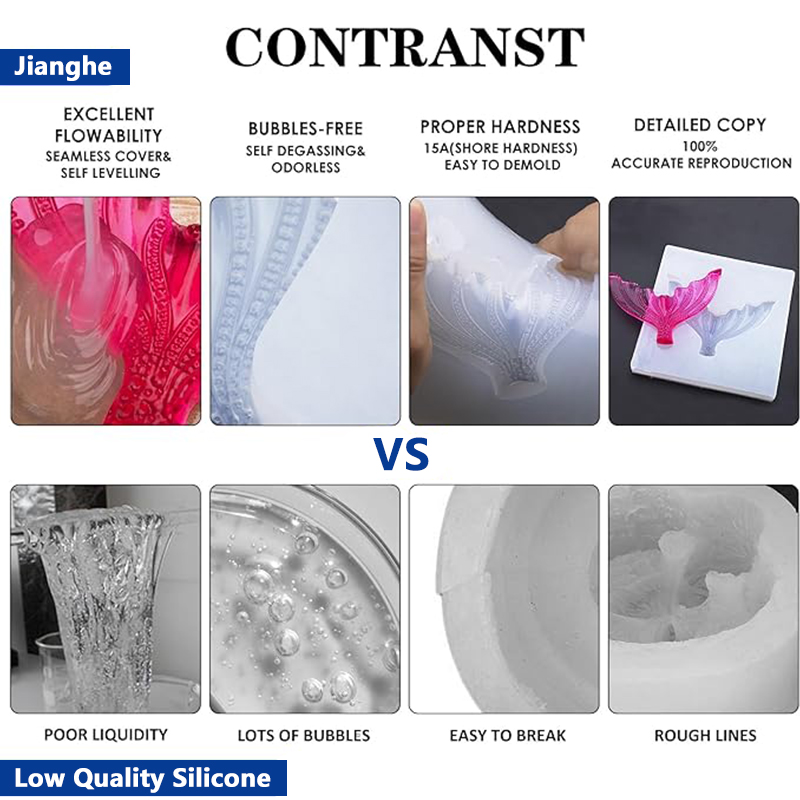
- Vacuum Degassing is Highly Recommended: For concrete molds, surface quality directly affects product quality. Bubbles on the mold surface create bumps on your concrete products. Invest in a vacuum chamber for professional results.
- Release Agent is Essential: Always use a quality concrete release agent before every pour. This single step doubles or triples mold life.
- Clean Molds Immediately: Remove concrete residue promptly after demolding. Cured concrete is extremely difficult to remove and will abrade mold surfaces during cleaning.
- Mother Mold Support: For molds without rigid frames, create a fiberglass or plaster mother mold. The weight of concrete will distort unsupported silicone, ruining your products.
- Inspect Regularly: Check high-wear areas (bottom corners, detailed sections) regularly. Replace molds at first signs of degradation to maintain product quality.
- Storage: Store molds flat, away from direct sunlight. UV exposure degrades silicone over time.
- Temperature Considerations: Concrete generates heat during curing. For very thick sections, this heat can accelerate mold aging. Monitor and adjust as needed.
Powered by Shenzhen Jianghe New Materials
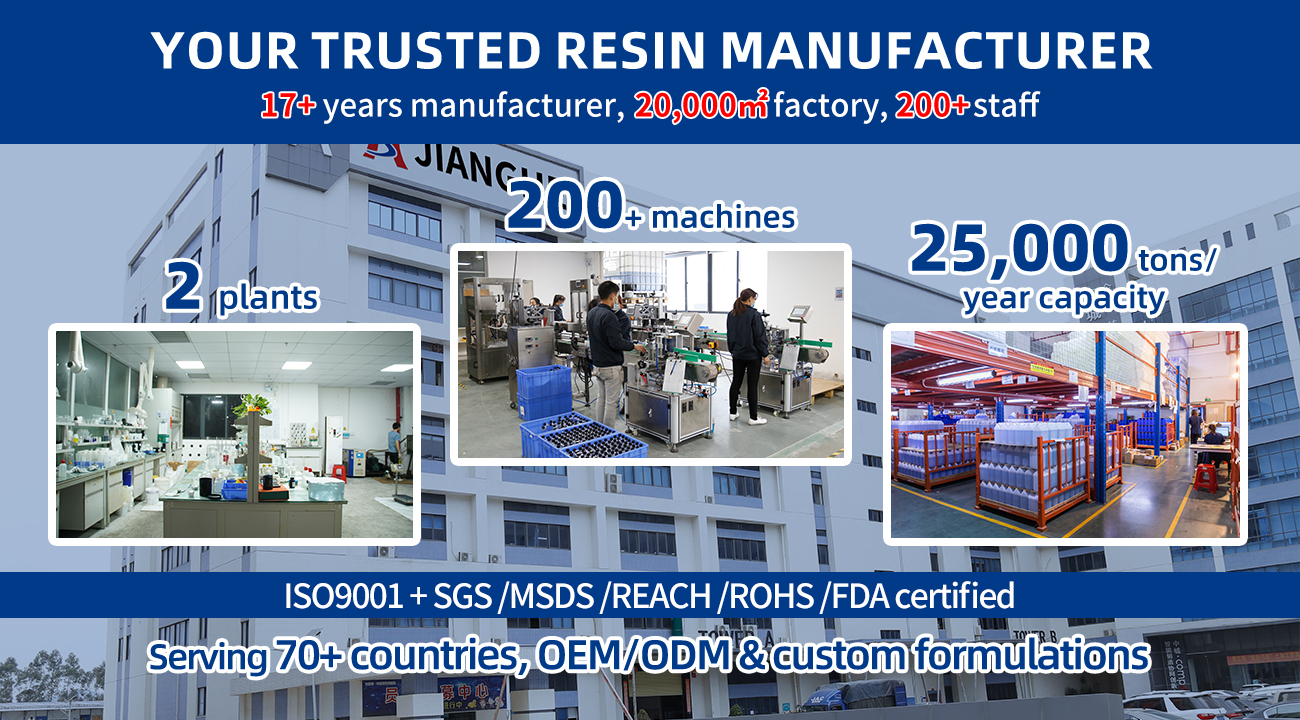
We supply tin-cure silicone to concrete product manufacturers worldwide—from small garden ornament workshops to large-scale precast operations. Our concrete-optimized formulations balance cost and durability for the demands of flowerpot, planter, and decorative concrete production.
Concrete is one of the most demanding materials for molds—alkaline chemistry (pH 12-13), abrasive aggregates, heavy parts, and often outdoor production environments. Yet for many concrete applications, platinum silicone's cost is simply too high. Our concrete-grade tin-cure fills this gap perfectly.
The Concrete Producer's Challenge:
| Challenge | How Our Tin-Cure Addresses It |
| High pH (alkaline) | Formulated for alkaline resistance |
| Abrasive aggregates | Good tear strength withstands abrasion |
| Heavy parts | Harder grades (30-40A) support weight |
| Cost pressure | 30-50% less than platinum |
| Outdoor use | Weather-resistant formulation |
Key Performance Benefits:
Detailed Technical Specifications
| Model | 915 | 920 | 925 | 930 | 935 | 940 |
| Color | White/Translucent | |||||
| Hardness (Shore A°) | 15±2 | 20±2 | 25±2 | 30±2 | 33±2 | 40±2 |
| Mix Ratio (A:B) | 100:2 or 100:3 | |||||
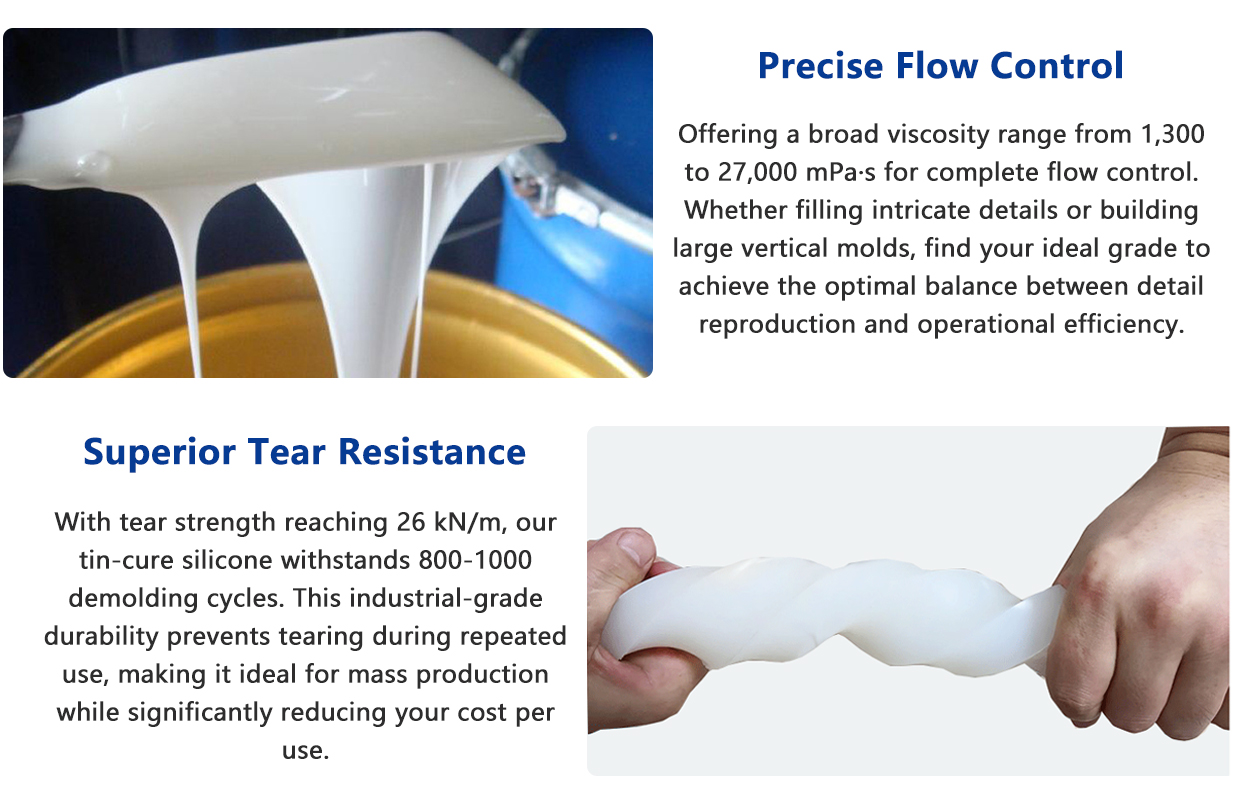
| Viscosity (mPa.s) | 1300±1000 | 17000±2000 | 25000±2000 | 27000±2000 | 25000±2000 | 15000±2000 |
| Tensile Strength (Mpa) | 3.2 | 4 | 4.2 | 4.5 | 4 | 3.5 |
| Tear Strength (kN/m) | 16±2 | 19±2 | 24±2 | 26±2 | 25±2 | 21±2 |
| Elongation (%) | 420 | 530 | 480 | 480 | 450 | 250 |
| Density (g/cm³) | 1.08 | 1.08 | 1.08 | 1.08 | 1.09 | 1.09 |
| Operation Time (min) | 30-50 | 30-50 | 30-40 | 30-40 | 30-40 | 30-50 |
| Vulcanization Time (h) | 4-5 | 4-5 | 3-4 | 3-4 | 3-4 | 4-5 |
| Line Shrinkage Not Rate (%) | ≤0.3 | |||||
| Note: The color, viscosity, operation time and hardness after curing in the parameter table can be adjusted according to customer's demand. | ||||||
For Concrete Mold Production:
Step 1: Master Pattern Preparation
Create your master pattern from wood, plastic, fiberglass, or an existing product. Seal porous masters thoroughly. Apply a good coat of release agent.
Step 2: Build a Sturdy Mold Box
For concrete molds, the mold box needs to be sturdy enough to withstand the weight of silicone and the concrete to come. Use plywood, MDF, or plastic with adequate bracing.
Step 3: Calculate Silicone Volume
Estimate volume carefully—concrete molds can be large, and silicone is a significant cost. Measure accurately to avoid waste.
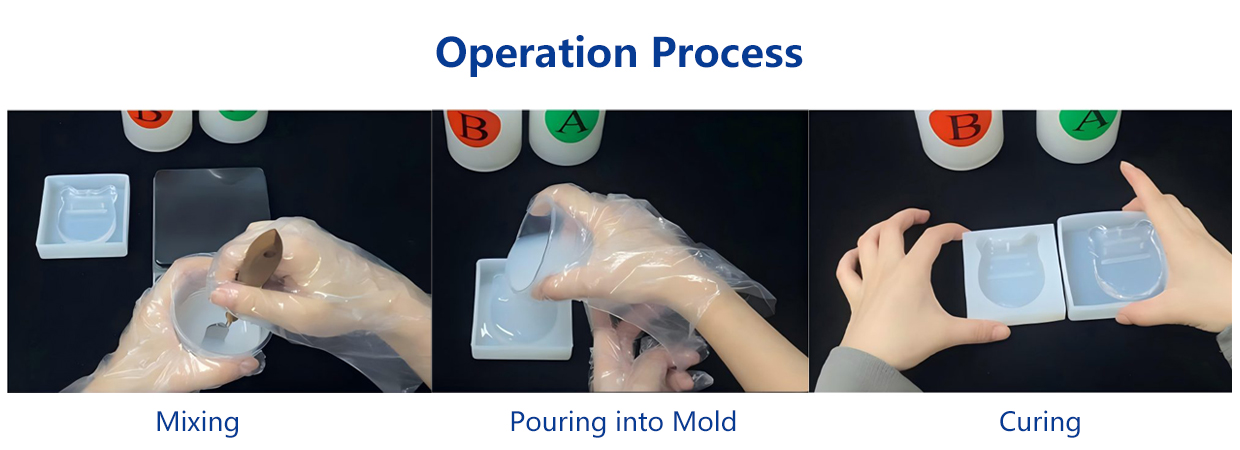
Step 4: Mix Thoroughly
Follow catalyst ratio precisely. Mix for 3-5 minutes, ensuring complete incorporation. For large molds, use a mechanical mixer.
Step 5: Vacuum Degassing (Highly Recommended)
For concrete molds, surface imperfections caused by air bubbles can transfer to your concrete products, creating defects. Vacuum degassing for 2-3 minutes removes entrapped air and ensures bubble-free molds. This is especially important for:
Step 6: Pour Carefully
Pour slowly to avoid creating new bubbles. For large molds, pour in a thin stream from a height to help bubbles escape.
Step 7: Create Mother Mold Support
For molds that will be used without a rigid frame, plan to create a fiberglass or plaster mother mold for support during concrete casting.
Step 8: Cure Properly
Allow full cure time (6-8 hours minimum). For thick molds, longer cure may be needed. Do not rush.
Step 9: Demold and Inspect
Remove master pattern. Inspect for defects, particularly air bubbles on the mold surface. Your concrete mold is now ready for production.
Precautions for Mold Silicone:
Shelf Life:
Unopened packaging at room temperature (25°C): 12 months. Finished silicone molds can be stored for up to six months without loss of performance.
Storage and Transportation:
1.Mold silicone should be stored at room temperature in a dry, sealed container. Avoid contact with water to prevent deterioration.
2.This product is classified as non-hazardous for transportation.
Applications & Project Gallery
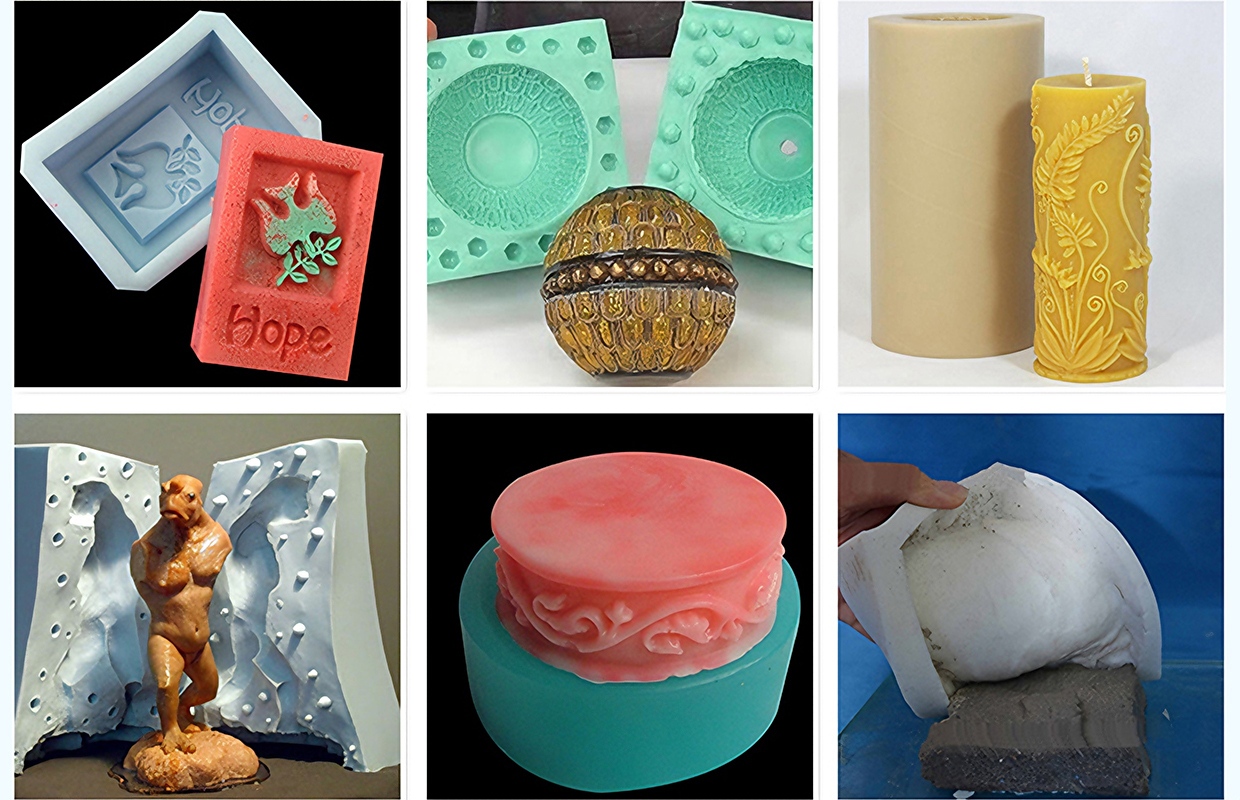
A. Concrete Flowerpot and Planter Production
A family business in Vietnam produces concrete flowerpots in 20 different sizes and styles, from small 10cm pots to large 50cm planters. They use T830-CON for most products, achieving 150-200 pots per mold. They vacuum degas all molds to ensure smooth surfaces—critical for the terrazzo-style finishes their customers love. The economics of tin-cure allow them to maintain molds for their entire product line—over 100 active molds—without breaking the bank.
B. Garden Statue and Ornament Manufacturing
A Mexican manufacturer of concrete garden statues—animals, figures, decorative elements—switched to our T835-CON after standard silicones tore during demolding of complex shapes. They vacuum degas every mold because surface bubbles on a statue's face or details would make the product unsellable. The higher tear strength (17 kN/m) now handles statues with outstretched wings, detailed bases, and intricate textures.
C. Concrete Paver and Stepping Stone Production
A US-based company producing decorative concrete pavers and stepping stones for landscaping uses T825-CON for its balance of durability and cost. Each mold produces 300-400 pavers before replacement. They vacuum degas all molds because even small surface bubbles become collection points for dirt and moisture, leading to customer complaints. The consistent release means fewer rejects and higher productivity.
D. Lightweight Architectural Elements
A Dubai manufacturer creates lightweight concrete architectural details for building interiors—cornices, column caps, decorative panels. They use T840-CON (40A) for its firmness, which maintains shape for architectural profiles while providing good detail reproduction. Vacuum degassing is standard practice—architectural clients expect flawless surfaces on visible building elements.
Custom Concrete Mold Solutions for Manufacturers
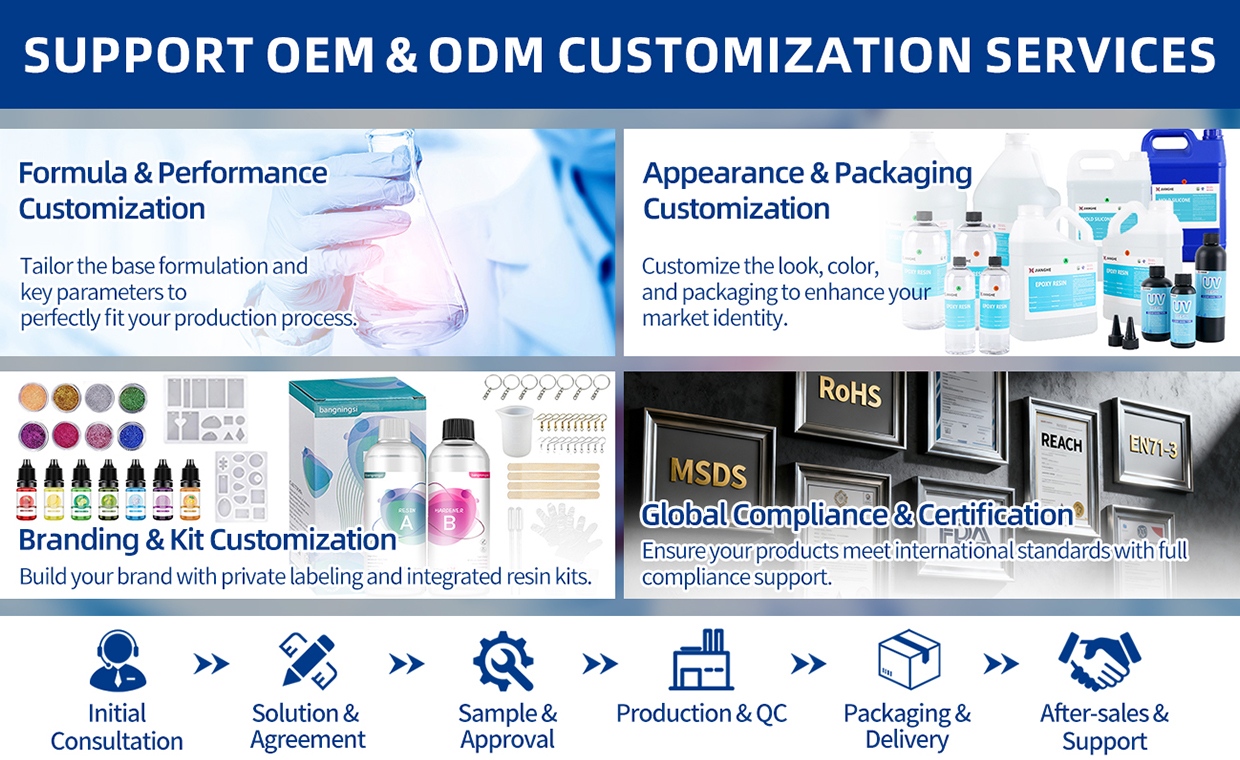
We work with concrete product manufacturers to develop optimized materials:
1. Hardness Tuning: Match your specific concrete mix and product sizes;
2. Release Optimization: Improve demolding for challenging shapes;
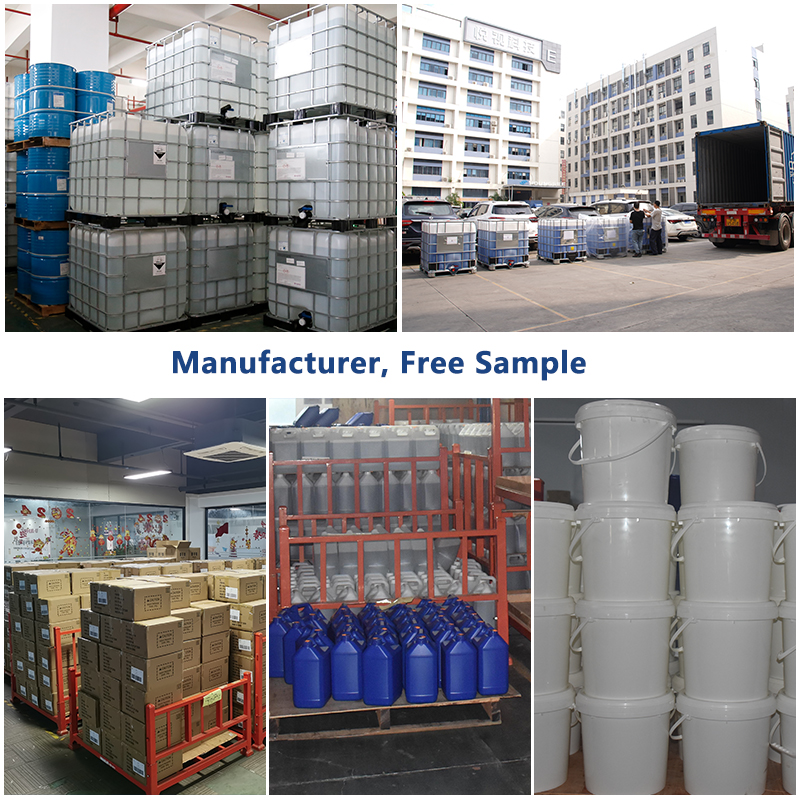
3. Bulk Supply: 200kg drums and 1000kg totes for production scale;
4. Technical Support: Process advice for concrete casting, including vacuum degassing recommendations;
5. Custom Testing: Develop formulations for specialty concretes (lightweight, colored, exposed aggregate);
6. Private Label: Your brand on quality materials for resale.
👉 [Optimize Your Concrete Production]
Why Concrete Producers Trust Jianghe Liquid Silicone:
1. Concrete-Optimized: Formulated specifically for this demanding application;
2. Cost-Effective: Economical for large molds and high-volume production;
3. Production Durable: Good mold life in concrete environments—50-200+ cycles;
4. Technical Support: Help with challenging applications and troubleshooting, including vacuum degassing guidance;
5. Consistent Quality: ISO 9001 certified, batch-to-batch reliability;
6. Full Range: 25-40A hardness options for every concrete product;
7. Global Experience: Serving concrete manufacturers in over 40 countries.
👉 [Request Concrete Mold Sample Kit]
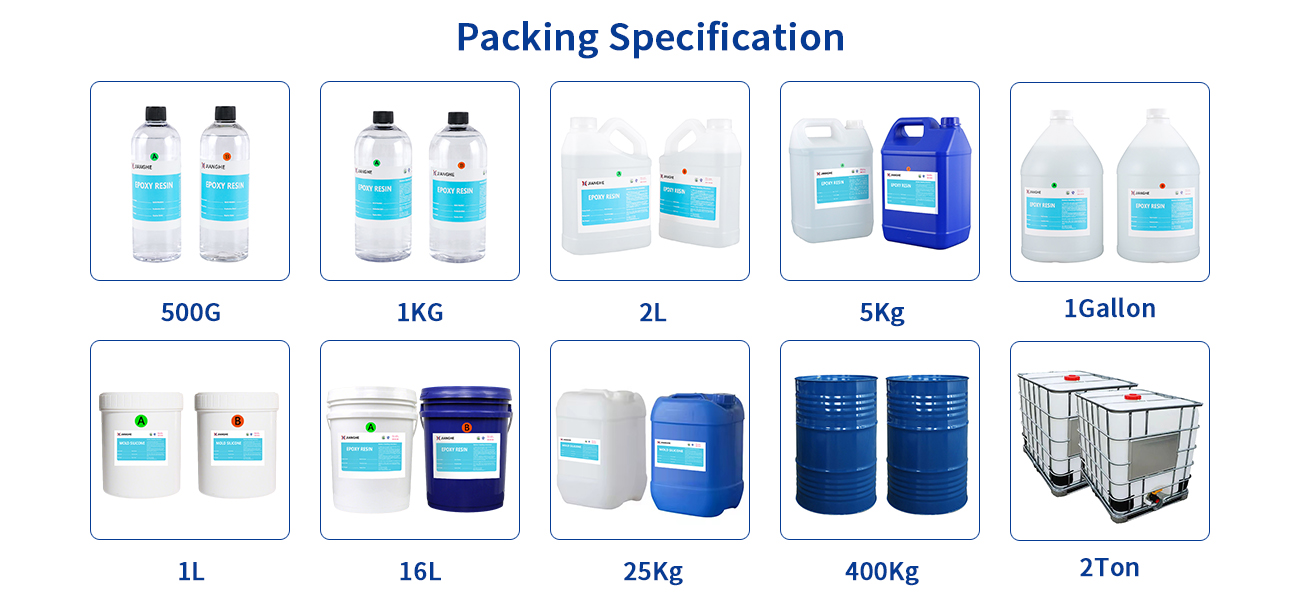
If You Need Customized Packaging Or Other Specifications, Please Contact Us.
FAQ:
Q1: How many concrete casts can I expect from one mold?
A: 50-200+ depending on several factors: part size (smaller = more casts), concrete mix (smooth mixes last longer), use of release agent (essential), and care in demolding. With good practices, 150+ casts is achievable for most products.
Q2: Is vacuum degassing really necessary for concrete molds?
A: For professional-quality concrete products, yes. Air bubbles in the silicone create bumps and defects on your concrete surfaces. If you're making exposed aggregate, textured, or decorative concrete—or any product where surface finish matters—vacuum degassing is essential. For rough utility products where appearance doesn't matter, you may skip it, but quality producers always degas.
Q3: What release agent works best for concrete molds?
A: Petroleum-based release agents (like form oil) work well. Apply before every pour. For vertical surfaces, spray-on agents provide even coverage. Avoid silicone-based release agents—they can interfere with future silicone mold making.
Q4: Do I need a mother mold for concrete casting?
A: For any mold that will be used without a rigid frame, yes. Concrete is heavy—10-50kg per pour—and will distort unsupported silicone. A fiberglass or plaster mother mold maintains shape and extends mold life.
Q5: How do I know when to replace a concrete mold?
A: Signs include: difficulty demolding, loss of surface detail, visible surface degradation, or concrete sticking. Replace at first signs to maintain product quality.