 EN
EN

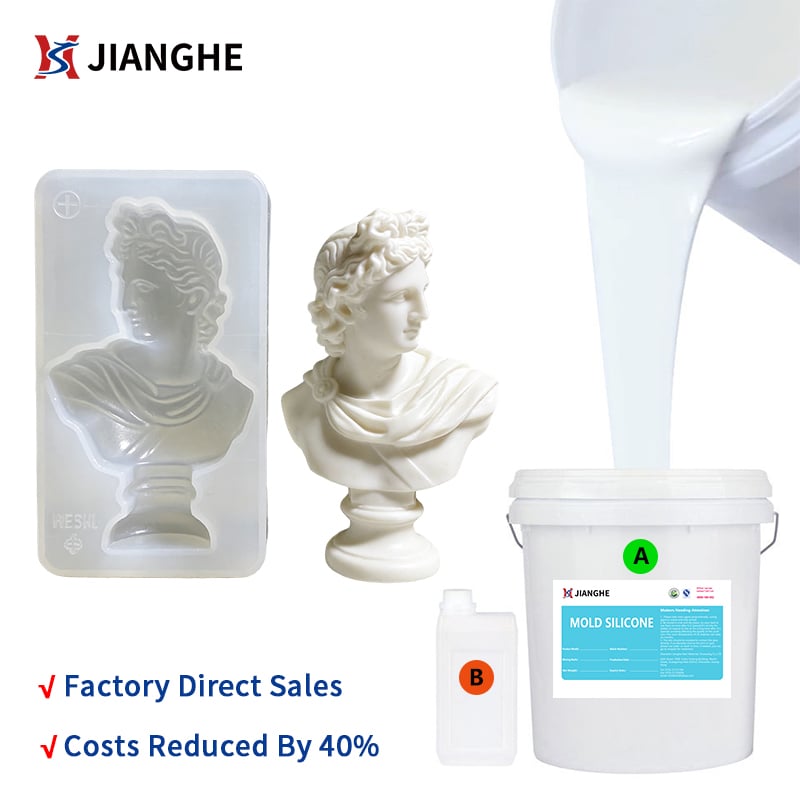
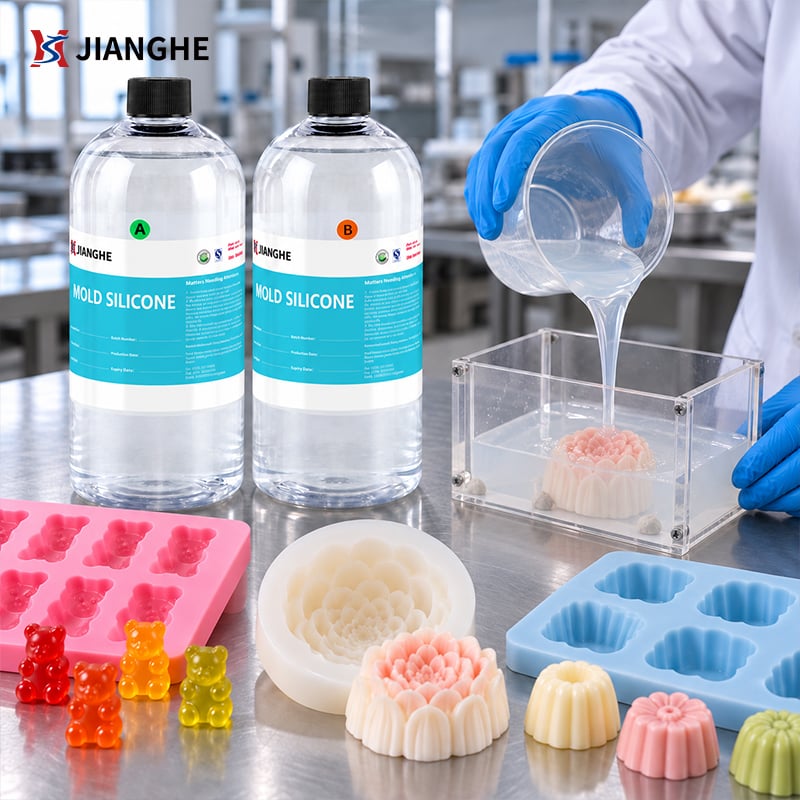
Industrial Grade Tin Cure Liquid Silicone Rubber for Mold Making
Model: Series 9 Mix Ratio: 100:2 or 100:3
Key Features:
-
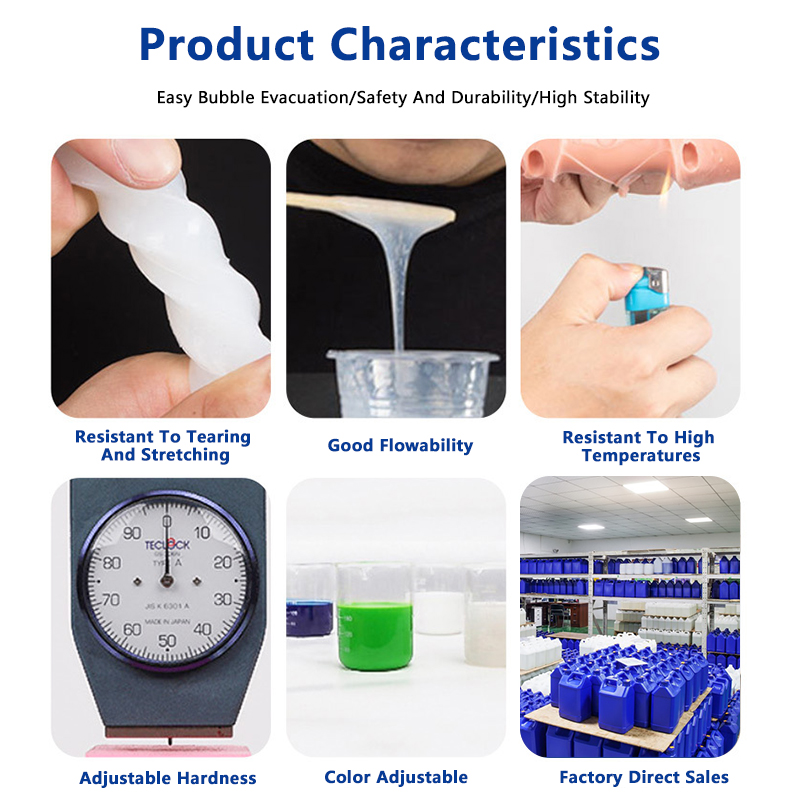
30-50% More Economical than platinum silicone;
-
Room Temperature Cure in 4-8 hours, no equipment needed;
-
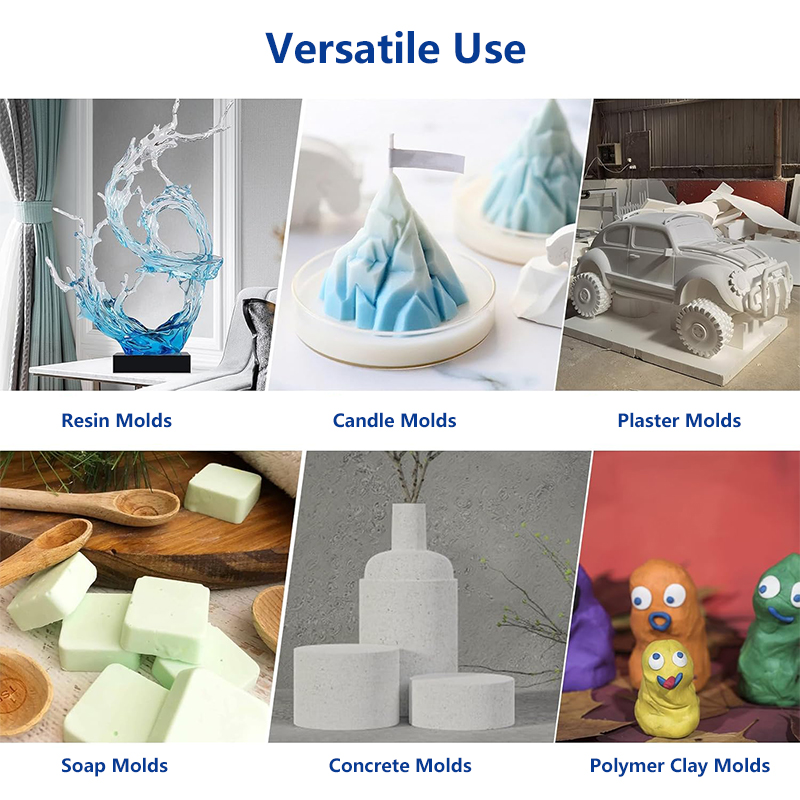
Optimized for Porous Materials like plaster and concrete;
- Proven in Statue Manufacturing for decades;
- Adjustable Hardness from Shore A 10 to 40.
Technical Specifications:
| ☆ Shrinkage: ≤0.3% | ☆ Shelf Life: 12 months in sealed container |
| ☆ Cure Time: 3-5 hrs@RT | ☆ Application: Industrial mass production |
Perfect For:
| ☆ Plaster Statue and Figurine Molds | ☆ Concrete Planters and Flowerpots |
| ☆ GRC Architectural Decoration Casting | ☆ Bulk Production of Gypsum Crafts |
| ☆ Garden Ornament Manufacturing | ☆ Restoration and Period Reproduction |

- Overview
- Recommended Products
Powered by Shenzhen Jianghe New Materials
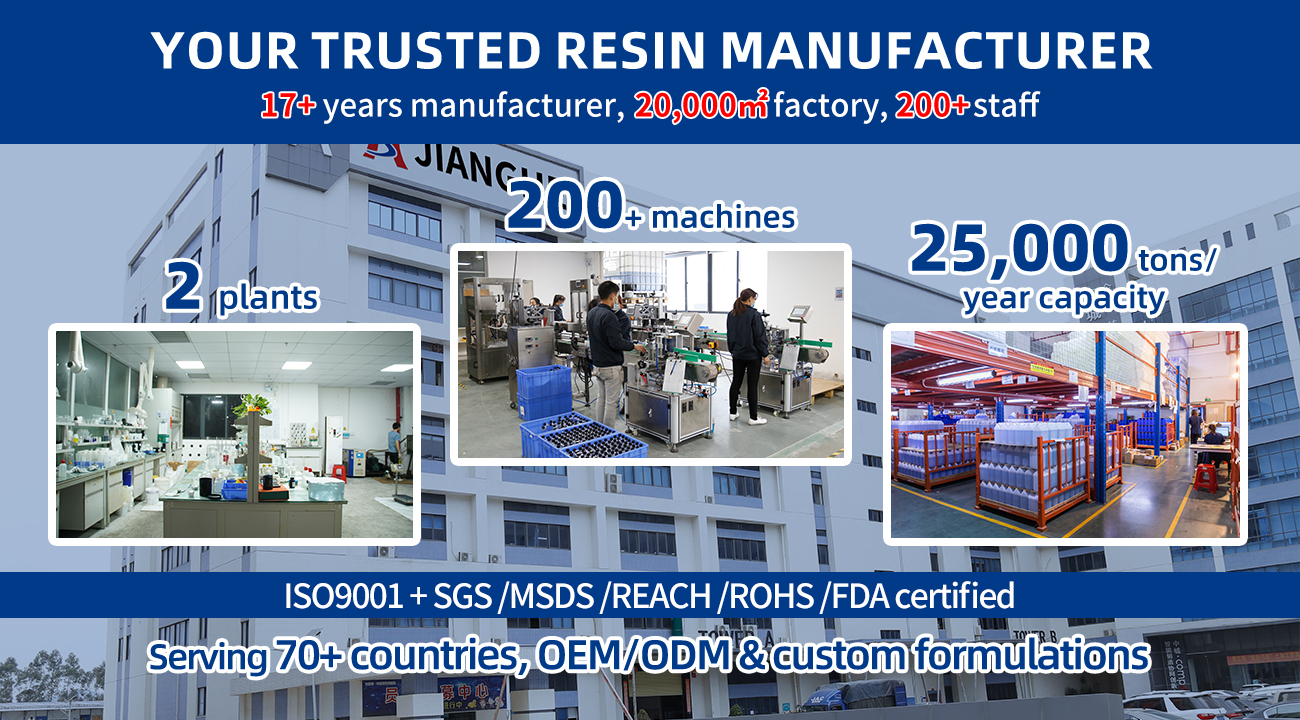
With 17+ years of polymer expertise and ISO 9001 certification, we manufacture both platinum and tin-cure silicone systems. Our tin-cure series offers reliable, economical solutions for plaster, concrete, and architectural applications where cost-effectiveness is the priority. Used by statue manufacturers, precast concrete producers, and craft businesses in over 50 countries.
Tin-cure silicone, also known as condensation-cure silicone, has been the industry workhorse for decades. While platinum silicone offers superior precision for specialized applications, tin-cure remains the practical choice for the vast majority of plaster, concrete, and architectural mold making.
Why Tin-Cure Makes Sense for Your Business:
1. Proven Economics: For applications where 0.1% shrinkage isn't critical, tin-cure delivers the performance you need at 30-50% lower material cost. This difference adds up quickly in high-volume production.
2. Forgiving Process: Tin-cure is tolerant of varying workshop conditions. It cures reliably at room temperature without strict humidity control, making it ideal for facilities without sophisticated environmental controls.
3. Excellent Porous Material Release: The condensation chemistry actually works well with porous materials like plaster and concrete. These materials release cleanly without complex release agents.
4. Decades of Proven Use: Tin-cure isn't new or untested. It's the material that has produced millions of statues, countless concrete planters, and restored countless historic buildings. It's a known quantity.
5. Versatile Range: From soft Shore A 10 for delicate figurines to firm 40A for large architectural molds, one material system covers your entire production range.
Detailed Technical Specifications
| Model | 915 | 920 | 925 | 930 | 935 | 940 |
| Color | White/Translucent | |||||
| Hardness (Shore A°) | 15±2 | 20±2 | 25±2 | 30±2 | 33±2 | 40±2 |
| Mix Ratio (A:B) | 100:2 or 100:3 | |||||
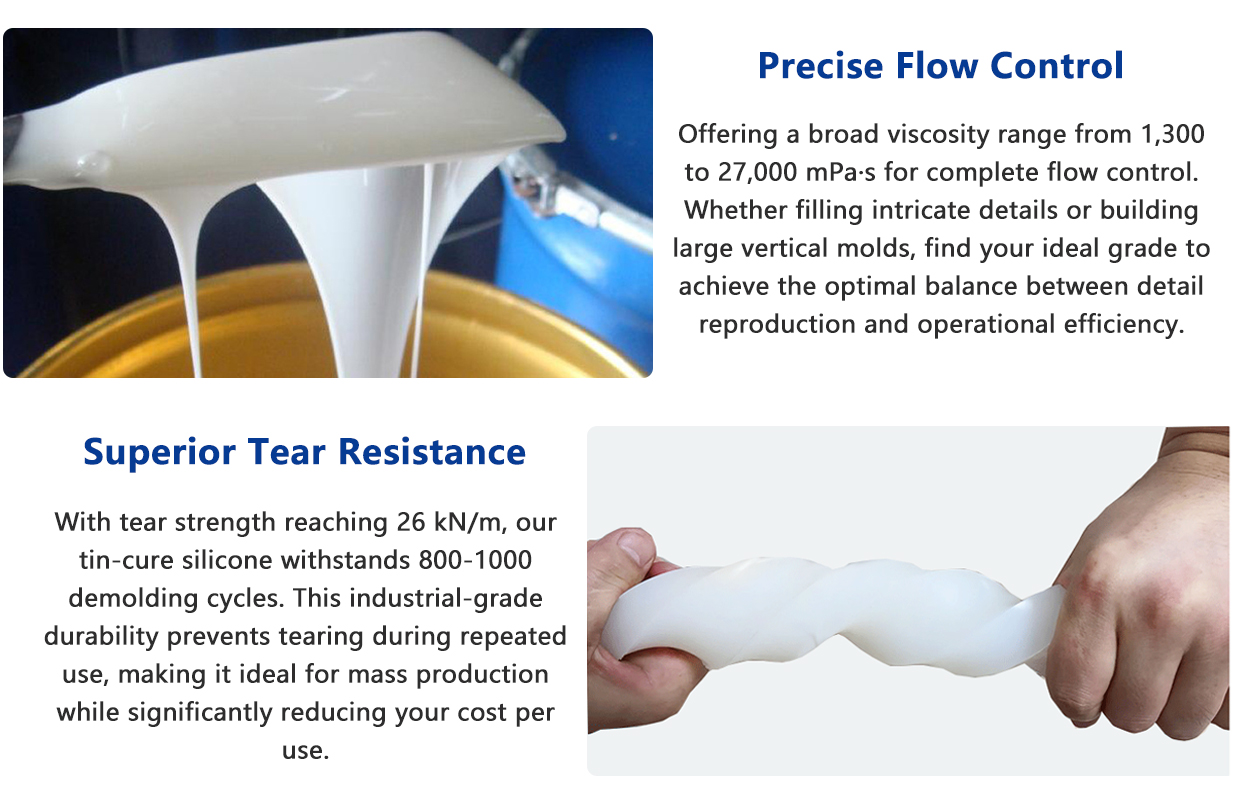
| Viscosity (mPa.s) | 1300±1000 | 17000±2000 | 25000±2000 | 27000±2000 | 25000±2000 | 15000±2000 |
| Tensile Strength (Mpa) | 3.2 | 4 | 4.2 | 4.5 | 4 | 3.5 |
| Tear Strength (kN/m) | 16±2 | 19±2 | 24±2 | 26±2 | 25±2 | 21±2 |
| Elongation (%) | 420 | 530 | 480 | 480 | 450 | 250 |
| Density (g/cm³) | 1.08 | 1.08 | 1.08 | 1.08 | 1.09 | 1.09 |
| Operation Time (min) | 30-50 | 30-50 | 30-40 | 30-40 | 30-40 | 30-50 |
| Vulcanization Time (h) | 4-5 | 4-5 | 3-4 | 3-4 | 3-4 | 4-5 |
| Line Shrinkage Not Rate (%) | ≤0.3 | |||||
| Note: The color, viscosity, operation time and hardness after curing in the parameter table can be adjusted according to customer's demand. | ||||||
How to Use
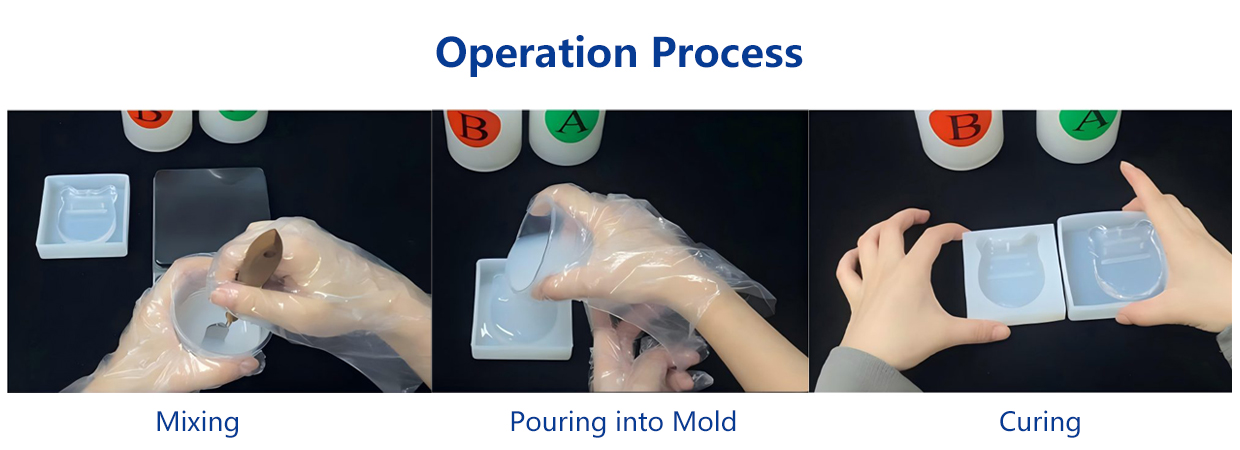
Step 1: Prepare Your Master Model
Ensure the master model is clean, dry, and free from contaminants. For porous masters (plaster, wood, unsealed concrete), apply a suitable release agent or sealer.
Step 2: Calculate and Measure
Tin-cure silicone uses a base and catalyst system. Always weigh accurately—digital scales are recommended. The catalyst ratio is critical; too little causes incomplete cure, too much may accelerate cure but can reduce properties.
Step 3: Mix Thoroughly
Add catalyst to base and mix thoroughly for 2-3 minutes, scraping the sides and bottom of the container. Incomplete mixing is a common cause of tacky spots.
Step 4: Degas (Optional but Recommended)
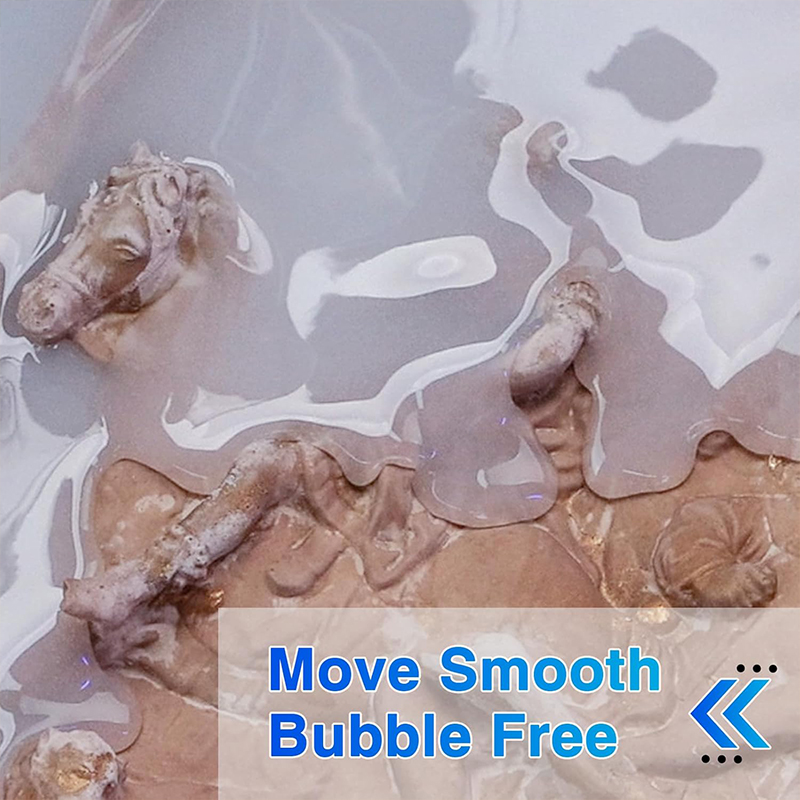
For bubble-free molds, vacuum degas for 2-3 minutes. This is especially important for detailed molds where surface imperfections cannot be tolerated.
Step 5: Pour Carefully
Pour the mixture slowly from the highest point of your mold box, allowing the silicone to flow naturally and push air out. A thin, continuous stream works best.
Step 6: Cure at Room Temperature
Allow to cure for the recommended time (4-8 hours depending on grade and thickness). Do not disturb during cure. For best results, allow 24 hours before first use.
Step 7: Demold and Inspect
Remove the master model carefully. Inspect the mold for any defects. Your mold is now ready for production casting.
Precautions for Mold Silicone:
1. Catalyst Accuracy is Critical: Tin-cure silicone's properties depend heavily on correct catalyst measurement. Always weigh, never estimate. Use a digital scale for accuracy.
2. Avoid Contamination: Contact with sulfur, amines, or certain clays can inhibit cure. Use clean mixing containers and tools.
3. Temperature Effects: Cure time doubles roughly every 10°C below 25°C. Below 15°C, consider using a heater. Above 35°C, working time shortens significantly.
4. Storage: Store unopened containers in a cool, dry place (15-25°C). Avoid direct sunlight. Shelf life is 12 months.
5. Post-Curing: For maximum properties, allow molds to post-cure for 24 hours before first use. This is especially important for concrete applications.
6. Release Agent: While tin-cure releases well from porous materials, using a release agent for every pour extends mold life significantly.
Shelf Life:
Unopened packaging at room temperature (25°C): 12 months. Finished silicone molds can be stored for up to six months without loss of performance.
Storage and Transportation:
1.Mold silicone should be stored at room temperature in a dry, sealed container. Avoid contact with water to prevent deterioration.
2.This product is classified as non-hazardous for transportation.
Applications & Project Gallery
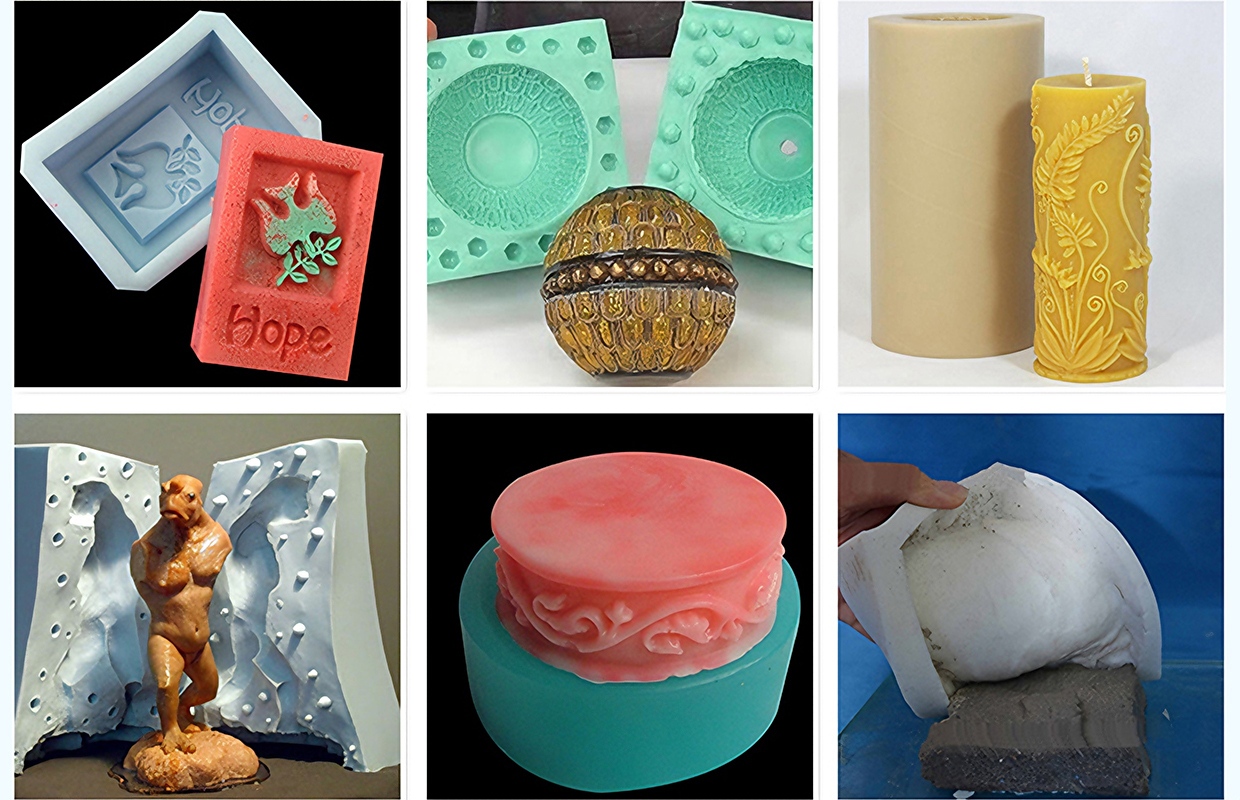
A. Plaster Statue and Figurine Manufacturing
Factories producing religious statues, decorative figurines, and plaster ornaments have trusted tin-cure silicone for generations. The material's economics make it practical to maintain a large inventory of molds for different designs. A typical statue factory might have hundreds of tin-cure molds in active use, producing thousands of pieces monthly. The 0.2-0.5% shrinkage is acceptable for these applications, and the natural release from plaster means efficient production cycles.
B. Concrete Flowerpot and Garden Ornament Production
Garden product manufacturers use tin-cure silicone to create molds for concrete planters, flowerpots, birdbaths, and garden statues. The material's durability through repeated concrete casting cycles—typically 100-300 pots per mold—provides excellent value. The alkaline resistance of our formulation extends mold life compared to standard silicones.
C. GRC Architectural Element Casting
Producers of glass fiber reinforced concrete (GRC) architectural elements—cornices, columns, capitals, window surrounds—choose tin-cure for its balance of detail reproduction and cost. A single mold might produce dozens of identical elements for a building project, and the material's firmness (30-40A) maintains shape for large architectural pieces.
D. Restoration and Conservation Projects
Architectural conservators use tin-cure silicone on-site to create molds of historic building elements for reproduction. The material's ability to cure in variable conditions (temperature, humidity) makes it practical for field work. Period details are captured faithfully, allowing accurate reproduction of cornices, moldings, and decorative features.
Custom Tin-Cure Solutions for Volume Manufacturers
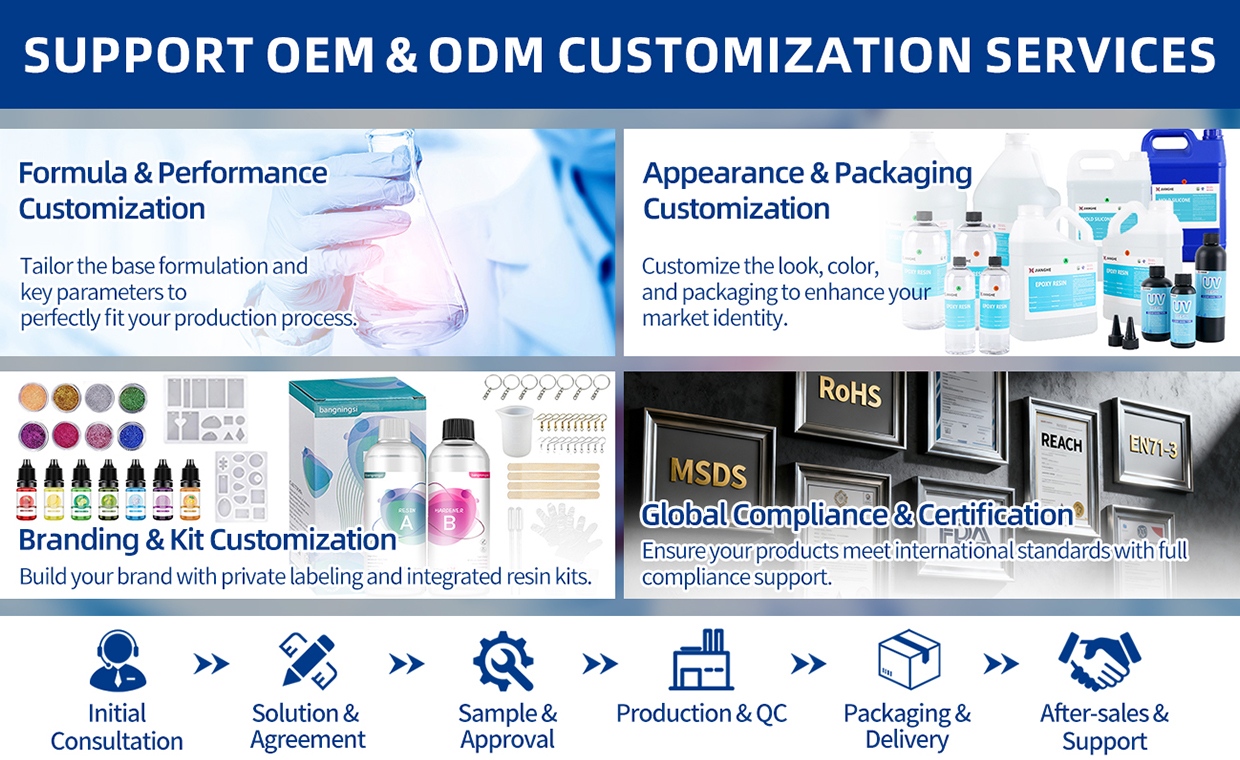
We partner with industrial clients to develop proprietary formulations:
1. Hardness Tuning: From Shore A 5 to 50 for specialized applications;
2. Cure Time Adjustment: Fast-cure (2-3 hours) or extended working time formulations;
3. Color Matching: Custom colors for branded products;
4. Private Labeling: Your brand, your packaging, our quality materials;
5. Bulk Supply: 200kg drums, 1000kg totes, and tanker options;
6. Technical Support: Ongoing formulation and process optimization;
👉 [Contact Our OEM Team for Custom Quotation]
Why Manufacturers Choose Jianghe Tin-Cure Silicone:
1. 17+ Years Material Science Expertise: Deep understanding of condensation-cure chemistry and applications;
2. ISO 9001 Certified Quality: Rigorous QC ensures consistent batch-to-batch performance;
3. 25,000+ Tons Annual Capacity: Reliable supply for businesses of all sizes;
4. Complete Range: One source for all hardnesses and special formulations;
5. Technical Partnership: Our engineers work alongside your production team;
6. Global Distribution: Serving manufacturers in over 50 countries;
7. Cost-Effective: Factory-direct pricing with volume discounts.
👉 [Request a Sample Kit for Testing]
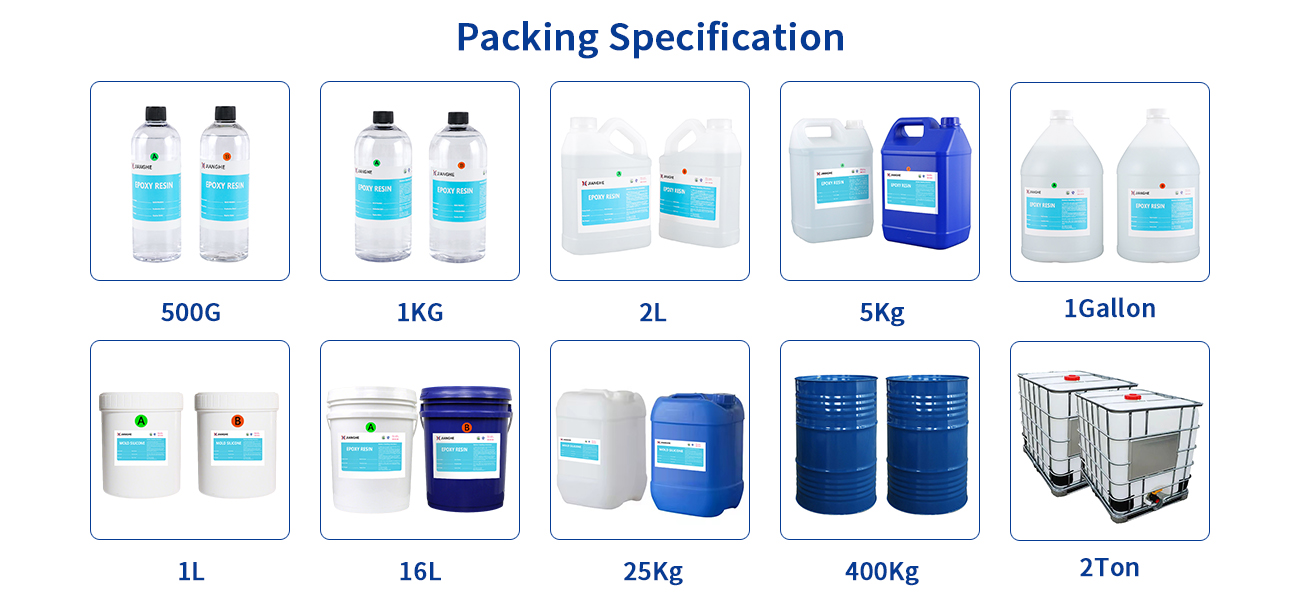
If You Need Customized Packaging Or Other Specifications, Please Contact Us.
FAQ:
Q1: What's the difference between tin-cure and platinum-cure silicone?
A: Tin-cure (condensation-cure) uses a tin catalyst and releases alcohol during curing. It's more economical (30-50% less cost) but has higher shrinkage (0.2-0.5%) and is not food-safe. Platinum-cure offers zero shrinkage and food-grade safety at higher cost. Choose tin-cure for plaster, concrete, and general industrial applications where food contact isn't required.
Q2: Is tin-cure silicone suitable for food contact molds?
A: No. Tin-cure silicone is not recommended for food contact applications. For chocolate molds, candy molds, or any food contact, use our platinum-cure food-grade series.
Q3: How do I choose the right hardness for my application?
A: Soft grades (10-15A) for complex undercuts, delicate details, and flexible molds. Medium grades (20-25A) for general purpose plaster and concrete work. Firm grades (30-40A) for large molds, high-volume production, and applications requiring maximum durability.
Q4: What causes incomplete curing in tin-cure silicone?
A: Common causes: incorrect catalyst ratio (too little), low temperature (below 15°C), contamination (sulfur, certain clays), or expired material. Always measure accurately and maintain proper conditions.
Q5: How long do tin-cure silicone molds last?
A: With proper care, 50-500+ casts depending on application. Plaster molds typically last longer (100-500 casts), concrete molds (50-200 casts) due to aggregate abrasion. Using release agent and cleaning molds after each use extends life significantly.