 EN
EN

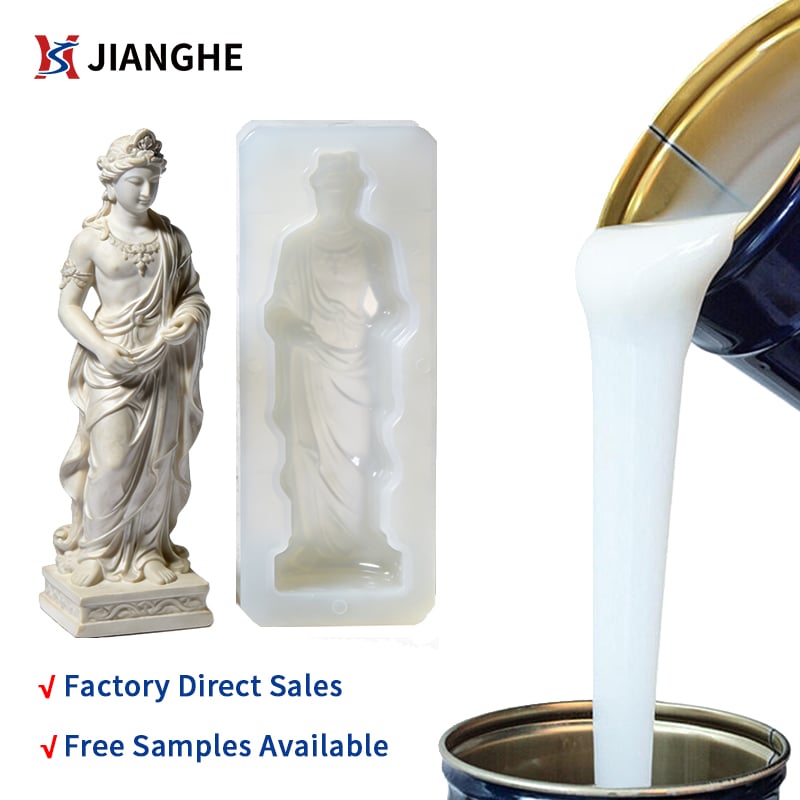
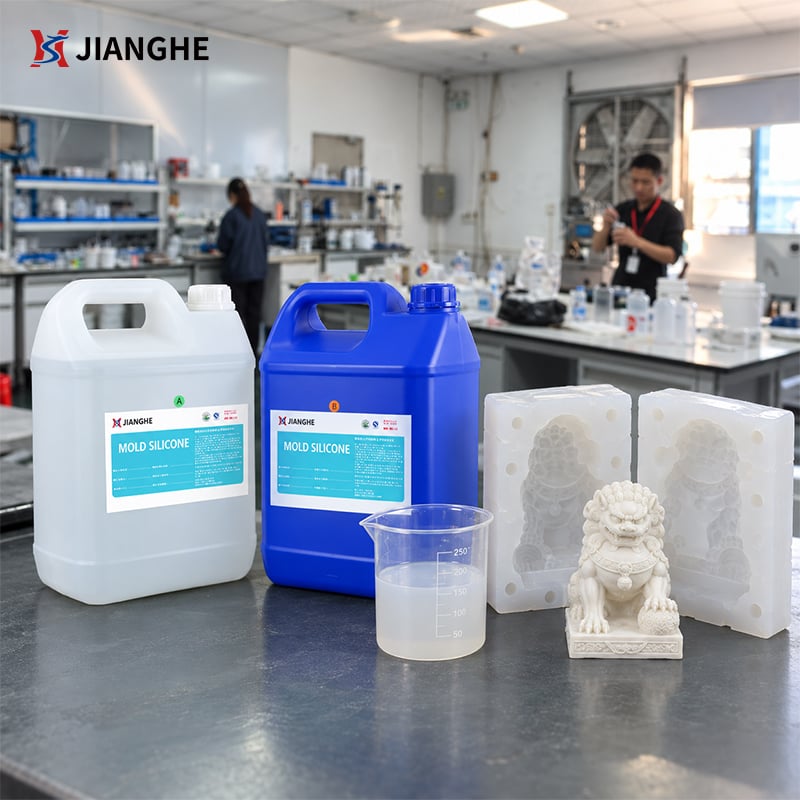
Tin Silicone for Plaster Mold Statue and Figurine Casting
Model: Series 9 Mix Ratio: 100:2 or 100:3
Key Features:
-
Plaster-Optimized Release: Clean release from gypsum materials.
-
Production Economical: Cost-effective for volume manufacturing.
-
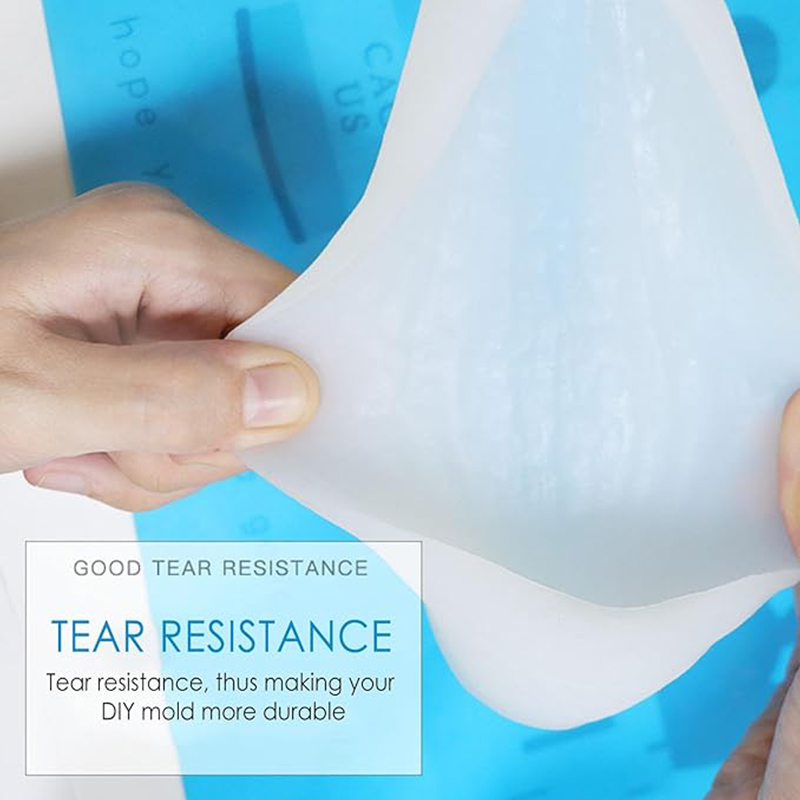
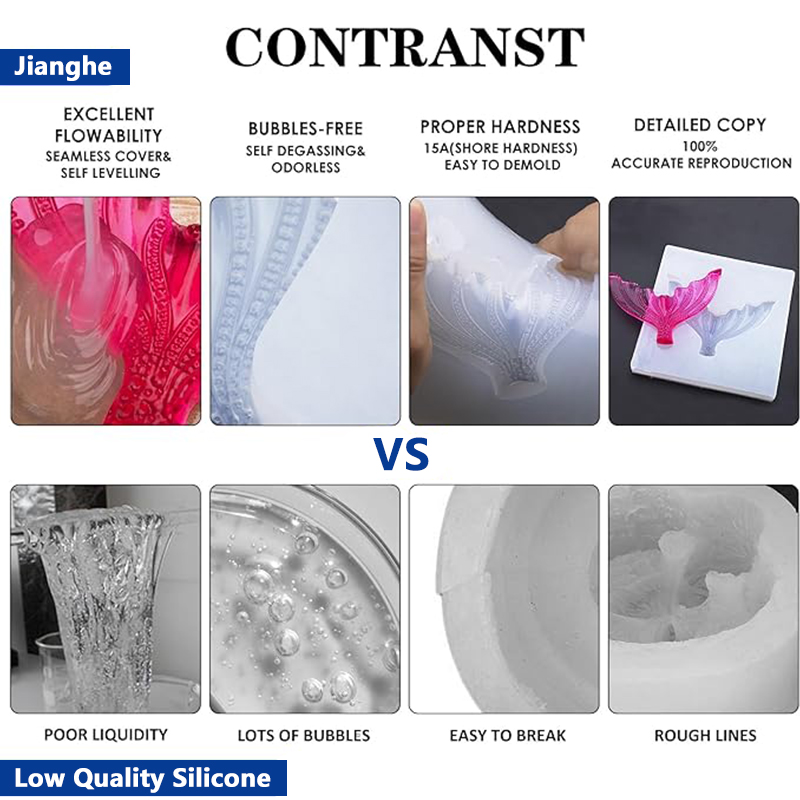
Good Flexibility: Easy demolding of detailed figurines.
-
Detail Reproduction: Captures fine textures and ornaments.
- Proven Reliability: Trusted by manufacturers for decades.
Technical Specifications:
| ☆ Shrinkage: ≤0.3% | ☆ Hardness Range: Shore A 15-30 Available |
| ☆ Cure Time: 3-5 hrs@RT | ☆ Application: Industrial mass production |
Perfect For:
| ☆ Plaster Statue and Figurine Molds | ☆ Religious Icon and Idol Production |
| ☆ Bulk Casting of Gypsum Crafts | ☆ Decorative Plaster Wall Plaques |
| ☆ Architectural Plaster Elements | ☆ Educational Plaster Model Making |

- Overview
- Recommended Products
- Proven Track Record: Generations of plaster casters have trusted tin-cure silicone. It's not experimental or unproven—it's the material that has produced millions of statues, figurines, and architectural elements worldwide.
- Natural Release from Plaster: The condensation chemistry actually works well with porous materials like plaster. Castings release cleanly without complex release agents—just clean, dry molds.
- Cost-Effective at Scale: When you're producing thousands of pieces monthly, material cost matters. Tin-cure's 30-50% savings compared to platinum translates directly to bottom-line profit.
- Detail Sufficient for Plaster: Plaster doesn't require the ultra-low shrinkage of platinum (≤0.1%). The 0.2-0.4% shrinkage of tin-cure is perfectly acceptable for statues, figurines, and architectural elements.
- Forgiving Process: Tin-cure is tolerant of varying workshop conditions. It cures reliably without strict temperature and humidity control, making it ideal for facilities in developing countries or with basic infrastructure.
- Wide Hardness Range: From soft 15A for delicate figurines to firm 30A for production molds, one material system covers your entire product line.
Powered by Shenzhen Jianghe New Materials
For decades, tin-cure silicone has been the material of choice for plaster casting worldwide. Our plaster-optimized formulations continue this tradition, offering reliable performance at economical prices for statue makers, figurine producers, and craft manufacturers across five continents.
Plaster casting is one of the oldest and most common mold-making applications. The material requirements are well-understood: good release, adequate flexibility, detail capture, and most importantly, cost-effectiveness for high-volume production.
Why Tin-Cure is the Standard for Plaster:
| Requirement | Tin-Cure Performance |
| Cost | Excellent – 30-50% less than platinum |
| Release from Plaster | Excellent – Natural release |
| Detail Capture | Good – Suitable for most plaster applications |
| Mold Life | Very Good – 100-500 casts |
| Ease of Use | Excellent – Forgiving, room-temperature cure |
Key Performance Benefits:
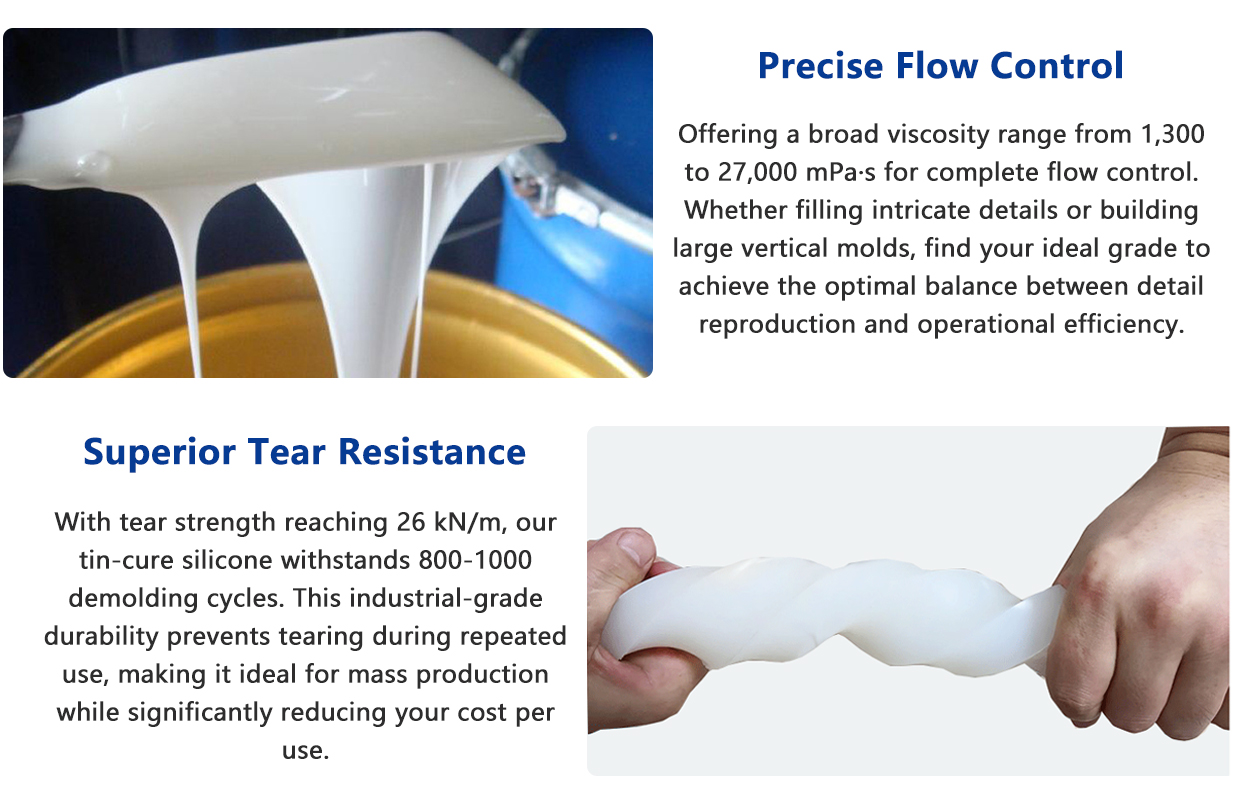
Detailed Technical Specifications
| Model | 915 | 920 | 925 | 930 | 935 | 940 |
| Color | White/Translucent | |||||
| Hardness (Shore A°) | 15±2 | 20±2 | 25±2 | 30±2 | 33±2 | 40±2 |
| Mix Ratio (A:B) | 100:2 or 100:3 | |||||
| Viscosity (mPa.s) | 1300±1000 | 17000±2000 | 25000±2000 | 27000±2000 | 25000±2000 | 15000±2000 |
| Tensile Strength (Mpa) | 3.2 | 4 | 4.2 | 4.5 | 4 | 3.5 |
| Tear Strength (kN/m) | 16±2 | 19±2 | 24±2 | 26±2 | 25±2 | 21±2 |
| Elongation (%) | 420 | 530 | 480 | 480 | 450 | 250 |
| Density (g/cm³) | 1.08 | 1.08 | 1.08 | 1.08 | 1.09 | 1.09 |
| Operation Time (min) | 30-50 | 30-50 | 30-40 | 30-40 | 30-40 | 30-50 |
| Vulcanization Time (h) | 4-5 | 4-5 | 3-4 | 3-4 | 3-4 | 4-5 |
| Line Shrinkage Not Rate (%) | ≤0.3 | |||||
| Note: The color, viscosity, operation time and hardness after curing in the parameter table can be adjusted according to customer's demand. | ||||||
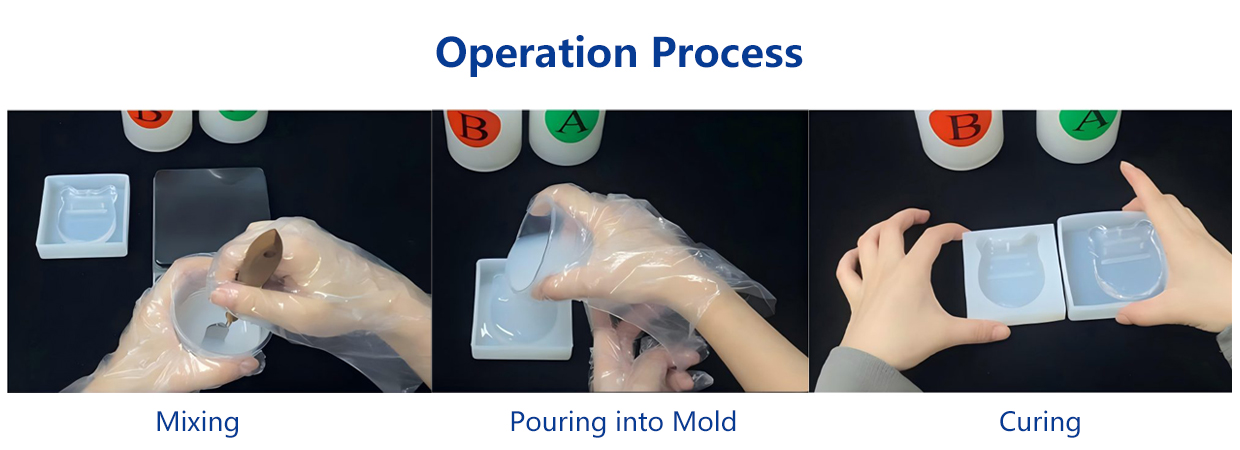
How to Use
Step 1: Prepare Master
Clean master thoroughly. Seal porous masters (plaster, wood) with shellac. Apply release agent.
Step 2: Build Mold Box
Create containment around master. Seal seams to prevent leakage.
Step 3: Mix Silicone
Weigh base and catalyst accurately. Mix thoroughly for 2-3 minutes.
Step 4: Vacuum Degas (Recommended for Bubble-Free Molds)
Place mixed silicone in vacuum chamber at 29 inHg for 2-3 minutes until no bubbles rise.
No vacuum chamber? Pour slowly in thin stream from height and tap mold box gently to release bubbles.
Step 5: Pour Carefully
Pour slowly from lowest point, allowing silicone to rise and push out air.
Step 6: Cure
Allow to cure undisturbed for 4-8 hours at 20-30°C.
Step 7: Demold
Remove master carefully. Mold is ready for plaster casting.
Precautions for Mold Silicone:
1. Seal Porous Masters: Plaster masters must be sealed before mold making. Unsealed plaster absorbs silicone, ruining the mold and damaging the master.
2. Keep Plaster Molds Dry: Store plaster molds in a dry environment. Moisture affects plaster performance and can degrade the mold over time.
3. Clean After Each Use: Remove plaster residue promptly. Dried plaster is abrasive and will wear mold surfaces if left.
4. Release Agent Extends Life: While plaster releases well naturally, using a release agent for every pour significantly extends mold life—especially for detailed molds.
5. Inspect Detail Areas: Check high-detail areas (faces, fine patterns) regularly for wear. Replace molds when detail fidelity diminishes.
6. Temperature Control: Ideal working temperature is 20-30°C. Below 18°C, cure time extends; above 35°C, working time shortens.
Shelf Life:
Unopened packaging at room temperature (25°C): 12 months. Finished silicone molds can be stored for up to six months without loss of performance.
Storage and Transportation:
1.Mold silicone should be stored at room temperature in a dry, sealed container. Avoid contact with water to prevent deterioration.
2.This product is classified as non-hazardous for transportation.
Applications & Project Gallery
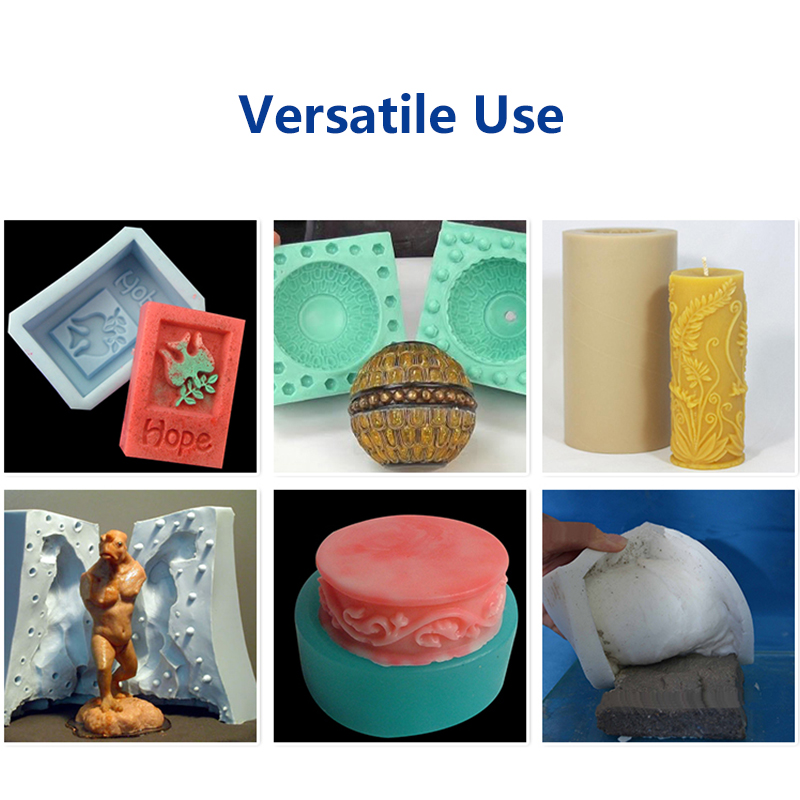
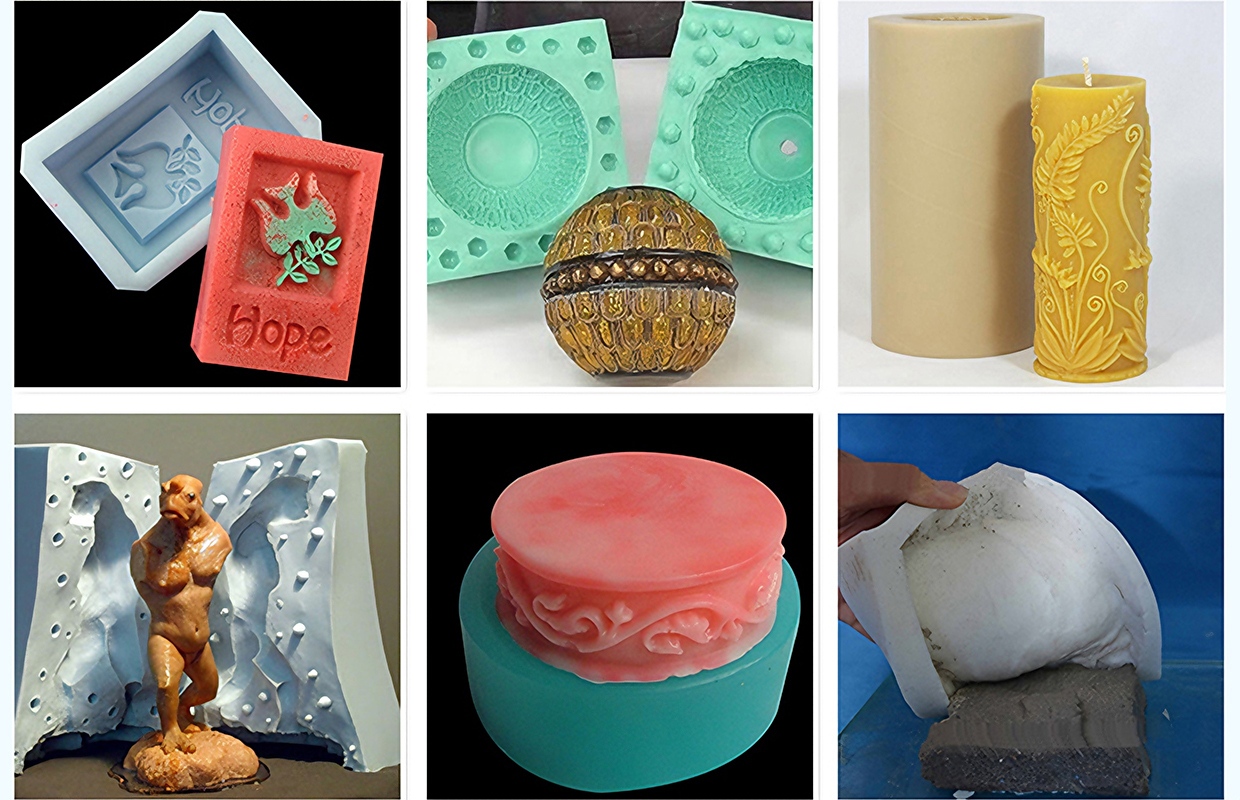
A. Religious Statue and Figurine Production
A factory in Thailand producing Buddhist statues and religious figurines for export uses our T815-PL (15A) for detailed pieces and T825-PL (25A) for larger production molds. With over 500 active molds, they produce 10,000+ pieces monthly. The cost savings of tin-cure versus platinum saves them approximately $15,000 annually—enough to fund a new production line.
B. Decorative Plaster Wall Plaque Manufacturing
A family business in Mexico creates decorative wall plaques with traditional Mexican motifs. They use T820-PL for its balance of detail capture and durability. Each mold produces 200-300 plaques before needing replacement. The plaques sell in tourist markets and home decor stores throughout North America.
C. Architectural Plaster Element Production
A UK-based company specializing in period architectural plasterwork—ceiling roses, cornices, corbels—uses T825-PL and T830-PL for their molds. The material's firmness maintains shape for architectural elements while the detail capture reproduces Victorian and Georgian patterns faithfully.
D. Educational and Hobbyist Applications
Art schools and university sculpture programs choose our plaster silicone for its forgiving nature and reliable results. Students learn mold-making technique without the frustration of failed molds, building confidence and skills.
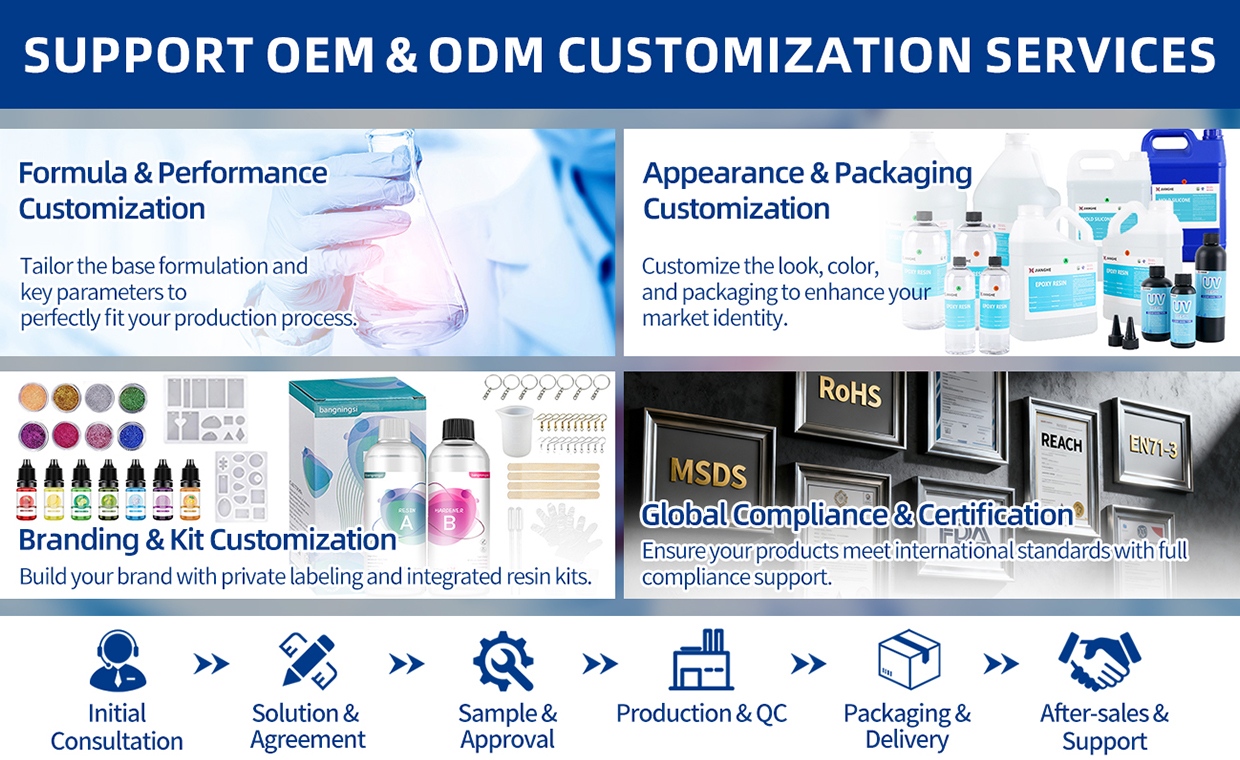
Custom Plaster Mold Solutions for Volume Manufacturers
We work with plaster manufacturers to optimize production:
1. Hardness Tuning: Develop specific hardness for your product range (10-35A);
2. Cure Time Adjustment: Fast-cure options for high-volume production;
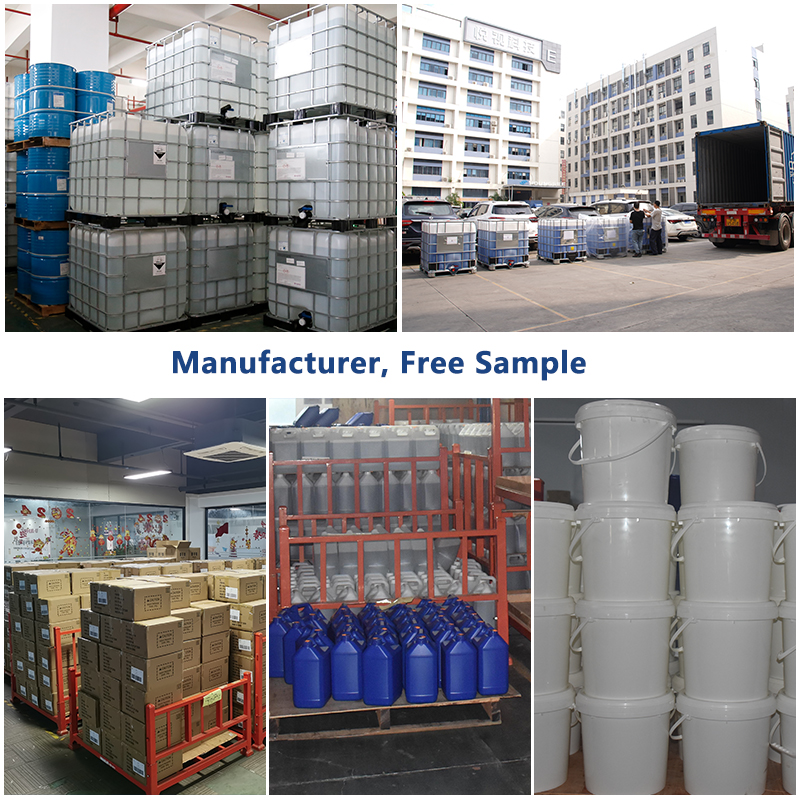
3. Bulk Supply: 200kg drums for continuous operations;
4. Private Label: Your brand on quality materials for resale;
5. Technical Support: Process optimization for plaster casting;
6. Mold Design Advice: Help with complex mold configurations;
👉 [Optimize Your Plaster Production]
Why Plaster Manufacturers Trust Jianghe Silicone:
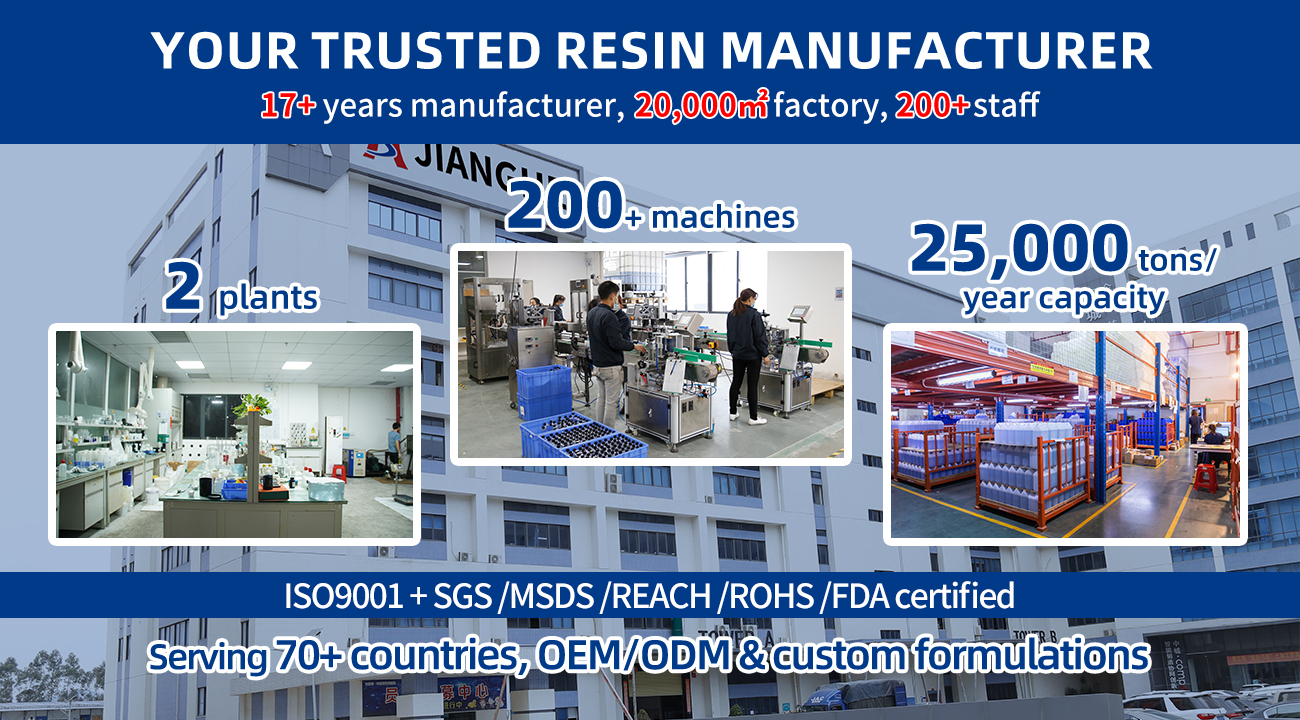
Plaster-Optimized for 17+ Years: Formulations refined through decades of industry feedback
1. Cost-Effective: The most economical choice for volume plaster production;
2. Proven Performance: Used by plaster manufacturers in over 40 countries;
3. Consistent Quality: ISO 9001 certified, batch-to-batch reliability;
4. Technical Support: Our engineers understand plaster casting challenges;
5. Full Range: One source for all hardnesses from 15A to 40A;
6. Global Supply: Reliable delivery to factories worldwide.
👉 [Request Plaster Mold Sample Kit]
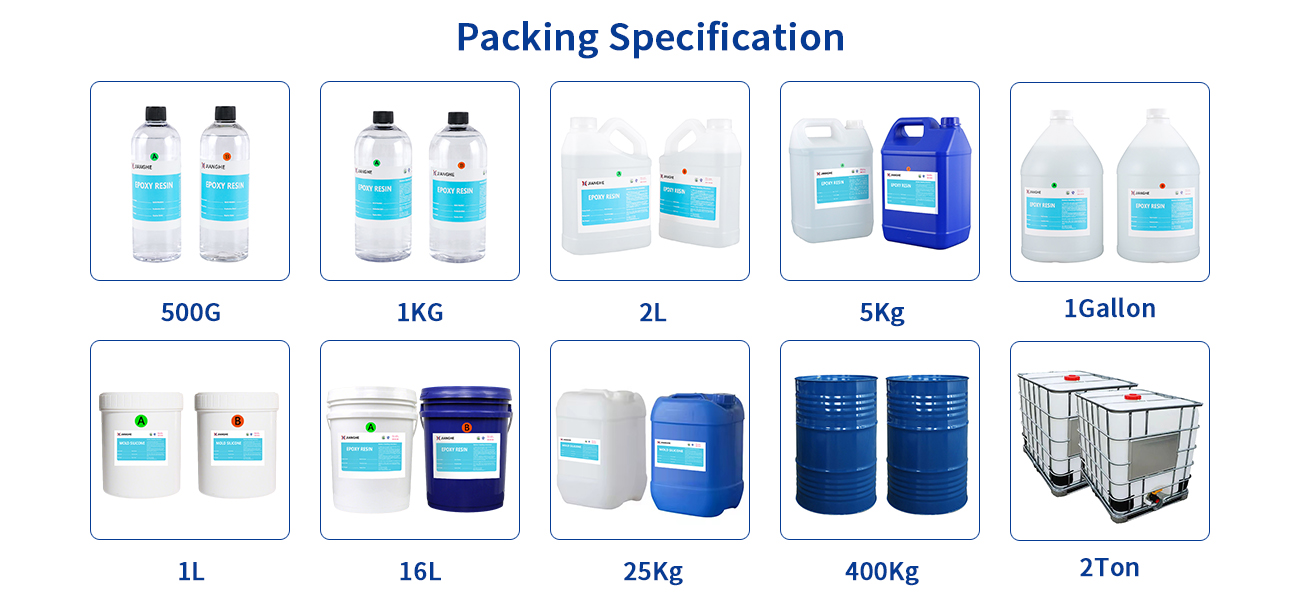
If You Need Customized Packaging Or Other Specifications, Please Contact Us.
FAQ:
Q1: Do I need release agent for plaster with tin-cure silicone?
A: Usually not with clean, dry molds—plaster releases naturally. However, using a release agent for every pour will extend mold life 2-3x. For high-volume production, it's worth the small extra step.
Q2: What hardness is best for detailed plaster figurines?
A: 15-20A provides the flexibility needed to demold complex undercuts while maintaining good detail capture. Softer is better for intricate pieces with fine details.
Q3: How many plaster casts can I expect from one mold?
A: With proper care and release agent, 100-500+ casts depending on part complexity. Simple shapes last longer; highly detailed pieces with undercuts have shorter life.
Q4: Can I use this for slip casting ceramic slip?
A: Yes, works well for slip casting as well. Similar principles apply—good release from porous materials.
Q5: What causes plaster to stick to the mold?
A: Common causes: dirty mold, insufficient release agent, plaster too dry when demolding, or mold wear. Clean regularly and use release agent.