Room 1008, Building 1, Cofco Yunjing, Martin Street, Heshui Kou Community, Guangming +86-13418798686 [email protected]
1. Introduction
Selecting the correct platinum silicone hardness isn't just a technical step—it's the fundamental decision that determines the success or failure of your mold-making project. The right choice ensures crisp detail capture, easy demolding, and a long mold life, while the wrong one can lead to torn molds, damaged casts, and frustrating waste of materials and time.
For creators working with resins, candles, soaps, plaster, or concrete, navigating the Shore A hardness scale is key. This guide will demystify the range from super-soft 0A to firm 40A,
providing you with a clear, actionable framework to match the perfect silicone hardness to your specific project, ensuring professional results every time.
2. Understanding Shore A Hardness: It's More Than Just "Soft" or "Hard"
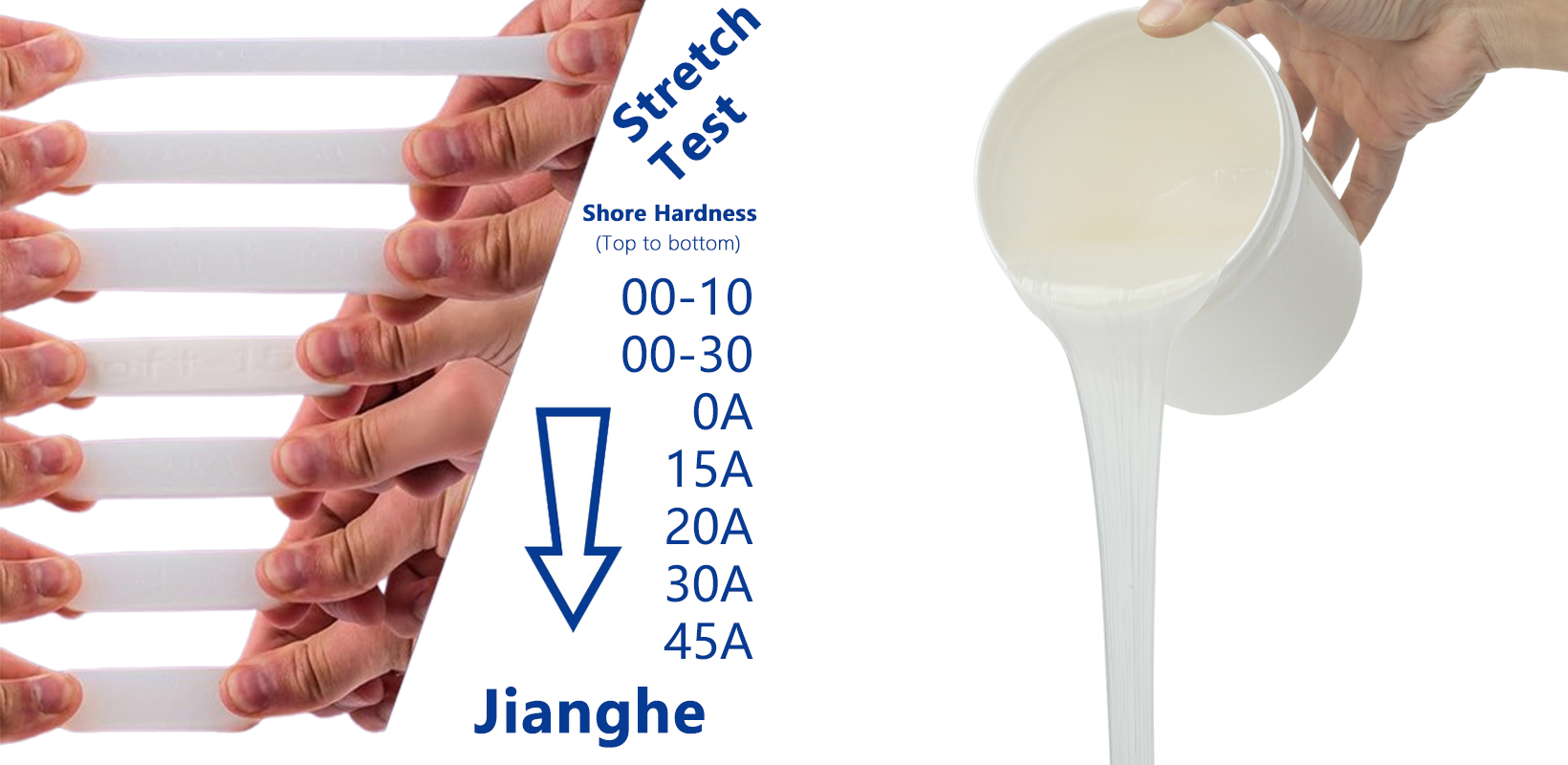
Shore A hardness measures a material's resistance to indentation. In platinum silicone, this scale from 0A to 40A defines a spectrum of physical behaviors:
Crucially, hardness directly correlates with other key properties. Softer silicones (e.g., 10A) typically have very high elongation (they can stretch a lot) but may have lower tear strength. Firmer silicones (e.g., 40A) have greater tensile and tear strength, making them more durable but less flexible for demolding complex shapes.
3. The Project Matchmaker: Choosing Hardness for Your Application
Here is a detailed breakdown of how to select the optimal hardness from the 0A-40A range for common molding applications.
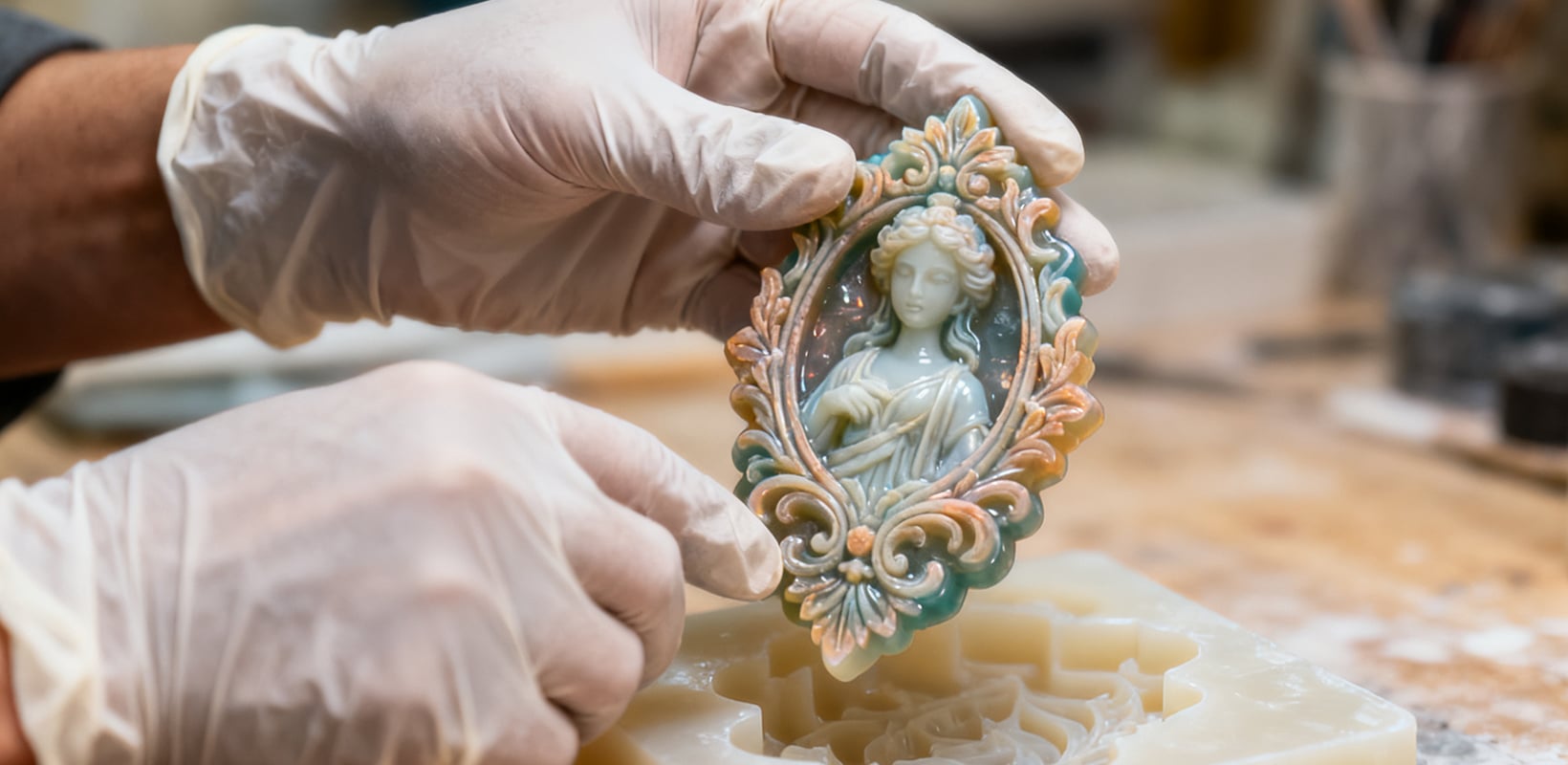
① Small & Detailed Resin Molds (Jewelry, Charms, Miniatures)
These projects demand flawless detail replication and easy demolding of often delicate casts.
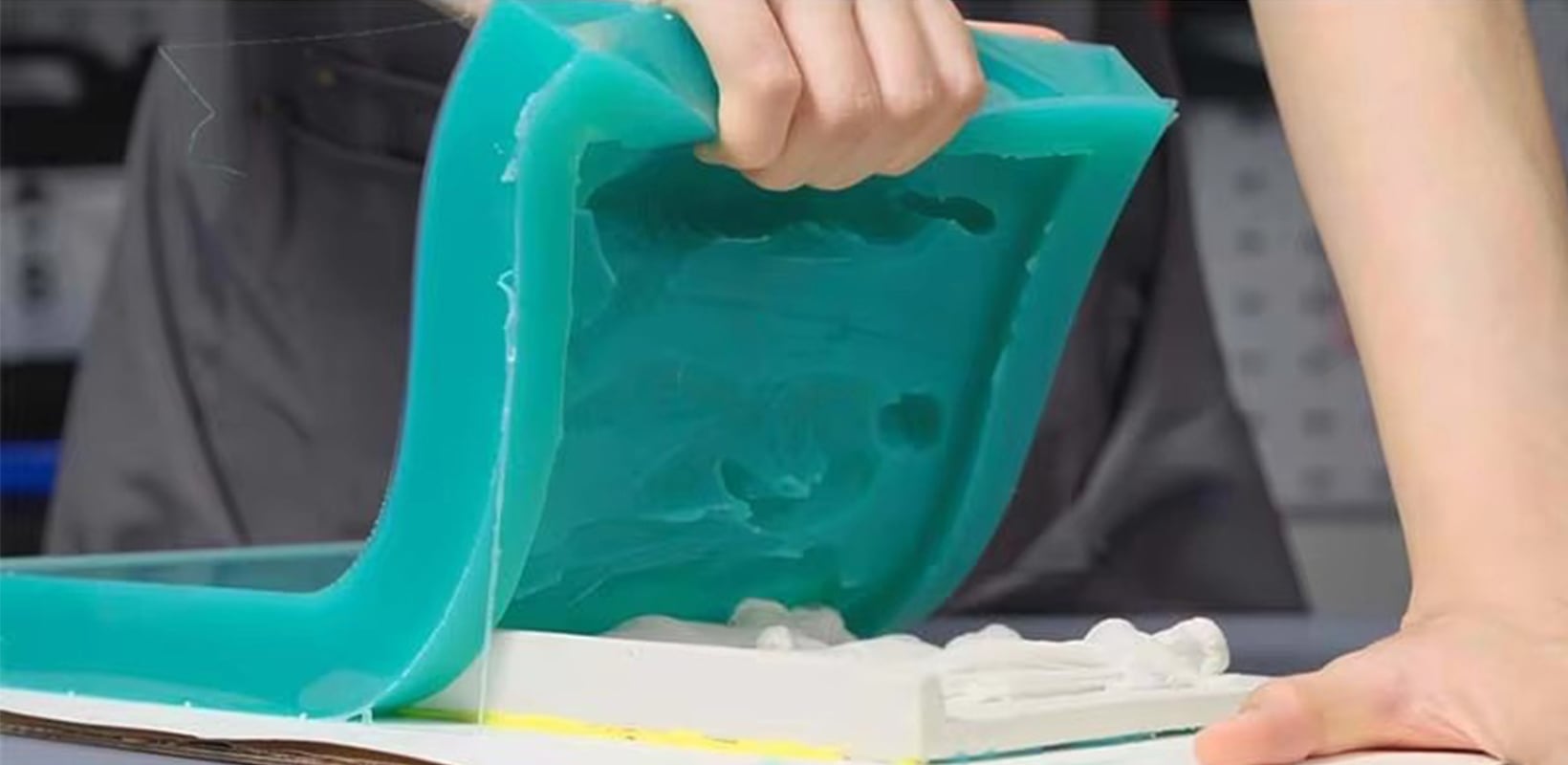
② Large Resin Molds (Tabletops, Sculptures, Large Decor)
The primary challenge here is supporting the weight and volume of resin without the mold warping or bulging.
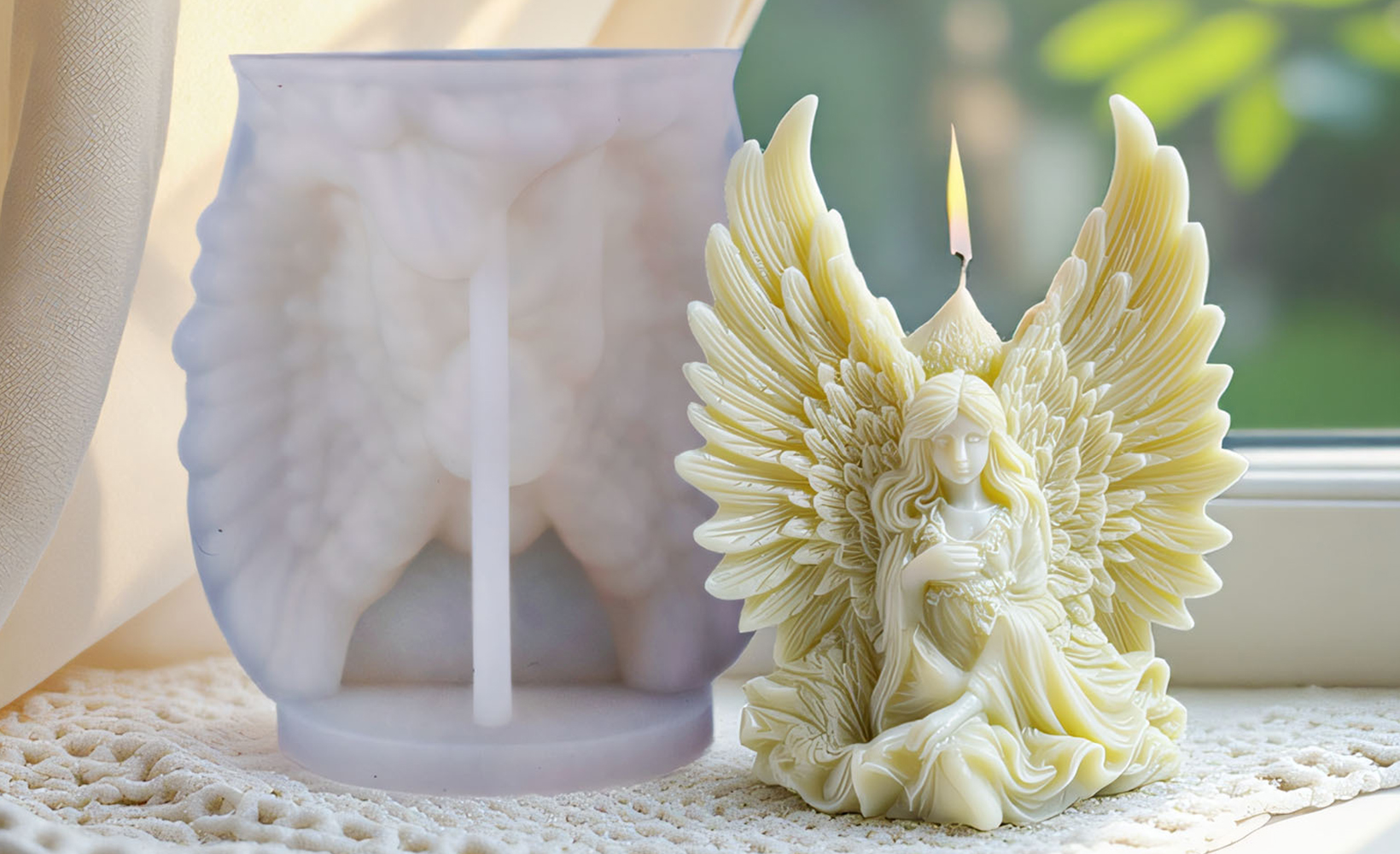
③ Candle Molds
Candle wax contracts as it cools, and molds must be flexible for release while withstanding heat.
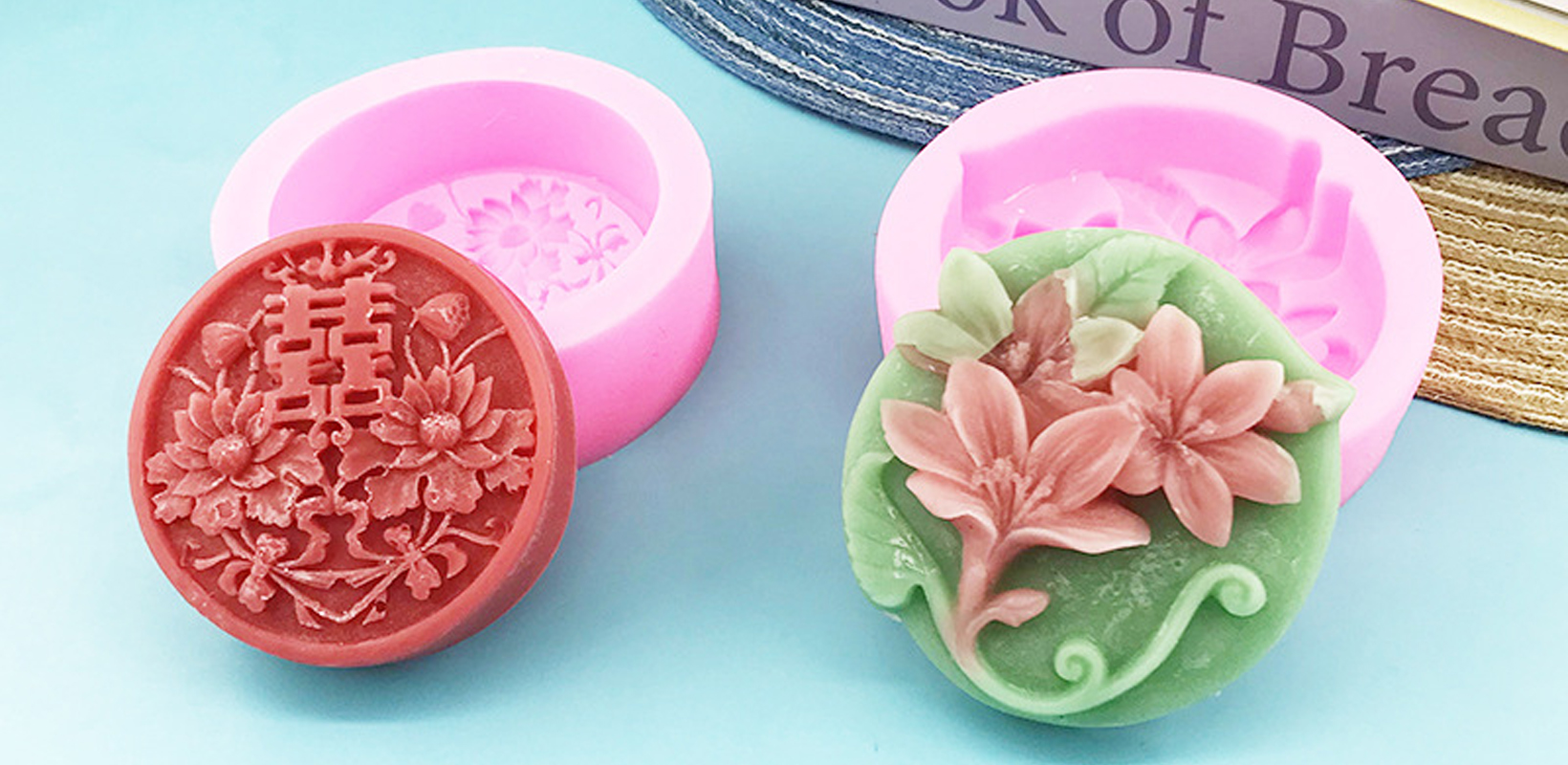
④ Soap Molds (Melt & Pour, Cold Process)
Soap molds need to handle potential alkalinity (in cold process) and allow for clean release to maintain sharp edges.
⑤ Plaster & Concrete Molds
These are the most demanding applications. The materials are heavy, abrasive, and generate heat during curing.

4. Pro Tips for Selection and Usage
5. Conclusion: Hardness is Your Creative Tool
Choosing the correct platinum silicone hardness between 0A and 40A is a strategic decision that empowers your craft. By understanding that 10A is your secret weapon for impossible detail, 25A your reliable all-rounder, and 40A your sturdy workhorse for concrete, you move from guessing to knowing.
Let your project's specific requirements—the material you cast, the complexity of your model, and the number of copies you need—guide your choice. With this knowledge and our precise range of platinum silicones, you are equipped to create molds that are not just tools, but foundations for flawless and successful creations.
 Hot News
Factory-backed material solutions for manufacturers, brands and distributors worldwide. We specialize in liquid silicone rubber, epoxy resin, flooring materials and related products, providing reliable manufacturing, OEM customization and stable global supply.
Copyright © 2026 Shenzhen Jianghe New Materials Technology Co., Ltd.All rights reserved. Privacy Policy
 EN
EN