 EN
EN

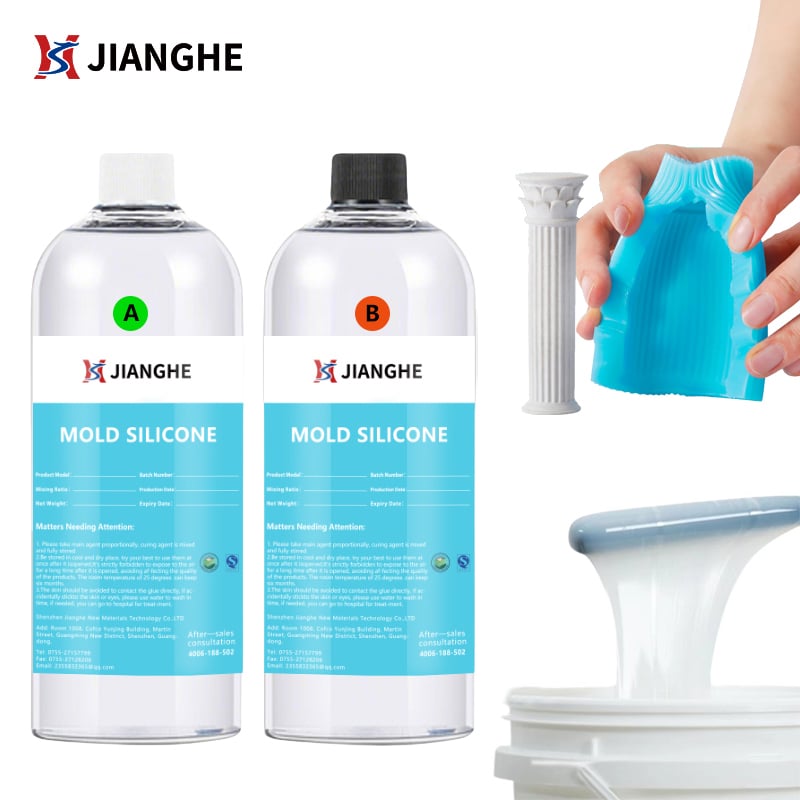
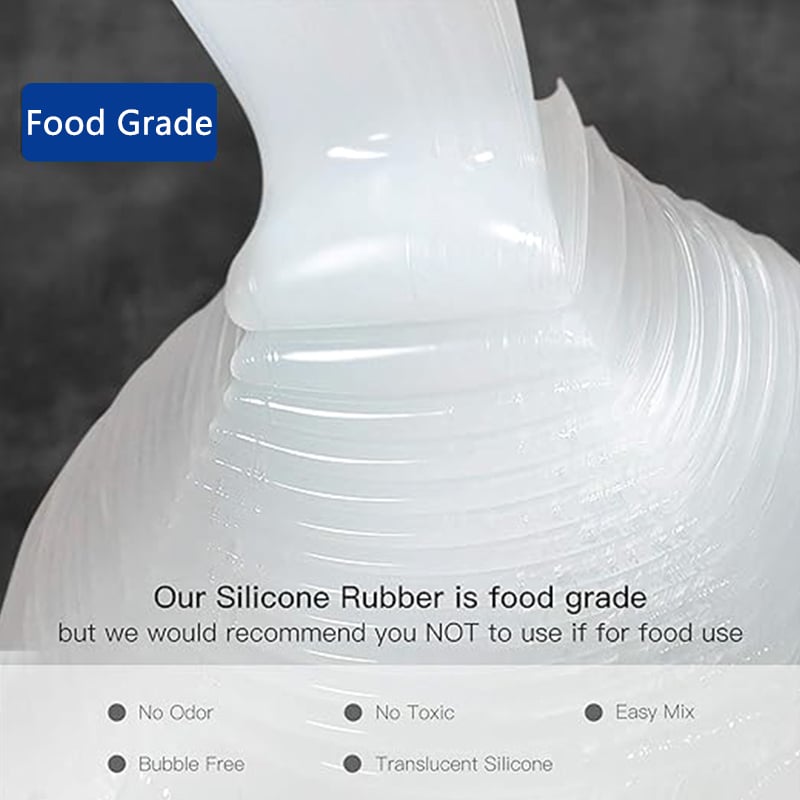
Low-Viscosity Food Grade Platinum Cure Liquid Silicone Rubber
Model: Series 8 Mix Ratio: 1:1
Key Features:
- Ultra-Low Viscosity: 1,000-3,000 mPa.s flows like water into narrow channels.
- Deep Cavity Penetration: Reaches >10cm depths where standard silicones cannot.
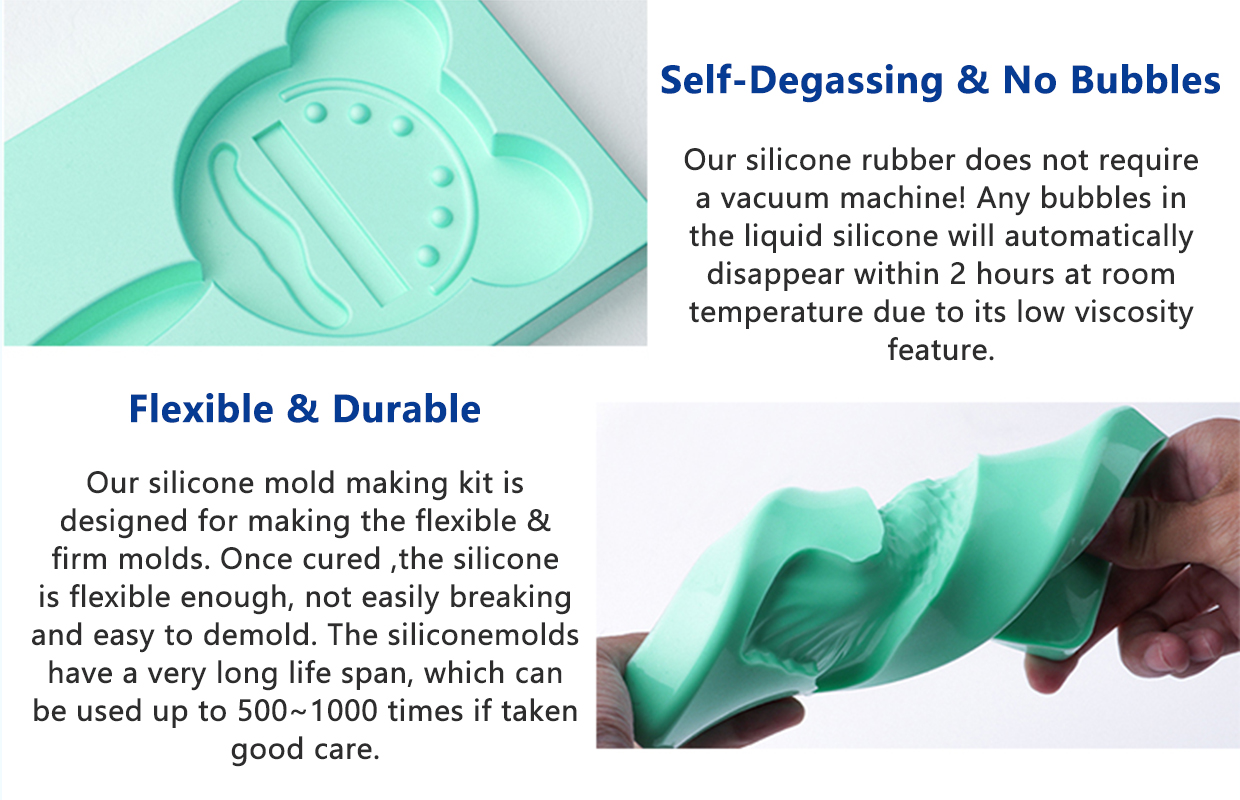
- Natural Bubble Release: Low surface tension lets air escape from complex geometries.
- 3D Print Optimized: Perfect for replicating fine layer lines and intricate details.
- Smooth Surface Finish: Reproduces microscopic textures with exceptional clarity.
Technical Specifications:
| ☆ Shrinkage: ≤0.1% | ☆ Heat Resistance: 250°C |
| ☆ Hardness Range: Shore A 0-40 | ☆ Cure Time: 3-5 hrs@25°C |
Perfect For:
| ☆ Micro-Textured Surface Molds | ☆ Deep Vertical Cavity Filling |
| ☆ 3D Printed Master Replication | ☆ Micro-Fluidic Device Casting |
| ☆ Narrow Channel Penetration | ☆ Precision Miniature Components |

- Overview
- Recommended Products
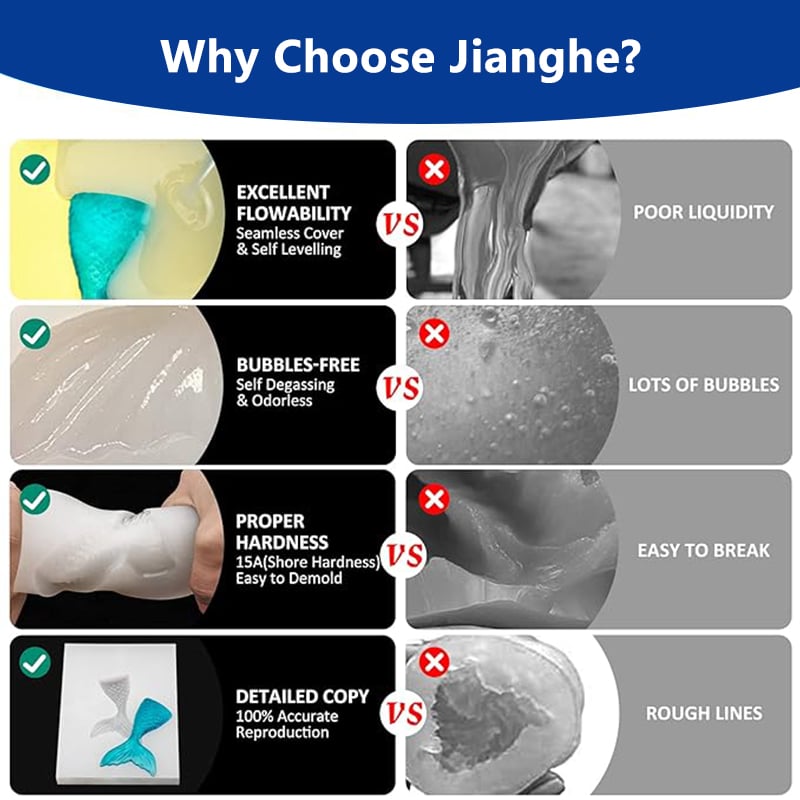
- Exceptional Penetration: Flows into channels and cavities 10cm deep, filling every void without pressure or vacuum assistance.
- Micro-Detail Capture: Reproduces features down to microscopic levels, including 3D print layer lines and fine engraved textures.
- Bubble-Free Results: Low surface tension allows trapped air to escape naturally from complex geometries, reducing defects.
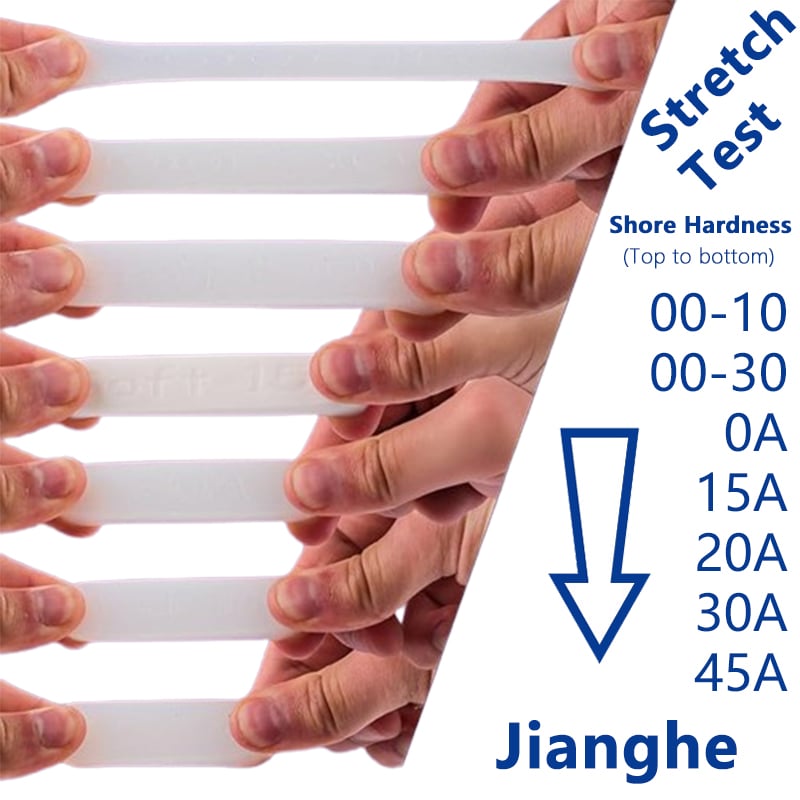
- Versatile Hardness: Available in soft grades (0-15A) that remain flexible enough to demold complex parts without damage.
- Rapid Mold Making: Fast flow means quicker pouring and shorter production cycles, especially for multi-cavity molds.
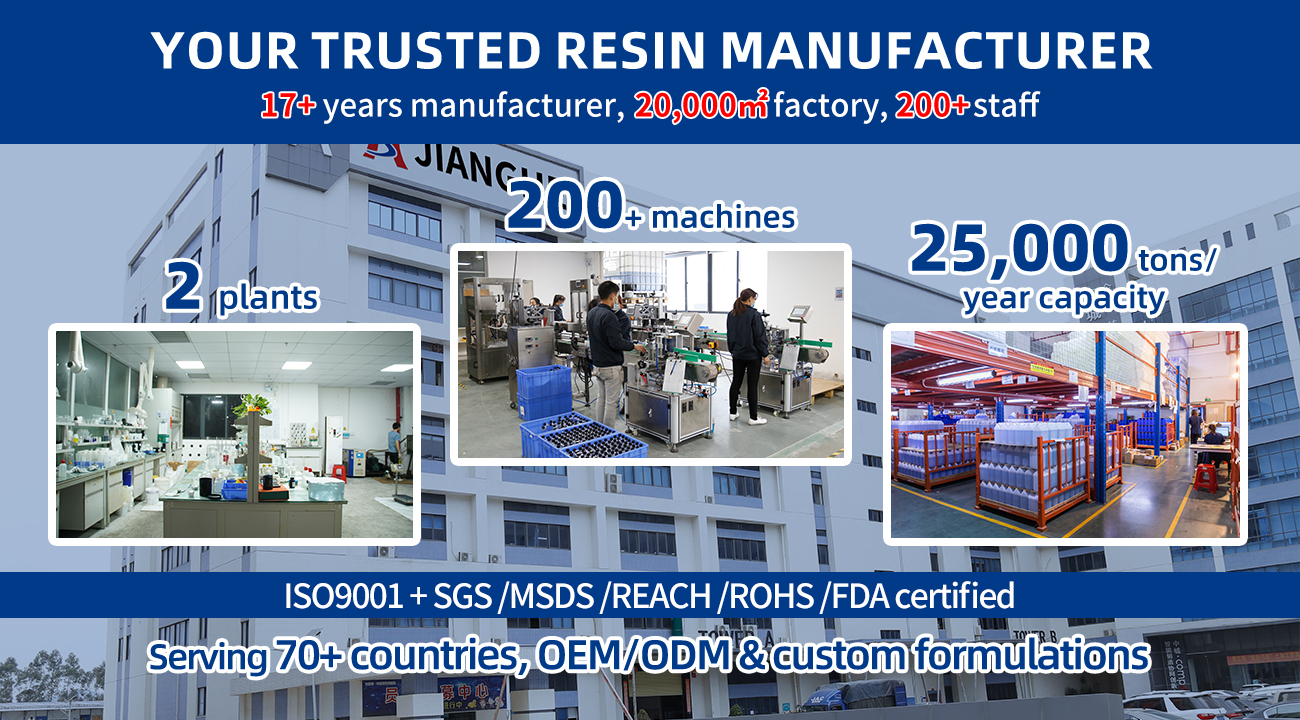
Powered by Shenzhen Jianghe New Materials
We specialize in advanced viscosity control for platinum silicone systems. Our ultra-low viscosity formulations solve the challenge of filling complex mold cavities where standard materials fail, serving industries from micro-fluidics to precision manufacturing.
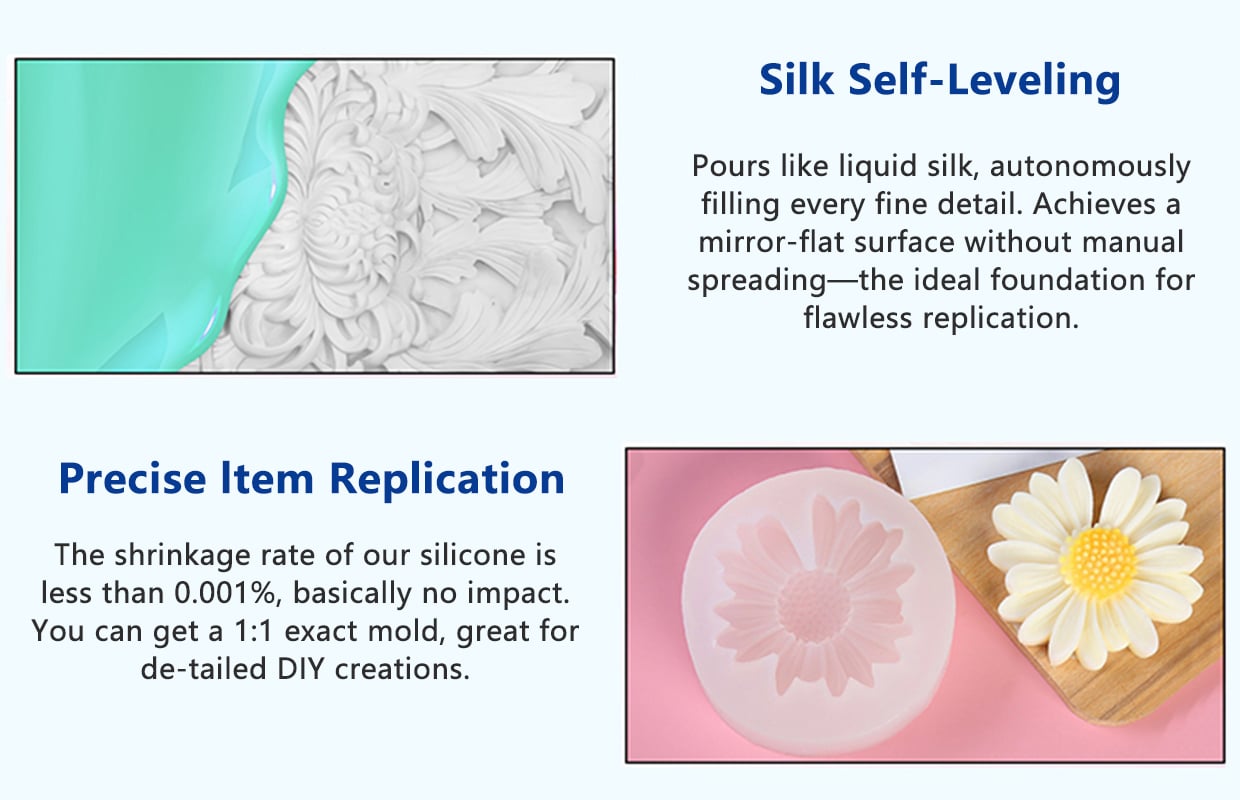
Traditional silicone often struggles with intricate mold designs—it's too thick to flow into narrow channels, trapping air and leaving voids. Our ultra-low viscosity formulation changes that completely.
The Flow Advantage:
With viscosity as low as 1,000 mPa.s, this material behaves almost like water, rapidly wetting surfaces and penetrating deep cavities through gravity alone. It reaches areas that standard silicones cannot access, ensuring complete mold filling every time.
Key Performance Benefits:
Detailed Technical Specifications
| Model | 800 | 805 | 810 | 815 | 820 | 825 | 830 | 840 |
| Color | Translucent | |||||||
| Hardness (Shore A°) | 0±2 | 5±2 | 10±2 | 15±2 | 20±2 | 25±2 | 30±2 | 40±2 |
| Mix Ratio (A:B) | 1:01 | 1:01 | 1:01 | 1:01 | 1:01 | 1:01 | 1:1 or 10:1 | 1:1 or 10:1 |
| Viscosity (mPa.s) | 1000±500 | 1500±500 | 2000±1000 | 3000±1000 | 5000±2000 | 6000±2000 | 7000±2000 | 8000±2000 |
| Tensile Strength (Mpa) | 2.5 | 3 | 4 | 4.7 | 4.8 | 5.7 | 7 | 7.5 |
| Tear Strength (kN/m) | 5±2 | 10±2 | 14±2 | 18±2 | 22±2 | 24±2 | 18±2 | 15±2 |
| Elongation (%) | 540 | 550 | 560 | 580 | 520 | 510 | 550 | 385 |
| Density (g/cm³) | 1.05 | 1.05 | 1.05 | 1.05 | 1.05 | 1.07 | 1.13 | 1.14 |
| Operation Time (min) | 20-40 | |||||||
| Vulcanization Time (h) | 3-5h(25°C), 20-30min(60°C) | |||||||
| Line Shrinkage Not Rate (%) | ≤0.1 | |||||||
| Note: The color, viscosity, operation time and hardness after curing in the parameter table can be adjusted according to customer's demand. | ||||||||
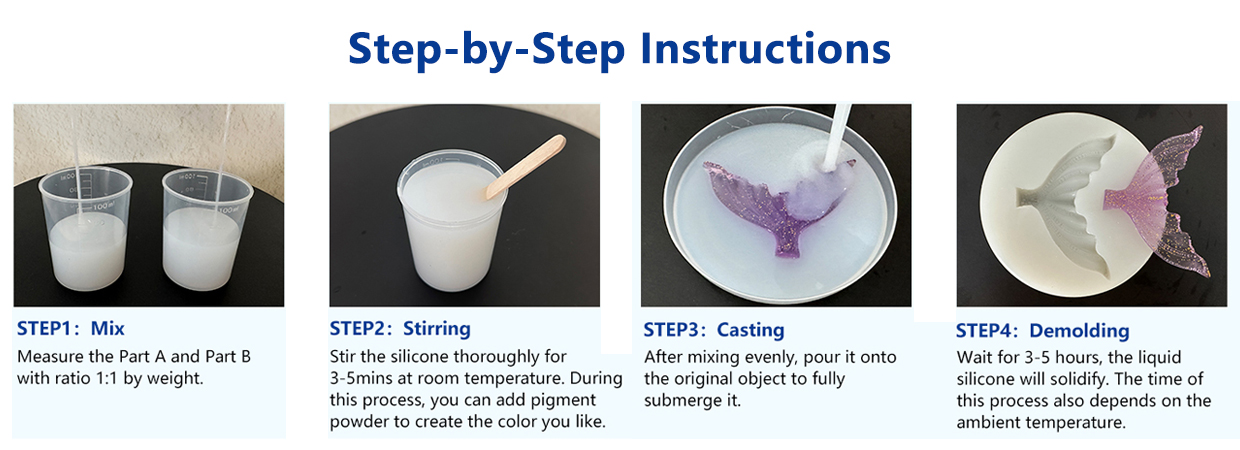
For Complex Cavity Molds:
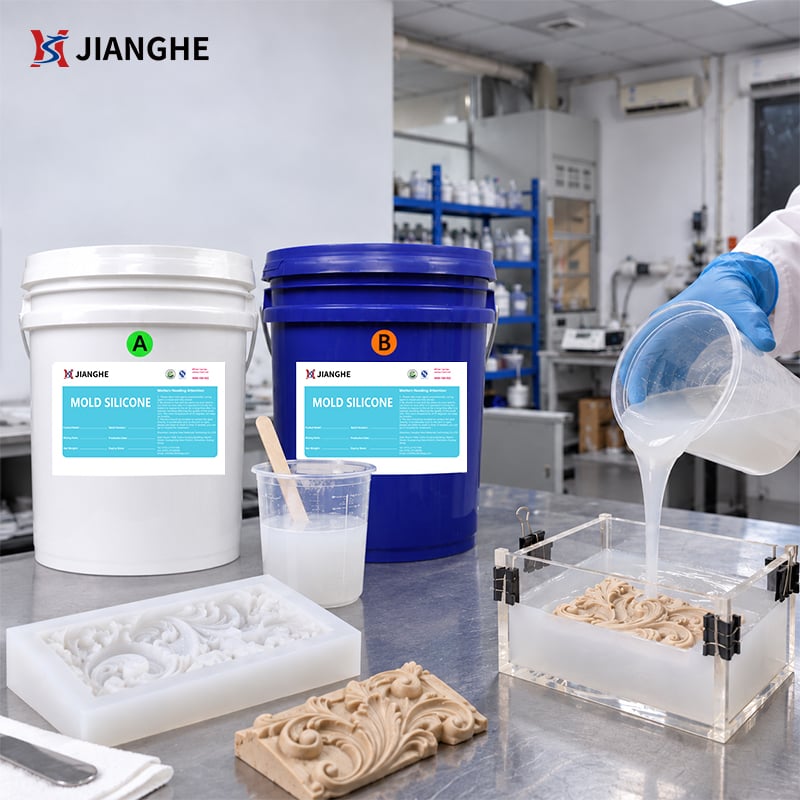
1. Seal Master Thoroughly: Very low viscosity requires careful sealing of porous masters to prevent silicone absorption.
2. Mix Gently: Combine Parts A and B slowly—vigorous stirring can introduce bubbles despite low viscosity.
3. Pour Strategically: Pour slowly from the highest point, allowing material to flow naturally into cavities. For very deep molds, pour in stages.
4. Allow Extra Settling Time: Give bubbles extra time to rise from deep channels before moving.
5. Monitor for Leaks: Tighten mold box sealing to prevent leakage of this thin material.
6. Cure and Inspect: Cure fully before demolding. Inspect complex areas for complete filling.
Precautions for Mold Silicone:
1. Very low viscosity requires tighter mold boxes to prevent leakage—use clamps and consider gaskets.
2. Seal porous masters carefully to prevent silicone absorption into the model.
3. For vertical molds with extreme depth, consider rotating during cure to distribute material evenly.
4. Test with new master materials before full production.
5. Store at recommended temperatures to maintain viscosity properties.
Shelf Life:
Unopened packaging at room temperature (25°C): 12 months. Finished silicone molds can be stored for up to six months without loss of performance.
Storage and Transportation:
1.Mold silicone should be stored at room temperature in a dry, sealed container. Avoid contact with water to prevent deterioration.
2.This product is classified as non-hazardous for transportation.
Applications & Project Gallery
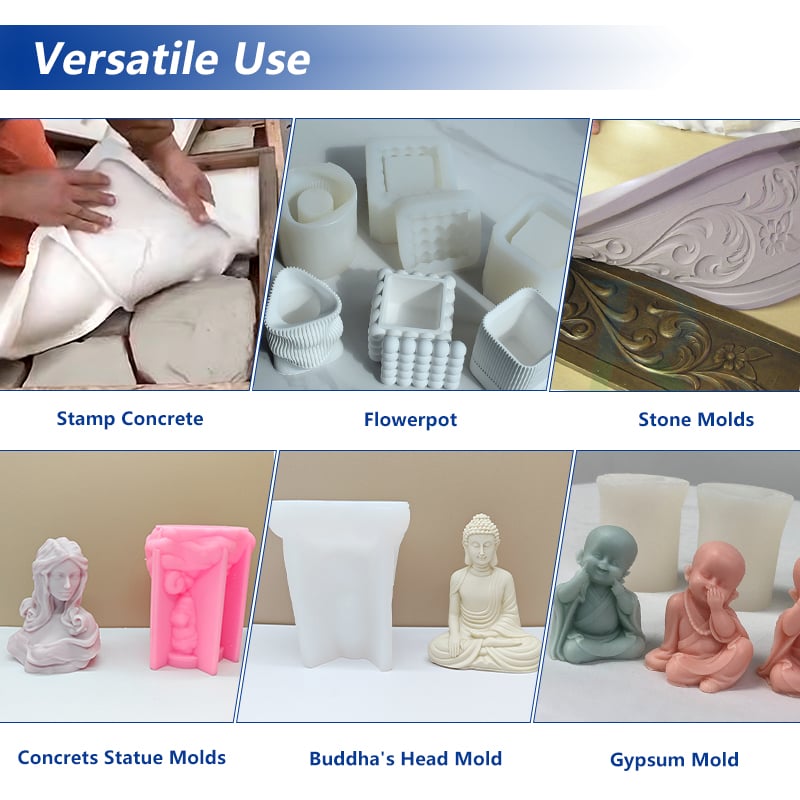
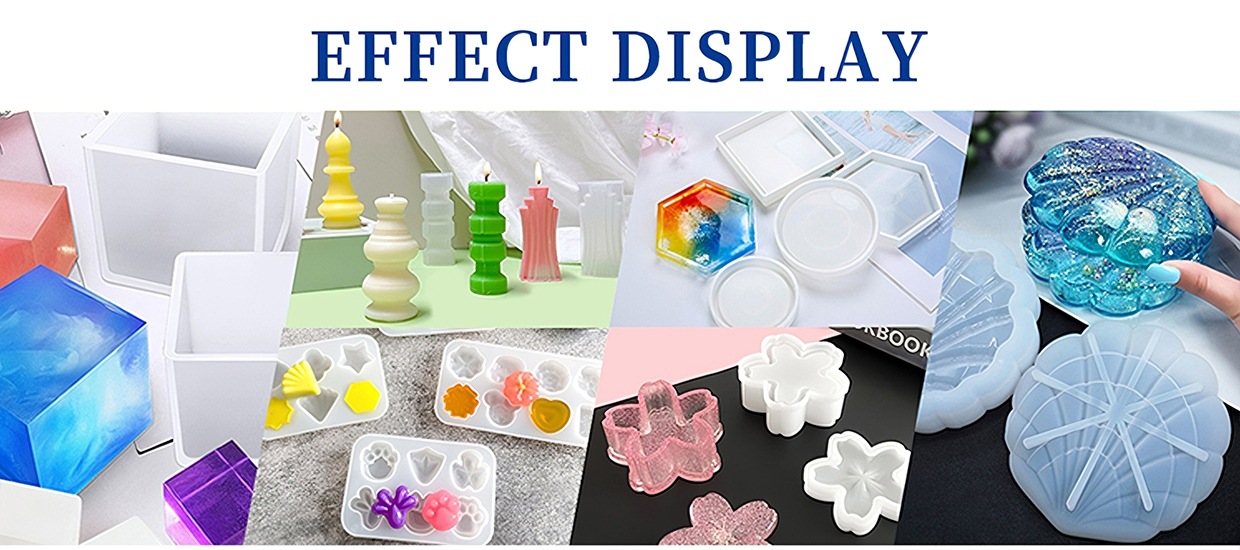
A. 3D Printed Master Replication
When using SLA or DLP printed masters with fine layer lines, this ultra-low viscosity silicone flows into every groove, reproducing the exact surface texture—whether smooth or intentionally textured. Perfect for designers who want to preserve 3D print characteristics.
B. Micro-Fluidic Device Molds
Researchers and engineers creating micro-fluidic channels for medical diagnostics or lab-on-a-chip applications rely on this silicone to fill narrow channels without air bubbles, enabling precise experimental devices with consistent performance.
C. Detailed Botanical Casting
Artists casting delicate botanical specimens like leaves, flowers, and insects use this material to capture every vein, texture, and subtle detail without damaging the original. The low viscosity ensures complete coverage without pressure.
D. Complex Industrial Prototypes
For prototypes with internal channels, deep recesses, or complex geometries, this silicone ensures complete mold filling, producing accurate parts for functional testing that would be impossible with standard materials.
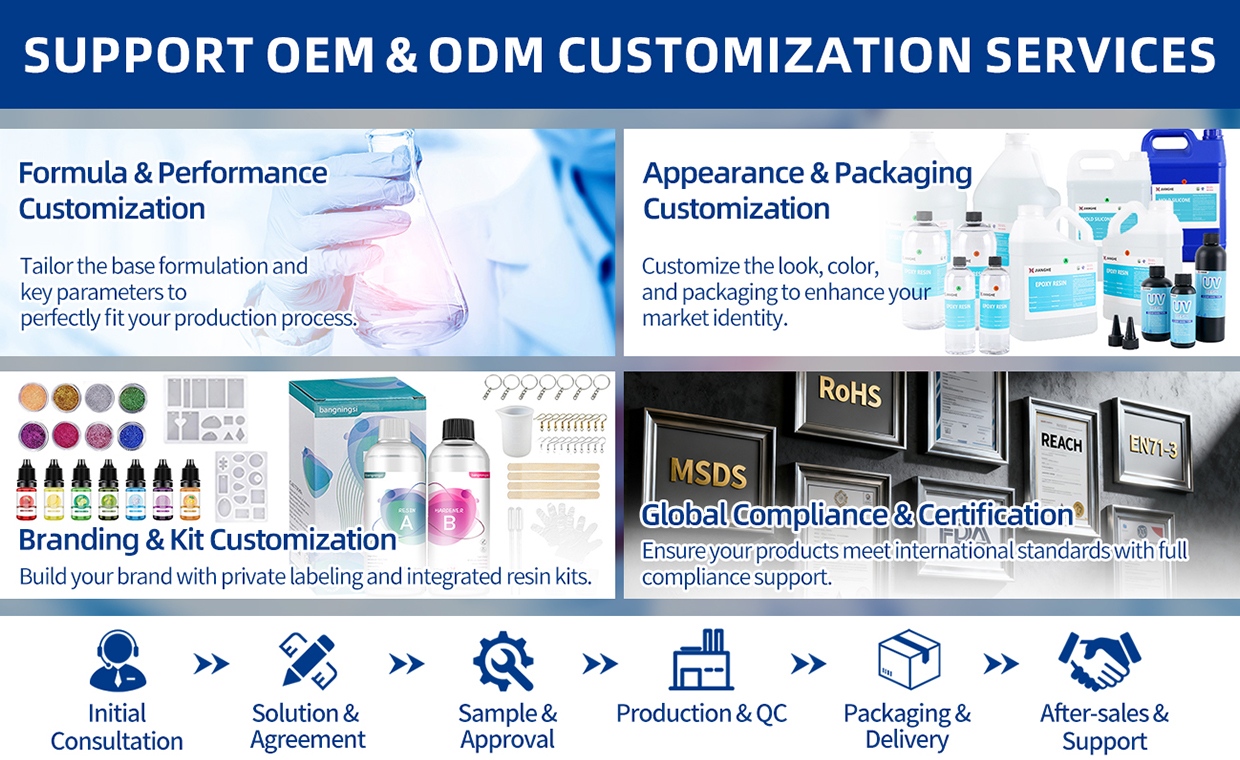
Custom Viscosity Tuning for Specialized Applications
We work with technical clients to develop silicone with precise flow characteristics:
1. Targeted Viscosity Ranges: Match your specific cavity dimensions and aspect ratios;
2. Working Time Adjustment: Balance flow and cure for your unique process;
3. Technical Consultation: Our engineers advise on mold design for optimal flow;
4. Confidential Development: NDAs protect your proprietary applications;
5. Scale-Up Support: From R&D quantities to full production volumes;
6. Application Testing: We help validate formulations for your specific needs.
👉 [Discuss Your Custom Viscosity Requirements]
Why Engineers and Technical Professionals Choose Jianghe Silicone:
1. Viscosity Control Expertise: We don't just make silicone—we engineer precise flow characteristics;
2. Consistent Batch Performance: Critical for validated processes and repeatable results;
3. Technical Partnership: We help solve complex molding challenges;
4. Scalable Production: From R&D quantities to full manufacturing scale;
5. Advanced Testing: Each batch verified for flow properties;
6. Global Technical Support: Engineers available for consultation.
👉 [Request Technical Data Sheet]
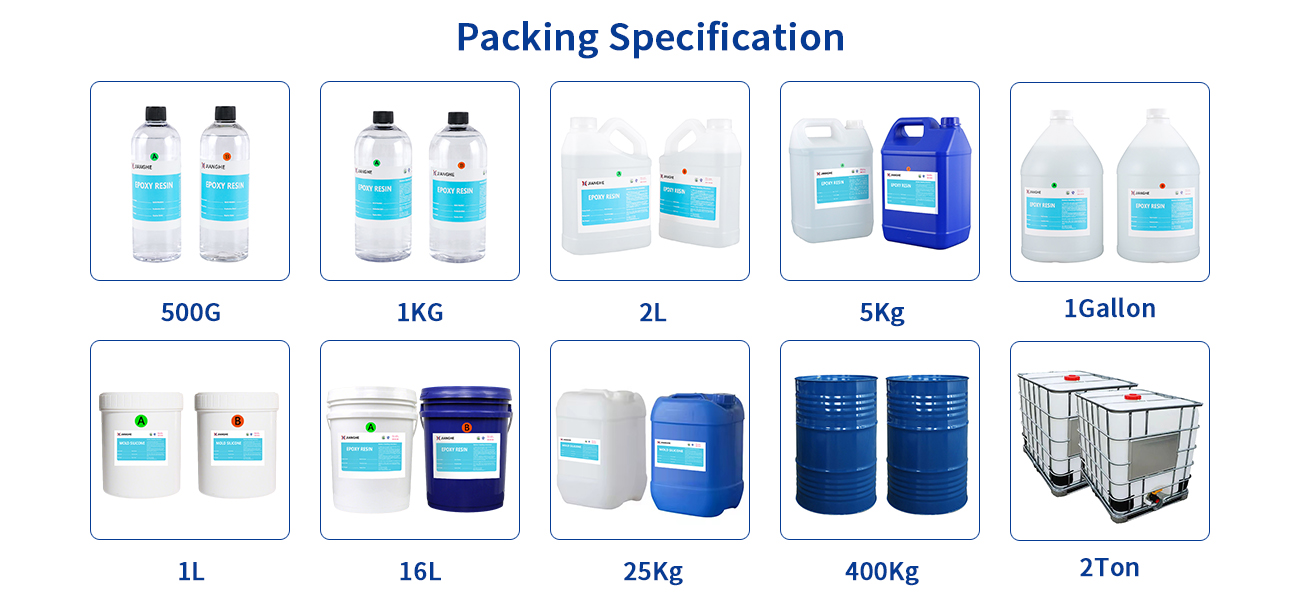
If You Need Customized Packaging Or Other Specifications, Please Contact Us.
FAQ:
Q1: Will ultra-low viscosity affect the strength of my finished mold?
A: No. Despite the low viscosity during pouring, mechanical properties remain excellent after curing. We maintain high tear and tensile strength appropriate for each hardness grade.
Q2: How do I prevent this thin silicone from leaking out of my mold box?
A: Use tighter sealing than with standard silicones. We recommend clamping the mold box securely and potentially using a gasket material at seams. Test with water first to check for leaks.
Q3: Is vacuum degassing still beneficial with such low viscosity?
A: Yes, though less critical. Vacuum will remove any remaining bubbles even faster due to the low viscosity. For critical optical applications, vacuum is still recommended.
Q4: What's the maximum depth this silicone will flow without assistance?
A: Gravity alone will fill cavities 10cm deep, depending on channel width. For very narrow channels, capillary action also assists flow.
Q5: Can I use this with flexible masters that might deform under pressure?
A: Yes, the low viscosity means you don't need pressure to fill cavities, making it ideal for delicate masters that might be damaged by forceful pouring.