Room 1008, Building 1, Cofco Yunjing, Martin Street, Heshui Kou Community, Guangming +86-13418798686 [email protected]
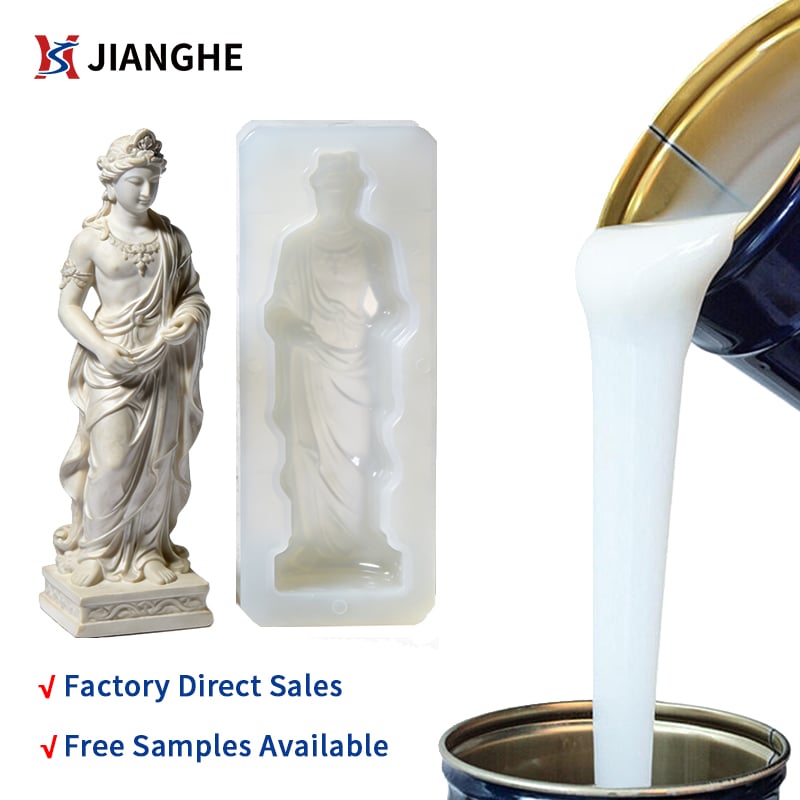
In professional mold-making and industrial casting, Liquid Silicone Rubber (LSR) is the gold standard for replicating intricate details with high fidelity. However, for many manufacturers, the sudden onset of "cure inhibition" (where the silicone remains sticky against the master) or the degradation of the mold surface after repeated use can lead to significant financial losses. At JH Epoxy, we approach silicone chemistry from a problem-solving perspective. Understanding the molecular triggers of mold failure is the first step toward doubling or even tripling your mold’s cycle life.
Before diving into solutions, note that typical LSR molds under high-volume production fail after 80–120 cycles. With the protocols below, users routinely achieve 250+ cycles from the same mold.
1. The Science of Silicone Inhibition: Identifying the "Catalyst Killers"
If you are utilizing Platinum Cured Silicone (also known as addition-cure silicone), you are working with a highly sophisticated platinum catalyst system. While this system offers superior dimensional stability and zero shrinkage, it is chemically fragile.
What is Inhibition? Inhibition occurs when the platinum catalyst encounters "poisonous" chemical elements, which neutralize the catalyst and prevent the liquid polymer from cross-linking. The result is a sticky, uncurable mess at the interface of the mold and the master.
The Prime Suspects:
2. Solving the Mystery of Sticky Molds
A sticky mold surface is not always a sign of inhibition; it can also be a symptom of environmental or ratio errors.
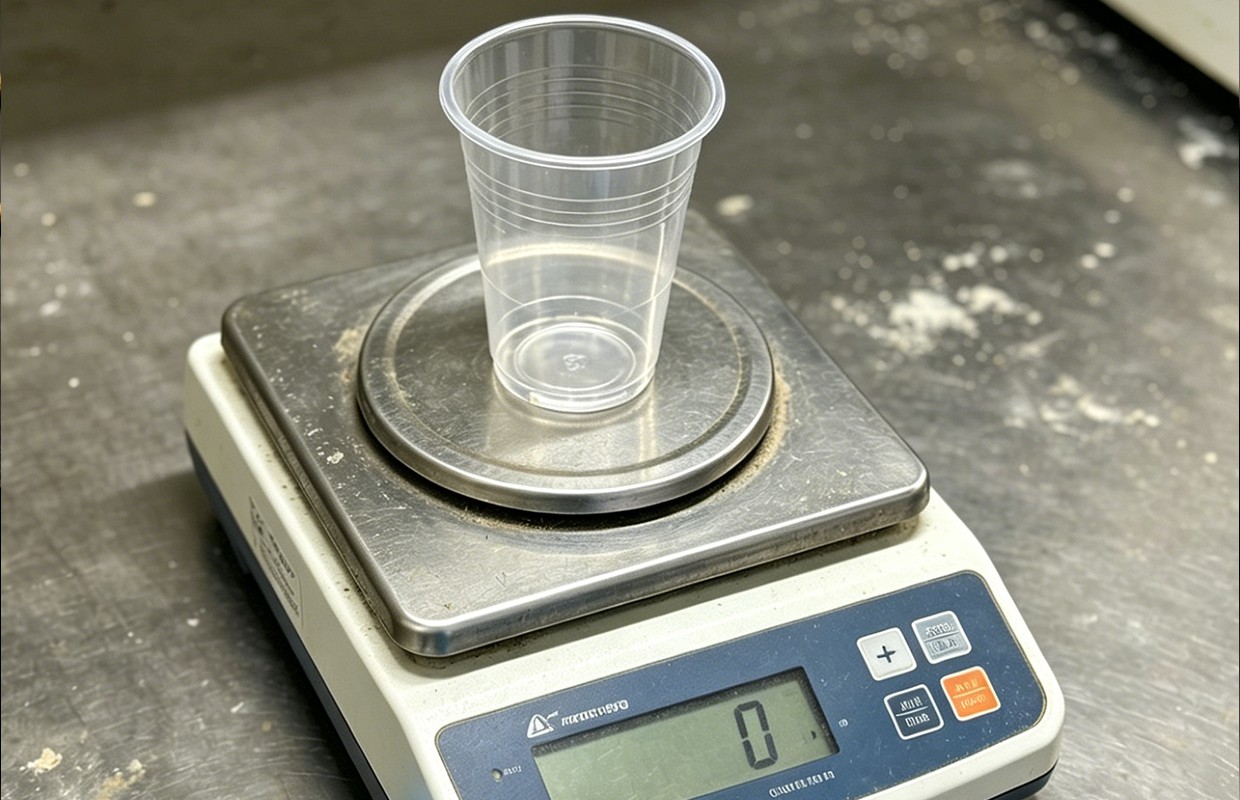
Mixing Ratio Discrepancies: Unlike epoxy, silicone is sensitive to the accuracy of its weight. A deviation of even 2% in Platinum Cured Silicone can lead to a soft cure. Always use a digital scale and avoid volume-based mixing for industrial-grade projects.
Humidity and Moisture: While Tin Cured Silicone requires a small amount of humidity to trigger its reaction, excessive moisture can lead to an uneven cure and a "greasy" surface. Ensure your workshop maintains a controlled humidity level below 50% for optimal results.
Chemical Migration: Over multiple casting cycles, resins (especially those with aggressive monomers) can migrate into the microscopic pores of the silicone. This causes the silicone to lose its "slip" and become tacky, eventually leading to mold tearing.
Temperature also matters. Cold silicone (below 18°C/64°F) cures slower and may remain tacky for 24+ hours. Warm your A and B components to 23–25°C before mixing if your shop runs cool.
3. Strategic Maintenance to Extend Cycle Life
To maximize the Return on Investment (ROI) of your molds, JH Epoxy recommends the following laboratory-verified maintenance steps:
4. The JH Epoxy Advantage: High Tear Strength Formulations
The ultimate lifespan of a mold begins with the choice of Liquid Silicone Rubber. At JH Epoxy, our R&D focus is on "Molecular Resilience." Our platinum-cured series is engineered with a high cross-link density that provides exceptional Tear Strength and chemical resistance.
Whether you are performing electronic potting, automotive prototyping, or high-volume craft manufacturing, our LSR formulas are designed to withstand the aggressive chemistry of modern resins. We ensure our materials meet RoHS and REACH standards, providing a safe and reliable solution for manufacturers in over 100 countries.
For customers running inhibition-sensitive applications (e.g., casting onto UV-cured 3D prints), we offer custom-formulated barrier-compatible LSR grades. Contact our engineering team for a compatibility test kit.
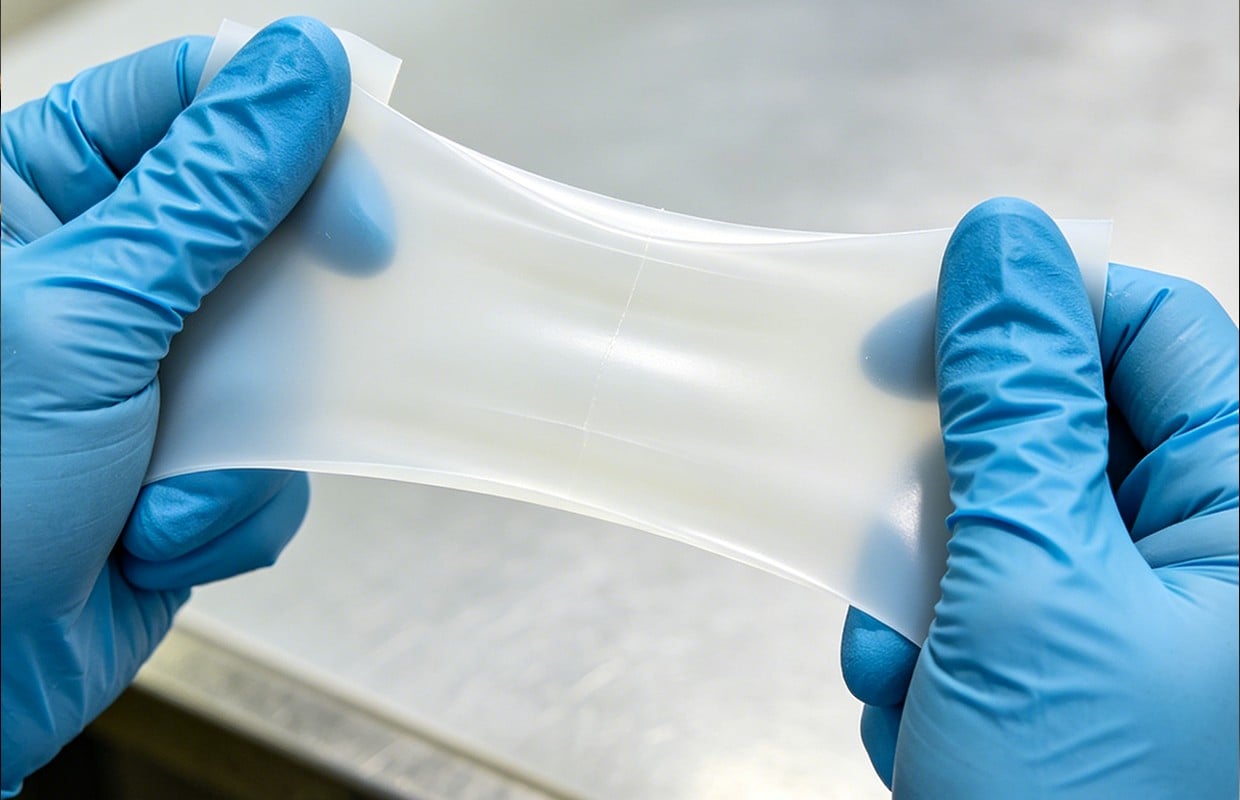
Combating mold inhibition and stickiness is a matter of technical discipline. By identifying reactive substrates early, maintaining strict mixing protocols, and choosing high-performance materials like those from JH Epoxy, you can significantly reduce your material waste and production downtime. For custom formulations or technical assistance with specific substrates, contact our engineering team today.
 Hot News
Factory-backed material solutions for manufacturers, brands and distributors worldwide. We specialize in liquid silicone rubber, epoxy resin, flooring materials and related products, providing reliable manufacturing, OEM customization and stable global supply.
Copyright © 2026 Shenzhen Jianghe New Materials Technology Co., Ltd.All rights reserved. Privacy Policy
 EN
EN