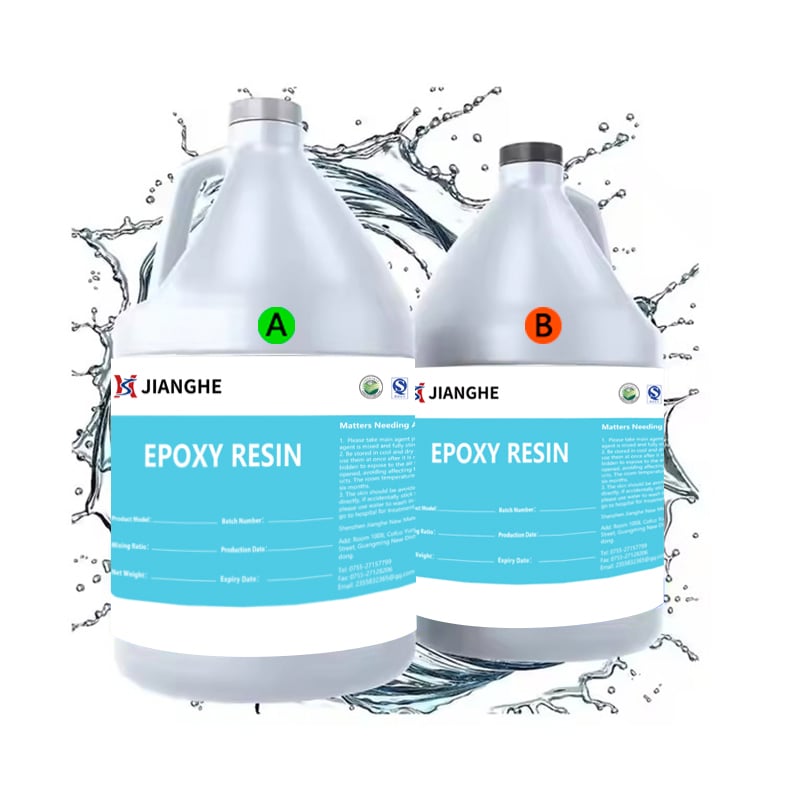
Premium Epoxy Resin and Hardener for Carbon Fiber Composites - Superior Performance Solutions

All Categories

Get a Tailored Solution

Provide your details below, and our material experts will contact you with a competitive quote and technical support within 24 hours.
Email
Name
Company Name
Message
0/1000

epoxy resin and hardener for carbon fiber

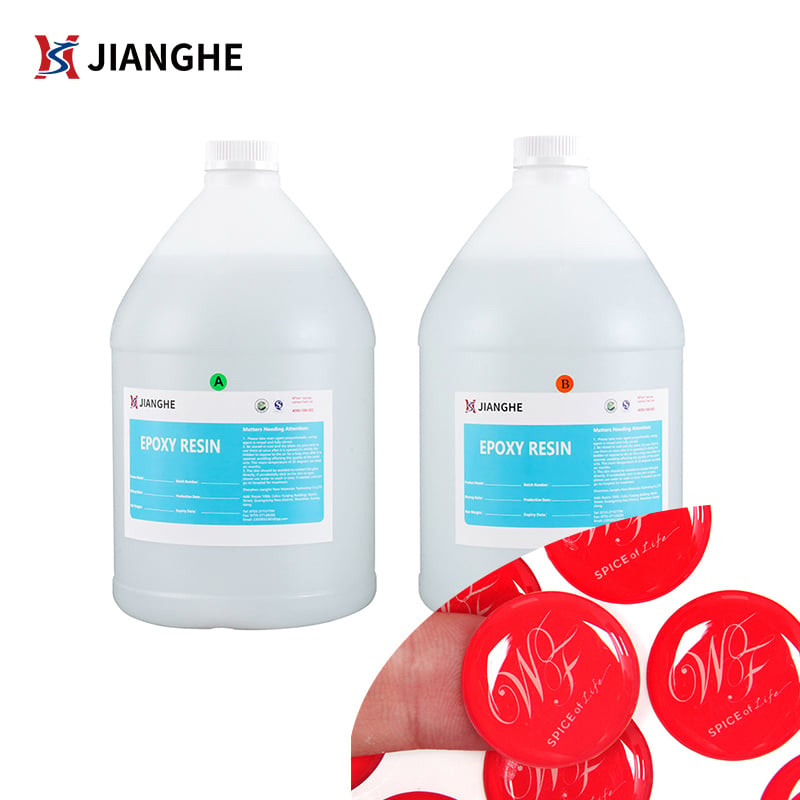
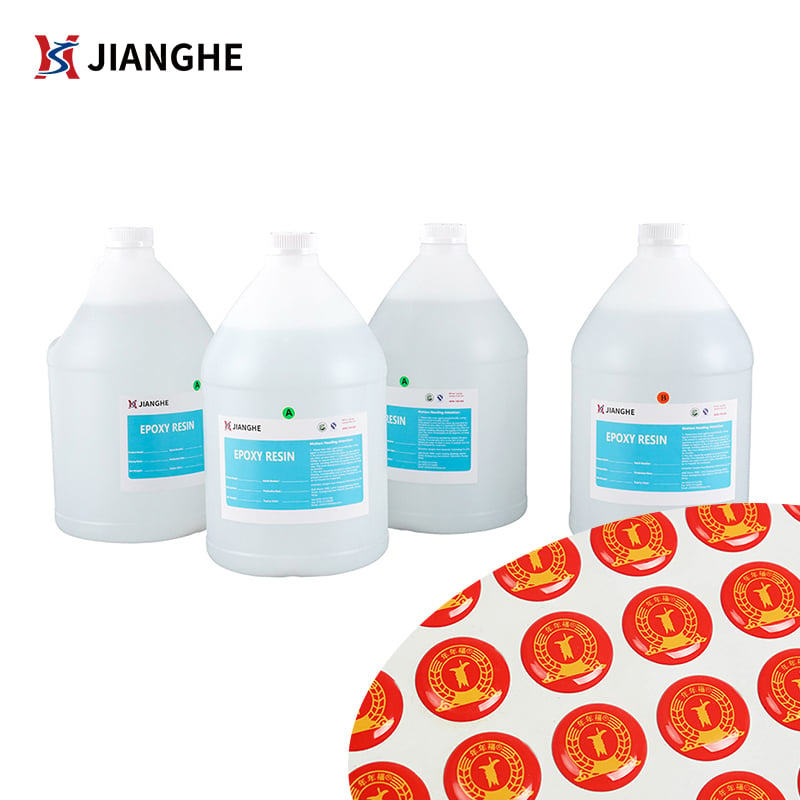
Epoxy resin and hardener for carbon fiber represents a sophisticated chemical bonding system designed specifically for composite manufacturing applications. This two-component system consists of thermosetting polymer resins that, when combined with specialized hardeners, create an exceptionally strong matrix material for carbon fiber reinforcement. The primary function of epoxy resin and hardener for carbon fiber involves creating a durable composite structure that maximizes the inherent strength properties of carbon fibers while providing excellent adhesion, chemical resistance, and dimensional stability. The technological features of epoxy resin and hardener for carbon fiber include low viscosity formulations that ensure complete fiber wet-out, controlled cure rates that allow proper processing times, and superior mechanical properties once fully cured. These systems typically exhibit excellent temperature resistance, often maintaining structural integrity at elevated temperatures up to 180°C or higher depending on the specific formulation. The epoxy resin and hardener for carbon fiber also demonstrates remarkable fatigue resistance, making it ideal for cyclical loading applications. Applications for epoxy resin and hardener for carbon fiber span across numerous industries including aerospace, automotive, marine, sporting goods, and industrial manufacturing. In aerospace applications, this system creates lightweight yet incredibly strong components for aircraft structures, while automotive manufacturers utilize epoxy resin and hardener for carbon fiber to produce high-performance body panels and structural elements. Marine applications benefit from the excellent moisture resistance properties, and sporting goods manufacturers rely on the superior strength-to-weight ratio for creating professional-grade equipment. The versatility of epoxy resin and hardener for carbon fiber extends to repair applications, tooling fabrication, and prototype development across various manufacturing sectors.

New Product Releases

The advantages of epoxy resin and hardener for carbon fiber deliver exceptional value for manufacturers and end users seeking superior composite materials. First, this system provides unmatched strength-to-weight ratios that significantly outperform traditional materials like steel or aluminum. When you use epoxy resin and hardener for carbon fiber, you achieve structural components that weigh substantially less while maintaining or exceeding the mechanical properties of heavier alternatives. This weight reduction translates directly into improved fuel efficiency for vehicles, enhanced performance in sporting equipment, and reduced structural loads in building applications. The excellent adhesion properties of epoxy resin and hardener for carbon fiber ensure that the resin matrix bonds completely with carbon fibers, creating a unified composite structure that distributes loads effectively throughout the material. This comprehensive bonding eliminates weak points and delamination issues that plague inferior resin systems. Temperature stability represents another significant advantage, as epoxy resin and hardener for carbon fiber maintains its mechanical properties across wide temperature ranges, making it suitable for applications exposed to extreme environmental conditions. The chemical resistance of epoxy resin and hardener for carbon fiber protects against corrosion, fuel exposure, and various industrial chemicals, extending component service life and reducing maintenance requirements. Processing advantages include extended working times that allow complex lamination procedures, low shrinkage during cure that maintains dimensional accuracy, and excellent surface finish characteristics that often eliminate secondary finishing operations. The durability of epoxy resin and hardener for carbon fiber ensures long-term performance with minimal degradation, providing cost-effective solutions over extended service periods. Quality control benefits include consistent batch-to-batch properties, predictable cure characteristics, and reliable mechanical performance that meets stringent industry specifications. These practical advantages make epoxy resin and hardener for carbon fiber the preferred choice for demanding applications where performance, reliability, and cost-effectiveness are critical factors.

Latest News

How Is Liquid Silicone Rubber Used in Professional Mold Making?

24

Dec

How Is Liquid Silicone Rubber Used in Professional Mold Making?

Practical Applications of Liquid Silicone Rubber in Professional Manufacturing Liquid Silicone Rubber plays a central role in professional making environments where precision, repeatability, and material reliability are critical. In contrast to hobby...
View More
How Can Buyers Assess Long-Term Reliability of a Resin Manufacturer?

11

Dec

How Can Buyers Assess Long-Term Reliability of a Resin Manufacturer?

Building Confidence in a Sustainable Manufacturing Partner Selecting a reliable Resin Manufacturer is a strategic decision that directly affects product quality, delivery stability, and long-term cooperation efficiency. For buyers sourcing epoxy resi...
View More
What Factors Limit the Service Life of Mold Making Silicone?

16

Jan

What Factors Limit the Service Life of Mold Making Silicone?

Understanding the Service Life of Mold Making Silicone Mold making silicone is widely used by manufacturers, artisans, and industrial professionals for its flexibility, durability, and precision. Despite its many advantages, the service life of mold ...
View More
How Does River Table Epoxy Control Exothermic Reaction and Cracking?

28

Jan

How Does River Table Epoxy Control Exothermic Reaction and Cracking?

Managing Exothermic Reactions and Cracking in River Table Epoxy River Table Epoxy has become a favorite material for designers and artisans who create stunning river tables, countertops, and artistic pieces. Its clarity, durability, and versatility m...
View More

Get a Free Quote

Our representative will contact you soon.
Email
Name
Company Name
Message
0/1000

epoxy resin and hardener for carbon fiber

Superior Mechanical Performance and Structural Integrity

Superior Mechanical Performance and Structural Integrity

The superior mechanical performance of epoxy resin and hardener for carbon fiber stems from its ability to create an optimal matrix system that maximizes carbon fiber reinforcement effectiveness. This advanced formulation achieves tensile strengths exceeding 3500 MPa when properly processed, while maintaining exceptional flexural properties that resist bending and deformation under load. The epoxy resin and hardener for carbon fiber develops a cross-linked polymer network during cure that creates strong intermolecular bonds, resulting in a rigid matrix that effectively transfers loads between individual carbon fibers. This load transfer mechanism ensures that stress distributions remain uniform throughout the composite structure, preventing localized failure points that could compromise overall component integrity. The impact resistance of epoxy resin and hardener for carbon fiber surpasses many alternative resin systems, absorbing and dissipating energy during sudden loading events without catastrophic failure. Fatigue resistance represents another critical performance parameter, as epoxy resin and hardener for carbon fiber maintains its mechanical properties through millions of stress cycles without significant degradation. This fatigue resistance proves essential in applications such as aircraft components, wind turbine blades, and automotive suspension elements where repeated loading occurs throughout the service life. The modulus of elasticity achieved with epoxy resin and hardener for carbon fiber provides the right balance between stiffness and flexibility, ensuring components maintain their shape under load while avoiding brittle failure modes. Compression strength capabilities allow epoxy resin and hardener for carbon fiber composites to support substantial loads without buckling or deformation, making them ideal for structural applications where compressive forces are significant. The shear strength properties ensure that layers within laminated structures remain bonded together under complex loading conditions, preventing delamination that could lead to progressive failure modes.
Advanced Processing Characteristics and Manufacturing Efficiency

Advanced Processing Characteristics and Manufacturing Efficiency

The advanced processing characteristics of epoxy resin and hardener for carbon fiber enable efficient manufacturing operations while maintaining consistent quality standards across production runs. The viscosity profile of epoxy resin and hardener for carbon fiber is carefully engineered to provide optimal flow characteristics during application, ensuring complete fiber wet-out while preventing excessive resin flow that could create resin-rich areas or dry spots. This controlled viscosity allows manufacturers to achieve uniform resin distribution throughout complex geometries and thick laminate sections without compromising fiber volume fractions. The pot life or working time of epoxy resin and hardener for carbon fiber provides sufficient processing windows for complex layup procedures, allowing fabricators to complete intricate parts without rushing through critical manufacturing steps. This extended working time proves particularly valuable in large component manufacturing where multiple layers must be applied sequentially or when hand layup techniques require careful attention to detail. The cure profile of epoxy resin and hardener for carbon fiber can be tailored to match specific manufacturing requirements, whether rapid production cycles demand fast cure formulations or precision applications require slower cure rates for optimal consolidation. Temperature cure schedules for epoxy resin and hardener for carbon fiber accommodate various manufacturing environments, from room temperature cure systems suitable for field repairs to elevated temperature cure formulations that achieve maximum performance properties. The low exothermic heat generation during cure prevents thermal damage to substrates and reduces internal stresses that could cause warpage or dimensional instability. Vacuum bagging compatibility ensures that epoxy resin and hardener for carbon fiber works effectively with advanced manufacturing techniques that remove entrapped air and achieve optimal fiber compaction. The shelf stability of epoxy resin and hardener for carbon fiber components allows for convenient inventory management and reduces waste associated with expired materials, contributing to overall manufacturing cost effectiveness and operational efficiency.
Exceptional Environmental Resistance and Long-Term Durability

Exceptional Environmental Resistance and Long-Term Durability

The exceptional environmental resistance of epoxy resin and hardener for carbon fiber ensures reliable performance across diverse operating conditions while maintaining structural integrity throughout extended service periods. Chemical resistance properties protect against exposure to fuels, hydraulic fluids, cleaning solvents, and various industrial chemicals commonly encountered in aerospace, automotive, and marine environments. This chemical resistance prevents matrix degradation that could weaken the carbon fiber composite and compromise its load-carrying capabilities over time. The moisture resistance of epoxy resin and hardener for carbon fiber minimizes water absorption that could cause dimensional changes, reduce mechanical properties, or promote freeze-thaw damage in outdoor applications. UV resistance characteristics protect against photodegradation when components are exposed to direct sunlight, maintaining both mechanical properties and aesthetic appearance without requiring additional protective coatings. Temperature cycling resistance allows epoxy resin and hardener for carbon fiber composites to withstand repeated thermal expansion and contraction without developing micro-cracks or delamination that could propagate into larger defects. The thermal stability of epoxy resin and hardener for carbon fiber maintains glass transition temperatures well above typical service temperatures, ensuring that mechanical properties remain stable during normal operation and temporary temperature excursions. Oxidation resistance prevents long-term degradation in high-temperature applications where other polymer matrices might experience chain scission or cross-link degradation. The electrical properties of epoxy resin and hardener for carbon fiber provide controlled conductivity characteristics that can be tailored for specific applications, whether requiring electrical insulation or controlled conductivity for lightning strike protection. Creep resistance ensures that epoxy resin and hardener for carbon fiber composites maintain their dimensional stability under sustained loading conditions, preventing gradual deformation that could affect component fit and function. The barrier properties protect underlying substrates from environmental exposure while maintaining the integrity of bonded joints and structural connections throughout the component service life, contributing to overall system reliability and reduced maintenance requirements.

Get Samples & Support

Email
Name
Company Name
Country/Region
What Are You Making
Single Choice
Estimated Monthly Usage
Single Choice
Message
0/1000