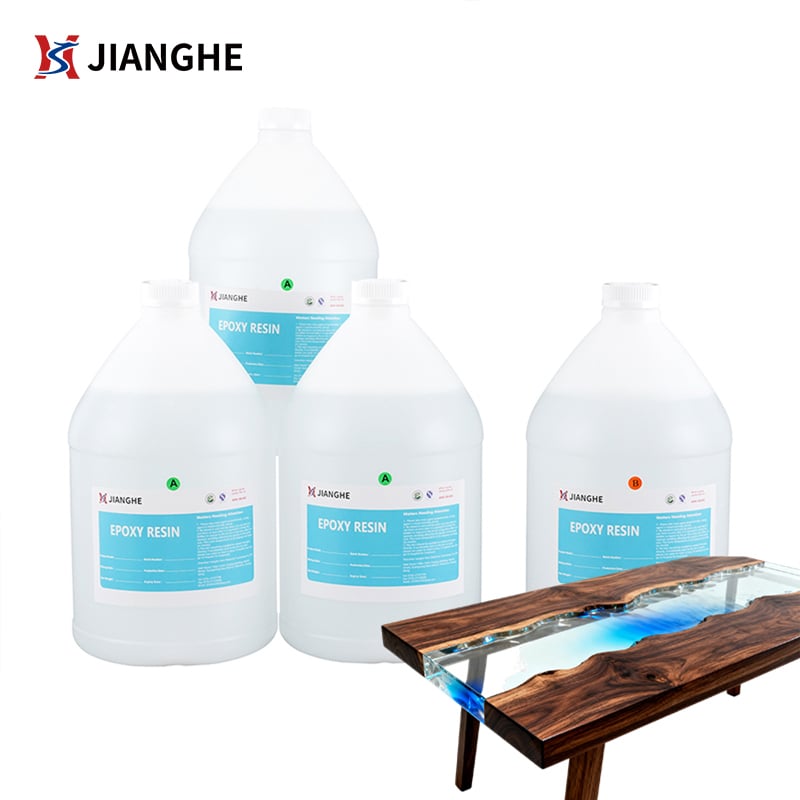
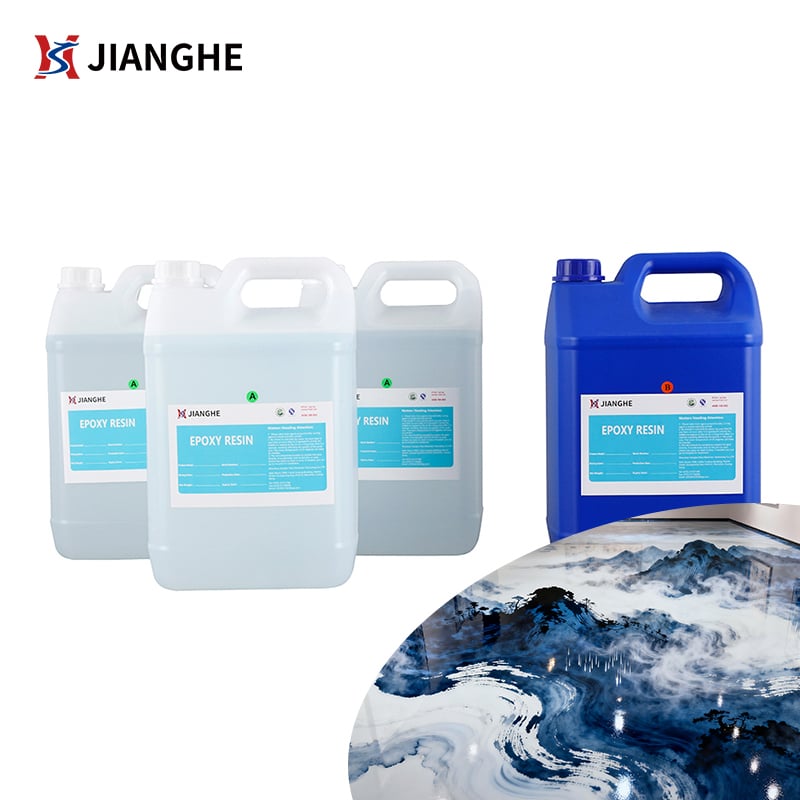
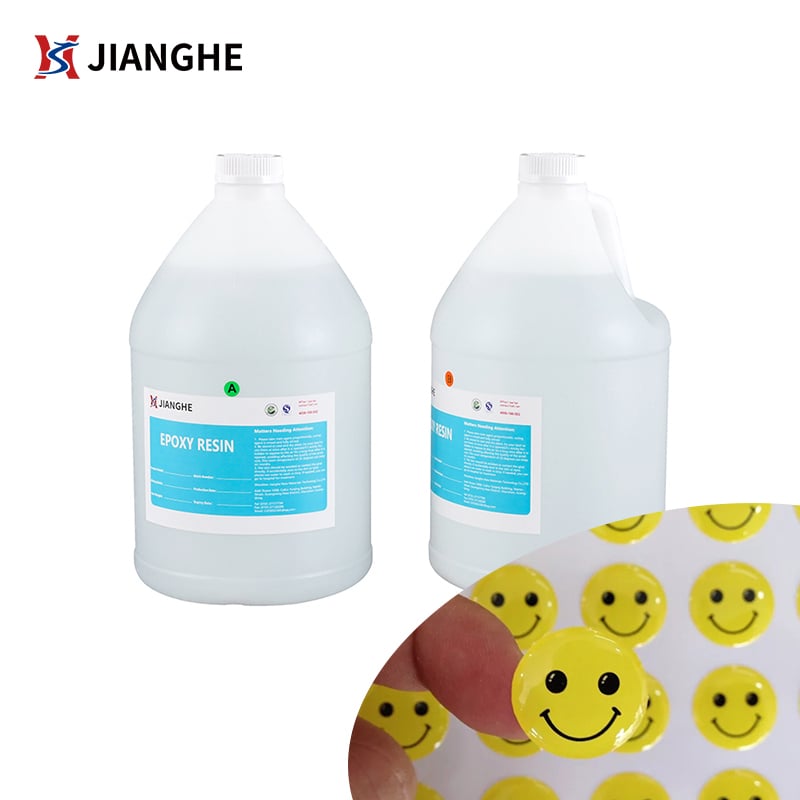
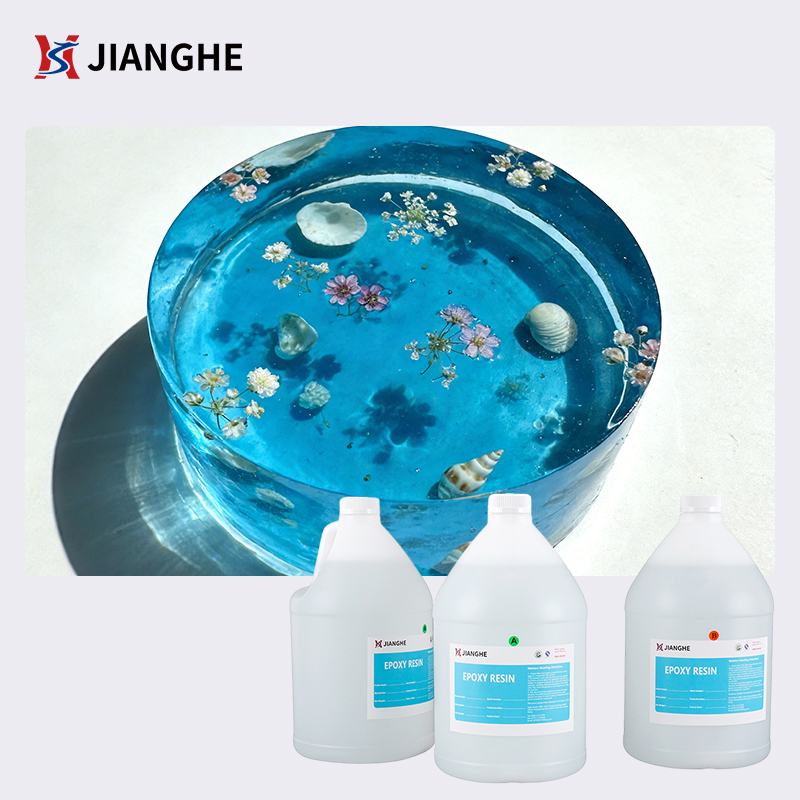
epoxy resin for countertops
Epoxy resin for countertops represents a revolutionary solution for homeowners and businesses seeking durable, aesthetically appealing surface finishes. This advanced material combines epoxy resin with hardeners to create a seamless, high-performance coating that transforms ordinary countertops into stunning focal points. The primary function of epoxy resin for countertops is to provide a protective barrier that resists stains, scratches, and moisture while delivering a glossy, professional appearance.
Technologically, epoxy resin for countertops features impressive specifications. The material achieves exceptional hardness when fully cured, creating surfaces that withstand heavy daily use. Its low volatile organic compound formulation ensures environmental compliance and safer application conditions. The resin bonds chemically with substrate surfaces, creating permanent adhesion that prevents peeling or separation over time.
Epoxy resin for countertops applications span residential kitchens, commercial food service areas, laboratory workstations, and retail displays. The versatility extends to both new installations and renovation projects where existing countertops require upgrading. Users appreciate the customization options, including color pigments, metallic effects, and decorative aggregates that transform standard epoxy resin for countertops into unique design statements.
The curing process produces non-porous surfaces that eliminate harboring spaces for bacteria and contaminants, making epoxy resin for countertops ideal for hygiene-sensitive environments. Superior UV resistance maintains color vibrancy under prolonged sun exposure, while thermal stability ensures performance consistency across varying temperature conditions.

 EN
EN