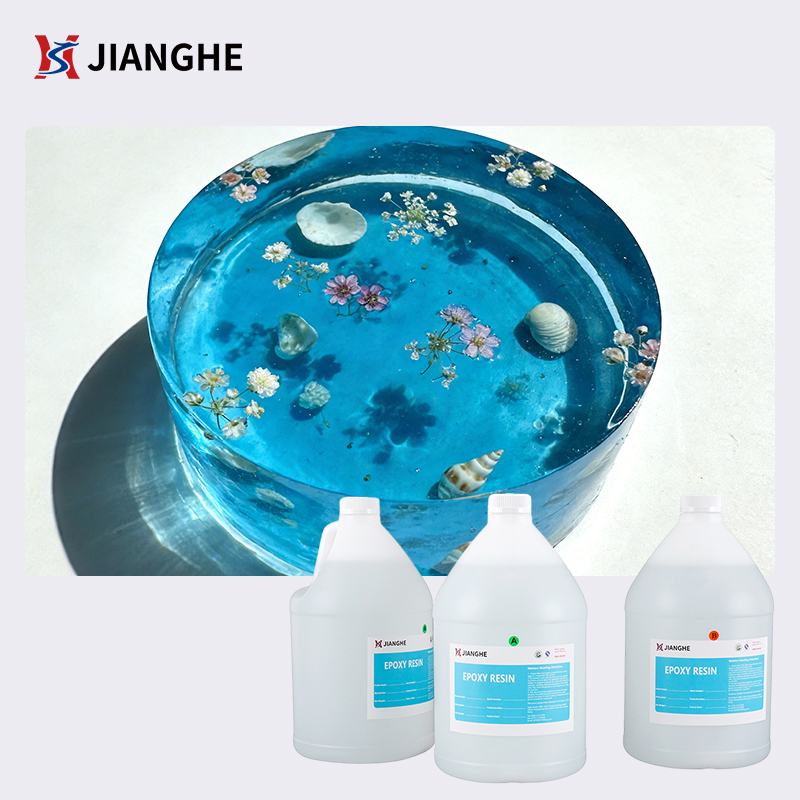
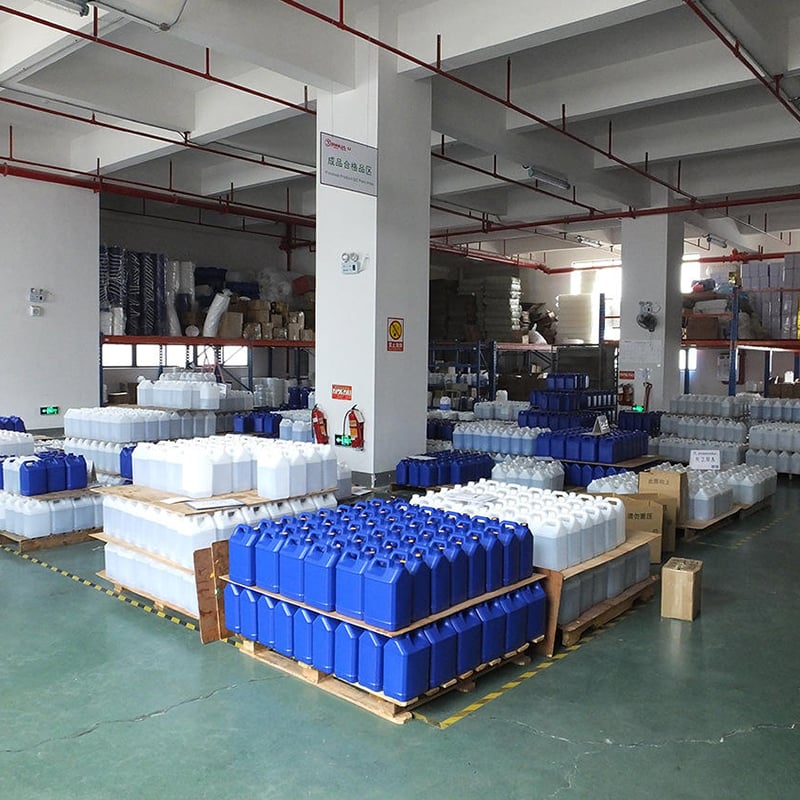
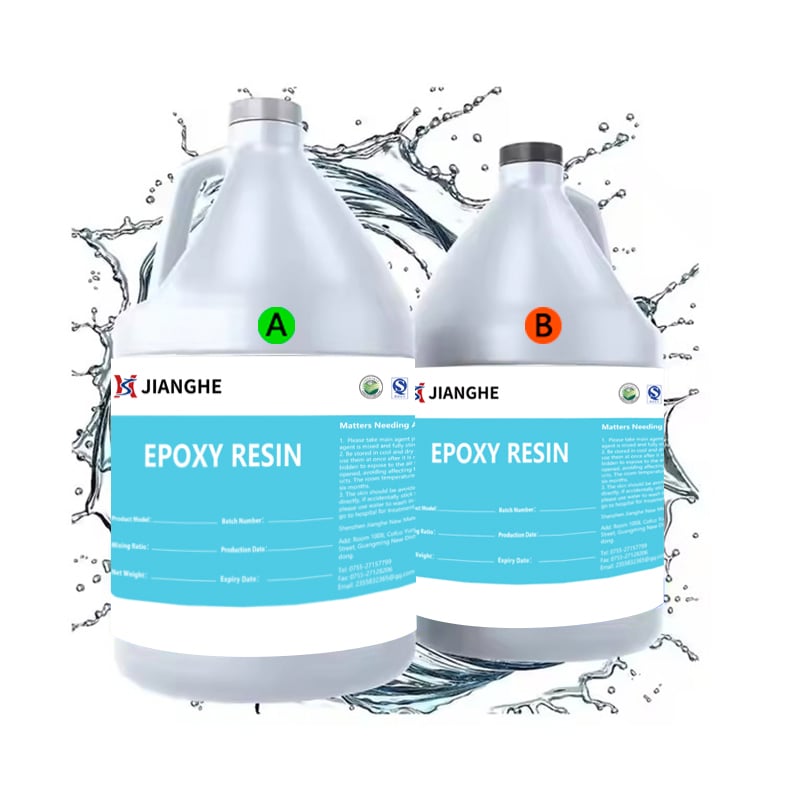
marine epoxy resin
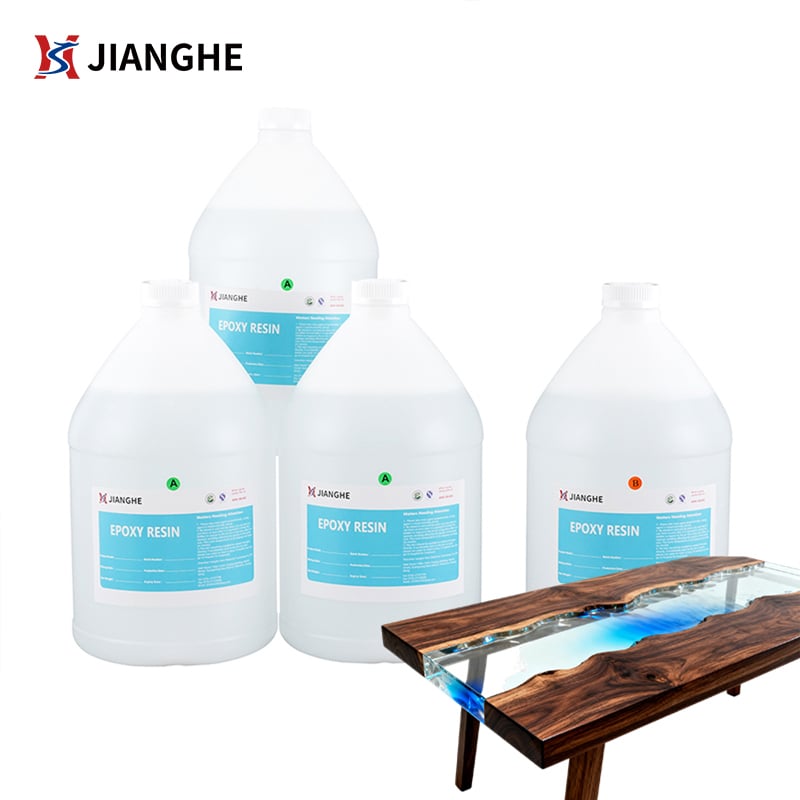
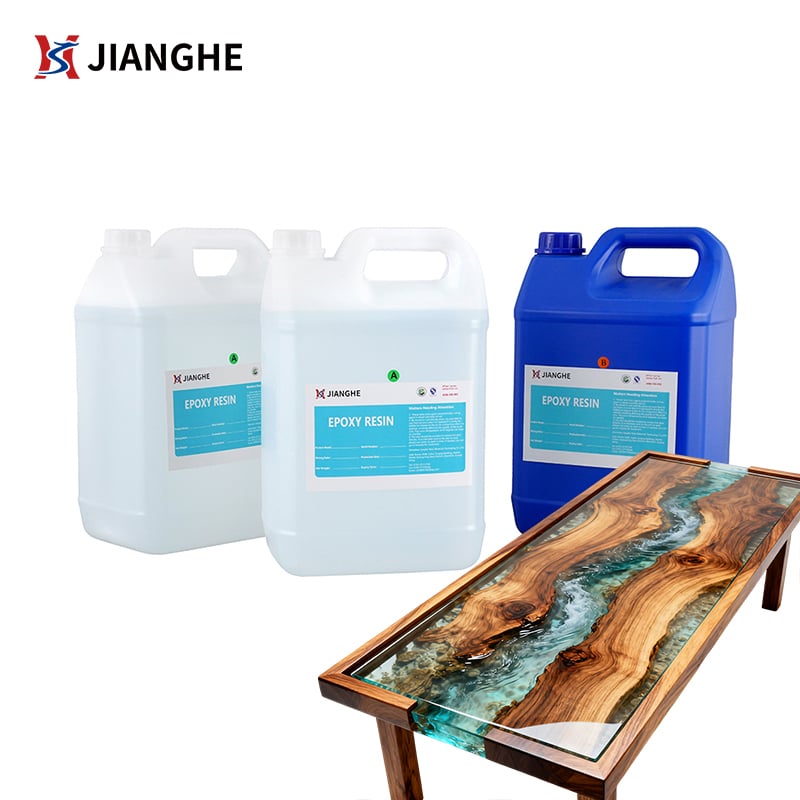
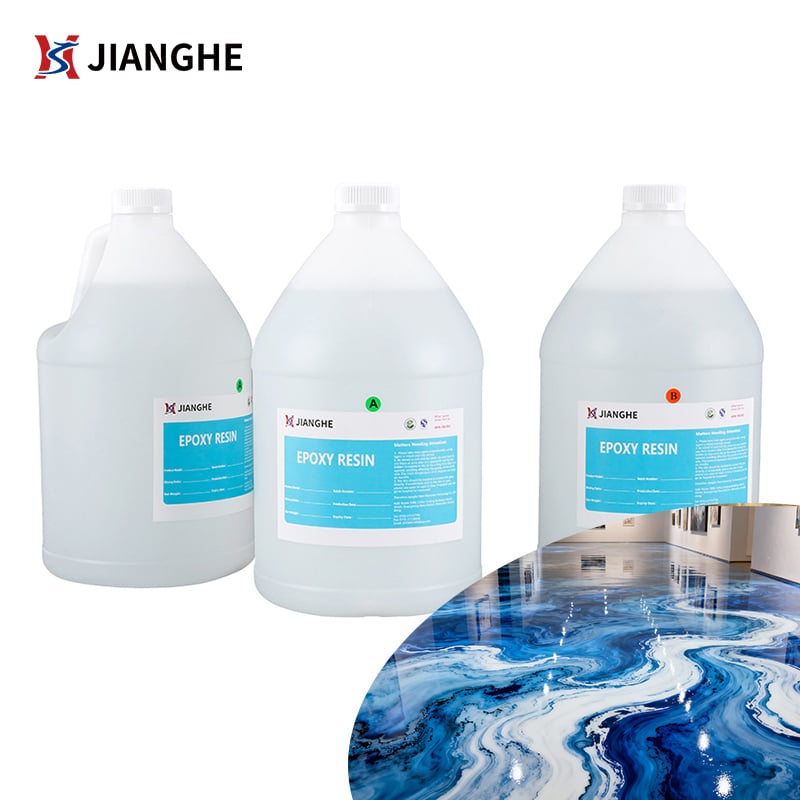
Marine epoxy resin represents a specialized formulation designed to deliver exceptional performance in demanding aquatic environments. This versatile adhesive and coating material combines polymer chemistry with marine-grade durability, making it the ideal choice for boat builders, ship maintenance professionals, and watercraft enthusiasts. Marine epoxy resin offers superior water resistance, preventing moisture infiltration and corrosion that typically compromise traditional adhesives in saltwater conditions.
The primary function of marine epoxy resin is to create strong, waterproof bonds between materials exposed to harsh marine conditions. Whether used for hull repairs, deck installations, or structural reinforcements, marine epoxy resin provides lasting adhesion and protection. The technological features of marine epoxy resin include advanced formulations that cure efficiently even in humid environments, maintaining structural integrity despite constant exposure to salt spray and UV radiation.
Applications for marine epoxy resin extend across numerous industries. Commercial fishing vessels rely on it for deck maintenance and hull restoration. Recreational boating enthusiasts use marine epoxy resin for repair projects and custom modifications. Offshore construction teams depend on its reliability for structural bonding in challenging conditions. The material's versatility makes it invaluable for fiberglass repairs, wood reinforcement, and metal substrate preparation. Marine epoxy resin establishes itself as an essential material for anyone working with watercraft or marine infrastructure, delivering confidence through proven performance and consistent results in saltwater environments.

 EN
EN