
 EN
EN
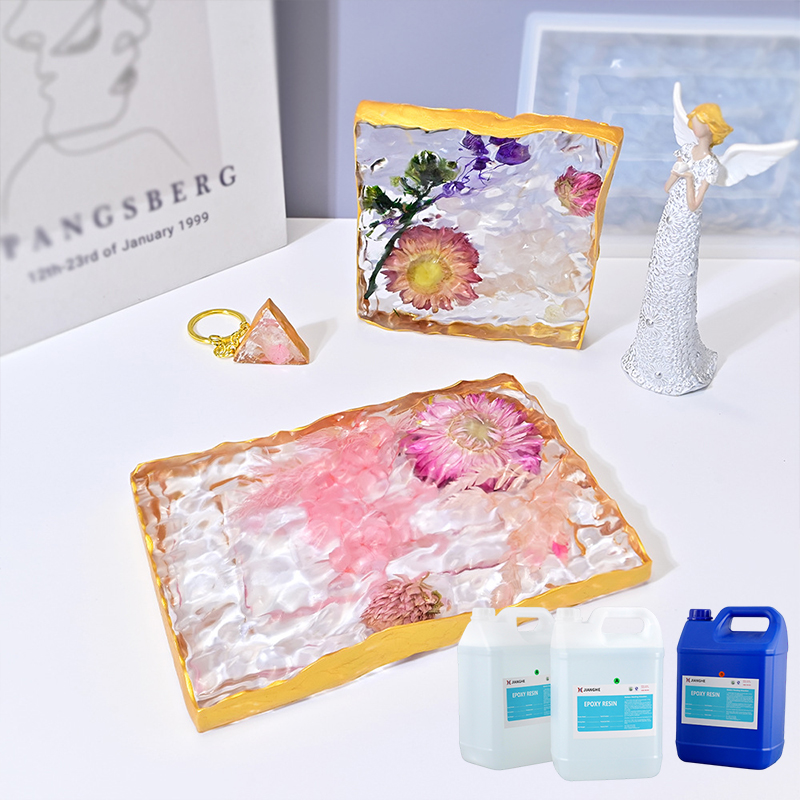
When artists, jewelers, and designers invest time in crafting pieces with art resin, one of the most critical performance factors they face is color stability. Professional art resin applications demand materials that maintain their visual clarity over time, because even minor yellowing or tinting can compromise months of skilled work. Understanding why color stability is so essential helps professionals make smarter material choices and deliver consistently superior results.
Color-stable art resin preserves the integrity of pigments, embedded materials, and layered designs. When art resin yellows or shifts in hue, the entire piece can look aged, damaged, or unprofessional. For anyone selling art resin work commercially, this distinction between a color-stable formula and a low-grade alternative is directly tied to customer satisfaction, product value, and professional reputation. This article explores the key reasons color stability matters and what drives degradation in art resin formulations.
Why Color Shifts Occur in Art Resin
The Chemistry Behind Art Resin Yellowing
Art resin yellowing is primarily caused by UV light exposure and oxidation. Most art resin formulations are based on epoxy chemistry, which involves amine or hardener components that are susceptible to photo-oxidation. When UV rays interact with the molecular chains inside cured art resin, they break bonds and generate chromophores — light-absorbing molecules that appear yellow or amber to the human eye. The result is a slow but visible discoloration that permanently alters the art resin surface.
Heat is another significant driver of art resin discoloration. When art resin is cured at elevated temperatures or exposed to heat over time, the thermal degradation of polymer chains accelerates color change. Artists working in warm studios or displaying art resin pieces in sunlit spaces often notice faster yellowing if their chosen art resin lacks thermal stabilizers or UV inhibitors. Understanding this chemistry is the first step toward selecting an art resin that can resist these forces.
Environmental Factors That Accelerate Art Resin Degradation
Beyond UV and heat, humidity and ambient light play ongoing roles in art resin degradation. Moisture can enter micro-pores within cured art resin, triggering hydrolysis reactions that weaken the polymer matrix and contribute to color instability. For art resin applications displayed in humid galleries, coastal environments, or unconditioned spaces, this moisture-driven degradation is a real and measurable risk. Choosing art resin with low moisture permeability and high crosslink density is essential for maintaining long-term color stability.
The Role of Color Stability in Professional Art Resin Work
Protecting Pigments and Embedded Materials
Professional art resin pieces often incorporate sensitive pigments, alcohol inks, dried botanicals, metallic powders, and other materials that react to chemical changes in their surrounding matrix. When the art resin itself shifts color, it acts as a filter over everything embedded within it. A yellow-tinted art resin layer can mute vibrant blues, distort whites, and flatten the contrast of mixed-media elements. Artists relying on precise color expression cannot afford this unpredictability in their art resin.
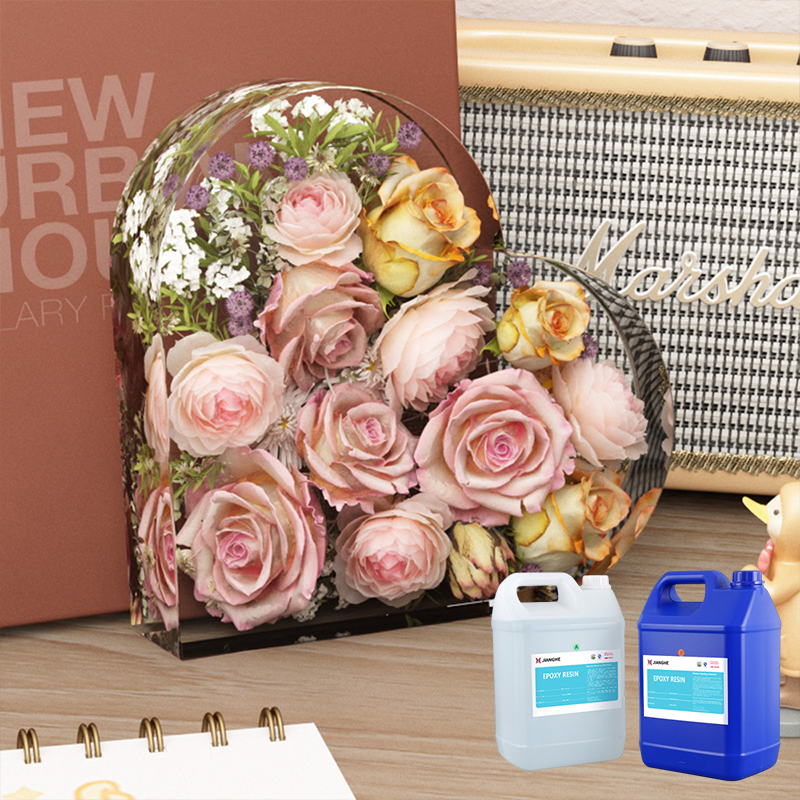
Color-stable art resin acts as a neutral, transparent carrier that allows embedded materials to appear exactly as intended. This quality is especially critical in jewelry-grade art resin applications, where small enclosed spaces amplify any visual distortion. A botanist creating preserved-flower art resin pendants or a jeweler casting gemstone-effect art resin pieces depends entirely on the clarity and neutrality of the art resin to make each piece market-ready. Any shift in art resin tone translates directly into a flawed product.
How Color Stability Affects Art Resin Product Longevity
Art resin pieces are often intended to last for years or decades. Whether displayed as wall art, sold as jewelry, or used as decorative objects, the longevity of art resin color is part of the product's value proposition. Color-stable art resin retains its clarity and neutrality long after curing, giving buyers confidence that the piece will look the same years from now as it does at purchase. By contrast, art resin that yellows within months undermines the perceived quality of the work and damages the artist's reputation.
For professional artists and small-batch manufacturers, selecting color-stable art resin is not just a technical decision — it is a business decision. Art resin that consistently maintains its appearance reduces returns, warranty issues, and customer complaints. It also reduces the need to reformulate or recast art resin pieces that fail color standards before shipping. Reliability in art resin color performance is a measurable operational advantage in any art resin-based production workflow.
Selecting Art Resin with Superior Color Stability
Key Formulation Indicators for Stable Art Resin
When evaluating art resin for professional applications, certain formulation characteristics signal better color stability. High-quality art resin typically incorporates UV absorbers that intercept photo-oxidation before it can alter the polymer chain. Art resin formulated with low-amine-blush hardeners is less prone to surface yellowing during the cure phase. Additionally, art resin with a high glass transition temperature is more resistant to thermal degradation that causes discoloration under real-world display conditions.
Professionals should also assess the art resin's ASTM or ISO yellowing resistance ratings when available. Reputable art resin suppliers provide accelerated aging test data that simulates years of UV and heat exposure in a controlled timeframe. This data helps buyers compare art resin options with confidence rather than relying solely on marketing claims. Asking for technical data sheets when sourcing art resin is a standard practice in professional settings and a reliable way to verify color stability performance.
Application Practices That Support Art Resin Color Retention
Even the best art resin benefits from proper application and curing practices that minimize color instability risks. Curing art resin in a dust-free, temperature-controlled environment reduces stress on the polymer during the hardening phase. Avoiding direct sunlight during art resin curing prevents premature UV exposure before the polymer network is fully developed. Applying a UV-protective topcoat over finished art resin pieces adds an extra barrier against environmental light degradation, extending the color life of the final work.
Storing unused art resin in cool, dark conditions preserves the pre-mix quality and prevents early degradation of hardener components that are sensitive to light and heat. Professional studios that work with art resin at scale develop strict storage and handling protocols to ensure every batch of art resin performs consistently. These practices, combined with a color-stable art resin formulation, deliver the most reliable outcomes in demanding professional applications.
FAQ
What makes an art resin color-stable over time?
Color-stable art resin typically contains UV absorbers, low-yellowing hardeners, and high crosslink density. These properties protect the art resin polymer from photo-oxidation, thermal degradation, and moisture-induced discoloration, allowing the art resin to remain clear and neutral over an extended period.
How can I test art resin for color stability before committing to large projects?
You can conduct small test pours with your chosen art resin and expose the cured samples to UV light or sunlight for several weeks. Comparing the test art resin samples against an unexposed control piece will reveal how much the art resin yellows under real-world conditions before you invest in larger-scale applications.
Does displaying art resin pieces indoors reduce the risk of yellowing?
Indoor display reduces UV exposure compared to outdoor settings, but art resin pieces near windows or under fluorescent lighting still receive UV rays that can trigger yellowing over time. Choosing a high-quality, UV-resistant art resin and applying a protective topcoat provides the best defense regardless of display environment.