
 EN
EN
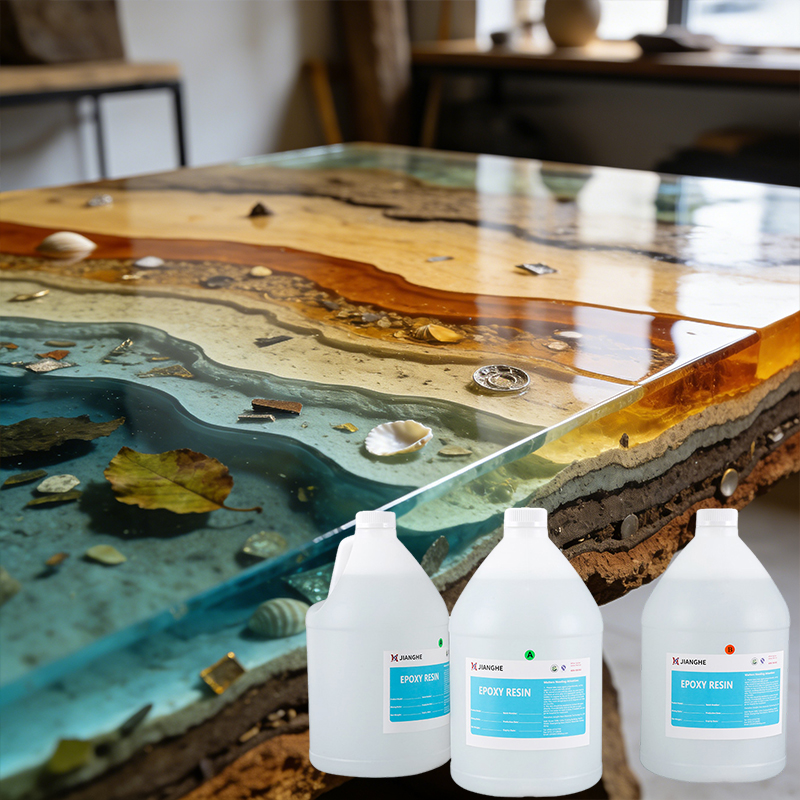
River table epoxy has transformed the world of woodworking and furniture design, turning raw wood slabs into stunning showpieces. The defining quality that makes river table epoxy so desirable is its ability to deliver exceptional transparency and visual clarity, allowing the natural grain of the wood to shine through a glass-like resin surface. Understanding how river table epoxy achieves this level of optical performance begins with examining the science behind its formulation and the care taken during application.
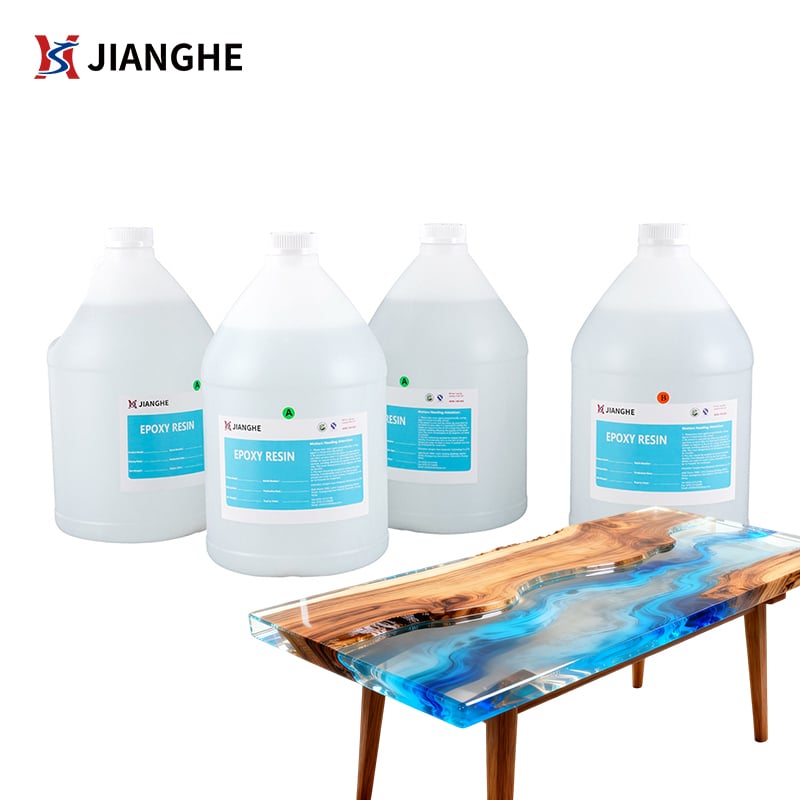
Not all epoxy resins are equal when it comes to clarity. High-quality river table epoxy is specifically engineered to minimize yellowing, reduce internal haze, and maintain a water-clear finish even in deep pours. When you choose the right river table epoxy, the result is a surface with remarkable depth and luminosity that elevates any furniture piece from ordinary to extraordinary.
The Chemistry Behind Crystal Clarity in River Table Epoxy
Resin and Hardener Formulation
The transparency of river table epoxy starts at the molecular level. Premium river table epoxy uses a carefully balanced ratio of bisphenol-A epoxy resin and a slow-curing aliphatic hardener. Unlike aromatic hardeners, aliphatic hardeners resist UV degradation, which is a primary cause of yellowing in inferior river table epoxy products. This formulation choice ensures that river table epoxy maintains its water-clear appearance over time rather than developing an amber or yellow tint after exposure to light.
The purity of raw materials also plays a critical role. High-grade river table epoxy is manufactured using refined, low-viscosity resin systems that contain minimal impurities. Impurities scatter light and create a cloudy or hazy appearance, so the cleaner the base chemistry, the clearer the cured river table epoxy will be. Manufacturers of professional-grade river table epoxy invest heavily in sourcing and processing raw materials to achieve this standard.
UV Stabilizers and Optical Additives
Another key factor in the clarity of river table epoxy is the inclusion of UV stabilizers and optical brighteners within the resin blend. UV stabilizers in river table epoxy absorb and neutralize ultraviolet radiation before it can degrade the polymer chains, which would otherwise cause discoloration. Some formulations of river table epoxy also include optical clarity additives that align the molecular structure during curing, reducing internal light scatter. This combination of UV protection and optical engineering is what separates professional river table epoxy from general-purpose casting resins.
How Deep Pour Technology Supports Visual Clarity
Managing Heat During Deep Pours
One of the greatest challenges in working with river table epoxy is managing the exothermic heat generated during curing. When river table epoxy cures in thick sections, the chemical reaction releases heat. If that heat is not properly controlled, it can cause bubbles, cracks, or a milky haze to form inside the cured river table epoxy, all of which destroy visual clarity. Deep pour river table epoxy is formulated with a slower reaction rate that distributes heat more gradually, allowing pours of two inches or more to cure without generating destructive thermal buildup.
This slow cure chemistry is a deliberate design feature of high-quality river table epoxy. By extending the working time and slowing the exothermic peak, deep pour river table epoxy gives trapped air bubbles time to rise and escape before the resin gels. The result is a cured river table epoxy slab that is free of internal voids, cloudiness, or stress fractures, all of which would otherwise compromise the optical depth that makes river table epoxy so visually striking.
Bubble Release and Surface Leveling
Visual clarity in river table epoxy also depends on effective bubble release. Even the clearest river table epoxy formulation will look flawed if air bubbles remain trapped in the cured surface. Professional river table epoxy is formulated with a low surface tension that allows microbubbles to migrate upward naturally. A gentle pass of heat from a propane torch or heat gun over freshly poured river table epoxy breaks surface tension further and accelerates bubble release. This step is a standard practice when working with river table epoxy to ensure the final surface is optically flawless.
Application Practices That Maximize Epoxy Clarity
Temperature and Environment Control
Even the best river table epoxy cannot achieve full transparency if application conditions are poor. Temperature has a significant effect on how river table epoxy cures and how clear it becomes. Pouring river table epoxy in cold environments causes the viscosity to increase, trapping air more easily and slowing the self-leveling process. Pouring river table epoxy in environments that are too warm can accelerate the cure and create hot spots. The ideal application temperature for river table epoxy is typically between 70°F and 80°F, where the resin flows freely, self-levels smoothly, and cures with maximum transparency.
Humidity is equally important when working with river table epoxy. Excess moisture in the air or on the wood surface can cause river table epoxy to cure with a blush or white haze on the surface. This phenomenon occurs when moisture reacts with the hardener in the river table epoxy formulation. Keeping the workspace dry and sealing the wood surface before the main pour of river table epoxy prevents moisture-related clarity issues.
Mixing Ratio Precision and Technique
Achieving the crystal-clear finish that river table epoxy promises requires precise mixing. River table epoxy is a two-component system, and the ratio of resin to hardener must be exact. An off-ratio mix of river table epoxy will result in a soft, tacky, or cloudy cure because the chemical crosslinking reaction is incomplete. Using calibrated measuring tools and mixing river table epoxy thoroughly for the recommended time ensures that every molecule of resin bonds correctly with the hardener, producing a fully cured, optically clear surface. Scraping the sides and bottom of the mixing container prevents unmixed river table epoxy from introducing soft spots or haze into the final pour.
FAQ
Why does river table epoxy sometimes turn yellow after curing?
Yellowing in river table epoxy is usually caused by UV exposure or the use of aromatic hardeners. Professional-grade river table epoxy contains UV stabilizers and uses aliphatic hardeners to resist discoloration, maintaining water-clear results over time.
How thick can river table epoxy be poured in a single application?
Deep pour river table epoxy is typically designed for single pours of one to four inches, depending on the formulation. Exceeding the recommended depth without using a deep pour river table epoxy product can cause excessive heat buildup, leading to cracking or cloudiness.
Can river table epoxy be polished to improve clarity after curing?
Yes, fully cured river table epoxy can be sanded with progressively finer grits and then polished using a fine compound to restore or enhance optical clarity. This is especially useful when minor surface imperfections appear after the river table epoxy has cured completely.