anti-yellowing epoxy resin
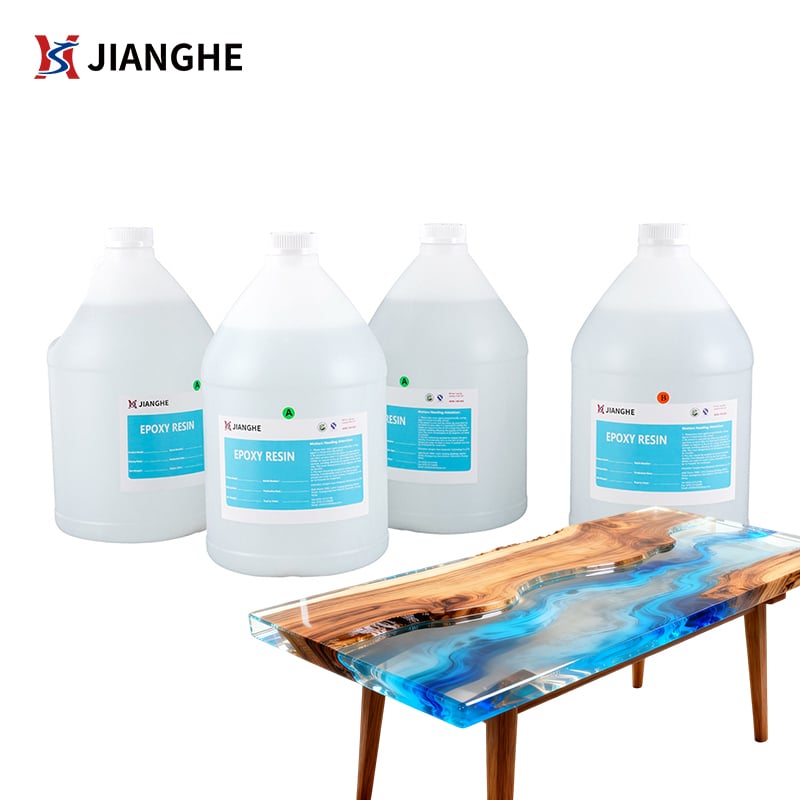
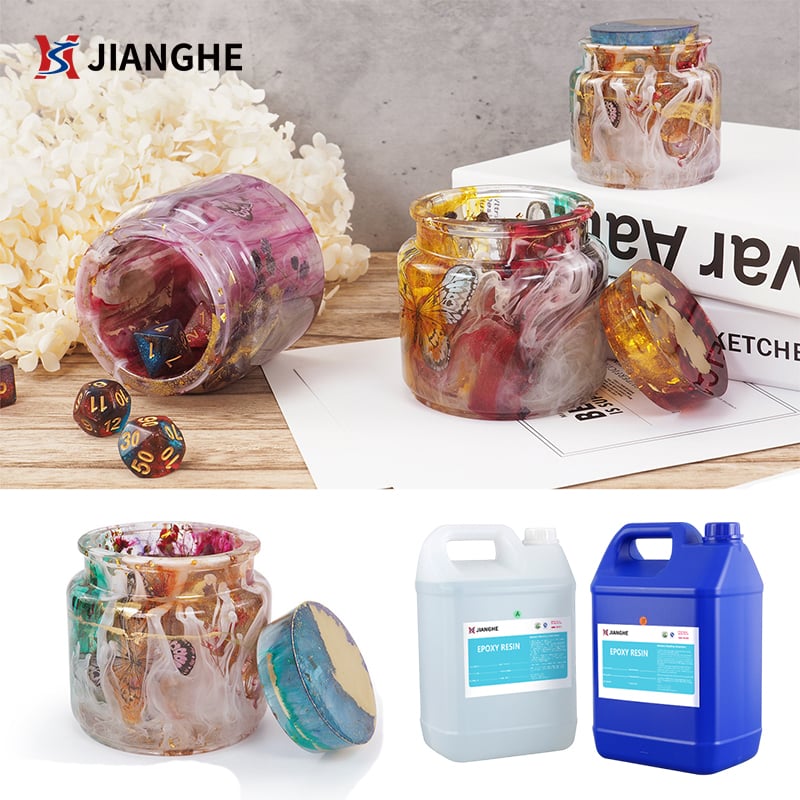
Anti-yellowing epoxy resin represents a significant advancement in modern coating and composite technology. This specialized resin formulation is engineered to maintain its clarity and aesthetic appearance over extended periods, even when exposed to UV radiation and environmental stressors. Unlike conventional epoxy resins that gradually develop a yellowish tint, anti-yellowing epoxy resin preserves its original transparent quality, making it ideal for applications where visual clarity is paramount.
The primary function of anti-yellowing epoxy resin is to provide a durable protective layer while resisting color degradation caused by sunlight exposure and oxidation. This resin combines superior chemical resistance with exceptional color stability, ensuring long-lasting performance in demanding environments. The technological features of anti-yellowing epoxy resin include advanced UV-absorbing additives, stabilized polymer matrices, and carefully selected hardener systems that work synergistically to prevent discoloration.
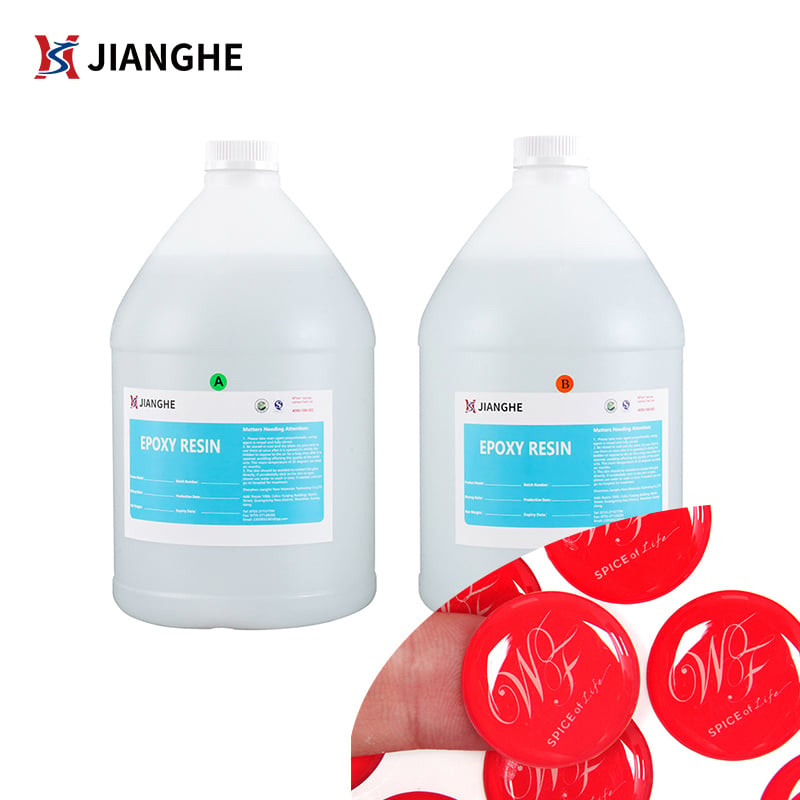
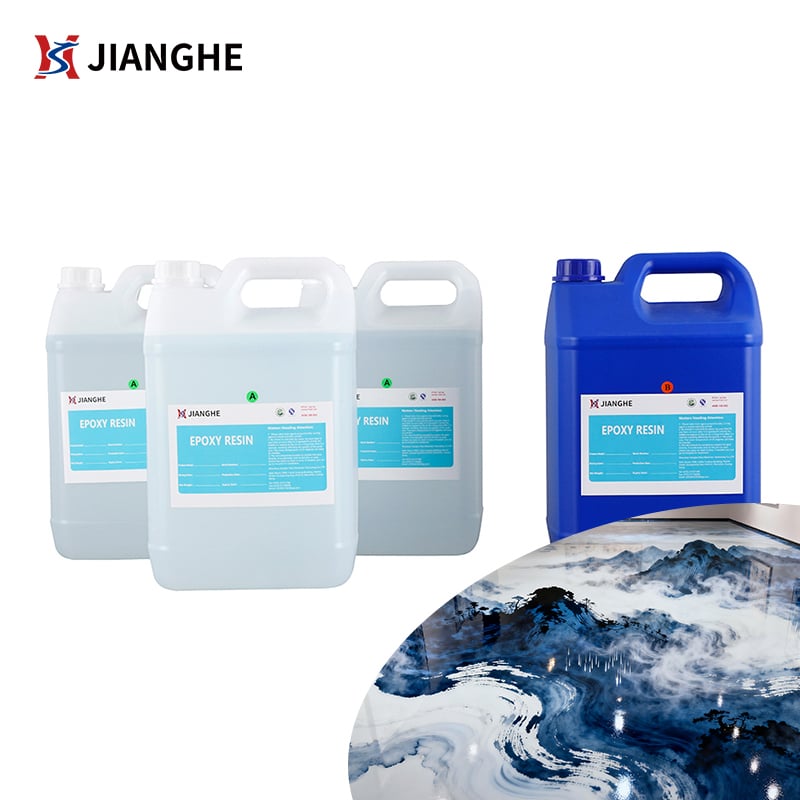
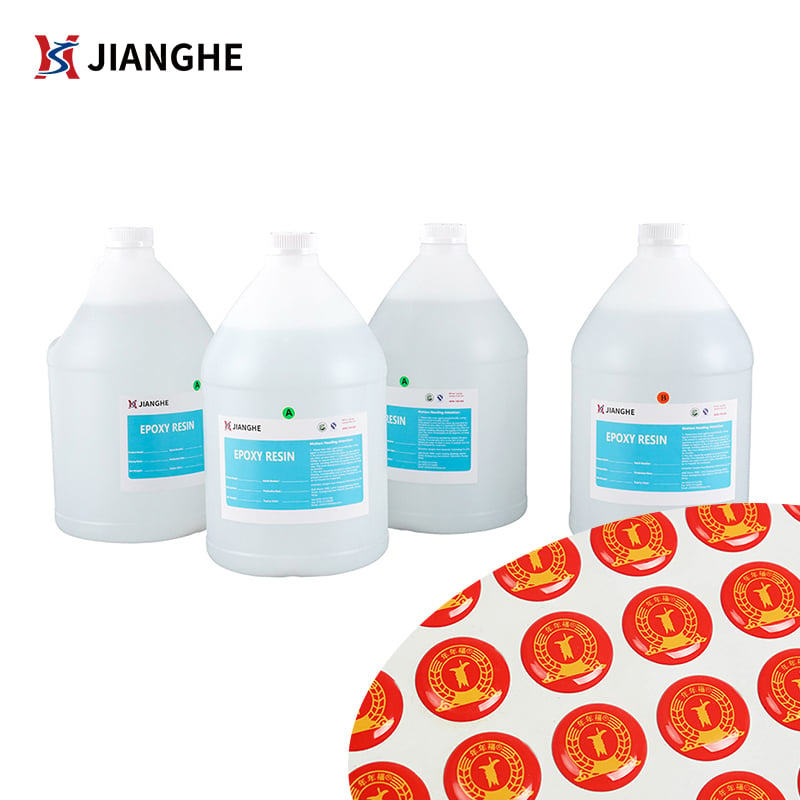
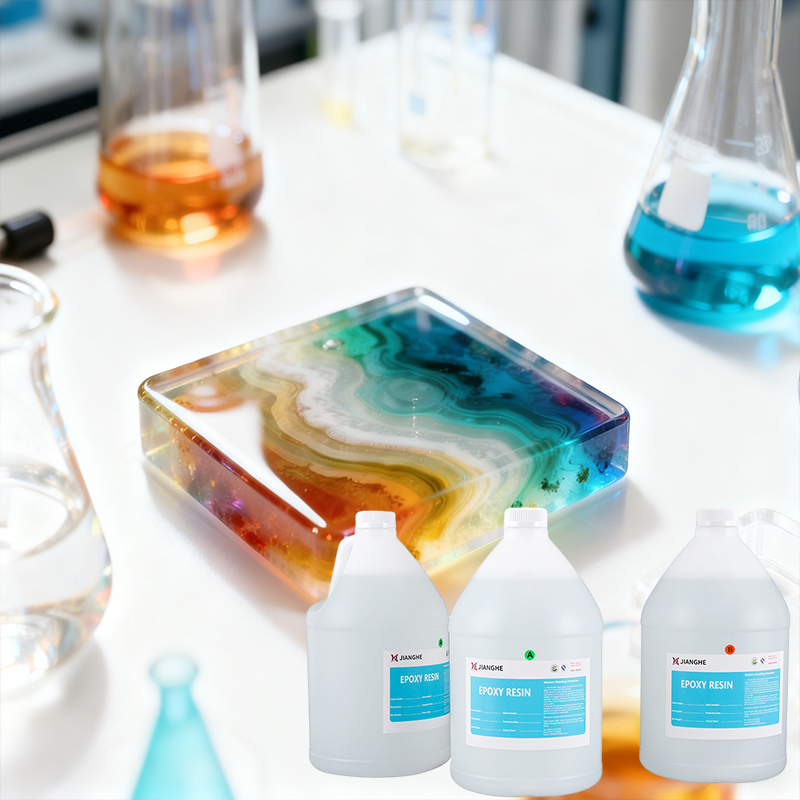
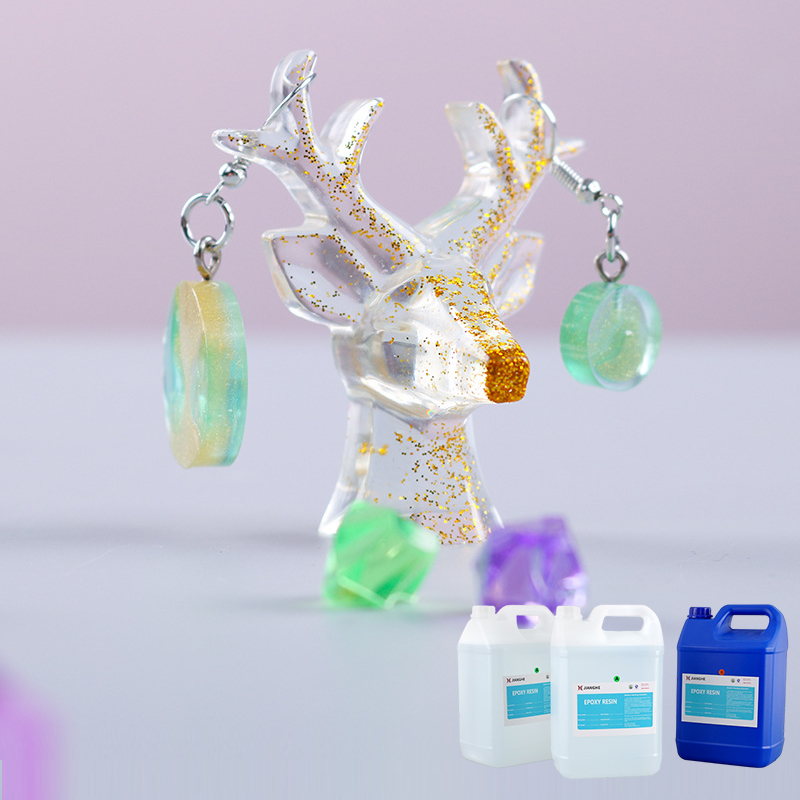
Applications for anti-yellowing epoxy resin are extensive and varied. Industries utilize this material for clear coatings on wood and metal surfaces, protective layers in electronics and aerospace components, decorative casting applications, and high-clarity composite manufacturing. The anti-yellowing epoxy resin formula performs exceptionally well in outdoor installations, marine environments, and interior applications where maintaining pristine appearance is essential. From architectural glazing to protective coatings on valuable equipment, anti-yellowing epoxy resin delivers consistent results that meet rigorous performance standards and aesthetic requirements across multiple sectors.

 EN
EN