Premium Liquid Silicone to Make Molds - Superior Quality Molding Solutions for Professional Manufacturing

All Categories

Get a Tailored Solution

Provide your details below, and our material experts will contact you with a competitive quote and technical support within 24 hours.
Email
Name
Company Name
Message
0/1000

liquid silicone to make molds

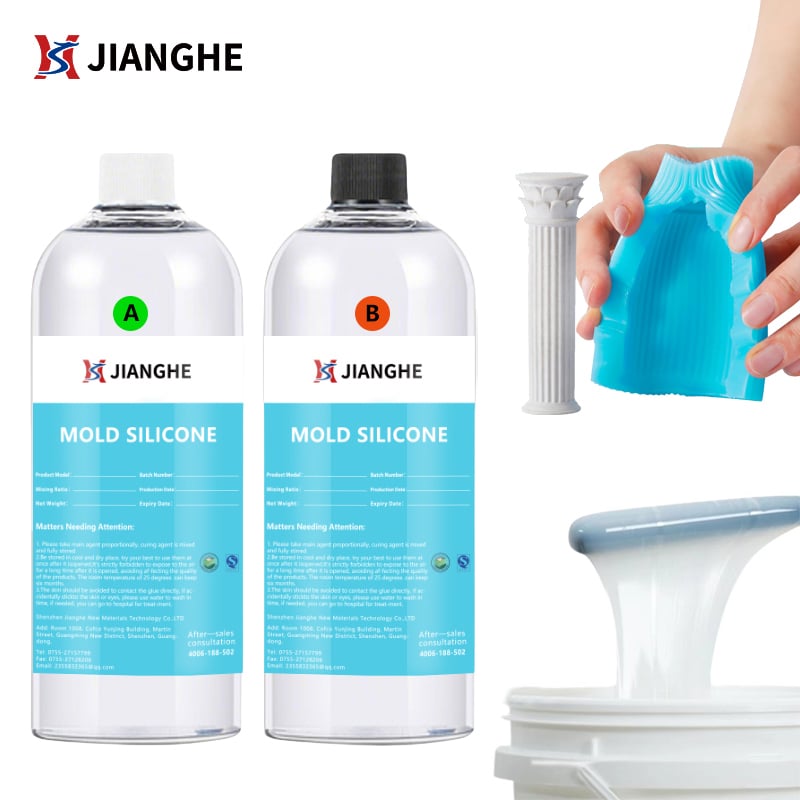
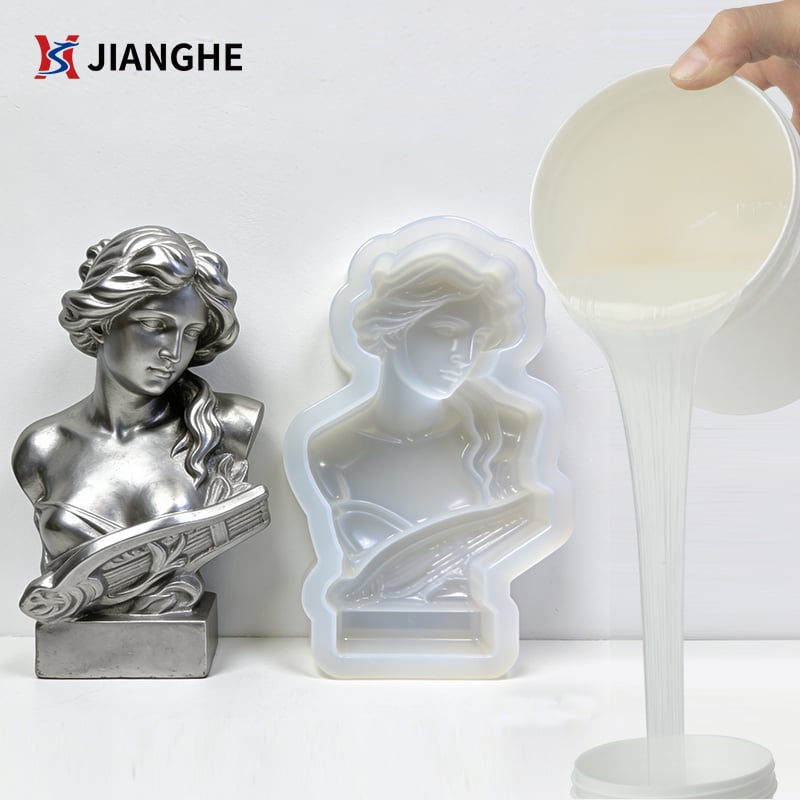
Liquid silicone to make molds represents a revolutionary advancement in modern manufacturing and prototyping industries. This specialized material combines exceptional flexibility with remarkable durability, making it an ideal solution for creating precise molds across various applications. The liquid silicone to make molds offers unparalleled versatility, allowing manufacturers to produce intricate designs with complex geometries that traditional molding materials cannot achieve. This innovative material starts as a flowing liquid that can easily penetrate detailed patterns and capture the finest surface textures. Once cured, liquid silicone to make molds transforms into a flexible yet stable rubber-like material that maintains its shape integrity over countless molding cycles. The technological features of liquid silicone to make molds include superior tear resistance, excellent temperature stability, and outstanding chemical inertness. These characteristics ensure that molds created with liquid silicone to make molds can withstand repeated use without degradation or dimensional changes. The material exhibits exceptional release properties, meaning finished products separate easily from the mold surface without requiring excessive force or release agents. This feature significantly reduces production time and minimizes the risk of damaging delicate cast items. Applications for liquid silicone to make molds span numerous industries including automotive, aerospace, medical devices, consumer goods, and artistic creations. In the automotive sector, liquid silicone to make molds enables the production of complex gaskets, seals, and interior components. Medical device manufacturers rely on liquid silicone to make molds for creating biocompatible implants, surgical instruments, and diagnostic equipment components. The food industry benefits from liquid silicone to make molds for producing confectionery items, chocolate designs, and decorative cake elements. Artists and craftspeople utilize liquid silicone to make molds for replicating sculptures, jewelry pieces, and architectural details with museum-quality precision.

New Products

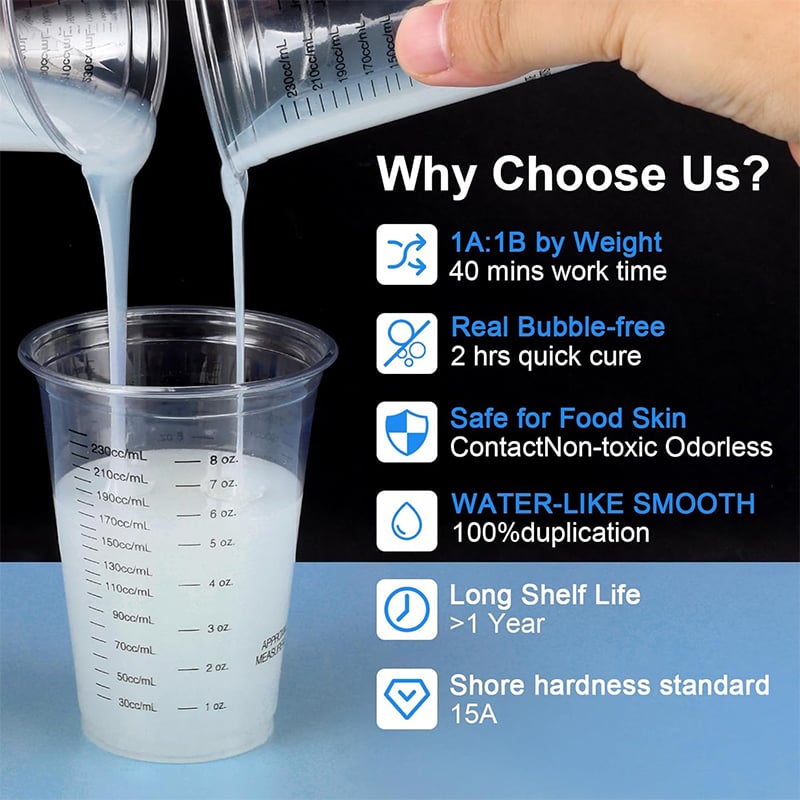
The advantages of liquid silicone to make molds extend far beyond traditional molding materials, offering significant benefits that directly impact production efficiency and final product quality. First and foremost, liquid silicone to make molds provides exceptional dimensional accuracy, capturing details as fine as 0.001 inches with consistent reproducibility. This precision eliminates the need for secondary machining operations, reducing overall production costs and time-to-market. The material's inherent flexibility allows for easy demolding of complex undercuts and intricate geometries that would be impossible with rigid molding materials. Unlike traditional mold-making compounds, liquid silicone to make molds maintains its elasticity across a wide temperature range, from -65°F to 450°F, ensuring reliable performance in diverse manufacturing environments. This temperature stability means molds created with liquid silicone to make molds can handle both heated casting materials and cold-setting compounds without losing their structural integrity. The chemical resistance of liquid silicone to make molds surpasses conventional alternatives, withstanding exposure to acids, bases, solvents, and other aggressive chemicals commonly used in industrial processes. This resistance translates to longer mold life and reduced replacement costs, providing substantial long-term savings for manufacturers. The non-stick surface properties of liquid silicone to make molds eliminate the need for expensive release agents in most applications, further reducing operational costs while improving surface finish quality of cast products. Production efficiency receives a significant boost from the fast curing times achievable with liquid silicone to make molds, typically ranging from 30 minutes to 24 hours depending on the specific formulation and curing conditions. This rapid turnaround enables manufacturers to create multiple molds quickly, supporting high-volume production requirements. The shelf stability of uncured liquid silicone to make molds exceeds 12 months when properly stored, allowing manufacturers to maintain inventory without concerns about material degradation. Safety considerations favor liquid silicone to make molds as well, since the material is non-toxic, odorless, and requires no special ventilation during use, creating a safer working environment for operators. The versatility of liquid silicone to make molds accommodates various casting materials including resins, concrete, plaster, wax, soap, and low-temperature metals, making it a universal solution for diverse manufacturing needs.

Tips And Tricks

How Is Liquid Silicone Rubber Used in Professional Mold Making?

24

Dec

How Is Liquid Silicone Rubber Used in Professional Mold Making?

Practical Applications of Liquid Silicone Rubber in Professional Manufacturing Liquid Silicone Rubber plays a central role in professional making environments where precision, repeatability, and material reliability are critical. In contrast to hobby...
View More
How Does Anti-Yellowing Resin Maintain Long-Term Visual Clarity?

17

Dec

How Does Anti-Yellowing Resin Maintain Long-Term Visual Clarity?

The Importance of Visual Stability in Modern Epoxy Applications Anti-Yellowing Resin has become a critical material choice in epoxy systems where long-term appearance, transparency, and color consistency are as important as mechanical performance. In...
View More
Why Is Floor Coating Epoxy Suitable for Chemical Plants and Warehouses?

22

Jan

Why Is Floor Coating Epoxy Suitable for Chemical Plants and Warehouses?

The Advantages of Floor Coating Epoxy in Industrial Environments Floor coating epoxy has become a preferred choice for chemical plants, warehouses, and other industrial facilities due to its durability, chemical resistance, and ease of maintenance. I...
View More
How Does River Table Epoxy Control Exothermic Reaction and Cracking?

28

Jan

How Does River Table Epoxy Control Exothermic Reaction and Cracking?

Managing Exothermic Reactions and Cracking in River Table Epoxy River Table Epoxy has become a favorite material for designers and artisans who create stunning river tables, countertops, and artistic pieces. Its clarity, durability, and versatility m...
View More

Get a Free Quote

Our representative will contact you soon.
Email
Name
Company Name
Message
0/1000

liquid silicone to make molds

Superior Durability and Longevity Performance

Superior Durability and Longevity Performance

The exceptional durability of liquid silicone to make molds stands as one of its most compelling advantages, delivering unmatched longevity that significantly reduces operational costs over time. Unlike conventional mold materials that may crack, chip, or deteriorate after limited use, liquid silicone to make molds maintains structural integrity through thousands of molding cycles without showing signs of wear or dimensional drift. This remarkable endurance stems from the cross-linked polymer structure formed during curing, which creates a resilient network capable of withstanding repeated flexing, stretching, and compression forces encountered during demolding operations. The tear strength of liquid silicone to make molds typically exceeds 150 psi, meaning even thin-walled mold sections resist tearing when removing complex cast parts with sharp edges or deep undercuts. Temperature cycling, which often causes other mold materials to become brittle or soft, has minimal impact on liquid silicone to make molds due to its stable polymer backbone that maintains flexibility across extreme temperature ranges. Chemical exposure from aggressive casting materials, cleaning solvents, or environmental contaminants rarely affects the performance of liquid silicone to make molds, ensuring consistent results throughout the mold's service life. This chemical inertness prevents swelling, softening, or surface degradation that commonly plague other mold materials, maintaining precise dimensional tolerances over extended periods. The UV resistance of liquid silicone to make molds allows outdoor applications without degradation, unlike organic materials that become brittle or discolored when exposed to sunlight. This durability translates directly to cost savings, as manufacturers can amortize mold creation costs over significantly more production cycles compared to alternative materials. Quality control benefits from this longevity as well, since dimensional accuracy remains consistent from the first casting to the thousandth, eliminating variations caused by mold degradation. The predictable performance of liquid silicone to make molds enables accurate production planning and reduces the need for emergency mold replacements that can disrupt manufacturing schedules.
Exceptional Detail Reproduction and Surface Quality

Exceptional Detail Reproduction and Surface Quality

The ability of liquid silicone to make molds to capture and reproduce minute surface details represents a quantum leap in molding technology, enabling manufacturers to achieve unprecedented levels of precision and surface quality in their finished products. The low viscosity of uncured liquid silicone to make molds allows it to flow into the smallest crevices, textures, and surface irregularities of master patterns, creating negative impressions with microscopic accuracy. This flow characteristic ensures complete pattern coverage without air entrapment, which commonly causes defects in molds made with thicker materials. Once cured, liquid silicone to make molds faithfully reproduces every detail captured during the initial pour, from complex geometric features to subtle surface textures measuring mere microns in depth. The elastic memory of liquid silicone to make molds ensures that intricate details remain sharp and well-defined even after thousands of demolding cycles, maintaining product quality consistency throughout the mold's service life. Unlike rigid mold materials that may require draft angles for successful part removal, liquid silicone to make molds accommodates zero-draft vertical walls and severe undercuts through its inherent flexibility, enabling the reproduction of complex geometries previously impossible to mold. The surface finish achieved with liquid silicone to make molds often eliminates secondary finishing operations, as cast parts emerge with smooth, defect-free surfaces ready for immediate use or minimal post-processing. This surface quality stems from the molecular-level smoothness of cured silicone, which transfers to cast products as mirror-like finishes when desired. The optical clarity available in certain formulations of liquid silicone to make molds allows visual inspection of the casting process, enabling operators to identify and correct filling issues in real-time. Multi-part molds created with liquid silicone to make molds maintain perfect registration between sections due to the material's dimensional stability, ensuring seamless joints and consistent wall thicknesses in complex hollow castings. The combination of detail reproduction and surface quality makes liquid silicone to make molds particularly valuable for high-end applications where aesthetic appearance and functional precision are equally important.
Versatile Compatibility and Application Flexibility

Versatile Compatibility and Application Flexibility

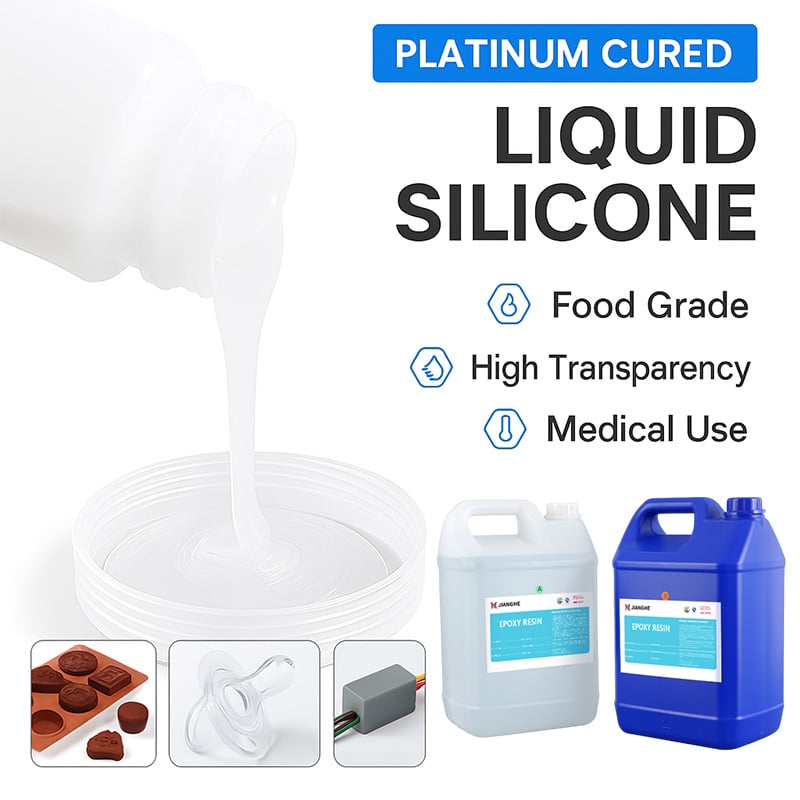
The remarkable versatility of liquid silicone to make molds extends its utility across an incredibly diverse range of applications, materials, and manufacturing processes, making it an indispensable tool for modern production facilities. This compatibility spans the entire spectrum of casting materials, from water-based compounds like plaster and concrete to aggressive chemicals like polyurethane resins and epoxies. The non-reactive nature of cured liquid silicone to make molds prevents chemical bonding with most casting materials, ensuring clean release without the need for expensive mold release agents that can affect surface finish quality. Temperature compatibility of liquid silicone to make molds accommodates both hot and cold casting processes, handling molten materials up to 450°F while remaining flexible enough for room-temperature applications. This thermal versatility eliminates the need for multiple mold materials in facilities that work with diverse casting compounds, simplifying inventory management and reducing storage requirements. The scale flexibility of liquid silicone to make molds ranges from micro-miniature electronic components measuring millimeters to large architectural elements spanning several feet, with consistent performance characteristics regardless of mold size. Color coding options available in liquid silicone to make molds enable easy identification of different mold batches, curing stages, or application-specific formulations, improving workshop organization and reducing errors. The pot life variability of different liquid silicone to make molds formulations allows users to select working times that match their specific application requirements, from fast-setting versions for rapid prototyping to extended working time formulations for large or complex molds. Shore hardness options in liquid silicone to make molds range from very soft formulations for delicate casting applications to firm versions for dimensional stability under pressure, providing optimal performance characteristics for each unique application. The compatibility of liquid silicone to make molds with various curing methods, including room temperature vulcanization, heat acceleration, and platinum catalysis, offers flexibility in production scheduling and equipment utilization. Food-grade formulations of liquid silicone to make molds meet FDA requirements for direct food contact, expanding applications into culinary arts, confectionery production, and food packaging manufacturing. This comprehensive versatility makes liquid silicone to make molds a universal solution that adapts to changing production requirements without necessitating complete process overhauls or equipment changes.

Get Samples & Support

Email
Name
Company Name
Country/Region
What Are You Making
Single Choice
Estimated Monthly Usage
Single Choice
Message
0/1000