
 EN
EN
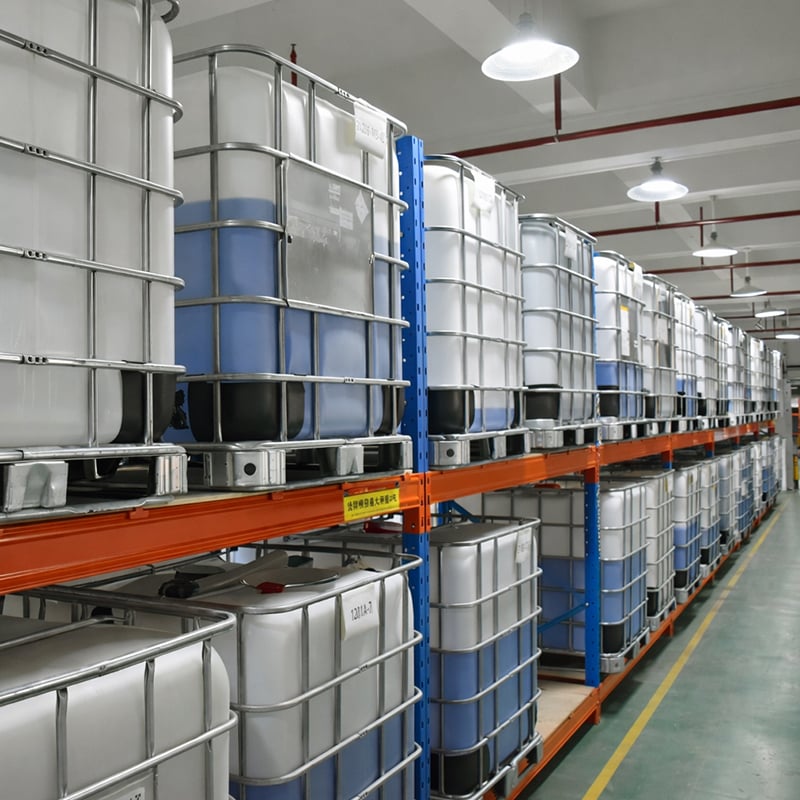
When businesses seek a reliable supply partner, the question goes far beyond price and lead time. The depth of a resin manufacturer's research and development capability is often the decisive factor that separates a productive long-term partnership from a frustrating cycle of trial and error. Whether a customer needs a bubble-free crystal clear finish for DIY craft applications or a high-performance epoxy system for industrial use, the resin manufacturer's internal R&D infrastructure determines how quickly and accurately those needs can be met.
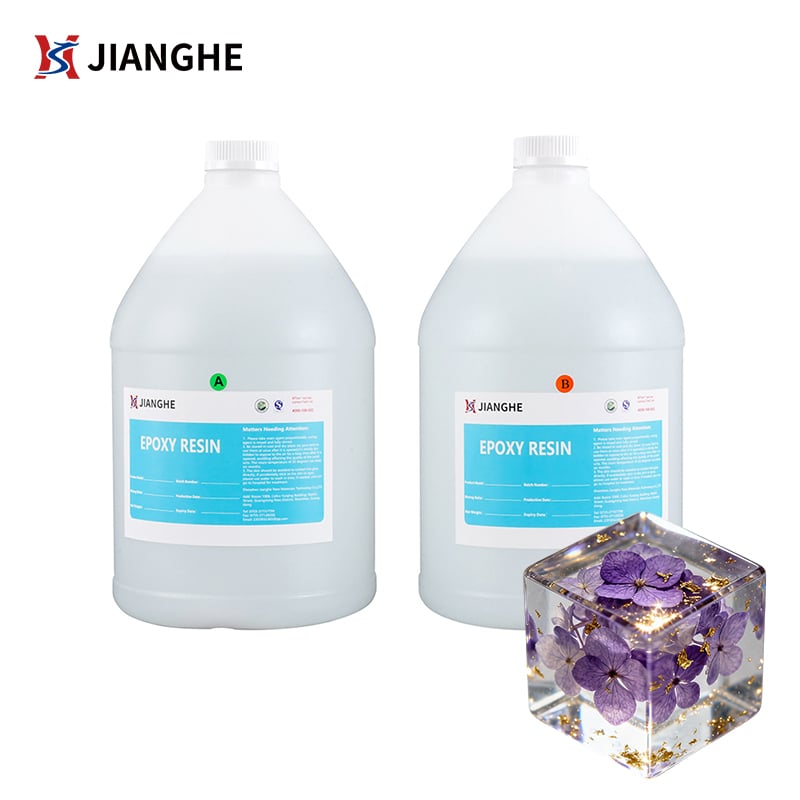
A resin manufacturer with strong R&D capability can move beyond standard off-the-shelf formulations and genuinely engage with a customer's unique project parameters. This article explores how that R&D capability translates into real, measurable support across the full lifecycle of a customer project — from initial specification through formulation, testing, and ongoing technical collaboration.
Custom Formulation as the Foundation of Project Support
Translating Customer Requirements into Resin Properties
Every customer project begins with a set of performance requirements that may not align neatly with any existing product in a resin manufacturer's catalog. A resin manufacturer with dedicated R&D resources can systematically translate those requirements — such as viscosity range, cure time, color clarity, or Shore hardness — into a tailored formulation. This process requires not only deep chemistry expertise but also a structured approach to prototyping and iterative refinement. Without this capability, a resin manufacturer can only offer what already exists, leaving customers to compromise on performance.
When a resin manufacturer invests in custom formulation infrastructure, customers benefit from faster alignment between their specifications and the delivered product. For example, a resin manufacturer working on craft-grade epoxy products must precisely control bubble release behavior and optical clarity, which requires laboratory-level adjustments to surfactant chemistry and curing agent ratios. These refinements are only possible when the resin manufacturer maintains a fully equipped formulation lab and experienced chemists who understand both the material science and the end-use context.
Iterative Testing and Prototype Validation
Prototype validation is where a resin manufacturer's R&D capability becomes visibly valuable to customers. Rather than shipping a standard sample and waiting for field feedback, a competent resin manufacturer runs controlled tests in-house — simulating cure conditions, thermal exposure, mechanical stress, and optical performance before the product ever reaches the customer. This internal validation loop dramatically reduces the number of revision cycles a customer must go through, compressing the overall project timeline. For a resin manufacturer serving multiple market segments, this structured testing methodology also ensures that learnings from one project can be applied intelligently to future formulations.
Technical Collaboration Throughout the Project Lifecycle
Pre-Project Consultation and Specification Review
A resin manufacturer with genuine R&D depth does not simply wait to receive a purchase order. Instead, the resin manufacturer engages customers early in the specification phase, offering technical consultation that helps customers define their requirements more precisely. This proactive involvement is especially valuable when a customer is entering a new application area and lacks the in-house chemistry expertise to write a complete technical brief. The resin manufacturer's application engineers can review process parameters, substrate compatibility, environmental exposure conditions, and regulatory requirements, then help the customer build a specification that is both ambitious and achievable. This early collaboration also reduces the risk of costly redesigns later in the project.
A resin manufacturer that positions itself as a technical partner rather than a commodity supplier will typically assign dedicated R&D contacts to key customer accounts. These contacts serve as the bridge between the customer's project team and the resin manufacturer's laboratory, ensuring that technical feedback flows in both directions. When a customer observes unexpected behavior during their own testing — such as surface tackiness, yellowing under UV exposure, or inconsistent gel times — the resin manufacturer's R&D team can rapidly diagnose the root cause and propose a formulation adjustment or process modification. This kind of responsive, expert engagement is only possible when the resin manufacturer has invested meaningfully in its R&D infrastructure.
Ongoing Support During Customer Production Ramp-Up
The support a resin manufacturer provides does not end once a formulation is finalized. During a customer's production ramp-up phase, new challenges frequently emerge — variations in ambient temperature, mixing equipment differences, or substrate surface preparation inconsistencies can all affect resin performance in ways that were not apparent during laboratory testing. A resin manufacturer with active R&D involvement will offer on-site technical visits or remote troubleshooting sessions to help customers overcome these scale-up challenges. This ongoing engagement protects the customer's investment and ensures that the resin manufacturer's product delivers its intended performance at full production volumes.
R&D Investment as a Signal of Long-Term Partnership Value
How R&D Capability Reflects a Resin Manufacturer's Strategic Commitment
When evaluating suppliers, procurement and engineering teams increasingly use a resin manufacturer's R&D capability as a proxy for overall reliability and future readiness. A resin manufacturer that allocates resources to continuous research is signaling a commitment to staying ahead of evolving market requirements — whether those involve new environmental compliance standards, shifting raw material landscapes, or emerging application demands. Customers who partner with a well-resourced resin manufacturer gain access not only to today's best formulations but also to tomorrow's innovations, as the resin manufacturer's R&D pipeline feeds new solutions directly into the customer relationship. This forward-looking value is difficult to quantify but highly material in industries where material performance standards are constantly rising.
A resin manufacturer that dedicates R&D effort to sustainability — developing bio-based components, low-VOC systems, or recyclable epoxy platforms — also provides customers with a competitive advantage in markets where environmental credentials are increasingly scrutinized. Choosing a resin manufacturer with this kind of proactive R&D culture means that customers can evolve their product lines without needing to find a new supplier every time regulatory or market conditions shift. The resin manufacturer becomes a durable, evolving resource rather than a static product source.
Intellectual Property and Confidentiality in R&D Collaboration
A professional resin manufacturer understands that collaborative R&D generates intellectual value that must be properly protected. When a resin manufacturer develops a custom formulation specifically for a customer's application, clear agreements around ownership, exclusivity, and confidentiality are essential. A resin manufacturer with experience in this area will have standard processes for managing co-development agreements, ensuring that customers feel confident sharing their application details openly. This transparency is the foundation of productive R&D collaboration, and it reflects the resin manufacturer's maturity as a business partner rather than just a chemical supplier.
FAQ
What should I look for when assessing a resin manufacturer's R&D capability?
Key indicators include the size and qualifications of the technical team, the availability of in-house testing equipment, the resin manufacturer's track record with custom formulation projects, and how quickly they can respond to customer-specific technical queries. A resin manufacturer that can provide documented case studies of past R&D collaborations offers the strongest evidence of genuine capability.
How does a resin manufacturer's R&D support reduce project risk for customers?
By conducting prototype validation and application testing before delivery, a resin manufacturer identifies performance gaps early, reducing the probability of field failures. The resin manufacturer's technical team also helps customers avoid specification errors that could result in incompatible materials or processing difficulties, which protects both time and budget.
Can a small-scale customer access R&D support from a resin manufacturer?
Yes. Many resin manufacturer suppliers offer tiered technical support programs that extend R&D consultation to customers across volume levels. Even for smaller projects, a resin manufacturer can provide application guidance, sample formulations, and troubleshooting assistance that meaningfully improves the customer's outcomes without requiring a large minimum order commitment.