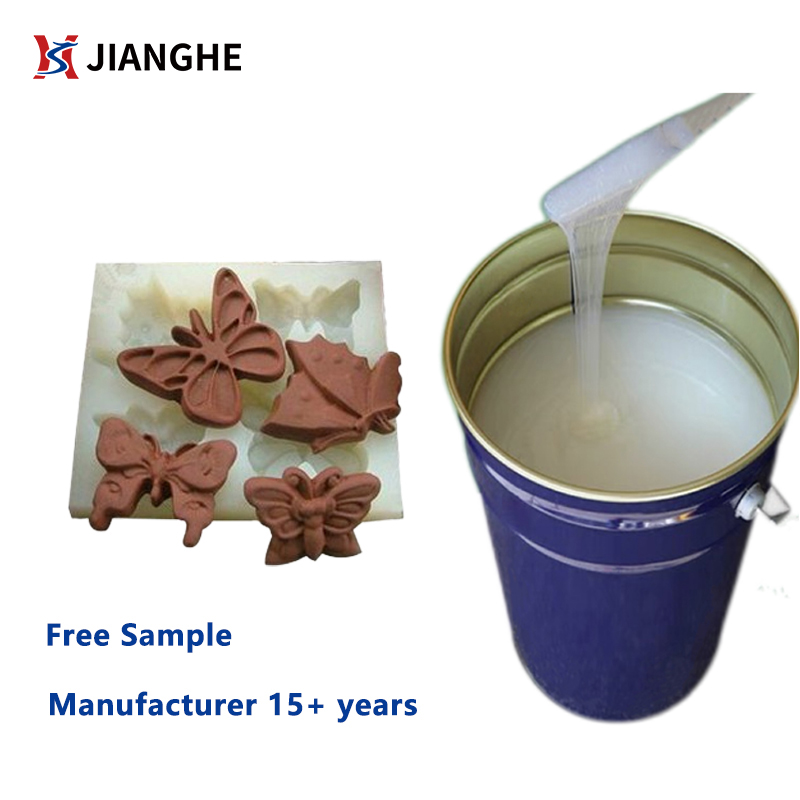
Premium Pourable Silicone for Mold Making - Professional Quality & Precision

All Categories

Get a Tailored Solution

Provide your details below, and our material experts will contact you with a competitive quote and technical support within 24 hours.
Email
Name
Company Name
Message
0/1000

pourable silicone for mold making

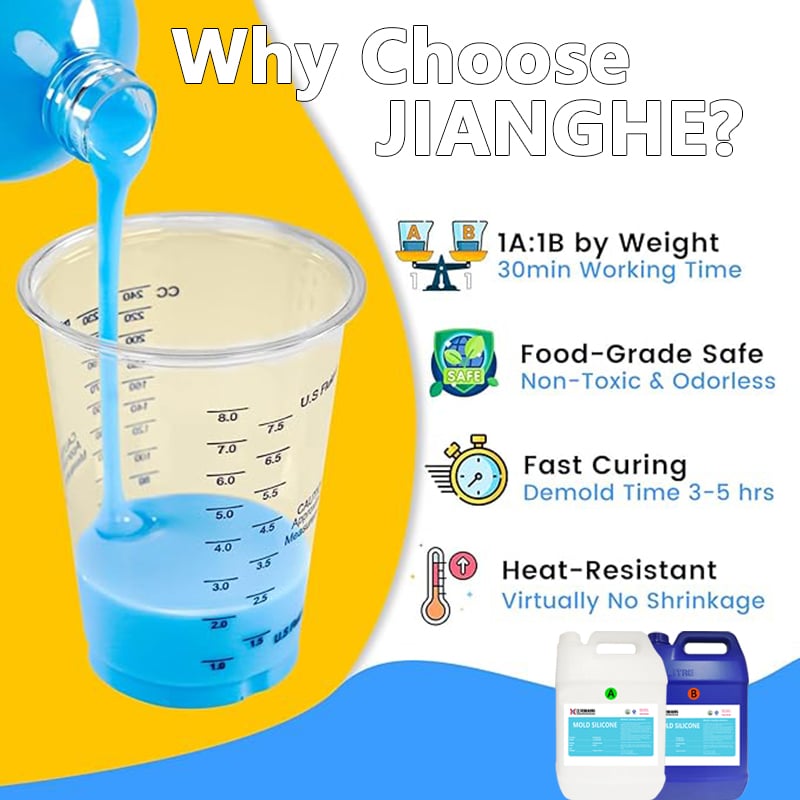
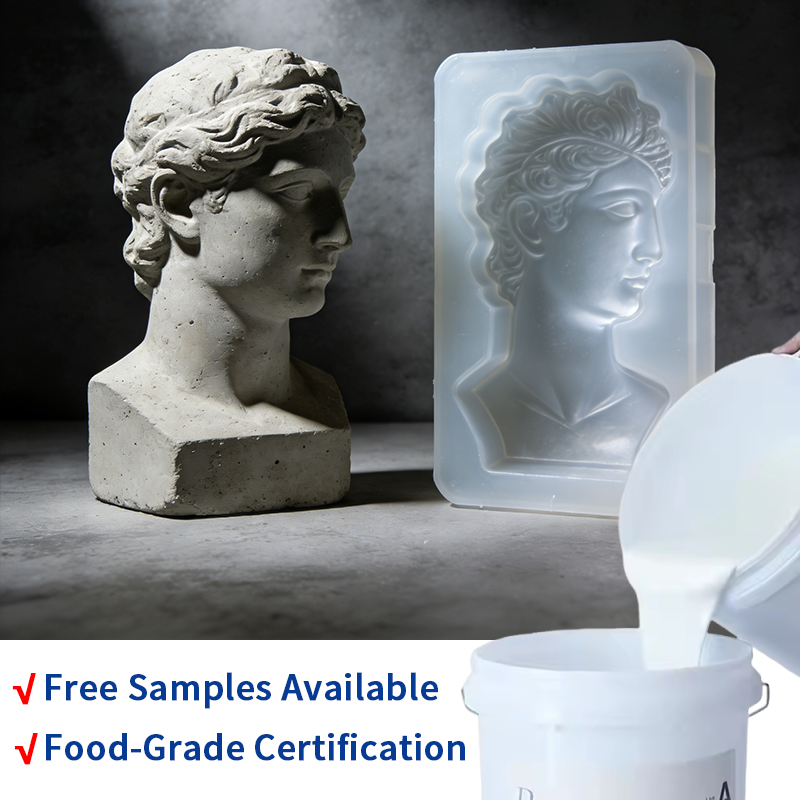
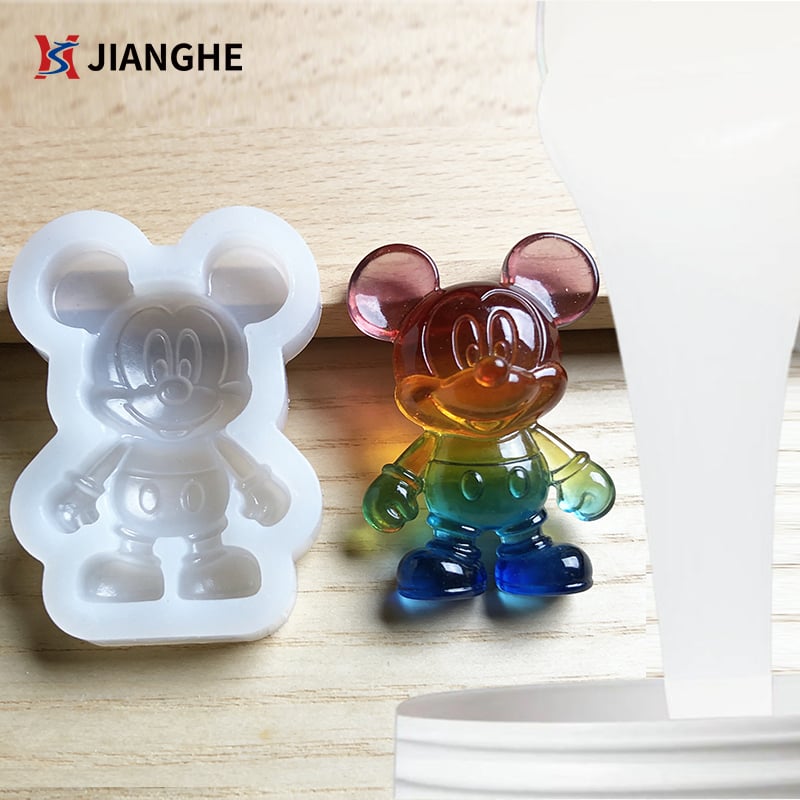
Pourable silicone for mold making represents a revolutionary advancement in manufacturing and crafting industries, offering exceptional versatility and precision for creating detailed replicas and prototypes. This specialized material consists of two-component liquid silicone rubber that transforms from a flowing liquid state into a flexible, durable solid through a curing process. The primary function of pourable silicone for mold making involves capturing intricate details from master patterns, enabling manufacturers, artists, and hobbyists to reproduce complex geometries with remarkable accuracy. The technological features of pourable silicone for mold making include excellent flowability characteristics that ensure complete pattern coverage, minimal shrinkage rates that maintain dimensional accuracy, and superior tear resistance that extends mold lifespan. Advanced formulations provide controlled cure times, allowing users to adjust working periods based on project requirements. The material exhibits outstanding chemical resistance, withstanding exposure to various casting materials including resins, concrete, plaster, and metals. Temperature stability ranges from -65°F to 450°F, making pourable silicone for mold making suitable for diverse environmental conditions. Applications span numerous industries, from automotive and aerospace component prototyping to architectural element reproduction. Medical device manufacturers utilize pourable silicone for mold making to create precise prosthetic components and dental models. Art restoration professionals employ this technology to replicate historical artifacts without damaging originals. Jewelry makers benefit from the material's ability to capture fine surface textures and intricate designs. Food-grade formulations enable culinary applications, allowing chefs to create unique presentation elements and decorative components. The construction industry leverages pourable silicone for mold making to produce custom concrete elements, ornamental features, and restoration components for heritage buildings. Educational institutions use this versatile material for teaching manufacturing processes and enabling student projects across engineering and design disciplines.

Popular Products

Pourable silicone for mold making delivers numerous practical benefits that directly impact productivity, cost-effectiveness, and project success rates for users across various industries. The ease of use stands as a primary advantage, requiring no specialized equipment or extensive training to achieve professional results. Users simply measure, mix, and pour the material, eliminating complex procedures that traditionally hindered mold creation processes. This simplicity reduces labor costs and accelerates project timelines significantly. Exceptional durability ensures that molds created with pourable silicone for mold making withstand hundreds of casting cycles without deterioration, providing outstanding return on investment. The material's flexibility prevents cracking and tearing during demolding processes, even when reproducing objects with complex undercuts or delicate features. Superior detail reproduction capabilities capture surface textures as fine as 0.001 inches, ensuring that finished castings maintain original design integrity. This precision eliminates the need for extensive post-processing work, saving time and reducing material waste. Pourable silicone for mold making exhibits excellent release properties, allowing easy separation from cast objects without requiring additional release agents in many applications. This characteristic prevents damage to both molds and finished products while streamlining production workflows. The material's chemical inertness ensures compatibility with numerous casting materials, including aggressive chemicals and high-temperature substances, expanding application possibilities. Quick curing times, typically ranging from 4 to 24 hours depending on formulation, enable rapid project completion and faster turnaround times for commercial applications. Cost-effectiveness emerges through multiple factors: extended mold life reduces replacement frequency, accurate reproductions minimize material waste, and simplified processes reduce labor requirements. Pourable silicone for mold making maintains dimensional stability over time, preventing warping or distortion that could compromise casting quality. Environmental safety features include low toxicity levels and minimal volatile organic compound emissions, creating safer working conditions while meeting regulatory requirements. Storage convenience allows users to maintain inventory without special handling requirements, as properly stored materials remain viable for extended periods. The material's versatility accommodates both small-scale craft projects and large industrial applications, making it suitable for diverse user needs and budget constraints.

Latest News

How Is Liquid Silicone Rubber Used in Professional Mold Making?

24

Dec

How Is Liquid Silicone Rubber Used in Professional Mold Making?

Practical Applications of Liquid Silicone Rubber in Professional Manufacturing Liquid Silicone Rubber plays a central role in professional making environments where precision, repeatability, and material reliability are critical. In contrast to hobby...
View More
What Advantages Does Floor Coating Epoxy Offer in Warehouses and Factories?

23

Dec

What Advantages Does Floor Coating Epoxy Offer in Warehouses and Factories?

Advantages of Floor Coating Epoxy for Warehouses and Factories Maintaining durable, safe, and efficient flooring in warehouses and factories is a constant challenge. Heavy machinery, forklift traffic, and chemical exposure put extreme stress on concr...
View More
Why Is Clear Epoxy Resin More Prone to Yellowing?

10

Jan

Why Is Clear Epoxy Resin More Prone to Yellowing?

Understanding the Yellowing of Clear Epoxy Resin Clear epoxy resin is widely used in flooring, furniture, art, and industrial applications due to its transparency, durability, and glossy finish. However, one common challenge faced by manufacturers, a...
View More
What Factors Limit the Service Life of Mold Making Silicone?

16

Jan

What Factors Limit the Service Life of Mold Making Silicone?

Understanding the Service Life of Mold Making Silicone Mold making silicone is widely used by manufacturers, artisans, and industrial professionals for its flexibility, durability, and precision. Despite its many advantages, the service life of mold ...
View More

Get a Free Quote

Our representative will contact you soon.
Email
Name
Company Name
Message
0/1000

pourable silicone for mold making

Unmatched Precision and Detail Reproduction

Unmatched Precision and Detail Reproduction

Pourable silicone for mold making achieves extraordinary precision levels that surpass traditional mold-making materials through advanced polymer chemistry and optimized viscosity characteristics. The material's unique molecular structure enables capture of surface details as minute as 0.0005 inches, ensuring that even the finest textures, patterns, and geometric features transfer accurately to finished castings. This exceptional detail reproduction capability stems from the material's low surface tension and superior wetting properties, allowing it to flow into microscopic crevices and surface irregularities that other materials cannot reach. Professional manufacturers rely on this precision when creating prototypes for medical devices, where dimensional accuracy directly impacts functionality and safety. Aerospace components requiring exact specifications benefit from the material's ability to maintain tolerance levels within ±0.001 inches across multiple casting cycles. Artists and sculptors utilize pourable silicone for mold making to preserve intricate artistic details that define their creative vision, from delicate facial features in portrait sculptures to complex ornamental patterns in decorative objects. The material's thixotropic properties ensure that vertical surfaces receive complete coverage without sagging or dripping, maintaining uniform thickness throughout the mold structure. This consistency translates directly into predictable casting results and eliminates variations that could compromise project outcomes. Jewelry manufacturers particularly value the material's ability to capture fine filigree work, gemstone settings, and surface textures that define luxury pieces. The precision extends beyond initial detail capture to long-term dimensional stability, as pourable silicone for mold making resists shrinkage and warping over extended use periods. Temperature cycling tests demonstrate that molds maintain their dimensional integrity through hundreds of heating and cooling cycles, ensuring consistent reproduction quality throughout the mold's operational life. This reliability reduces quality control requirements and minimizes rejection rates in production environments, directly impacting profitability and customer satisfaction levels.
Exceptional Durability and Longevity

Exceptional Durability and Longevity

Pourable silicone for mold making demonstrates remarkable durability characteristics that provide exceptional value through extended operational life and consistent performance under demanding conditions. The advanced cross-linking structure created during the curing process results in a flexible yet resilient material that withstands mechanical stress, chemical exposure, and temperature variations without degradation. Laboratory testing reveals that properly maintained molds can exceed 1000 casting cycles while maintaining their original dimensional accuracy and surface quality. This longevity stems from the material's superior tear resistance, which prevents crack propagation even when subjected to repeated demolding stress. Industrial applications particularly benefit from this durability when producing large quantities of identical components, as single molds can support entire production runs without replacement. The material's chemical inertness protects against degradation from aggressive casting materials, including acidic concrete additives, caustic resins, and high-temperature metals. Automotive manufacturers rely on this chemical resistance when creating molds for prototype parts that must withstand exposure to oils, fuels, and cleaning solvents throughout the development process. Temperature stability represents another crucial durability aspect, as pourable silicone for mold making maintains its mechanical properties across extreme temperature ranges. Molds remain flexible at sub-zero temperatures, preventing brittle fractures that plague other materials, while maintaining structural integrity at elevated temperatures up to 450°F. This thermal stability enables applications ranging from frozen food production to high-temperature metal casting processes. The material's resistance to UV radiation prevents outdoor applications from experiencing degradation, making it suitable for architectural restoration projects and outdoor artistic installations. Fatigue resistance testing demonstrates that repeated flexing during demolding operations does not weaken the material structure, ensuring that complex molds with intricate geometries maintain their functionality throughout their operational life. Economic benefits multiply as extended mold life reduces replacement costs, minimizes production downtime, and eliminates the need for frequent mold inventory management. Quality consistency throughout the mold's lifespan ensures that early production castings match later ones, maintaining product standards and customer satisfaction levels.
Versatile Application Compatibility

Versatile Application Compatibility

Pourable silicone for mold making offers unparalleled versatility through its compatibility with diverse casting materials, processing conditions, and application requirements across numerous industries and creative disciplines. This adaptability stems from carefully engineered chemical formulations that remain inert when exposed to various substances while maintaining optimal release properties for different casting materials. Concrete applications benefit from the material's alkaline resistance, allowing successful reproduction of architectural elements, decorative panels, and structural components without mold degradation. Resin casting compatibility extends to epoxy, polyurethane, polyester, and specialty formulations, enabling manufacturers to select optimal casting materials based on performance requirements rather than mold limitations. Metal casting applications utilize high-temperature formulations of pourable silicone for mold making that withstand molten pewter, lead-free solders, and low-melting-point alloys while maintaining dimensional stability. Food-grade variants meet stringent safety regulations for culinary applications, allowing chefs and food manufacturers to create custom chocolate molds, sugar casting forms, and decorative elements for presentations. Medical and dental applications require biocompatible formulations that support safe contact with human tissue during prosthetic fitting and dental model creation processes. The material's processing versatility accommodates various application methods, from simple pouring techniques suitable for hobbyists to sophisticated vacuum degassing procedures used in professional manufacturing environments. Cure time flexibility allows users to select formulations based on project scheduling requirements, with options ranging from fast-setting variants for rapid prototyping to slow-cure formulations that provide extended working time for complex applications. Scale adaptability enables successful use in applications ranging from miniature jewelry components measuring fractions of an inch to large architectural elements spanning several feet in dimension. Environmental versatility extends to outdoor applications where UV stability and weather resistance maintain mold integrity through seasonal temperature variations and moisture exposure. Industry-specific formulations address unique requirements such as flame retardancy for aerospace applications, electrical insulation properties for electronic component manufacturing, and enhanced tear resistance for high-volume production environments. This comprehensive compatibility eliminates the need for multiple mold-making materials in diversified operations, simplifying inventory management and reducing training requirements for personnel working across different application areas.

Get Samples & Support

Email
Name
Company Name
Country/Region
What Are You Making
Single Choice
Estimated Monthly Usage
Single Choice
Message
0/1000