pu casting resin
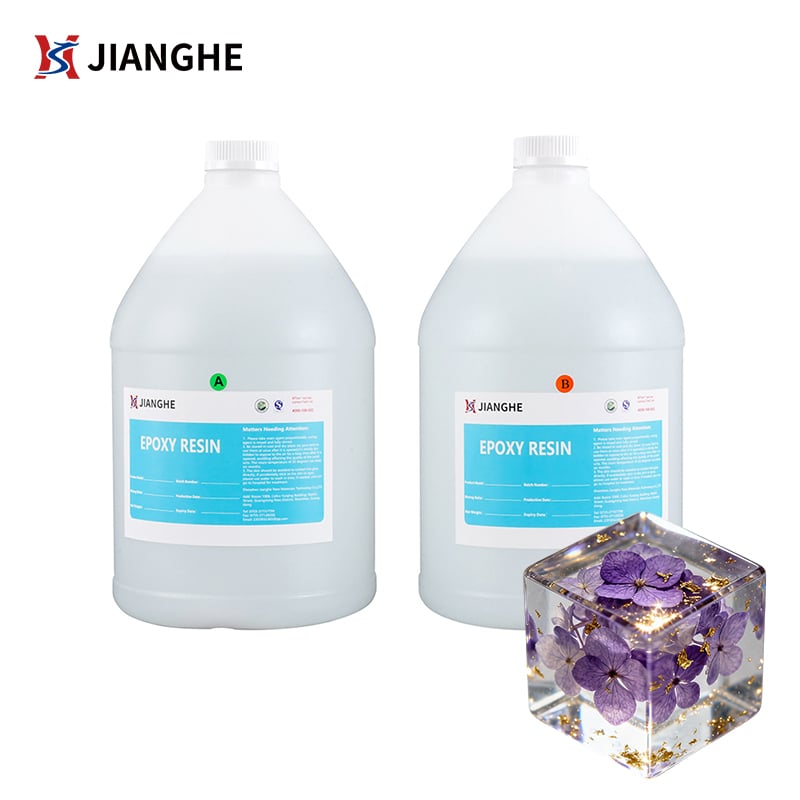
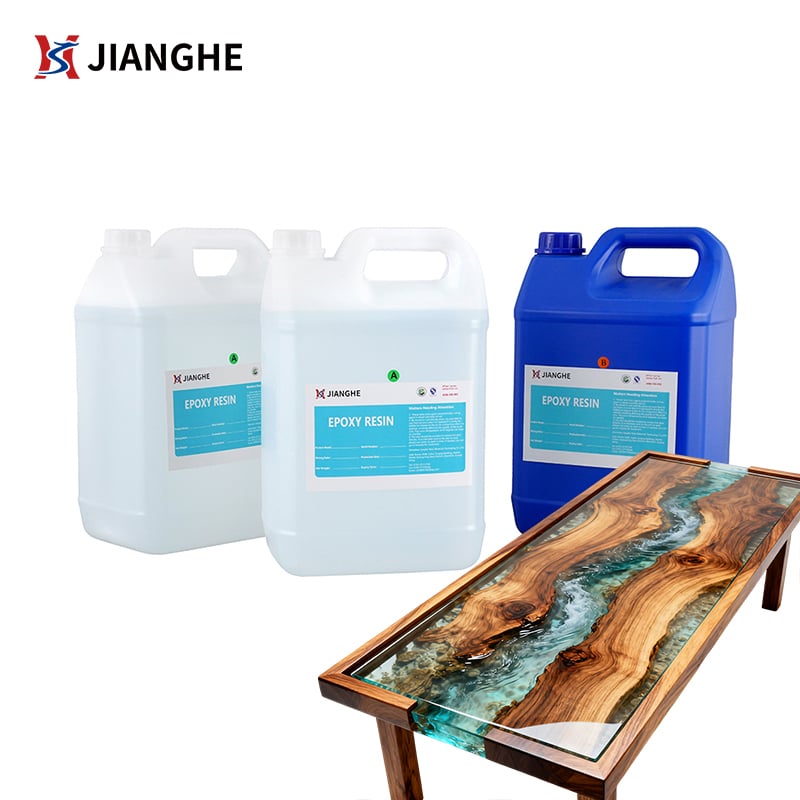
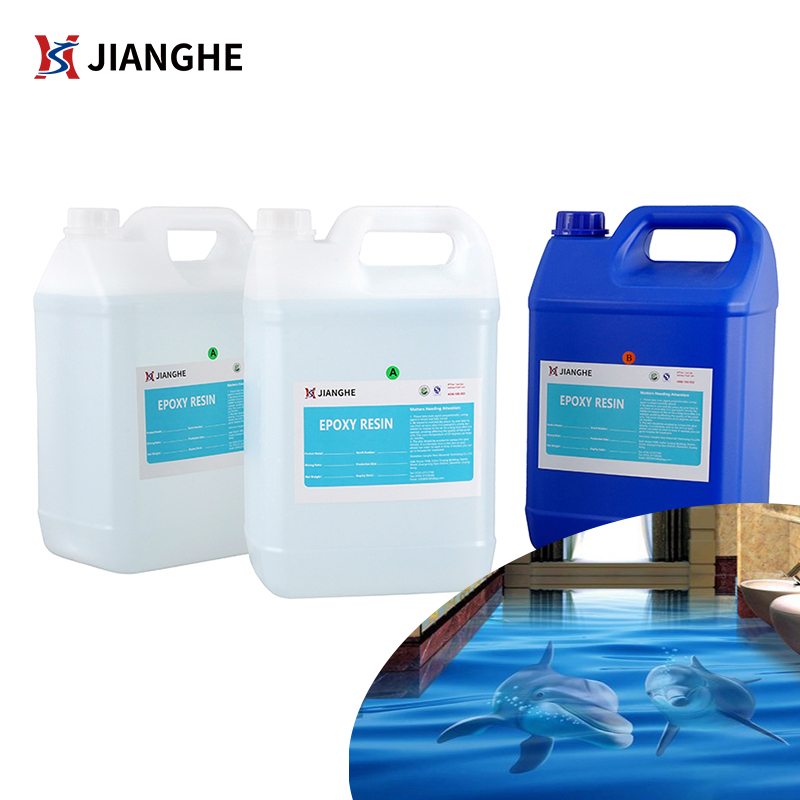
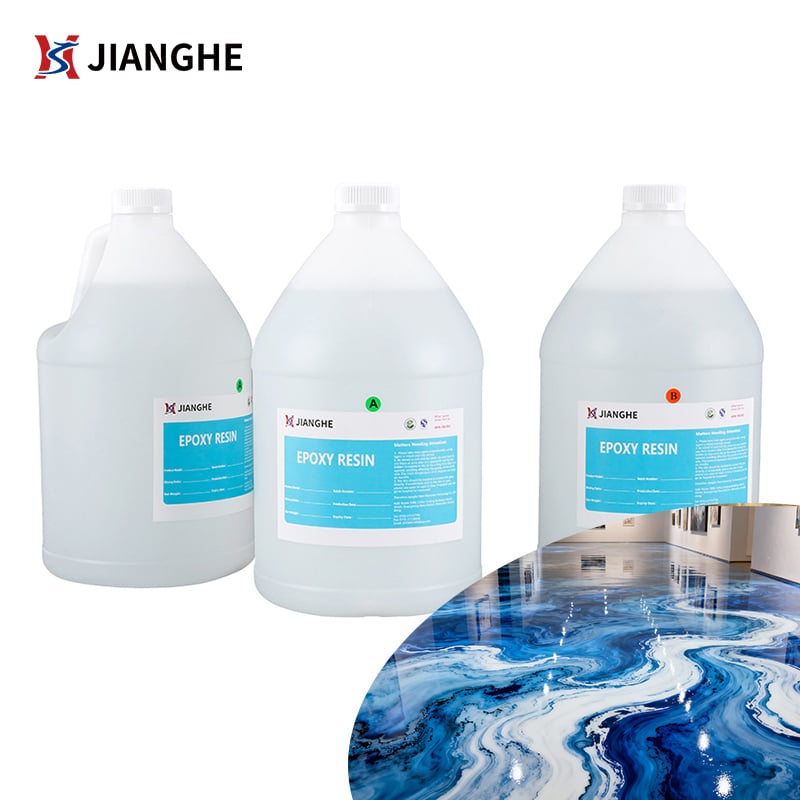
PU casting resin represents a sophisticated polymer solution designed for professionals seeking reliable and durable material applications. PU casting resin, also known as polyurethane casting resin, delivers exceptional performance across diverse industrial and creative sectors. This advanced material combines flexibility with structural integrity, making PU casting resin an ideal choice for manufacturers and artisans alike.
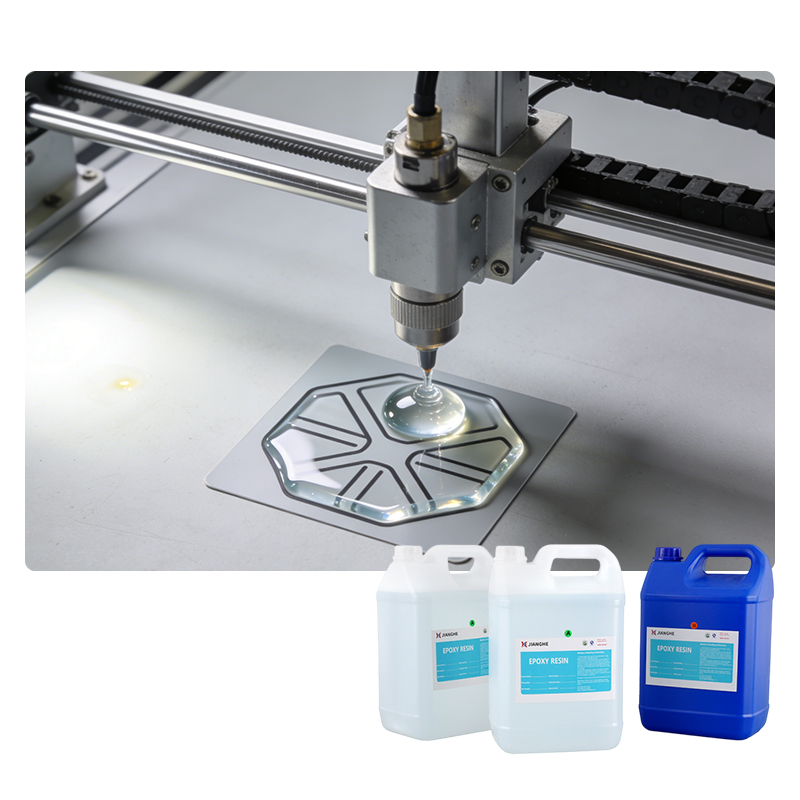
The primary function of PU casting resin involves creating solid components through a straightforward casting process. When mixed with appropriate hardeners, PU casting resin transforms into a robust solid form suitable for various end applications. The technological features of this material include rapid curing capabilities, minimal shrinkage during solidification, and excellent dimensional stability that ensures precision outcomes.
Key technological advantages of PU casting resin encompass low exotherm during curing, which reduces the risk of material degradation and surface defects. The material exhibits superior adhesion properties and outstanding chemical resistance, protecting finished products from environmental damage. PU casting resin formulations allow for customizable hardness levels, enabling users to tailor the final product characteristics to specific requirements.
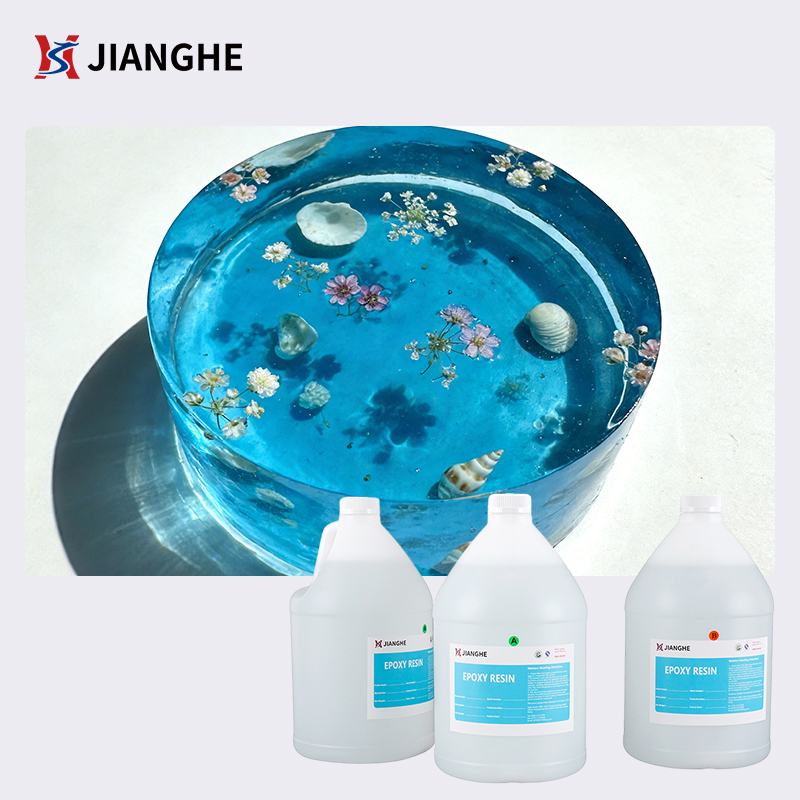
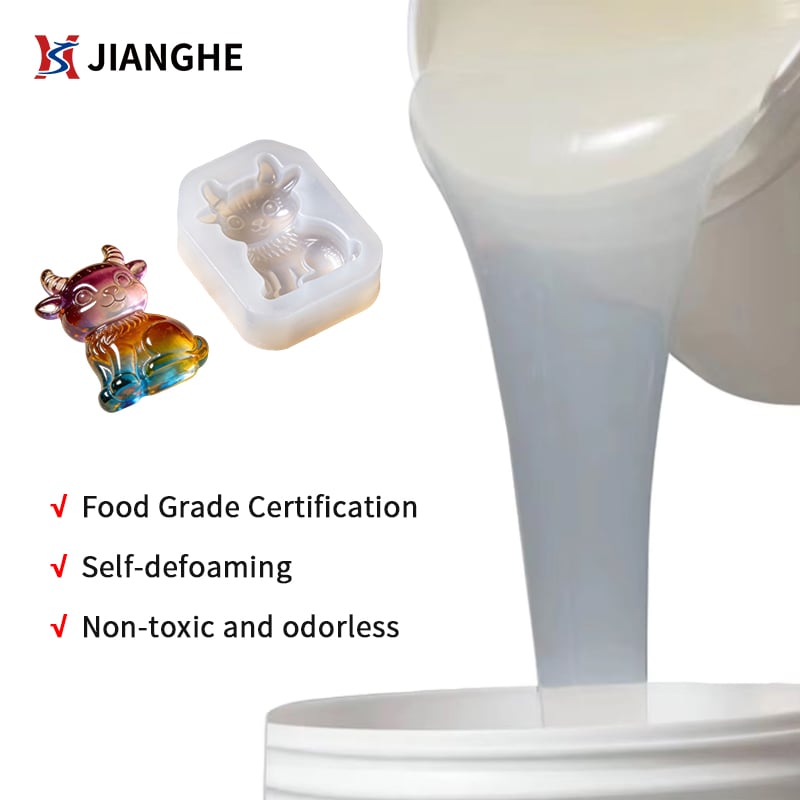
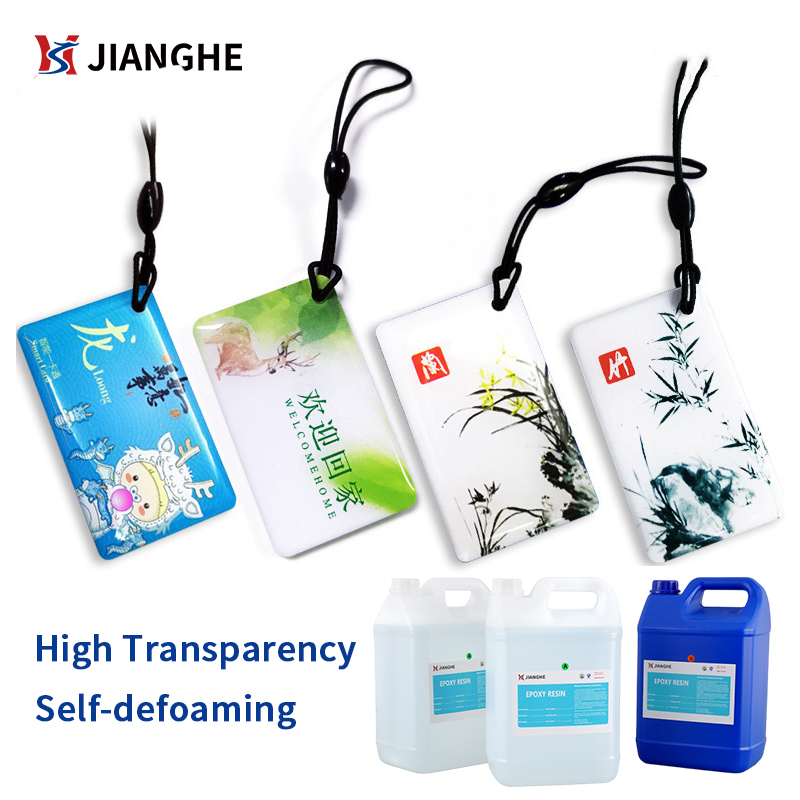
Applications for PU casting resin span multiple industries including automotive components, electrical insulation, decorative items, industrial tooling, and prototype development. Artists and designers utilize PU casting resin for creating intricate sculptures and reproductions. Manufacturers depend on PU casting resin for producing functional parts requiring durability and precision. The versatility of this material makes it invaluable across educational institutions, small businesses, and large-scale manufacturing operations seeking reliable performance.

 EN
EN