Premium Anti-Yellowing Polyurethane Resin | Superior UV Resistance & Long-Lasting Clarity Protection

All Categories

Get a Tailored Solution

Provide your details below, and our material experts will contact you with a competitive quote and technical support within 24 hours.
Email
Name
Company Name
Message
0/1000

anti-yellowing polyurethane resin

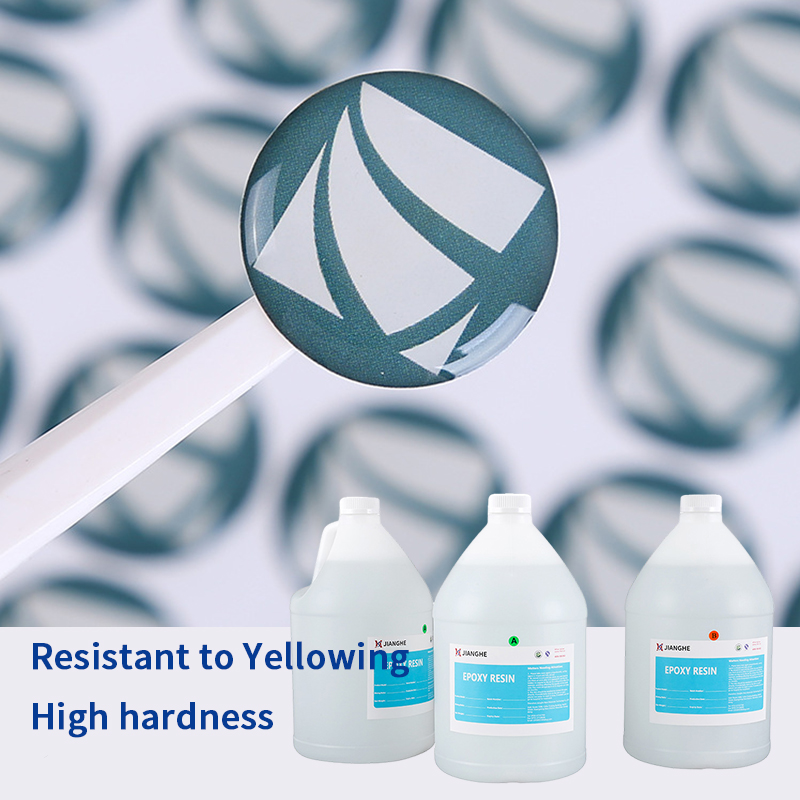
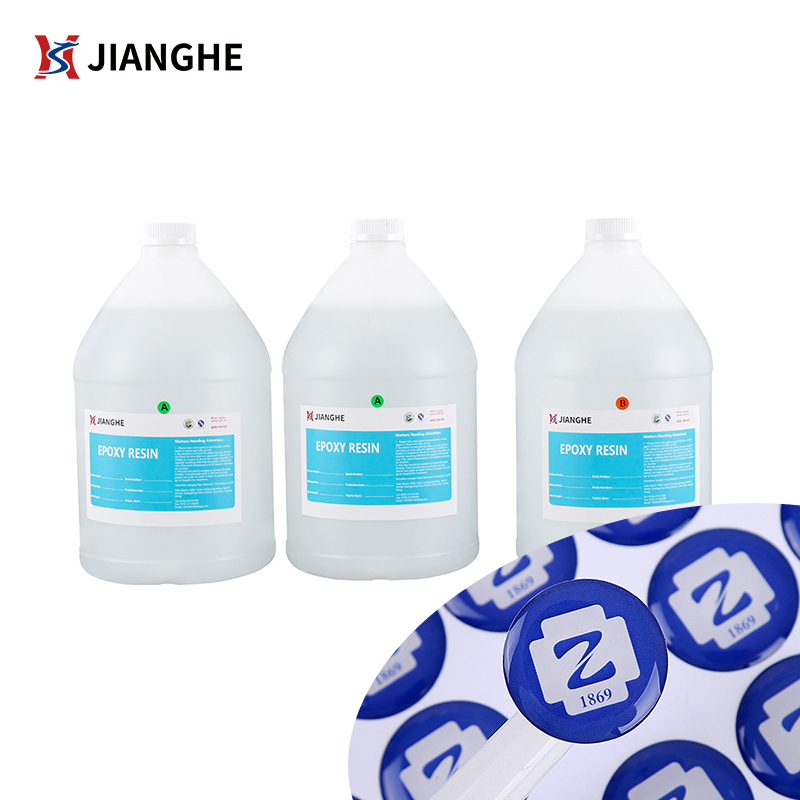
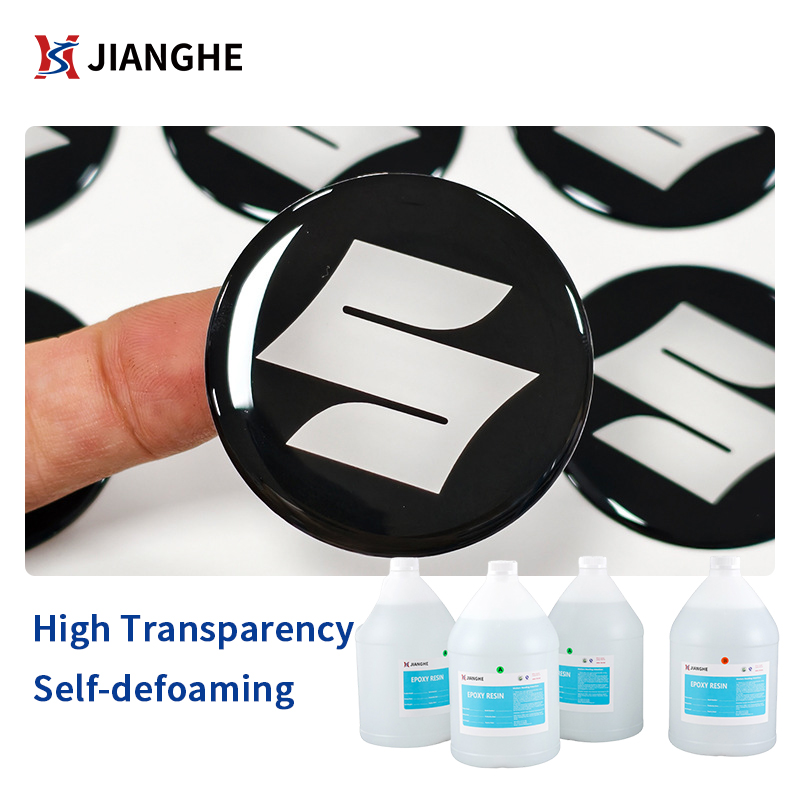
Anti-yellowing polyurethane resin represents a breakthrough in coating technology, designed to maintain exceptional clarity and color stability over extended periods. This specialized resin formulation prevents the common discoloration problem that affects traditional polyurethane systems when exposed to UV radiation, heat, and environmental factors. The primary function of anti-yellowing polyurethane resin centers on preserving the original appearance of coated surfaces while delivering superior protection and durability. The technological foundation of anti-yellowing polyurethane resin relies on advanced chemical stabilizers and UV-resistant additives that neutralize oxidative processes responsible for yellowing. These formulations incorporate specially engineered aromatic blockers and hindered amine light stabilizers that create a protective barrier against photodegradation. The resin maintains its transparency and mechanical properties through carefully balanced molecular structures that resist chain scission and cross-linking reactions under stress conditions. Manufacturing processes for anti-yellowing polyurethane resin involve precise temperature control and specialized curing agents that optimize performance characteristics. The resin exhibits excellent adhesion properties across various substrates including metals, plastics, wood, and composites. Its versatile nature allows for customization of viscosity, hardness, and flexibility parameters to meet specific application requirements. Applications for anti-yellowing polyurethane resin span multiple industries where appearance retention is critical. Automotive manufacturers utilize this technology for clear coat systems, interior components, and trim elements that require long-term aesthetic appeal. Electronics industries rely on anti-yellowing polyurethane resin for protective encapsulation of sensitive components, display screens, and optical devices. Furniture makers apply these resins to maintain the natural beauty of wood finishes without compromising durability. Marine applications benefit from the superior weather resistance and clarity preservation properties of anti-yellowing polyurethane resin formulations. The construction industry employs these materials for architectural glazing, decorative panels, and protective coatings where visual appeal must endure harsh environmental conditions.

New Products

Anti-yellowing polyurethane resin delivers remarkable color stability that surpasses conventional coating systems in demanding environments. Users experience significant cost savings through reduced maintenance requirements and extended service intervals. The superior clarity retention eliminates the need for frequent recoating cycles, saving both time and materials over the product lifecycle. This technology provides exceptional UV resistance that maintains original color properties even under intense sunlight exposure for years. The enhanced durability characteristics of anti-yellowing polyurethane resin create substantial value for customers seeking long-term performance solutions. This resin system offers superior chemical resistance against acids, alkalis, and solvents that typically cause degradation in standard formulations. Users benefit from improved scratch resistance and abrasion protection that maintains surface integrity under heavy use conditions. The flexibility of anti-yellowing polyurethane resin accommodates thermal expansion and contraction cycles without cracking or delamination issues. These properties translate to reduced warranty claims and increased customer satisfaction for manufacturers who specify this technology. Processing advantages include excellent flow characteristics and self-leveling properties that simplify application procedures. The resin cures to a hard, glossy finish that requires minimal buffing or polishing steps during manufacturing. Temperature resistance capabilities allow anti-yellowing polyurethane resin to perform reliably in both high-heat and freeze-thaw environments. This versatility expands the range of suitable applications and geographic markets where the product can succeed. Environmental benefits emerge from the extended service life that reduces waste generation and disposal requirements. The low volatile organic compound content of modern anti-yellowing polyurethane resin formulations supports green building initiatives and regulatory compliance. Users appreciate the ease of cleaning and maintenance that comes with the smooth, non-porous surface created by properly applied resin systems. The excellent adhesion properties minimize preparation requirements while ensuring reliable bond strength across diverse substrate materials. Quality control advantages include consistent batch-to-batch performance and predictable curing characteristics that support automated production processes.

Tips And Tricks

How Is Liquid Silicone Rubber Used in Professional Mold Making?

24

Dec

How Is Liquid Silicone Rubber Used in Professional Mold Making?

Practical Applications of Liquid Silicone Rubber in Professional Manufacturing Liquid Silicone Rubber plays a central role in professional making environments where precision, repeatability, and material reliability are critical. In contrast to hobby...
View More
How Can Buyers Assess Long-Term Reliability of a Resin Manufacturer?

11

Dec

How Can Buyers Assess Long-Term Reliability of a Resin Manufacturer?

Building Confidence in a Sustainable Manufacturing Partner Selecting a reliable Resin Manufacturer is a strategic decision that directly affects product quality, delivery stability, and long-term cooperation efficiency. For buyers sourcing epoxy resi...
View More
How Does Anti-Yellowing Resin Maintain Long-Term Visual Clarity?

17

Dec

How Does Anti-Yellowing Resin Maintain Long-Term Visual Clarity?

The Importance of Visual Stability in Modern Epoxy Applications Anti-Yellowing Resin has become a critical material choice in epoxy systems where long-term appearance, transparency, and color consistency are as important as mechanical performance. In...
View More
Why Do Mold Makers Choose Liquid Silicone for Complex Mold Projects?

04

Jan

Why Do Mold Makers Choose Liquid Silicone for Complex Mold Projects?

Liquid Silicone in Modern Mold Making Liquid silicone has become the material of choice for mold makers seeking precision, flexibility, and durability in their projects. Its unique properties allow manufacturers to produce complex molds that traditio...
View More

Get a Free Quote

Our representative will contact you soon.
Email
Name
Company Name
Message
0/1000

anti-yellowing polyurethane resin

Superior UV Protection and Long-Term Clarity Preservation

Superior UV Protection and Long-Term Clarity Preservation

The most distinguishing characteristic of anti-yellowing polyurethane resin lies in its exceptional ability to resist ultraviolet radiation damage while maintaining crystal-clear transparency throughout its service life. This remarkable performance stems from sophisticated molecular engineering that incorporates advanced UV stabilizers and antioxidants directly into the polymer backbone. These protective compounds work synergistically to neutralize harmful free radicals and prevent the oxidative chain reactions that typically cause yellowing in conventional polyurethane systems. The technology ensures that surfaces coated with anti-yellowing polyurethane resin retain their original appearance for decades, even under severe outdoor exposure conditions. This capability proves invaluable for applications where aesthetic appeal directly impacts product value and customer satisfaction. Automotive manufacturers particularly benefit from this technology when producing clear coat systems for luxury vehicles, where any discoloration would significantly diminish resale value and brand reputation. The UV protection mechanism operates through multiple pathways, including photon absorption, energy dissipation, and radical scavenging processes that collectively shield the underlying polymer matrix from degradation. Laboratory testing demonstrates that anti-yellowing polyurethane resin maintains less than 2% yellowing index change after 2000 hours of accelerated weathering exposure, compared to 15-25% changes in standard formulations. This dramatic improvement translates to substantial cost savings for end users who would otherwise need to replace or refinish surfaces every few years. The clarity preservation extends beyond simple color stability to encompass optical properties such as light transmission and haze resistance that are critical for display applications and optical devices. Electronics manufacturers rely on this performance to ensure that protective coatings do not interfere with screen visibility or touch sensitivity over the product lifetime. The consistent clarity also supports quality control processes by maintaining the visibility of underlying components and markings that may be essential for inspection or maintenance procedures.
Enhanced Chemical Resistance and Mechanical Durability

Enhanced Chemical Resistance and Mechanical Durability

Anti-yellowing polyurethane resin exhibits superior resistance to chemical attack and mechanical wear compared to alternative coating technologies, making it the preferred choice for demanding industrial and commercial applications. The enhanced chemical resistance results from carefully engineered cross-link density and molecular architecture that creates a barrier against aggressive solvents, acids, and alkaline solutions. This protective capability ensures that surfaces maintain their integrity and appearance even when exposed to cleaning chemicals, fuel spills, or industrial processing fluids. The mechanical durability characteristics include exceptional scratch resistance, impact strength, and flexibility that accommodate substrate movement without cracking or delamination. These properties prove essential for high-traffic areas, automotive applications, and electronic devices that experience regular handling and use. The resin formulation balances hardness with flexibility through controlled cross-linking processes that optimize stress distribution and energy absorption capabilities. Testing protocols demonstrate that anti-yellowing polyurethane resin maintains structural integrity after thousands of flexural cycles and impact events that would damage conventional coating systems. The chemical resistance extends to biological attack from mold, mildew, and bacterial growth that can compromise both appearance and performance in humid environments. This protection proves particularly valuable for marine applications, outdoor equipment, and medical devices where cleanliness and sterility requirements are paramount. The durability characteristics also encompass thermal cycling resistance that prevents stress cracking and dimensional changes under temperature fluctuations. Manufacturing processes benefit from the excellent flow and leveling properties of anti-yellowing polyurethane resin that create smooth, uniform surfaces without brush marks or application defects. The cured resin exhibits low surface energy that resists contamination and simplifies cleaning procedures while maintaining its protective properties. These combined characteristics create a robust protective system that reduces maintenance costs and extends service intervals for critical applications where downtime and replacement costs are significant factors in total cost of ownership calculations.
Versatile Application Range and Processing Efficiency

Versatile Application Range and Processing Efficiency

The remarkable versatility of anti-yellowing polyurethane resin enables its successful application across diverse industries and substrate materials, while offering superior processing characteristics that streamline manufacturing operations. This adaptability stems from the ability to modify resin properties through controlled formulation adjustments that optimize performance for specific requirements without compromising the fundamental anti-yellowing characteristics. Manufacturers can customize viscosity, cure speed, hardness, and flexibility parameters to match their particular application needs while maintaining the essential clarity and stability benefits. The processing efficiency advantages include excellent pot life stability that allows for larger batch sizes and reduced waste from premature gelation. The resin exhibits predictable cure kinetics that support automated production schedules and quality control procedures across various environmental conditions. Application methods range from spray coating and brush application to casting and molding processes that accommodate different production scales and complexity requirements. The superior adhesion properties of anti-yellowing polyurethane resin eliminate the need for expensive primer systems on many substrates, reducing both material costs and processing time. This characteristic proves particularly valuable for multi-substrate assemblies where coating different materials with a single system simplifies inventory management and application procedures. The low shrinkage characteristics during cure minimize stress development and dimensional changes that could affect precision components or optical clarity requirements. Temperature processing windows accommodate both room temperature and elevated temperature cure cycles, providing flexibility for different production environments and throughput requirements. The excellent compatibility with various pigments and additives allows for custom color matching and specialized property enhancement without affecting the core anti-yellowing performance. Quality assurance benefits include consistent batch-to-batch properties and reliable cure indicators that support statistical process control and certification requirements. The environmental advantages encompass low volatile organic compound emissions and reduced solvent requirements that support green manufacturing initiatives and workplace safety programs. Storage stability characteristics minimize waste from expired materials while supporting just-in-time inventory practices that reduce carrying costs and storage space requirements for manufacturing facilities.

Get Samples & Support

Email
Name
Company Name
Country/Region
What Are You Making
Single Choice
Estimated Monthly Usage
Single Choice
Message
0/1000