Room 1008, Building 1, Cofco Yunjing, Martin Street, Heshui Kou Community, Guangming +86-13418798686 [email protected]
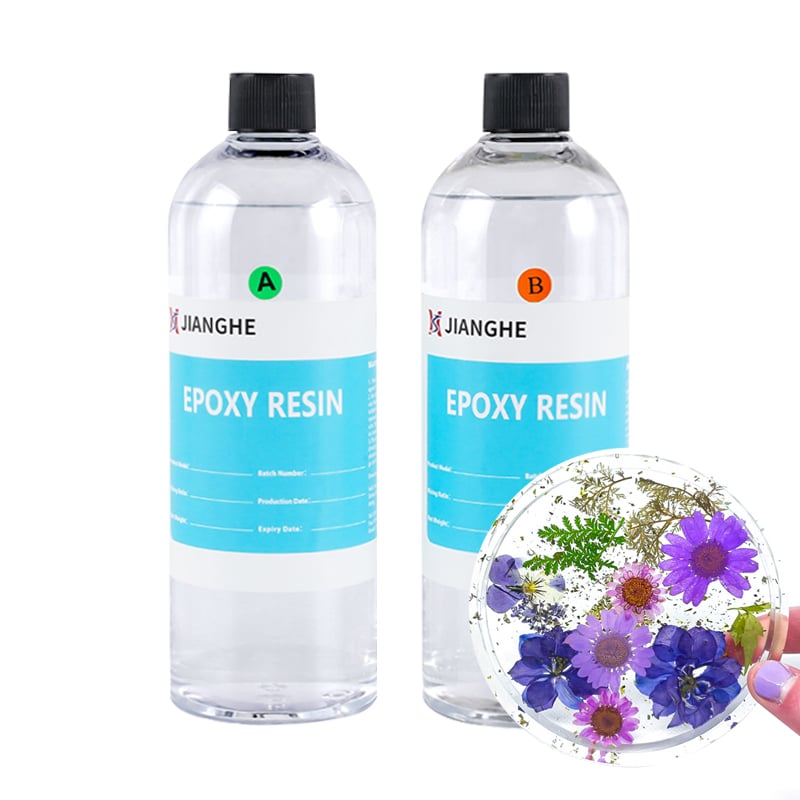
Choosing the perfect epoxy resin for your craft project is a decision that lies between art and science. The right resin will yield a crystal-clear, hard, and durable creation; the wrong one can lead to yellowing, warping, or a finish that never quite sets properly. As a professional epoxy resin manufacturer, we understand your challenges. This guide will serve as your authoritative manual, taking you through the essential factors to select the ideal resin for your specific project.
Step 1: Understand Resin Types - Casting Resin vs. Coating Resin
This is the most critical step; choosing wrong will directly lead to project failure.
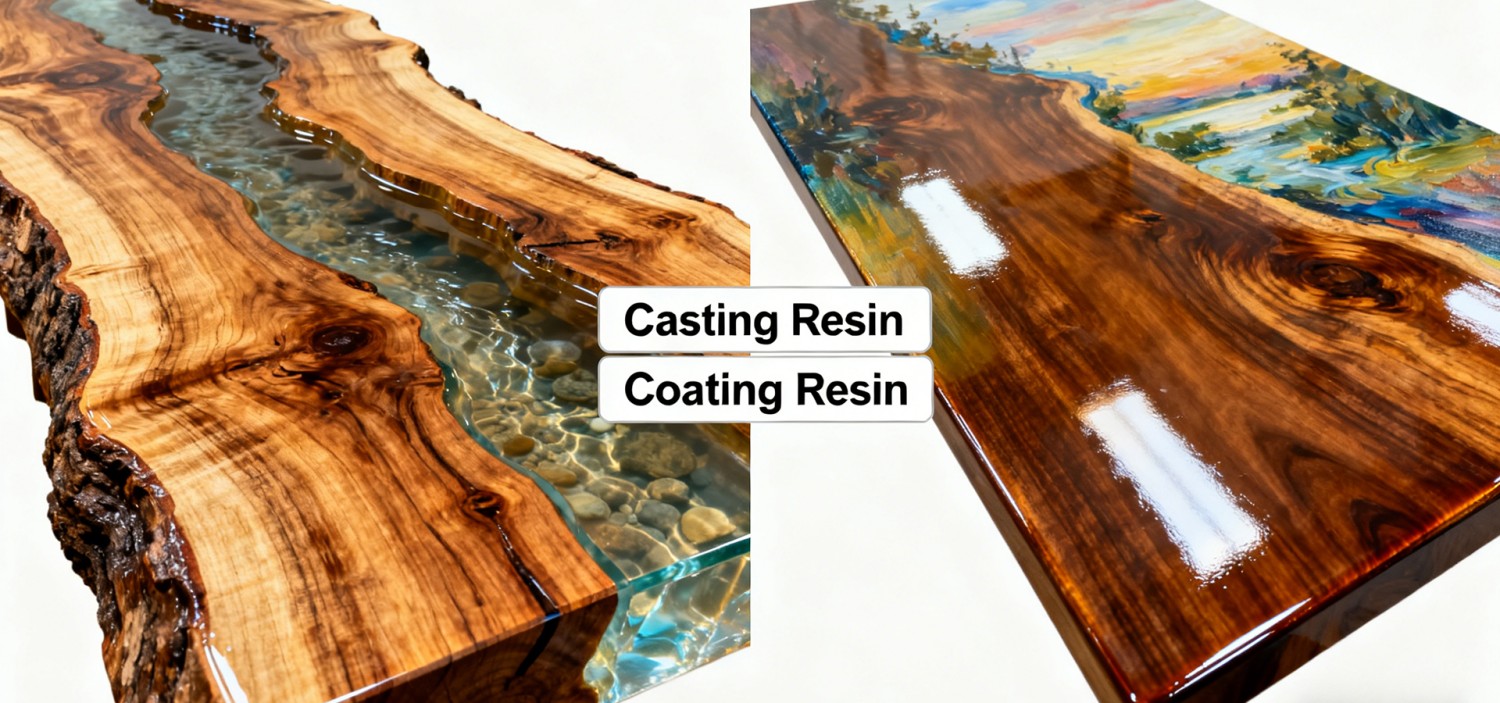
Casting Resin, also known as deep-pour resin, is characterized by its low viscosity and slow cure.
Coating Resin, also known as art resin or tabletop resin, is characterized by its high viscosity and faster cure.
The Key Difference: Casting resin is for "filling a volume," coating resin is for "covering a surface." Never use coating resin for deep pours, as it will crack, warp, and yellow due to excessive heat and shrinkage.
Step 2: Decode the Technical Specs - Reading the Datasheet
Understanding these key parameters will empower you to make an informed choice.
① Mix Ratio: The most common are 1:1, 2:1, or 3:1 (Part A : Part B). Always mix precisely by weight using a digital scale as instructed. Volume measurements are inaccurate and will result in a sticky, uncured mess.
② Pot Life/Working Time: This is the period after mixing when the resin remains liquid and workable for you to pour, pigment, and manipulate. Complex projects require a long pot life; for quick coats, a shorter one is acceptable.
③ Cure Time: This is the time required for the resin to reach a specified hardness (e.g., touch-dry, hard cure). Please note that a full cure can take up to 7 days or more, after which it can be sanded or put under heavy load.
④ Maximum Pour Depth: This is the manufacturer's recommended safe maximum thickness for a single pour. Never exceed this limit, or the resin may overheat due to the "exothermic reaction," causing smoking, bubbles, yellowing, or even cracking. Casting resins typically allow for a greater depth.
⑤ Viscosity: Measures the resin's resistance to flow. Low viscosity (thin) is easy for bubble release and filling details; high viscosity (thick) offers great self-leveling but may trap air bubbles.
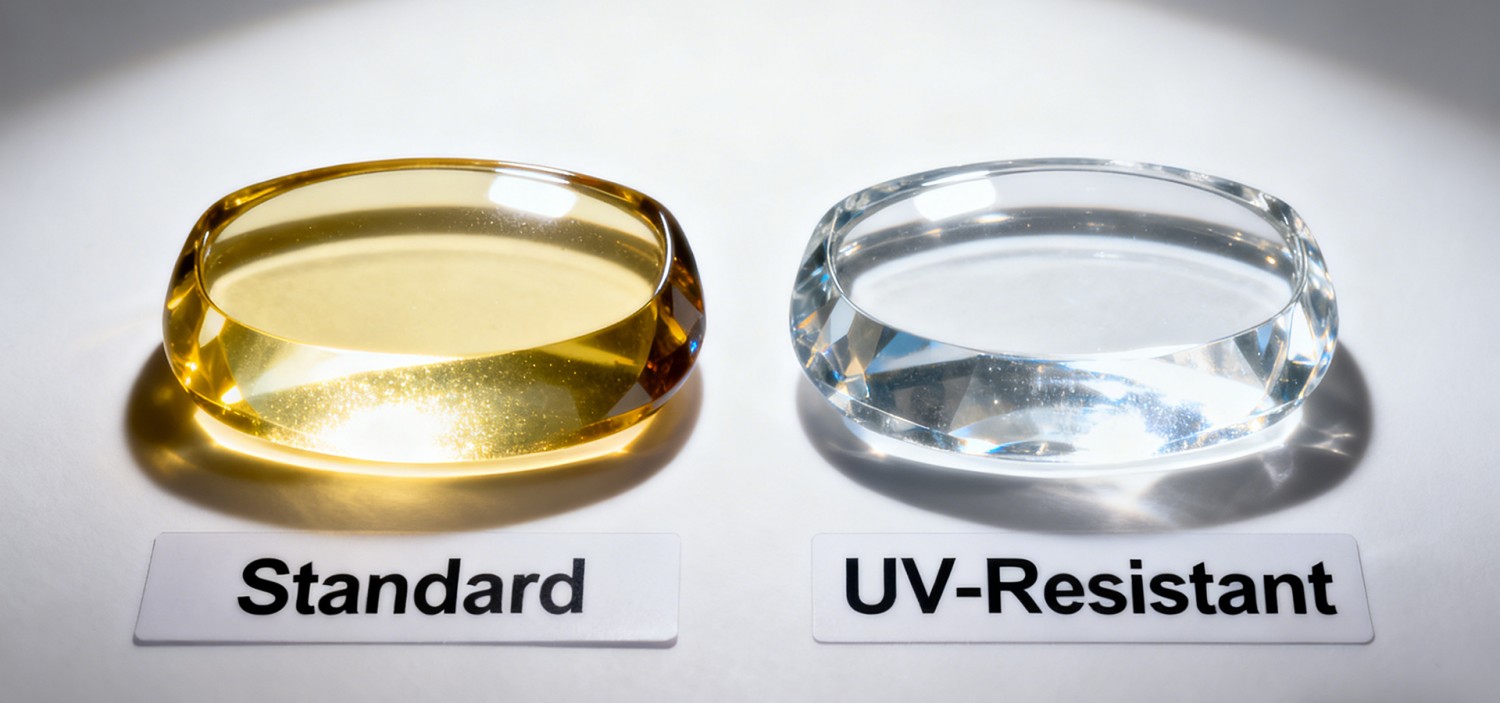
⑥ UV Resistance & Yellowing Stability:
Step 3: Choose Based on Your Project - A Scenario-Based Guide
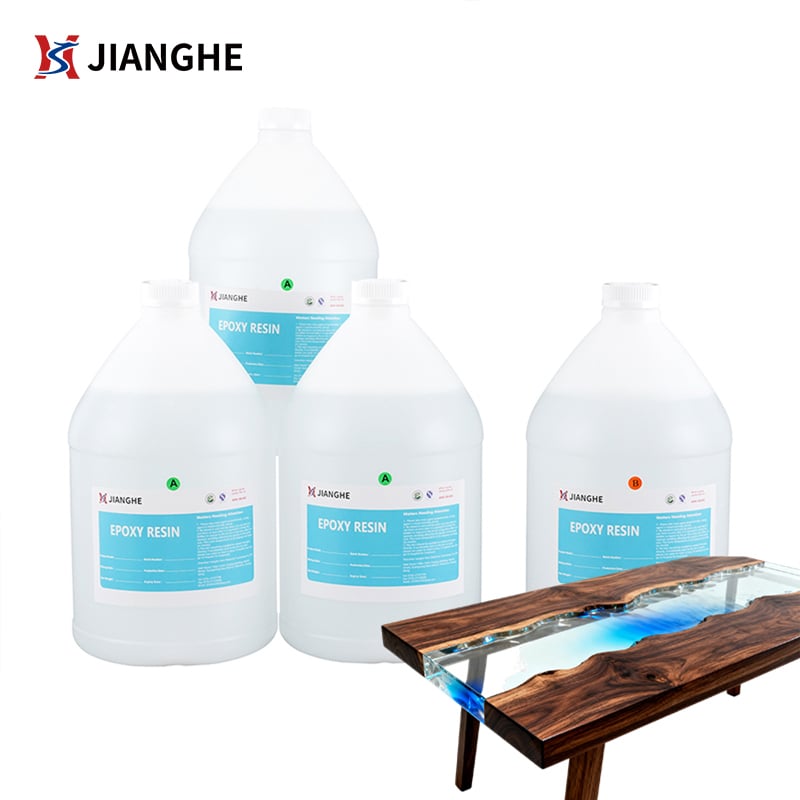
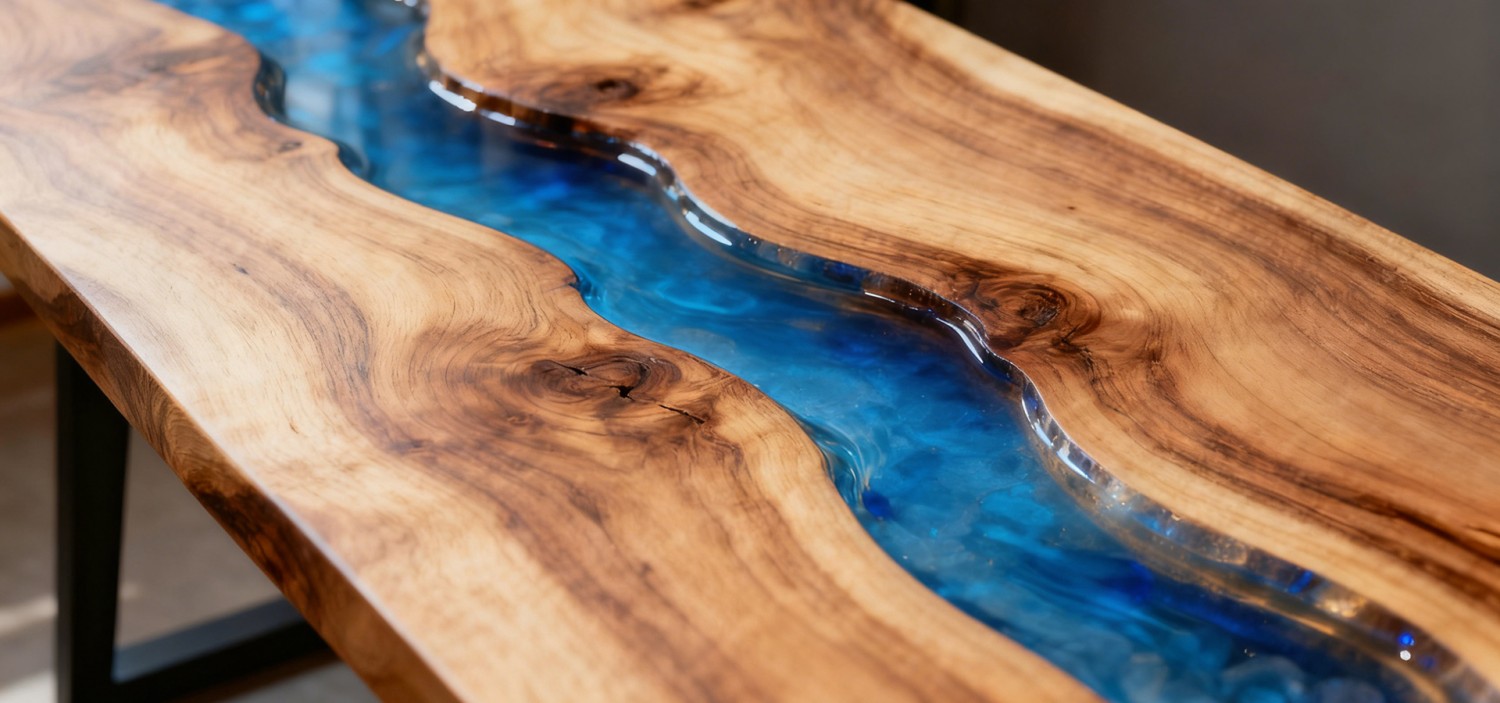
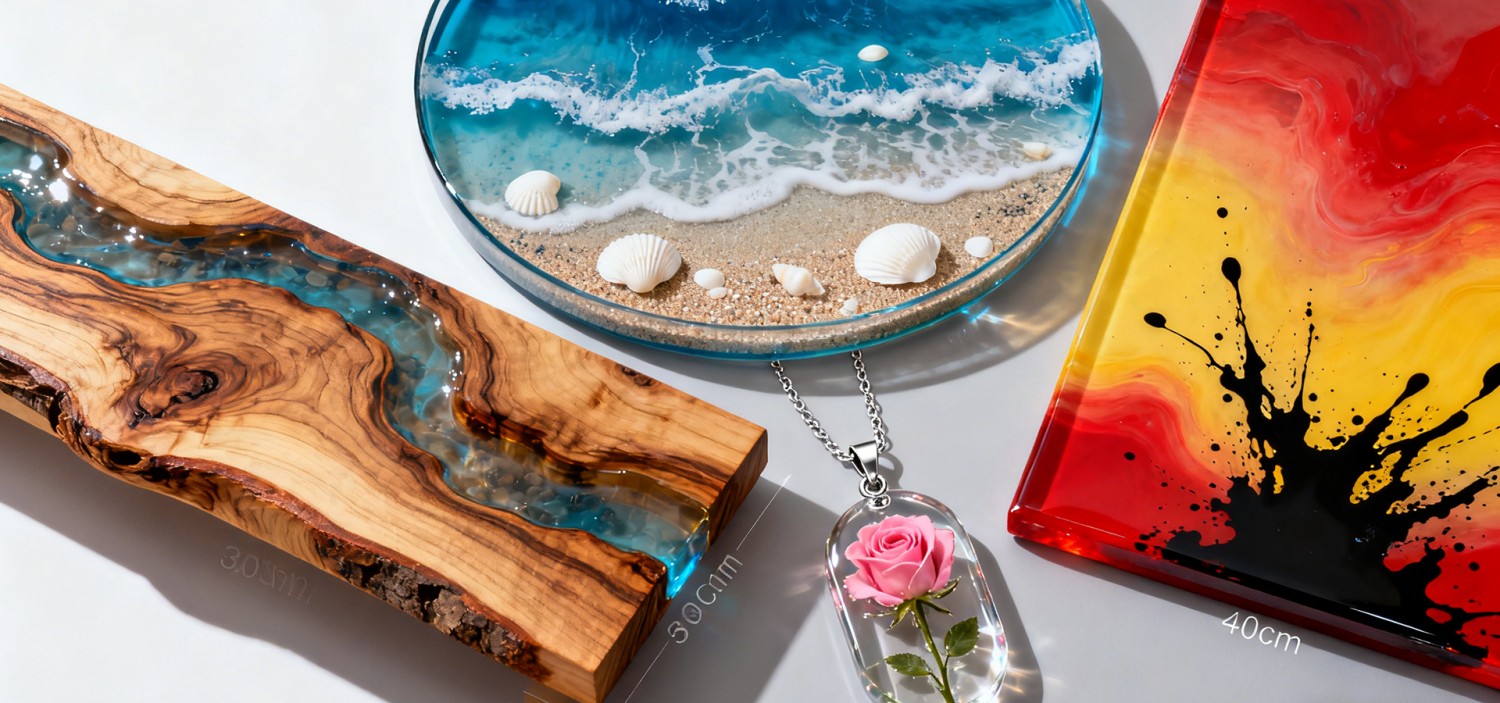
Project: River Table, Deep-Pour Geode Art, Encapsulating Objects
Recommended Resin: Casting Resin.
Why: Its low viscosity and slow cure allow you to pour the required depth in one go while managing exothermic heat, preventing bubbles and cracks, and perfectly encapsulating objects.
Project: Painting Coating, Wood Panel Art, Jewelry Dishes, Tabletop Coating
Recommended Resin: Coating Resin.
Why: Its high viscosity and self-leveling nature easily create a even, glass-like, and hard protective surface, and it cures relatively faster, minimizing dust contamination.
Project: Projects Requiring Ultimate Clarity and Yellowing Resistance (e.g., items for sale)
Recommended Resin: Coating or Casting Resin with a UV-Resistant Formula.
Why: Ensures your artwork maintains its original color and clarity for years to come, a mark of professional quality.
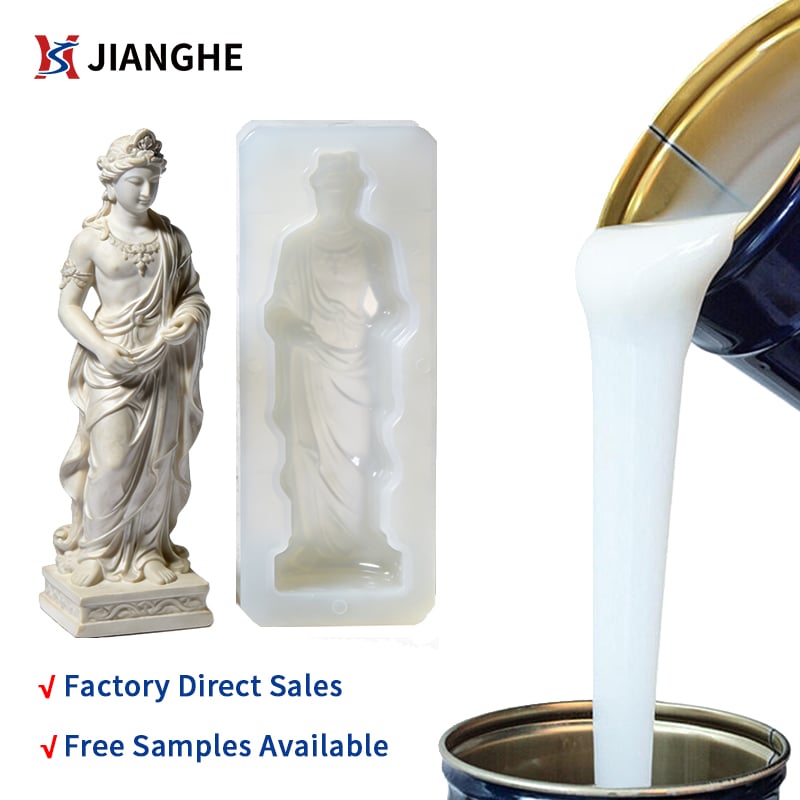
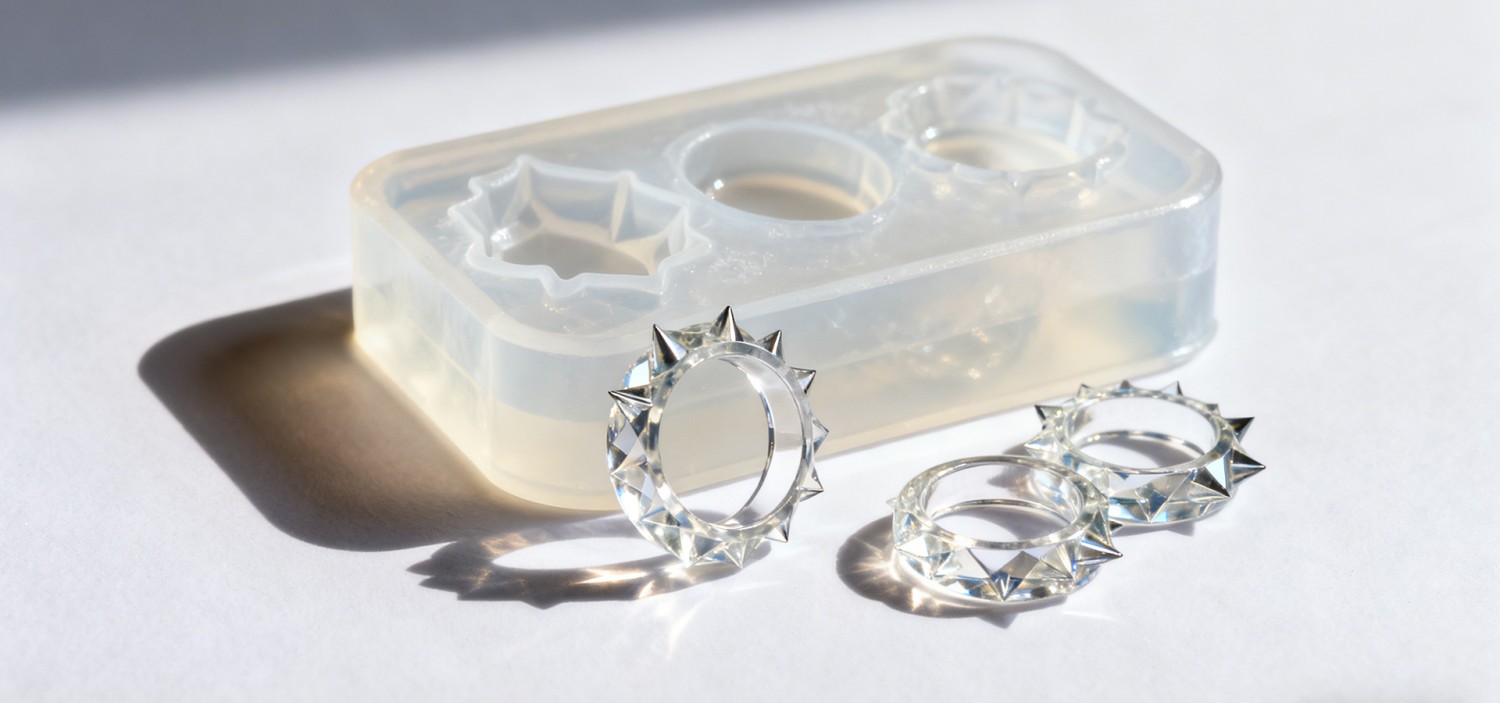
Project: Mold Casting (e.g., figurines, jewelry)
Recommended Resin: Casting Resin with Low Viscosity and a Slightly Flexible Formula.
Why: Low viscosity captures every detail of the mold, while slight flexibility helps the final piece release from the mold without being brittle and cracking.
Step 4: Professional Tips & Common Pitfalls
1.Precise Measurement is 90% of Success: Always mix by weight using a digital scale. Volume measurement is a primary cause of failure.
2.Environment is Key: Ideal conditions are 23-25°C and below 60% relative humidity. Low temperatures prevent full cure; high humidity can cause surface blushing (amine bloom).
3.Do Not Exceed Limits: Never exceed the resin's Maximum Pour Depth. For thicker pieces, do multiple pours with proper inter-coat sanding.
4.Test! Test! Test!: Always run a small test before a large project to check color, mix ratio, and cure.
Step 5: Trust in Professional Quality - Why Choose Us
At Jianghe, we understand the demanding standards that crafters have for material quality. We are not just a manufacturer; we are a partner in your creative journey.

Let Professional Resin Empower Your Creativity
Choosing the right epoxy resin is a crucial step in elevating your work from good to exceptional. We believe that with our professional products and your boundless creativity, we can together create stunning works of art.
Contact our expert team today to get personalized resin recommendations for your next masterpiece!
 Hot News
2025-12-29
2025-11-25
2025-11-23
2025-11-22
Factory-backed material solutions for manufacturers, brands and distributors worldwide. We specialize in liquid silicone rubber, epoxy resin, flooring materials and related products, providing reliable manufacturing, OEM customization and stable global supply.
Copyright © 2026 Shenzhen Jianghe New Materials Technology Co., Ltd.All rights reserved. Privacy Policy
 EN
EN