two part epoxy resin glue
Two part epoxy resin glue represents a revolutionary adhesive solution that combines two distinct chemical components to create an exceptionally strong and durable bond. This two part epoxy resin glue works by mixing a resin and a hardener in precise proportions, initiating a chemical reaction that produces superior adhesive strength. The two part epoxy resin glue technology delivers exceptional versatility across numerous industries and applications.
The primary function of two part epoxy resin glue is to create permanent, waterproof bonds between various materials including metal, ceramic, wood, plastic, and composite surfaces. This advanced two part epoxy resin glue formulation cures through a thermosetting process, developing a rock-solid connection that resists temperature fluctuations, moisture penetration, and mechanical stress.
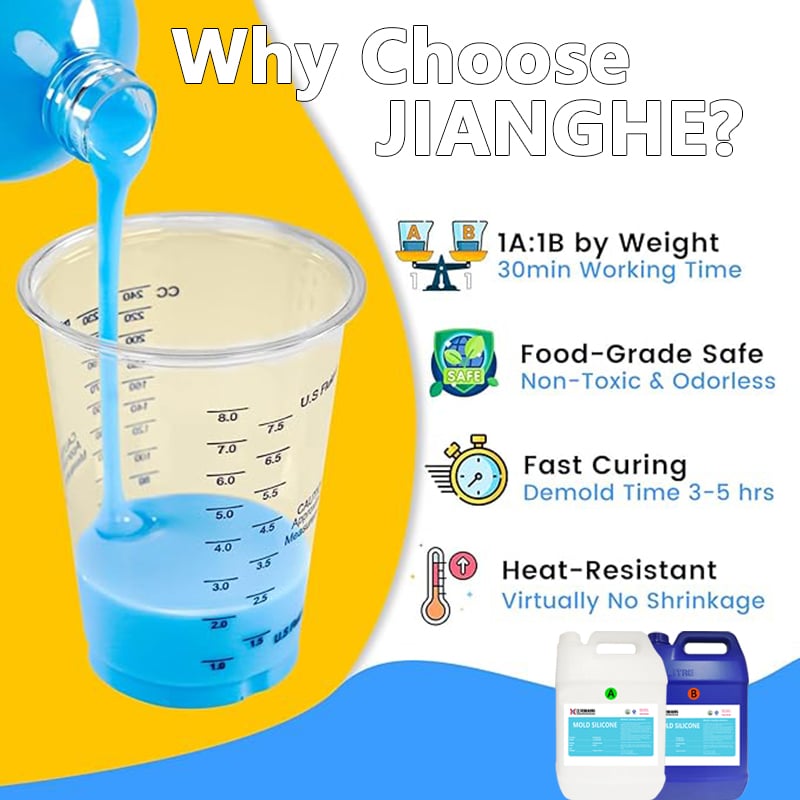
Key technological features distinguish two part epoxy resin glue from conventional adhesives. The two part epoxy resin glue system offers extended working time, allowing craftspeople adequate opportunity to position components precisely before the adhesive sets. The chemical composition ensures minimal shrinkage during the curing process, maintaining dimensional accuracy and structural integrity.
Applications for two part epoxy resin glue span industrial manufacturing, automotive repair, aerospace construction, marine engineering, and household repairs. Professionals and DIY enthusiasts rely on two part epoxy resin glue for bonding critical components where failure is not an option. The two part epoxy resin glue delivers consistent, repeatable results across diverse projects and environmental conditions, making it the preferred choice for demanding applications requiring maximum reliability and longevity.

 EN
EN