
 EN
EN
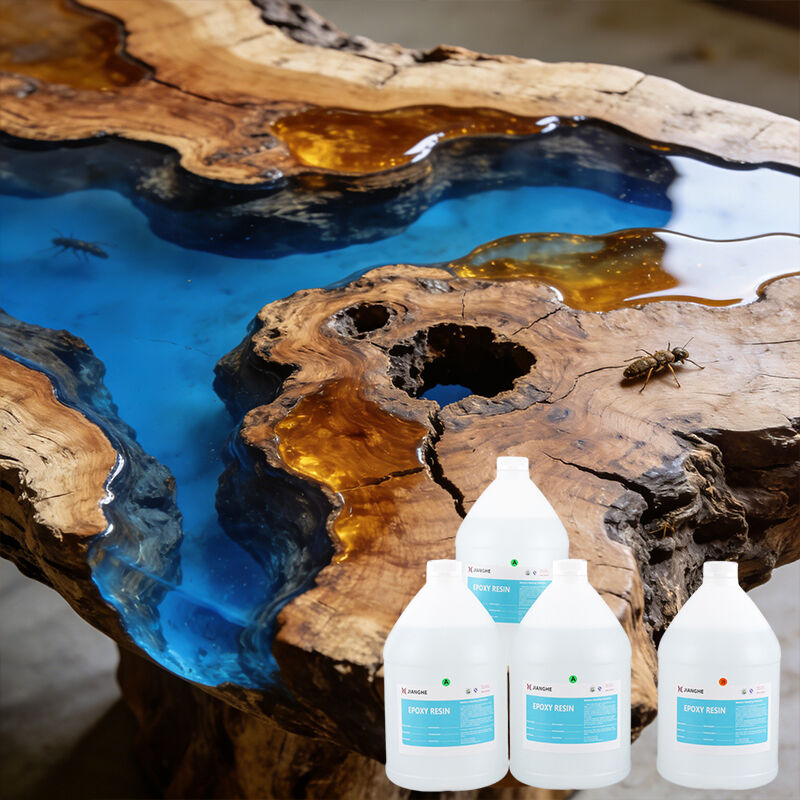
Managing Exothermic Reactions and Cracking in River Table Epoxy
River Table Epoxy has become a favorite material for designers and artisans who create stunning river tables, countertops, and artistic pieces. Its clarity, durability, and versatility make it ideal for blending with wood and other decorative elements. However, working with River Table Epoxy requires careful attention to the exothermic reaction that occurs during curing, as excessive heat can lead to cracking, bubbles, or other defects. Understanding the properties of River Table Epoxy, controlling the curing process, and using proper techniques are essential for producing flawless, high-quality tables that maintain their aesthetic and structural integrity.
Understanding Exothermic Reactions in River Table Epoxy
Chemical Reaction and Heat Generation
River Table Epoxy undergoes a chemical reaction during curing, which releases heat. The rate of this exothermic reaction depends on factors such as the epoxy formulation, layer thickness, ambient temperature, and mixing ratios. Excessive heat buildup can cause accelerated curing, leading to surface defects, bubbles, and internal stresses that increase the risk of cracking.
Layer Thickness and Heat Accumulation
Pouring thick layers of River Table Epoxy can result in higher exothermic heat, as the interior of the epoxy mass retains heat more effectively than thinner layers. Controlling layer thickness and allowing each layer to partially cure before adding the next helps dissipate heat and minimize thermal stress.
Environmental Temperature and Humidity
Ambient conditions such as high temperatures or humidity can exacerbate the exothermic reaction in River Table Epoxy. Warmer environments accelerate curing, potentially causing uneven polymerization, shrinkage, and cracking. Maintaining optimal environmental conditions is key to achieving a smooth, defect-free surface.
Techniques to Control Cracking in River Table Epoxy
Proper Mixing and Pouring Methods
Accurate measurement and thorough mixing of River Table Epoxy components are critical to prevent premature curing or uneven heat generation. Slow, careful mixing reduces the incorporation of air bubbles and ensures uniform chemical reactions. Pouring the epoxy gradually in thin layers helps control the exothermic process and reduces the likelihood of cracking.
Using Heat-Resistant Formulations
Certain River Table Epoxy formulations are designed to tolerate higher layer thicknesses and slower curing without generating excessive heat. Selecting a heat-resistant or low-exotherm epoxy allows artisans to pour thicker river sections without risking cracks or deformation.
Environmental Control During Curing
Controlling room temperature, humidity, and airflow during the curing process helps manage heat buildup in River Table Epoxy. Cooling the workspace, using fans, or curing in a controlled environment ensures gradual polymerization and prevents rapid heat accumulation.
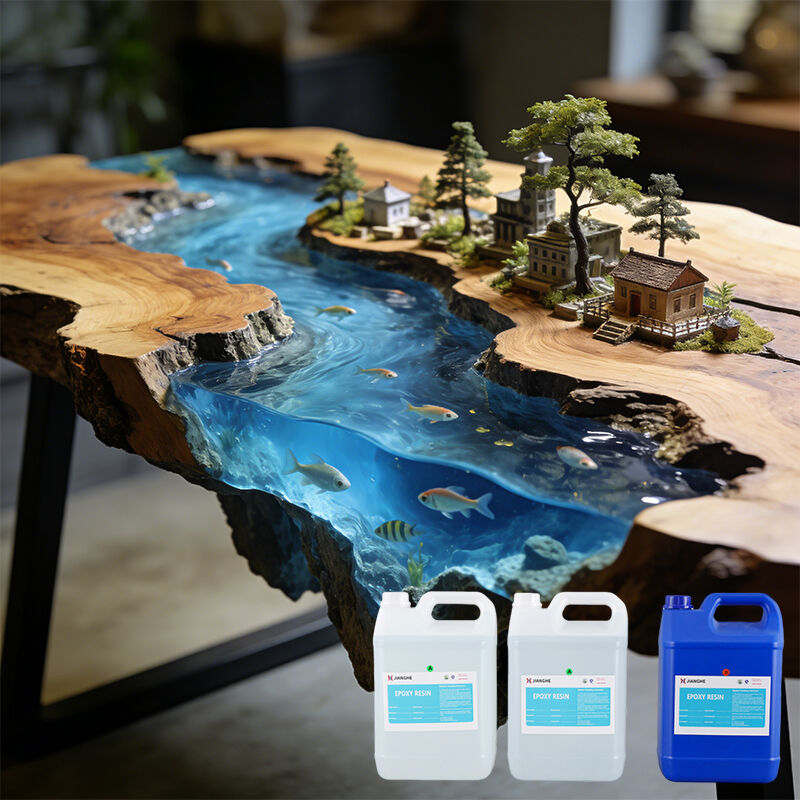
Additional Measures to Prevent Cracking and Defects
Wood and Substrate Preparation
Preparing the wood and substrate properly before pouring River Table Epoxy reduces stress on the epoxy layer. Sealing porous wood surfaces prevents air bubbles and uneven curing. Ensuring the substrate is flat and stable minimizes movement that could cause cracks during the curing process.
Monitoring and Correcting Early Defects
Regular observation of River Table Epoxy during curing allows early intervention if bubbles, uneven surfaces, or cracks appear. Techniques such as gentle heat application or sanding minor imperfections can restore the surface and prevent further damage.
Protective Additives and Reinforcements
Some River Table Epoxy formulations include additives or fiber reinforcements that improve flexibility and reduce the likelihood of cracking. Incorporating these features can enhance the durability of large river tables and maintain a flawless finish.
Applications and Benefits of Properly Managed River Table Epoxy
Custom River Tables and Furniture
Properly controlled River Table Epoxy allows designers to create stunning, large-scale river tables without the risk of cracking. The combination of clarity, depth, and durability enhances the visual appeal and functional longevity of custom furniture pieces.
Artistic and Decorative Projects
Artists benefit from River Table Epoxy’s ability to capture embedded objects, pigments, or colorants while maintaining a smooth, crack-free surface. Controlled exothermic reactions ensure that artistic details are preserved and the epoxy cures evenly.
High-End Commercial Installations
River Table Epoxy is suitable for commercial environments where durability and aesthetics are both critical. By managing the exothermic reaction and preventing cracking, epoxy-coated surfaces maintain their visual appeal and structural integrity even in high-traffic or variable temperature settings.
FAQ
How does River Table Epoxy generate heat during curing
River Table Epoxy undergoes an exothermic chemical reaction during curing, releasing heat. The amount of heat depends on layer thickness, ambient temperature, and the specific epoxy formulation.
Why do thick layers of River Table Epoxy crack
Thick layers retain more heat from the exothermic reaction, causing rapid curing and internal stress. This stress can lead to cracks, bubbles, or surface defects if not controlled properly.
What methods prevent cracking in River Table Epoxy
Pouring thin layers, using heat-resistant epoxy formulations, controlling environmental conditions, and preparing the substrate properly are effective techniques to prevent cracking and defects.
Can additives improve the durability of River Table Epoxy
Yes, certain additives or fiber reinforcements can enhance flexibility and reduce the likelihood of cracking, especially in larger pours or artistic projects.