
 EN
EN
The Importance of Visual Stability in Modern Epoxy Applications
Anti-Yellowing Resin has become a critical material choice in epoxy systems where long-term appearance, transparency, and color consistency are as important as mechanical performance. In many industrial, commercial, and decorative applications, epoxy materials are expected to maintain a clean and stable visual effect throughout years of service. Yellowing, discoloration, and loss of clarity not only affect aesthetics but also reduce perceived product quality and functional value.
As epoxy resin systems continue to expand beyond basic structural uses into coatings, encapsulation, adhesives, and decorative surfaces, visual durability has become a key performance indicator. Anti-Yellowing Resin addresses this demand by slowing down the aging processes that cause epoxy materials to darken, yellow, or become cloudy over time. Through advanced formulation design, Anti-Yellowing Resin enables epoxy systems to maintain long-term visual clarity even under challenging environmental conditions.
Common Causes of Yellowing in Epoxy Resin Systems
Ultraviolet Exposure and Light-Induced Degradation
Ultraviolet radiation is one of the primary contributors to yellowing in epoxy materials. When epoxy resin is exposed to sunlight or artificial UV sources, the polymer chains absorb high-energy radiation that triggers photo-oxidation reactions. These reactions break molecular bonds and form light-absorbing groups, gradually turning clear or light-colored epoxy into a yellow or amber shade.
Traditional epoxy formulations often rely on aromatic structures that are particularly sensitive to UV light. Anti-Yellowing Resin reduces this vulnerability by using optimized resin backbones and protective additives that limit UV absorption and slow degradation.
Thermal Aging and Heat Accumulation
Heat accelerates chemical reactions within epoxy polymers, leading to oxidation and color changes over time. Continuous exposure to elevated temperatures, or repeated heating and cooling cycles, can cause epoxy materials to darken and lose transparency.
Anti-Yellowing Resin is formulated with enhanced thermal stability, allowing epoxy systems to resist heat-induced discoloration. This makes it suitable for applications near machinery, lighting systems, or environments with fluctuating temperatures.
Oxidation and Environmental Interaction
Oxygen, moisture, and airborne contaminants can slowly react with epoxy surfaces, especially in industrial or outdoor-adjacent environments. These interactions contribute to gradual yellowing, surface haze, and loss of gloss.
Anti-Yellowing Resin improves resistance to oxidation by creating a denser polymer network that limits environmental penetration and slows chemical aging processes.
Chemical Design Principles Behind Anti-Yellowing Resin
Optimized Resin Molecular Structures
At the core of Anti-Yellowing Resin technology is molecular structure optimization. Aliphatic and cycloaliphatic epoxy structures are commonly used because they absorb less UV energy and are less prone to forming chromophoric groups that cause discoloration.
By reducing inherent UV sensitivity at the molecular level, Anti-Yellowing Resin provides a stable foundation for long-term visual clarity in epoxy systems.
Use of UV Stabilizers and Light Absorbers
Anti-Yellowing Resin formulations often include UV absorbers and stabilizing agents that protect epoxy materials from light-induced damage. These additives absorb harmful radiation and release it as low-energy heat before it can break polymer bonds.
The balanced integration of stabilizers ensures that epoxy systems retain clarity without sacrificing curing efficiency, mechanical strength, or chemical resistance.
Controlled Curing and Reduced Residual Reactivity
Incomplete or uneven curing can leave reactive groups within epoxy materials that accelerate aging and yellowing. Anti-Yellowing Resin systems are designed to promote uniform curing, minimizing residual stress and post-cure oxidation.
This controlled curing behavior contributes to a more stable polymer structure and improved long-term appearance.
How Anti-Yellowing Resin Enhances Epoxy System Performance
Long-Term Transparency Retention
One of the most important advantages of Anti-Yellowing Resin is its ability to preserve transparency over time. In clear epoxy coatings, encapsulation systems, and casting applications, maintaining optical clarity is essential for both functional and aesthetic reasons.
Anti-Yellowing Resin helps epoxy materials retain high light transmission and resist clouding, ensuring that surfaces remain visually clean and professional.
Color Stability in Pigmented Epoxy Applications
Yellowing affects not only clear epoxy but also pigmented systems. Even slight discoloration in the resin matrix can alter color tone and reduce design accuracy.
By maintaining a neutral and stable base, Anti-Yellowing Resin allows pigments to retain their intended color appearance throughout the service life of the epoxy system.
Surface Gloss and Finish Preservation
Gloss retention is closely linked to perceived quality and cleanliness. Yellowing and micro-degradation often lead to dull or uneven surfaces.
Anti-Yellowing Resin supports long-term gloss stability by protecting the epoxy surface from chemical and environmental damage, reducing the need for frequent refinishing.
Applications Beyond Epoxy Flooring
Protective Coatings for Industrial and Commercial Surfaces
Anti-Yellowing Resin is widely used in protective epoxy coatings applied to equipment, panels, and structural components. In these environments, maintaining a consistent appearance supports safety identification, inspection visibility, and professional presentation.
The resistance to discoloration ensures that coated surfaces remain readable and visually consistent over time.
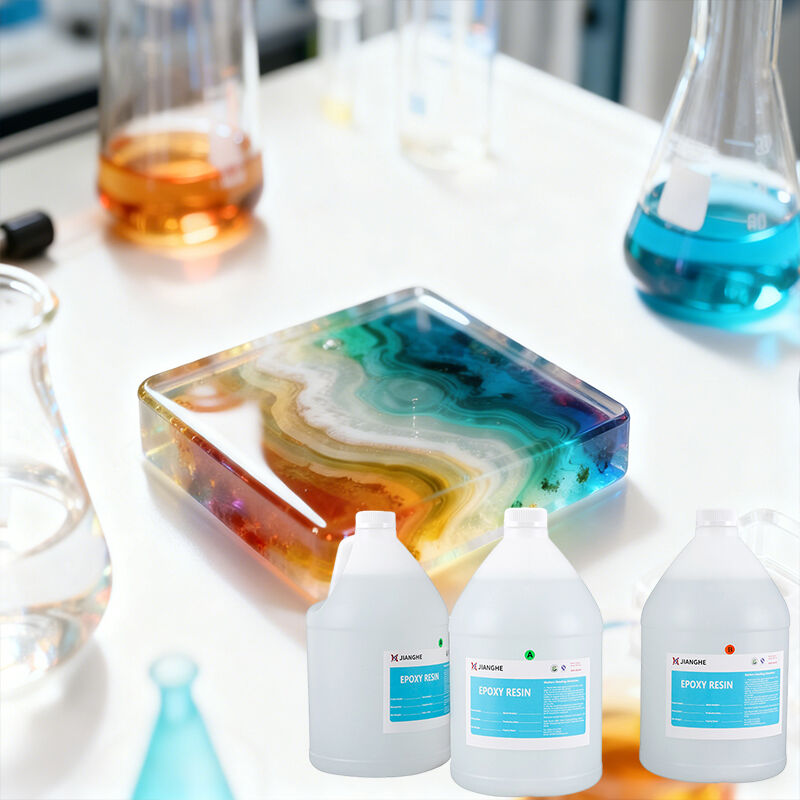
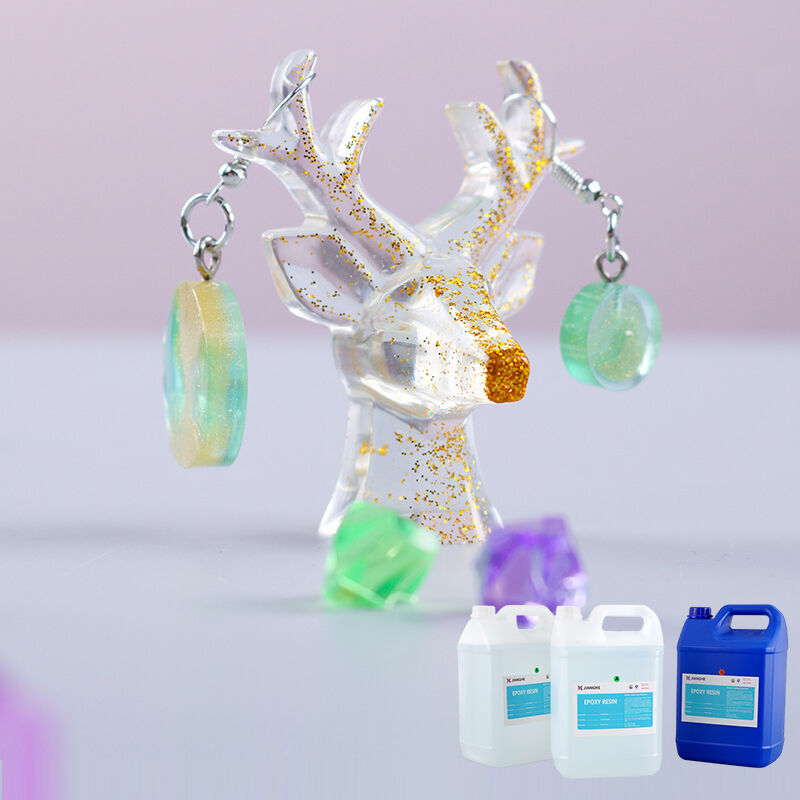
Decorative and Transparent Epoxy Solutions
In decorative epoxy applications such as furniture surfaces, architectural elements, and artistic castings, visual clarity is a primary value driver. Yellowing can significantly reduce product appeal and market value.
Anti-Yellowing Resin enables long-lasting transparency and color neutrality, supporting premium decorative epoxy products.
Adhesives, Encapsulation, and Technical Uses
In electronics, optical components, and precision assemblies, epoxy clarity can be critical for inspection and performance verification. Yellowing may obscure internal components or signal material degradation.
Anti-Yellowing Resin helps maintain visual cleanliness while delivering the required protective and bonding performance.
Environmental Resistance and Aging Behavior
Moisture Resistance and Humidity Control
Moisture can accelerate chemical aging and visual degradation in epoxy materials. Anti-Yellowing Resin reduces water absorption and limits hydrolytic reactions that contribute to discoloration.
This improved moisture resistance supports long-term clarity in humid or variable environments.
Chemical Exposure and Surface Stability
Repeated exposure to cleaning agents, solvents, or industrial chemicals can compromise epoxy appearance over time. Anti-Yellowing Resin enhances surface resistance, allowing epoxy systems to maintain clarity and color stability even under frequent chemical contact.
Maintenance and Lifecycle Advantages
Reduced Visual Maintenance Requirements
Epoxy systems formulated with Anti-Yellowing Resin require less frequent cleaning, polishing, and surface restoration. Their resistance to discoloration helps maintain a clean appearance with minimal intervention.
This advantage reduces maintenance costs and operational downtime.
Extended Service Life and Aesthetic Consistency
In many applications, visual degradation determines replacement timelines. By slowing yellowing and surface aging, Anti-Yellowing Resin extends both the functional and aesthetic lifespan of epoxy systems.
This consistency supports long-term brand image and asset value.
Long-Term Value of Anti-Yellowing Resin in Epoxy Systems
Improved Total Cost of Ownership
Although Anti-Yellowing Resin may involve higher initial material costs, its long-term benefits often result in lower overall expenses. Reduced maintenance, fewer refinishing cycles, and extended service life contribute to improved total cost of ownership.
Alignment with High-End Market Expectations
Markets that prioritize premium appearance increasingly demand long-term color stability. Anti-Yellowing Resin enables epoxy systems to meet these expectations while maintaining reliable mechanical and chemical performance.
FAQ
What makes Anti-Yellowing Resin different from standard epoxy resin
Anti-Yellowing Resin is formulated with optimized molecular structures and stabilizing additives that resist UV exposure, oxidation, and thermal aging, allowing it to maintain visual clarity longer than standard epoxy resin.
Can Anti-Yellowing Resin be used in both clear and colored epoxy systems
Anti-Yellowing Resin is suitable for clear and pigmented epoxy applications. It helps preserve transparency in clear systems and maintains color accuracy in colored formulations.
Does Anti-Yellowing Resin affect mechanical performance
Anti-Yellowing Resin is designed to enhance visual stability without compromising strength, adhesion, or chemical resistance, and often improves overall durability.
Is Anti-Yellowing Resin suitable for long-term industrial environments
Anti-Yellowing Resin is widely used in industrial and commercial environments where exposure to light, heat, and chemicals is unavoidable, making it suitable for long-term use.
Table of Contents
- The Importance of Visual Stability in Modern Epoxy Applications
- Common Causes of Yellowing in Epoxy Resin Systems
- Chemical Design Principles Behind Anti-Yellowing Resin
- How Anti-Yellowing Resin Enhances Epoxy System Performance
- Applications Beyond Epoxy Flooring
- Environmental Resistance and Aging Behavior
- Maintenance and Lifecycle Advantages
- Long-Term Value of Anti-Yellowing Resin in Epoxy Systems
- FAQ