
 EN
EN
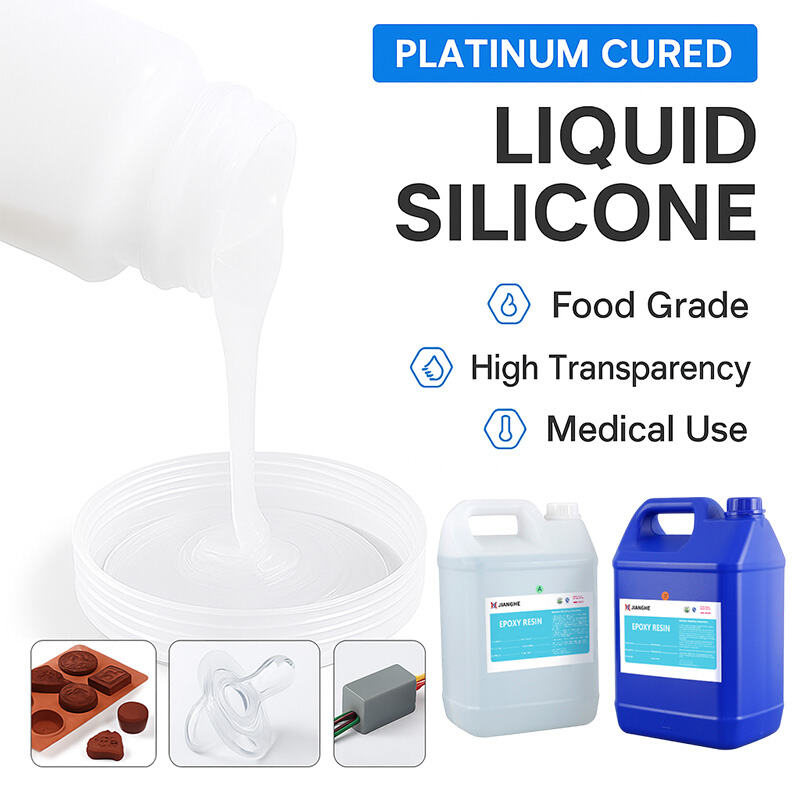
Practical Applications of Liquid Silicone Rubber in Professional Manufacturing
Liquid Silicone Rubber plays a central role in professional making environments where precision, repeatability, and material reliability are critical. In contrast to hobby-level mold making, professional production demands materials that perform consistently under controlled processes, support detailed geometries, and maintain stability across repeated manufacturing cycles. Liquid Silicone Rubber meets these expectations by combining process flexibility with predictable curing behavior and long-term durability.
In professional making, Liquid Silicone Rubber is not treated as a generic mold material. It is selected, processed, and controlled as part of an integrated manufacturing system. From industrial prototyping to customized component production, its use reflects structured workflows, defined quality standards, and application-specific performance requirements.
Role of Liquid Silicone Rubber in Professional Mold Making Systems
Precision Mold Creation for Complex Geometries
Professional making often involves components with undercuts, fine textures, or complex surface details. Liquid Silicone Rubber is widely used because it can accurately reproduce these features while maintaining elastic recovery during demolding. This capability allows professionals to manufacture molds that preserve dimensional accuracy without damaging either the mold or the finished part.
In professional environments, Liquid Silicone Rubber molds are frequently used for components that cannot be produced efficiently with rigid tooling. The flexibility of the cured rubber supports reliable part release even in designs that would otherwise require multi-part molds or complex mechanical release systems.
Consistency Across Repeated Production Cycles
Consistency is a defining requirement in professional making. Liquid Silicone Rubber supports this by offering stable mechanical properties once fully cured. When processed under controlled conditions, it enables molds to produce repeatable results across dozens, hundreds, or even thousands of cycles, depending on the application.
This consistency makes Liquid Silicone Rubber suitable not only for prototyping but also for short- and mid-volume professional production where tooling investment must remain flexible.
Liquid Silicone Rubber in Industrial Prototyping
Accelerating Design Validation
In professional product development, speed and accuracy are closely linked. Liquid Silicone Rubber allows engineers and designers to validate form, fit, and function without waiting for hard tooling. This accelerates development timelines while preserving production-level detail.
Professional making teams rely on Liquid Silicone Rubber molds to test assemblies, evaluate tolerances, and simulate end-use conditions before committing to large-scale manufacturing.
Supporting Iterative Design Processes
Iterative refinement is common in professional making. Liquid Silicone Rubber enables rapid mold updates when design changes occur. Adjustments to wall thickness, surface texture, or part geometry can be implemented quickly, allowing teams to move forward without excessive tooling costs.
This adaptability is especially valuable in industries where customization or frequent product updates are part of the business model.
Use of Liquid Silicone Rubber in Functional Component Production
Casting of Engineering Materials
Liquid Silicone Rubber molds are commonly used in professional making to cast resins, elastomers, waxes, and low-temperature metals. The material’s chemical resistance ensures compatibility with a wide range of casting substances without degradation or surface contamination.
This versatility allows professional manufacturers to use a single mold system across multiple material trials, improving efficiency and reducing material waste.
Dimensional Stability in Controlled Manufacturing
Professional making requires predictable output. Liquid Silicone Rubber maintains dimensional stability under controlled processing conditions, ensuring that parts remain within specified tolerances. This is particularly important for components that interface with mechanical systems or assemblies.
When paired with standardized processing parameters, Liquid Silicone Rubber supports reliable, repeatable production results.
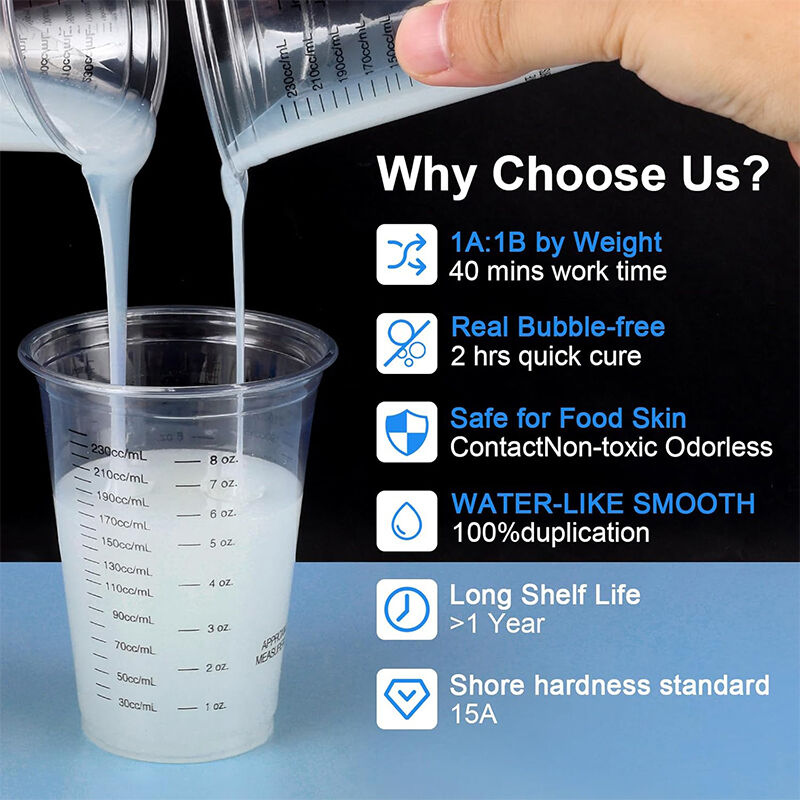
Processing Control in Professional Making Environments
Material Handling and Mixing Discipline
In professional settings, Liquid Silicone Rubber is handled according to strict material control procedures. Accurate mixing ratios, controlled temperatures, and contamination prevention are essential to ensure consistent curing behavior.
Professional making facilities often establish documented workflows for Liquid Silicone Rubber preparation, reducing variability and supporting quality assurance requirements.
Degassing and Mold Integrity
Air entrapment is unacceptable in professional making. Liquid Silicone Rubber is typically vacuum degassed to eliminate bubbles that could compromise mold accuracy or structural integrity. This step ensures smooth mold surfaces and consistent part reproduction.
Degassing also improves mold longevity by reducing internal stress points that can lead to tearing or deformation during repeated use.
Curing Management for Professional Results
Controlled Cure Conditions
Curing behavior directly affects the performance of Liquid Silicone Rubber molds. Professional making environments control temperature, humidity, and cure time to achieve uniform cross-linking throughout the mold.
Consistent curing conditions contribute to predictable mechanical properties, which are essential for maintaining part quality over time.
Post-Cure Practices for Enhanced Performance
In some professional applications, post-curing is used to improve thermal stability, chemical resistance, or mechanical strength. Liquid Silicone Rubber responds well to controlled post-curing processes, allowing manufacturers to fine-tune mold performance for specific applications.
This level of control distinguishes professional making from informal or hobby-level mold production.
Quality Expectations in Professional Making
Surface Accuracy and Detail Retention
Liquid Silicone Rubber is valued in professional making for its ability to retain surface detail over extended use. Texture fidelity, edge sharpness, and dimensional precision remain stable when molds are properly maintained.
This reliability supports consistent product appearance, which is critical in professional manufacturing environments.
Mold Durability and Service Life
Durability is a key factor in material selection. Liquid Silicone Rubber molds, when used within their designed parameters, offer long service life with minimal performance degradation. Professional makers monitor mold condition and implement maintenance practices to maximize usable cycles.
This durability contributes to predictable production planning and cost control.
Customization and Flexibility in Professional Making
Tailoring Formulations to Application Needs
Professional making often requires material customization. Liquid Silicone Rubber formulations can be adjusted for hardness, tear strength, or cure speed to suit specific production requirements.
This flexibility allows manufacturers to align mold behavior with part design, casting material, and production volume.
Supporting Specialized Manufacturing Processes
Liquid Silicone Rubber is used in professional making across diverse sectors, including industrial design, electronics encapsulation, medical device development, and custom component manufacturing. Its adaptability supports specialized processes without compromising reliability.
Professional makers value this versatility when managing varied project requirements.
Operational Advantages for Professional Manufacturers
Reduced Tooling Risk
Liquid Silicone Rubber lowers tooling risk by allowing functional molds to be produced without large upfront investment. This supports agile manufacturing strategies where responsiveness and adaptability are prioritized.
Professional making operations benefit from this flexibility when balancing cost control with performance demands.
Efficient Workflow Integration
Liquid Silicone Rubber integrates smoothly into professional workflows. From material preparation to mold use and maintenance, its processing characteristics align with structured production systems.
This compatibility reduces downtime and improves overall operational efficiency.
Long-Term Value of Liquid Silicone Rubber in Professional Making
Supporting Scalable Production Strategies
Liquid Silicone Rubber enables manufacturers to scale production gradually. Professional makers can start with small volumes and increase output as demand grows, without replacing tooling systems prematurely.
This scalability supports sustainable growth and long-term manufacturing planning.
Alignment with Quality-Driven Manufacturing
Professional making prioritizes control, consistency, and accountability. Liquid Silicone Rubber aligns with these principles by offering predictable performance when managed correctly.
Its continued use reflects its value as a reliable material within professional manufacturing ecosystems.
FAQ
What makes Liquid Silicone Rubber suitable for professional making
Liquid Silicone Rubber offers controlled curing, high detail reproduction, and consistent mechanical properties, making it well suited for professional manufacturing environments.
Is Liquid Silicone Rubber used beyond prototyping in professional making
Yes, Liquid Silicone Rubber is widely used for short- and mid-volume production, functional component casting, and customized manufacturing processes.
How does Liquid Silicone Rubber support quality control
Its predictable behavior under controlled processing conditions allows professional makers to maintain dimensional accuracy and repeatable results.
Why do professional makers prefer Liquid Silicone Rubber over rigid mold materials
Liquid Silicone Rubber provides flexibility, reduced tooling complexity, and lower risk when producing complex or customized components.
Table of Contents
- Role of Liquid Silicone Rubber in Professional Mold Making Systems
- Liquid Silicone Rubber in Industrial Prototyping
- Use of Liquid Silicone Rubber in Functional Component Production
- Processing Control in Professional Making Environments
- Curing Management for Professional Results
- Quality Expectations in Professional Making
- Customization and Flexibility in Professional Making
- Operational Advantages for Professional Manufacturers
- Long-Term Value of Liquid Silicone Rubber in Professional Making
- FAQ