Two Part Epoxy Resin: Ultimate Guide to Superior Bonding Solutions & Applications

All Categories

Get a Tailored Solution

Provide your details below, and our material experts will contact you with a competitive quote and technical support within 24 hours.
Email
Name
Company Name
Message
0/1000

two part epoxy resin

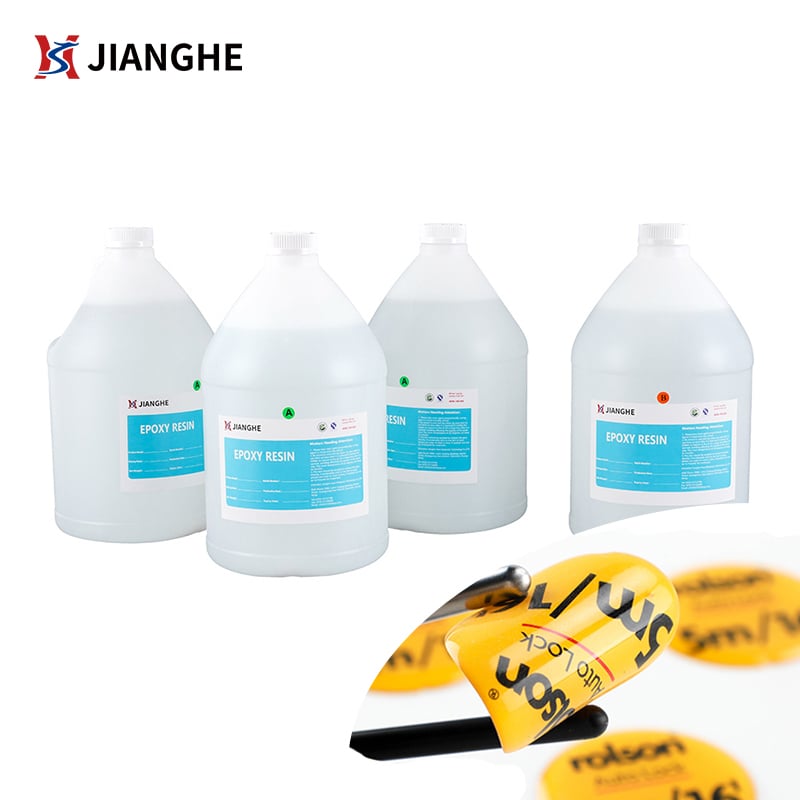
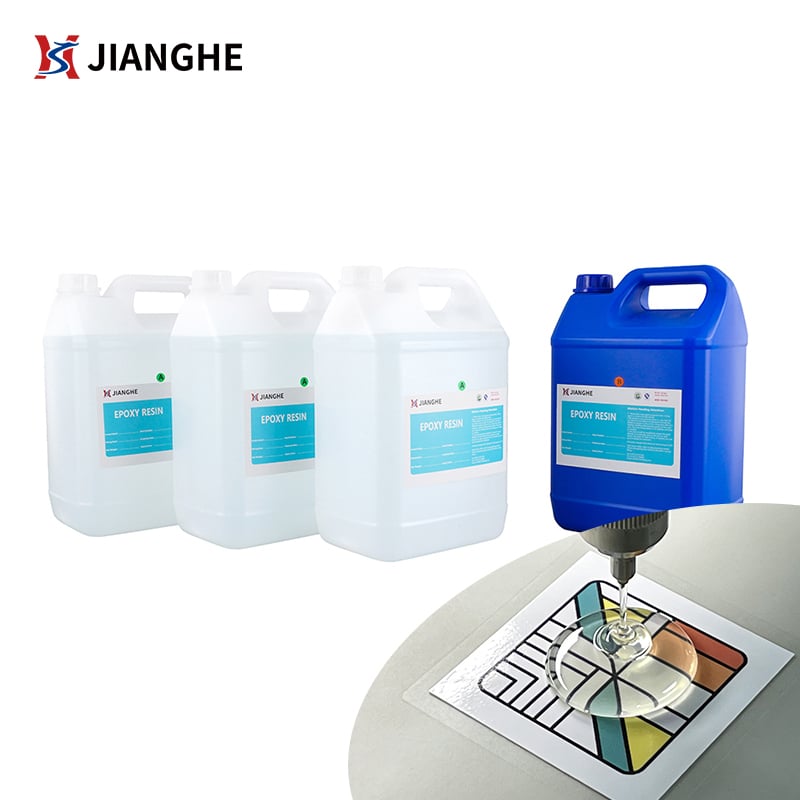
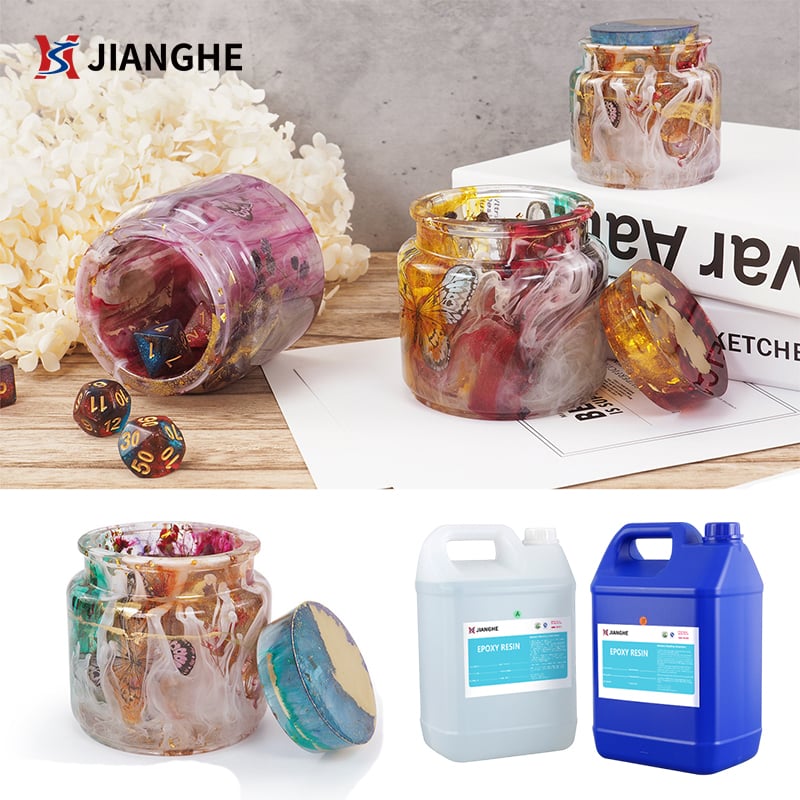
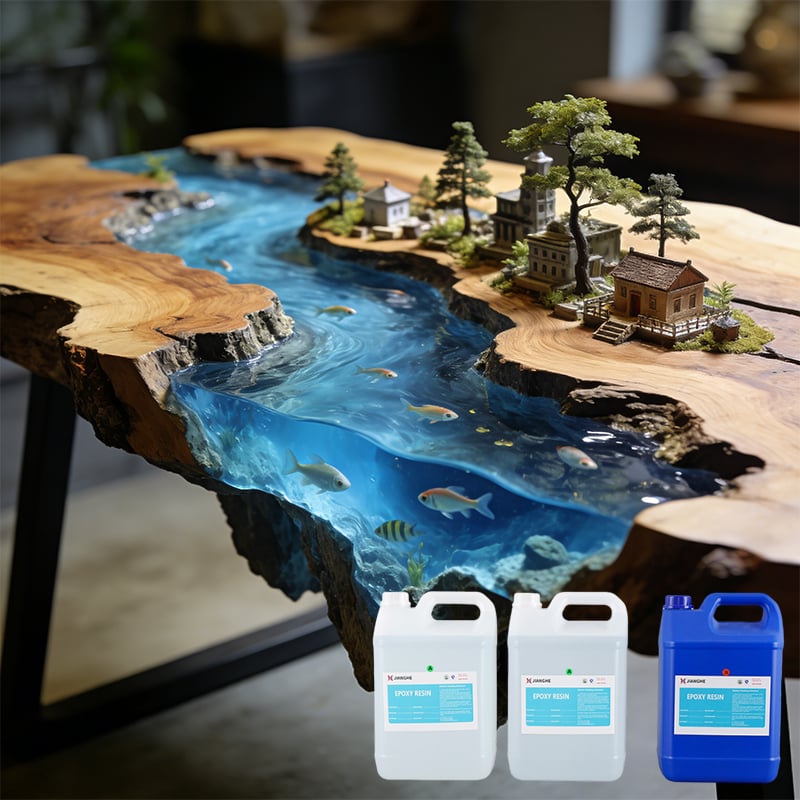
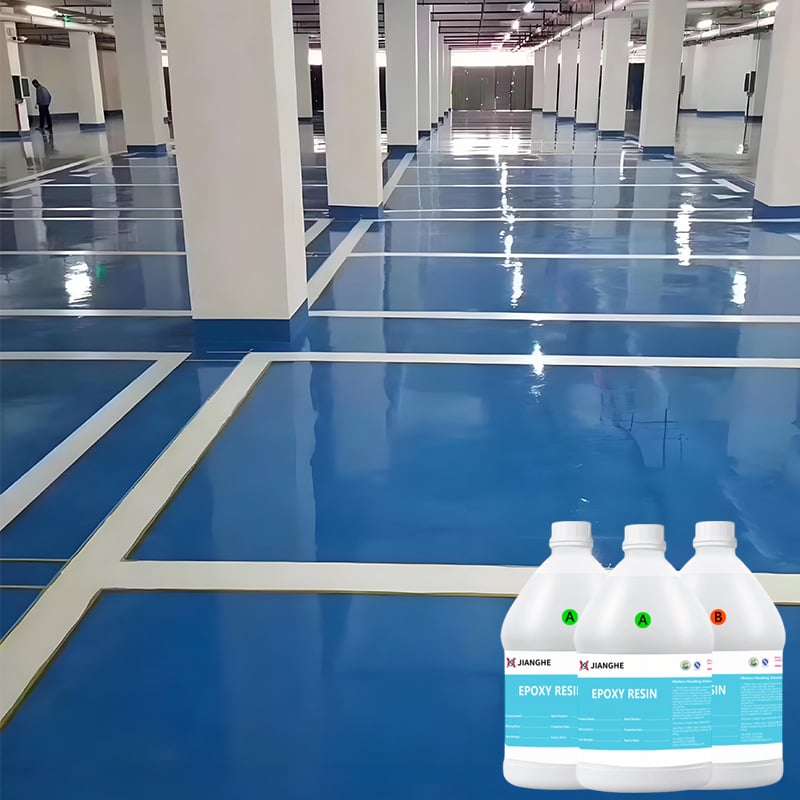
Two part epoxy resin represents a revolutionary adhesive and coating solution that has transformed industries worldwide through its exceptional bonding capabilities and versatile applications. This advanced material consists of two distinct components: a resin base and a hardener catalyst that, when combined in precise ratios, create a chemical reaction resulting in a durable, high-strength polymer. The primary function of two part epoxy resin centers on providing superior adhesion between diverse materials, creating waterproof seals, and forming protective coatings that withstand extreme environmental conditions. Its technological features include remarkable chemical resistance, excellent mechanical properties, and the ability to cure at room temperature or through accelerated heat processes. The curing mechanism involves cross-linking polymer chains that develop exceptional tensile strength, compressive resistance, and dimensional stability. Applications span across aerospace engineering, automotive manufacturing, marine construction, electronics assembly, and architectural projects. In aerospace, two part epoxy resin bonds composite materials in aircraft structures, while automotive industries utilize it for structural adhesives and protective coatings. Marine applications benefit from its waterproof properties for hull repairs and deck coatings. Electronics manufacturers rely on two part epoxy resin for component encapsulation and circuit board assembly. Construction professionals use it for concrete repairs, structural reinforcement, and decorative flooring systems. The material's versatility extends to artistic applications, jewelry making, and DIY projects where permanent bonding solutions are essential. Temperature resistance ranges typically from -65°F to 350°F, making two part epoxy resin suitable for extreme climate applications. Its low shrinkage properties ensure precise dimensional control during curing, while excellent gap-filling capabilities accommodate irregular surfaces and joints.

New Products

Two part epoxy resin delivers outstanding performance benefits that make it the preferred choice for demanding applications across multiple industries. The primary advantage lies in its exceptional bond strength, which often exceeds the structural integrity of the materials being joined. This superior adhesion capability eliminates the need for mechanical fasteners in many applications, reducing weight and complexity while maintaining structural integrity. The curing process creates permanent chemical bonds that resist vibration, thermal cycling, and mechanical stress, ensuring long-lasting connections that maintain their strength over decades of service. Chemical resistance represents another significant advantage, as two part epoxy resin withstands exposure to acids, bases, solvents, and various industrial chemicals without degradation. This resistance makes it ideal for harsh chemical environments where traditional adhesives fail. The material exhibits excellent electrical insulation properties, making it valuable for electronics applications where preventing electrical conductivity is crucial. Temperature stability allows two part epoxy resin to maintain its properties across wide temperature ranges, from arctic conditions to high-heat industrial processes. The controlled curing time provides users with adequate working time for precise application and positioning, while the predictable cure schedule enables efficient project planning. Unlike single-component alternatives, two part epoxy resin offers superior gap-filling capabilities, accommodating irregular surfaces and filling voids up to several millimeters thick. The low volatile organic compound content makes it environmentally friendly compared to solvent-based alternatives, reducing health risks and environmental impact. Versatility in formulation allows manufacturers to customize properties for specific applications, adjusting cure time, viscosity, and final hardness to match project requirements. The material bonds effectively to metals, plastics, ceramics, composites, and porous materials without requiring special surface treatments in most cases. Cost-effectiveness emerges from its durability and performance, as applications using two part epoxy resin typically require less maintenance and replacement compared to alternative solutions. Quality control benefits include consistent mixing ratios and predictable performance characteristics that ensure reliable results across different batches and applications.

Practical Tips

How Can Buyers Assess Long-Term Reliability of a Resin Manufacturer?

11

Dec

How Can Buyers Assess Long-Term Reliability of a Resin Manufacturer?

Building Confidence in a Sustainable Manufacturing Partner Selecting a reliable Resin Manufacturer is a strategic decision that directly affects product quality, delivery stability, and long-term cooperation efficiency. For buyers sourcing epoxy resi...
View More
Why Do Mold Makers Choose Liquid Silicone for Complex Mold Projects?

04

Jan

Why Do Mold Makers Choose Liquid Silicone for Complex Mold Projects?

Liquid Silicone in Modern Mold Making Liquid silicone has become the material of choice for mold makers seeking precision, flexibility, and durability in their projects. Its unique properties allow manufacturers to produce complex molds that traditio...
View More
What Factors Limit the Service Life of Mold Making Silicone?

16

Jan

What Factors Limit the Service Life of Mold Making Silicone?

Understanding the Service Life of Mold Making Silicone Mold making silicone is widely used by manufacturers, artisans, and industrial professionals for its flexibility, durability, and precision. Despite its many advantages, the service life of mold ...
View More
How Does River Table Epoxy Control Exothermic Reaction and Cracking?

28

Jan

How Does River Table Epoxy Control Exothermic Reaction and Cracking?

Managing Exothermic Reactions and Cracking in River Table Epoxy River Table Epoxy has become a favorite material for designers and artisans who create stunning river tables, countertops, and artistic pieces. Its clarity, durability, and versatility m...
View More

Get a Free Quote

Our representative will contact you soon.
Email
Name
Company Name
Message
0/1000

two part epoxy resin

Unmatched Durability and Longevity Performance

Unmatched Durability and Longevity Performance

Two part epoxy resin stands out in the adhesive market due to its exceptional durability characteristics that provide decades of reliable performance in the most challenging environments. The unique molecular structure formed during the curing process creates cross-linked polymer networks that resist degradation from environmental factors that typically destroy conventional adhesives. This durability stems from the chemical reaction between resin and hardener components, which forms covalent bonds that are significantly stronger than the intermolecular forces found in other adhesive systems. The resulting polymer matrix exhibits remarkable resistance to UV radiation, preventing the brittleness and discoloration that plague many alternative materials when exposed to sunlight. Temperature cycling tests demonstrate that two part epoxy resin maintains its bond strength and flexibility through repeated freeze-thaw cycles, making it ideal for outdoor applications in varying climates. The material's hydrophobic properties resist moisture penetration, preventing the swelling and weakening that water causes in organic adhesives. Chemical exposure testing reveals that two part epoxy resin maintains its structural integrity when exposed to petroleum products, cleaning solvents, and various industrial chemicals that would dissolve or weaken other bonding agents. Fatigue resistance testing shows that joints bonded with two part epoxy resin can withstand millions of stress cycles without failure, making it suitable for dynamic applications such as automotive and aerospace components. The low creep characteristics ensure that bonded assemblies maintain their dimensional accuracy under sustained loads, preventing the gradual deformation that occurs with thermoplastic adhesives. Corrosion resistance extends the service life of metal assemblies by preventing galvanic corrosion between dissimilar metals and protecting surfaces from oxidation. Long-term studies in marine environments demonstrate that two part epoxy resin maintains its properties after years of saltwater exposure, making it invaluable for offshore structures and boat building applications.
Superior Versatility Across Multiple Material Types

Superior Versatility Across Multiple Material Types

The extraordinary versatility of two part epoxy resin in bonding diverse materials makes it an indispensable solution for complex assembly challenges across numerous industries. Unlike specialized adhesives that work only with specific substrate combinations, two part epoxy resin creates strong, reliable bonds between metals, plastics, composites, ceramics, glass, and porous materials without requiring extensive surface preparation or primer systems. This universal compatibility stems from its ability to form both mechanical and chemical bonds, penetrating surface irregularities while creating molecular-level adhesion to various surface chemistries. Aluminum bonding applications benefit from the material's ability to prevent galvanic corrosion while providing structural strength that often exceeds welded joints. Steel assemblies gain corrosion protection and vibration damping properties that mechanical fasteners cannot provide. Composite material bonding showcases the resin's ability to maintain flexibility while transferring loads across joint areas, preventing stress concentrations that could lead to delamination. Plastic bonding capabilities extend to both thermoset and thermoplastic materials, including challenging low-energy surfaces like polyethylene and polypropylene when used with appropriate primers. Glass and ceramic applications benefit from the material's optical clarity options and thermal expansion compatibility that prevents stress cracking. The gap-filling properties accommodate irregular surfaces and manufacturing tolerances, eliminating the need for perfect surface preparation while maintaining bond integrity. Mixed-material assemblies particularly benefit from two part epoxy resin's ability to accommodate different thermal expansion rates, preventing stress buildup at dissimilar material interfaces. Electronic applications utilize specialized formulations that provide electromagnetic shielding while maintaining electrical insulation properties. Porous material bonding, including concrete, wood, and fabric, benefits from the resin's penetration capabilities that create mechanical interlocking while sealing surface porosity. Temperature-specific formulations allow optimization for applications ranging from cryogenic storage tanks to high-temperature engine components, demonstrating the material's adaptability to extreme service conditions.
Precision Control and Professional Application Benefits

Precision Control and Professional Application Benefits

Two part epoxy resin provides unmatched control over application parameters, enabling professional results that meet exact specifications for critical applications across diverse industries. The two-component system allows precise control over working time by adjusting mixing ratios and selecting appropriate hardener systems, providing flexibility from minutes to hours of open time depending on project requirements. This controllability extends to cure scheduling, where heat acceleration can reduce cure times for production efficiency, while room temperature curing accommodates field applications without specialized equipment. Viscosity control through formulation selection enables applications ranging from thin penetrating sealers to thick structural pastes, each optimized for specific application methods and performance requirements. The thixotropic properties of many formulations prevent sagging on vertical surfaces while remaining flowable enough for easy application and void filling. Pot life predictability allows accurate planning of mixing quantities and application schedules, reducing waste and ensuring consistent results across large projects. Color coding systems help ensure proper mixing ratios, while clear formulations allow visual inspection of bond lines and void detection. Mixing ratio tolerance provides forgiveness for field applications while maintaining performance standards, unlike catalyzed systems that require exact proportions for proper cure. Application temperature windows accommodate various environmental conditions, from cold weather construction to high-temperature industrial processes. The self-leveling characteristics of low-viscosity formulations create smooth, professional finishes for decorative applications and electronic encapsulation. Tooling and cleanup procedures are well-established, with solvent cleaning effective during the uncured state and mechanical removal options after cure. Quality assurance benefits include visual cure indicators, hardness testing methods, and bond strength verification procedures that ensure specification compliance. Batch consistency and shelf life stability provide reliable performance across different production runs and storage periods. Professional application equipment compatibility ranges from simple manual mixing to automated dispensing systems for high-volume production. Training requirements are minimal due to straightforward mixing and application procedures, while safety profiles are well-documented for worker protection protocols.

Get Samples & Support

Email
Name
Company Name
Country/Region
What Are You Making
Single Choice
Estimated Monthly Usage
Single Choice
Message
0/1000