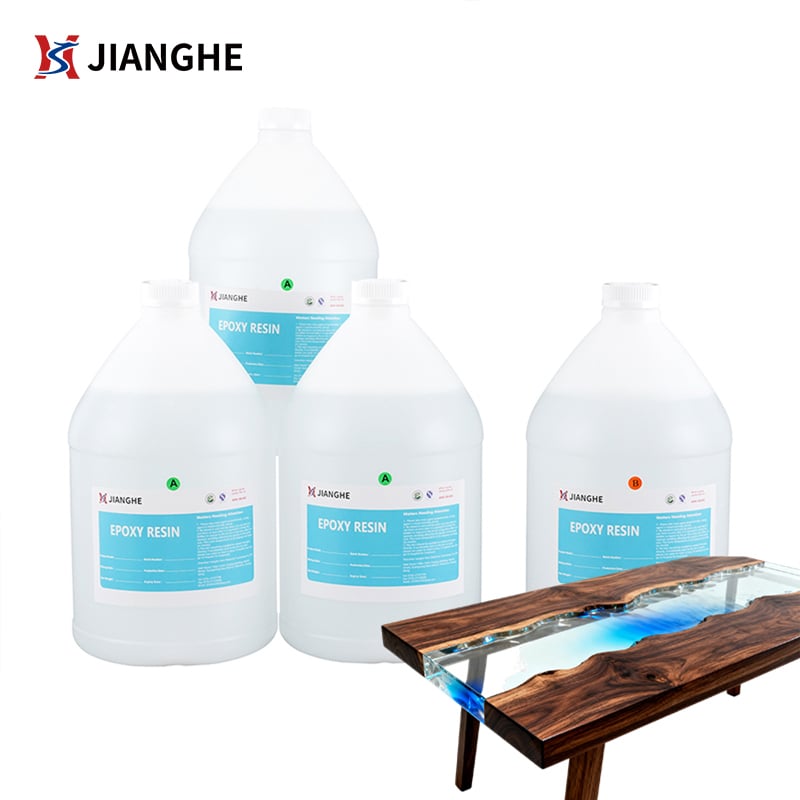
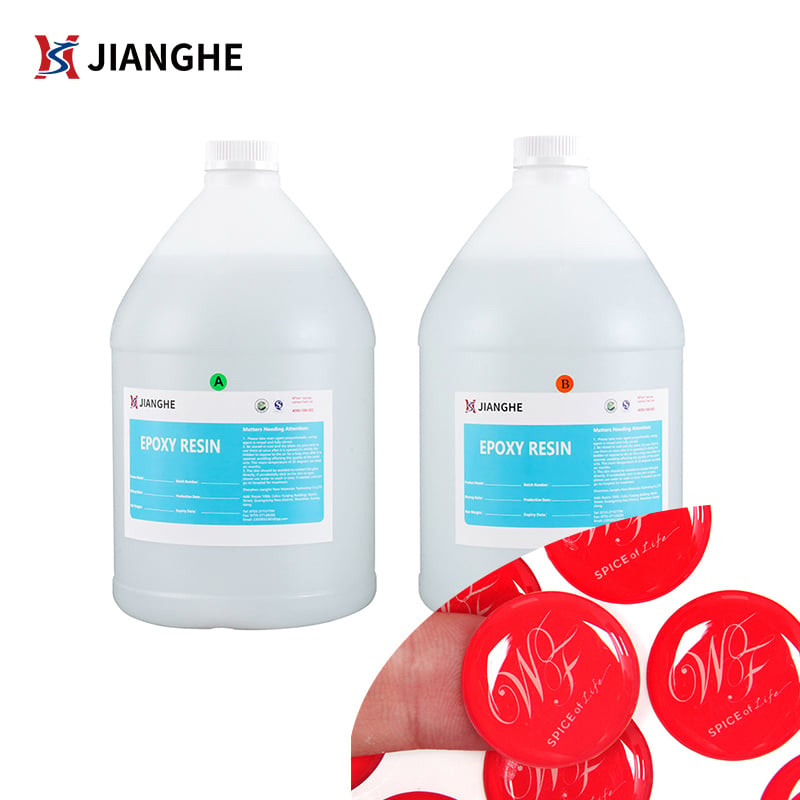
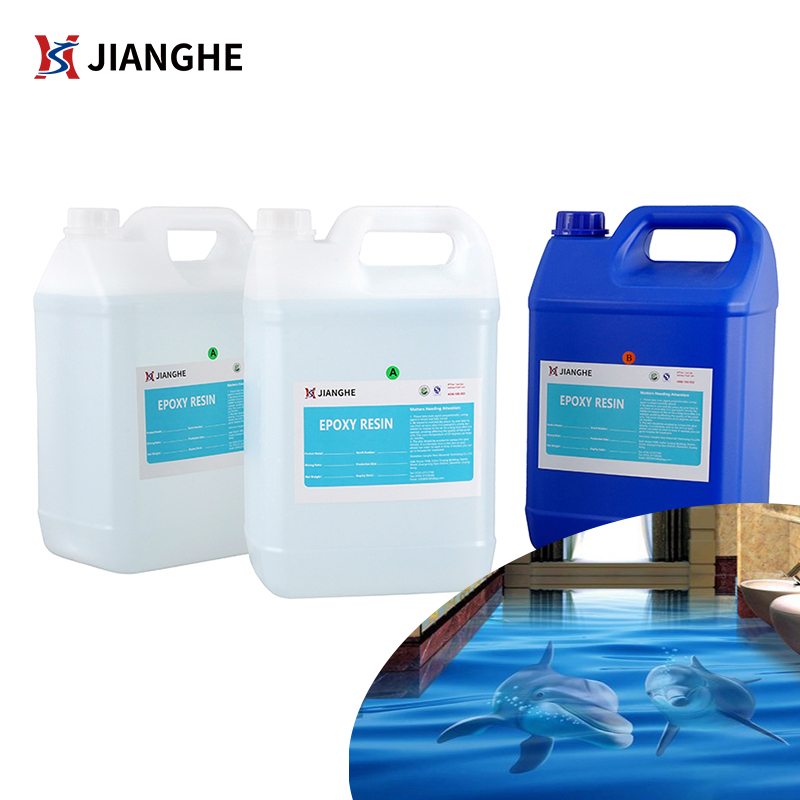
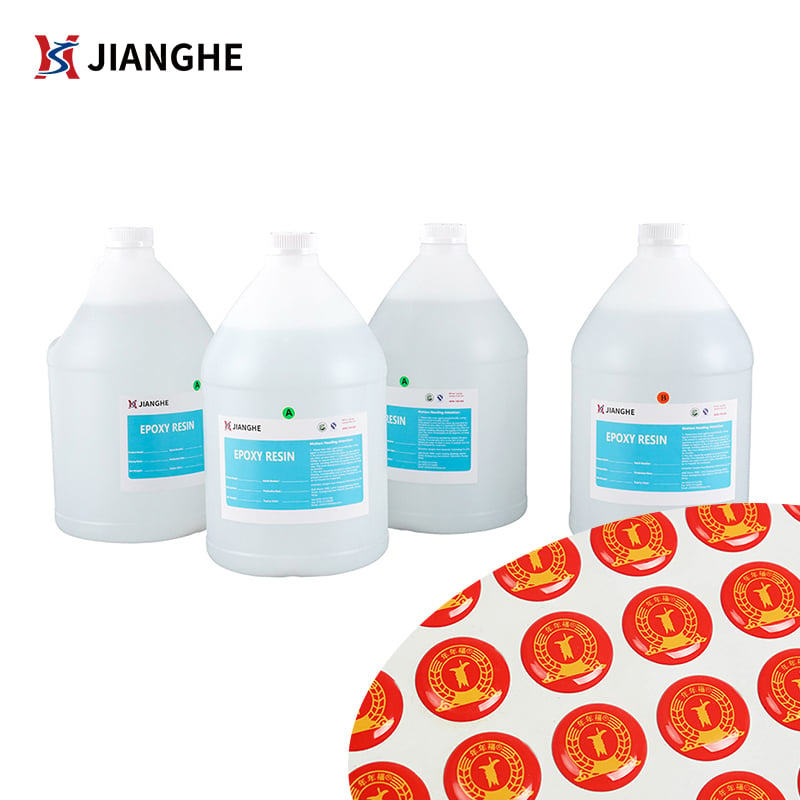
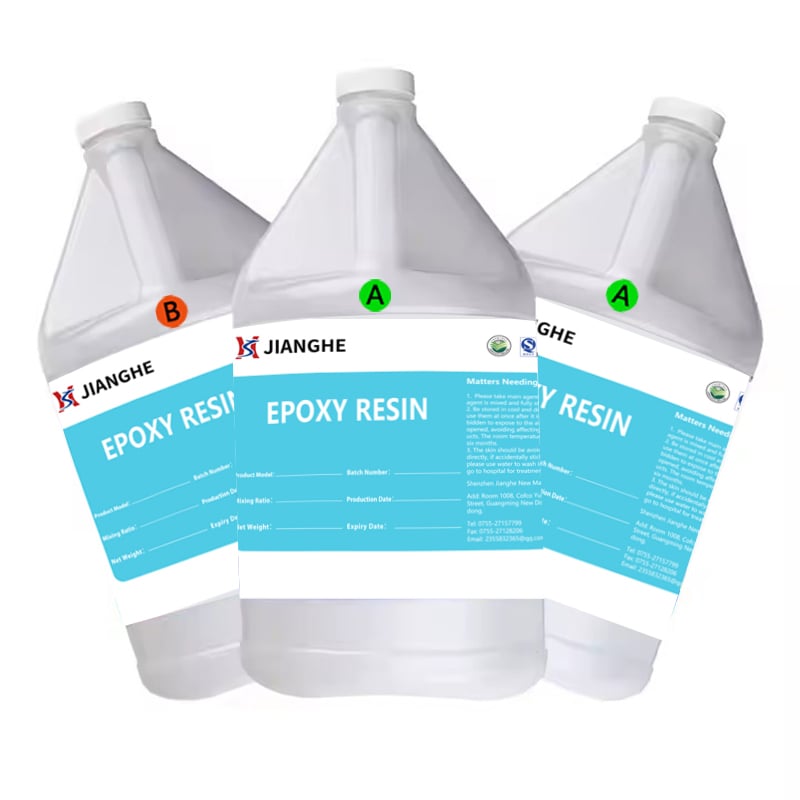
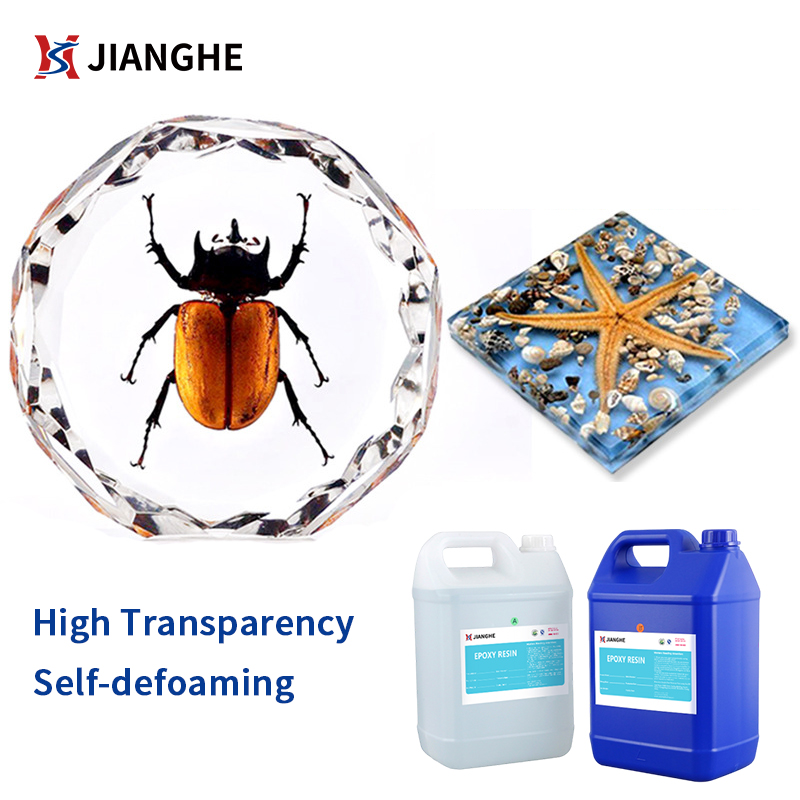
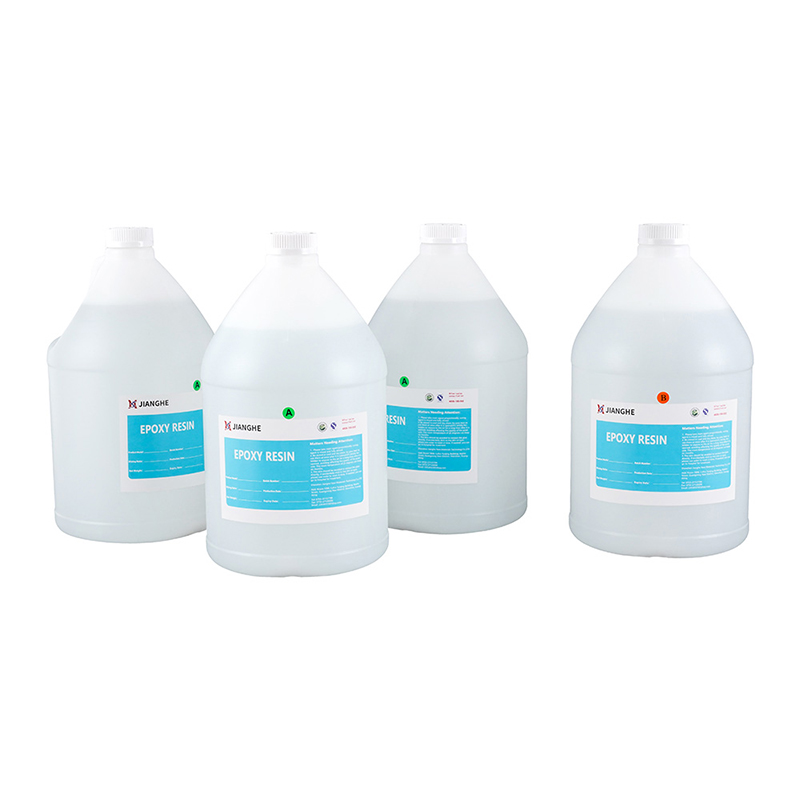
2 part epoxy resin and hardener
The 2 part epoxy resin and hardener system represents a cutting-edge bonding solution designed for professionals and DIY enthusiasts seeking superior adhesive performance. This two-component formulation combines epoxy resin with a specialized hardener, creating a chemical reaction that produces an exceptionally strong, durable bond. The 2 part epoxy resin and hardener works by mixing equal or specified portions of each component, which then cure to form a permanent, waterproof connection.
Key technological features include rapid curing times, exceptional strength development, and resistance to environmental degradation. The 2 part epoxy resin and hardener maintains excellent adhesion to various substrates including wood, metal, ceramics, and plastics. The formulation provides outstanding chemical resistance, temperature stability, and flexibility once fully cured, making it ideal for demanding applications.
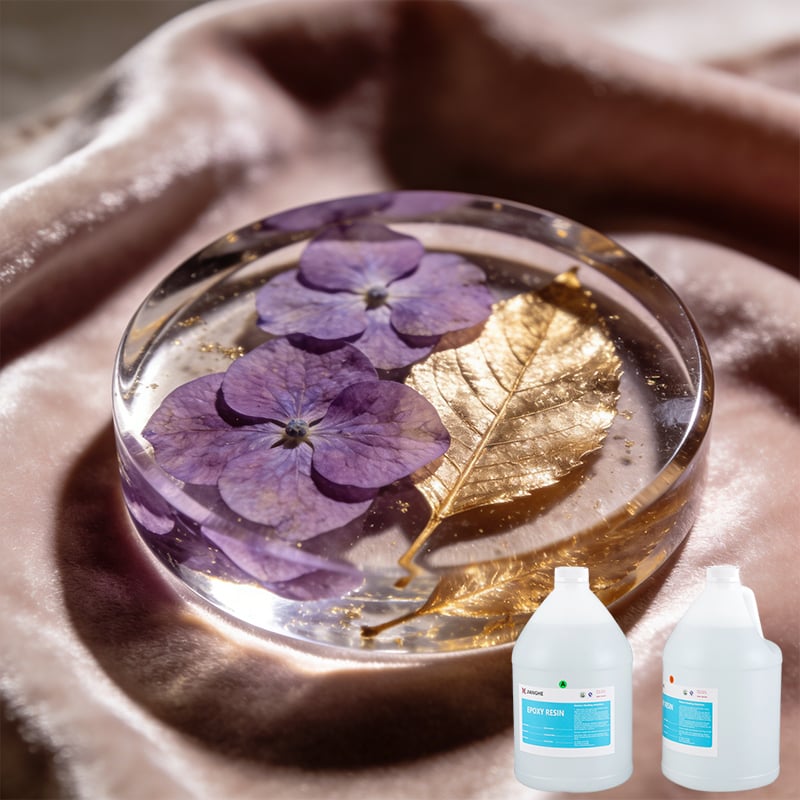
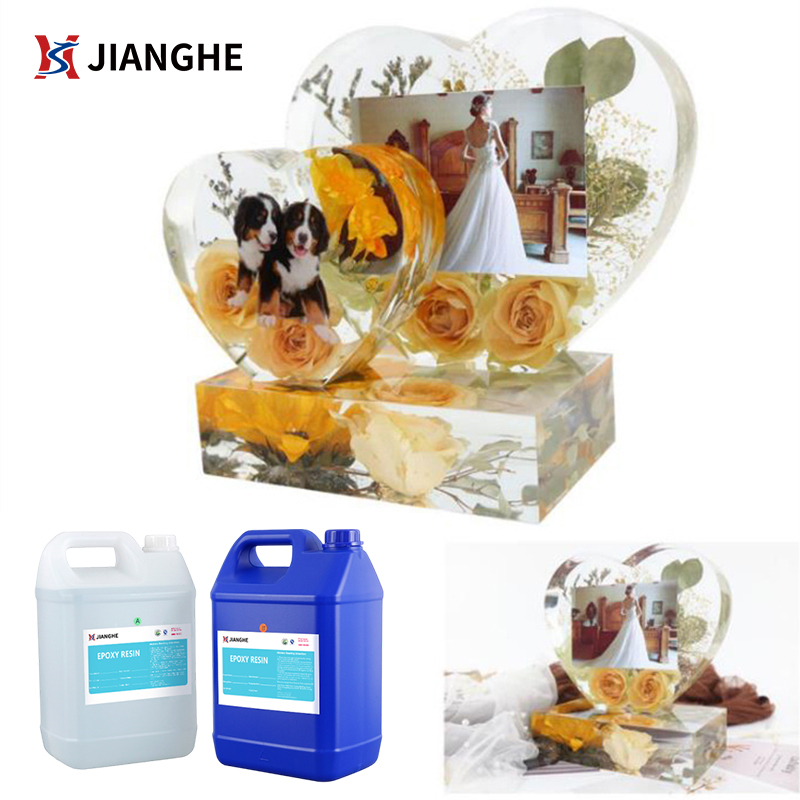
Applications span across construction, manufacturing, aerospace, automotive, and marine industries. Craftspeople utilize 2 part epoxy resin and hardener for structural repairs, jewelry creation, composite fabrication, and decorative projects. The system excels in both interior and exterior environments, withstanding moisture, UV exposure, and mechanical stress. Its versatility extends to gap-filling capabilities, allowing users to bond irregular surfaces and repair damaged components effectively. Whether addressing industrial challenges or creative endeavors, this reliable adhesive solution delivers consistent, professional-grade results that outlast traditional bonding methods.

 EN
EN