Tin Cure Silicone Rubber: Advanced Molding Solutions for Precision Manufacturing

All Categories

Get a Tailored Solution

Provide your details below, and our material experts will contact you with a competitive quote and technical support within 24 hours.
Email
Name
Company Name
Message
0/1000

tin cure silicone rubber

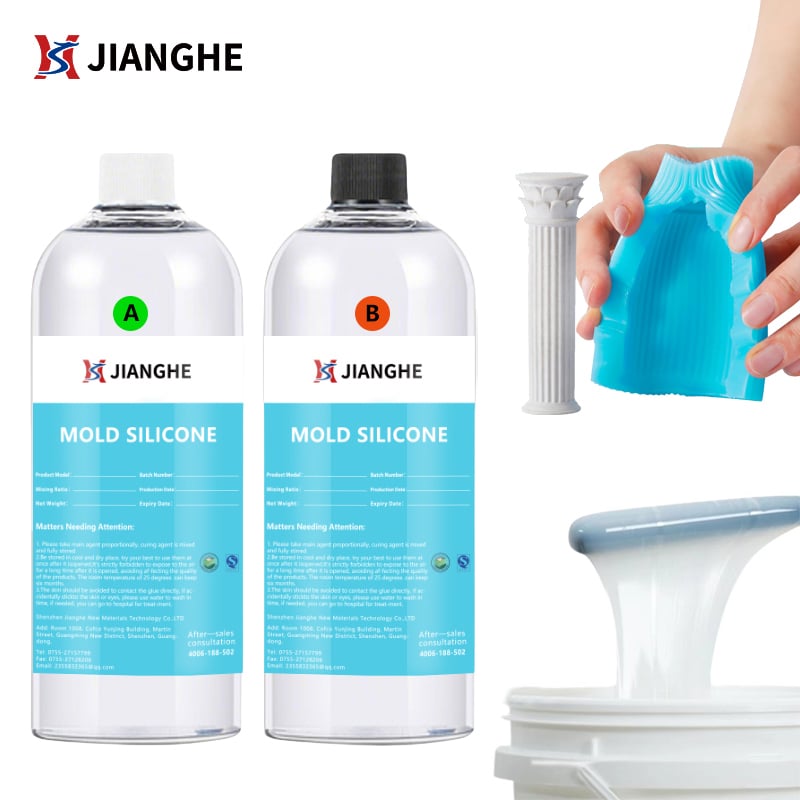
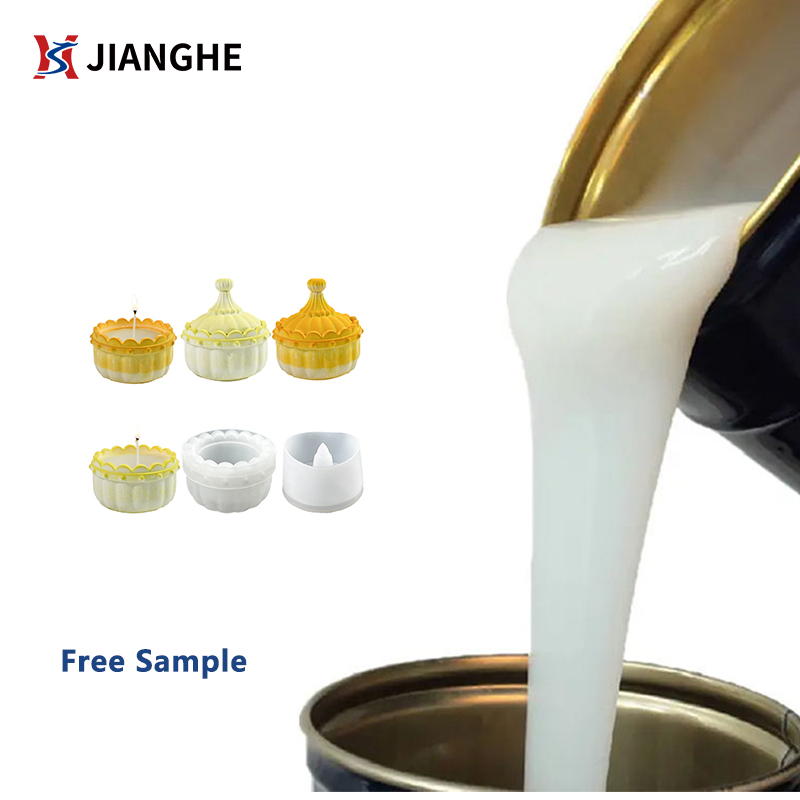
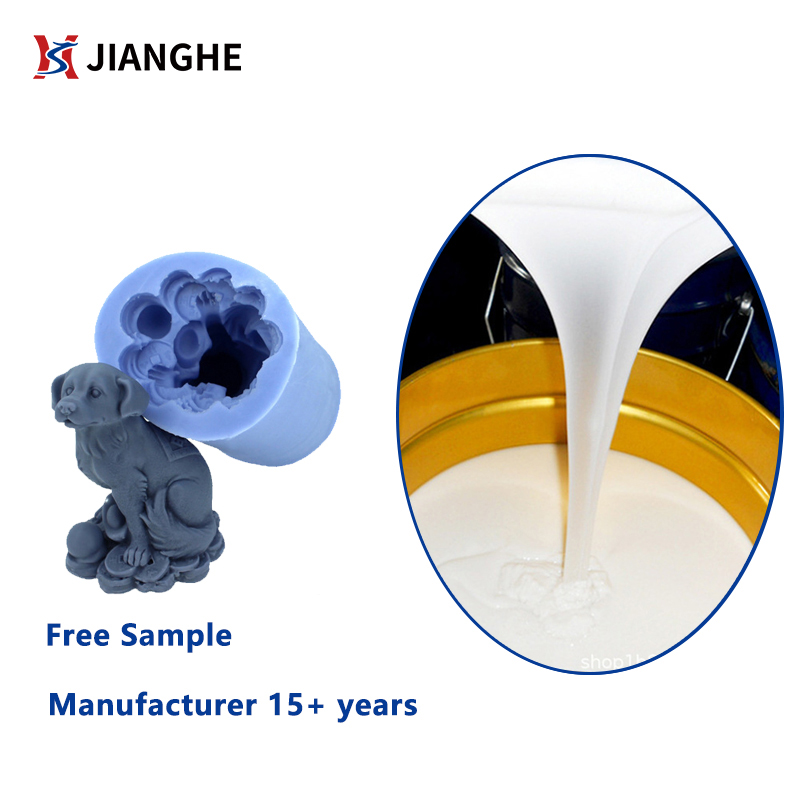
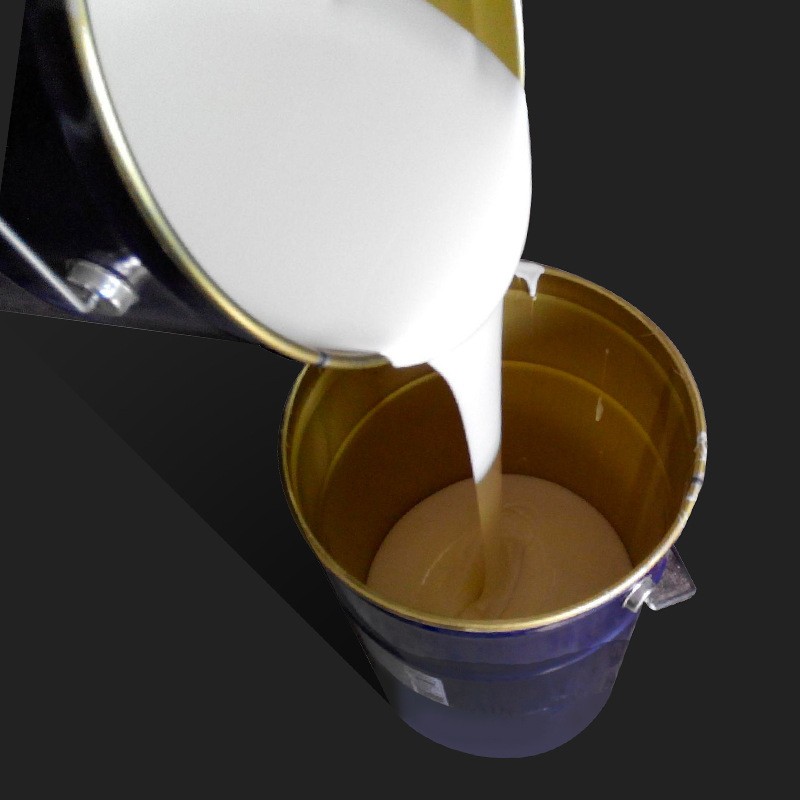
Tin cure silicone rubber represents a specialized category of room temperature vulcanizing silicone elastomer that utilizes organotin compounds as catalysts for the curing process. This advanced material demonstrates exceptional versatility in manufacturing applications where precise molding, superior surface finish, and reliable performance are essential requirements. The tin cure silicone rubber system operates through a unique condensation reaction mechanism that enables rapid cross-linking at ambient temperatures, eliminating the need for high-temperature processing equipment or extended curing cycles. The fundamental composition includes siloxane polymers, cross-linking agents, and tin-based catalysts that work synergistically to produce a fully cured elastomer with outstanding mechanical properties. Key technological features of tin cure silicone rubber include excellent tear resistance, superior dimensional stability, and remarkable chemical inertness that makes it suitable for contact with various substrates without causing inhibition or contamination. The material exhibits exceptional flow characteristics during the uncured state, allowing for intricate detail reproduction and complete cavity filling in complex mold geometries. Temperature resistance ranges from -65°C to 200°C, maintaining flexibility and structural integrity across this broad spectrum. The curing process typically completes within 4-24 hours depending on section thickness, ambient humidity, and temperature conditions. Primary applications encompass industrial molding, prototyping, architectural restoration, medical device manufacturing, automotive component production, and artistic reproduction. The tin cure silicone rubber proves particularly valuable in situations requiring food-grade certification, biocompatibility, or long-term exposure to UV radiation and weathering conditions. Manufacturing industries leverage this material for creating flexible molds, gaskets, seals, and protective coatings where traditional materials fail to meet performance specifications or processing requirements.

Popular Products

Tin cure silicone rubber delivers numerous practical benefits that directly impact manufacturing efficiency, product quality, and operational costs for businesses across multiple industries. The primary advantage lies in its exceptional mold-making capabilities, as tin cure silicone rubber produces incredibly detailed reproductions with minimal shrinkage, ensuring dimensional accuracy that meets tight tolerances required in precision manufacturing. This accuracy translates to reduced waste, fewer rejected parts, and improved overall production efficiency. The material cures at room temperature without requiring specialized heating equipment, significantly reducing energy costs and simplifying the manufacturing process. Production teams can work with tin cure silicone rubber using standard workshop conditions, eliminating the need for expensive ovens or controlled atmosphere chambers. The fast cure time enables rapid prototyping and quick turnaround for urgent projects, giving businesses a competitive edge in time-sensitive markets. Another significant advantage is the superior surface finish quality that tin cure silicone rubber provides, producing smooth, defect-free surfaces that often eliminate the need for post-processing operations like sanding or polishing. This characteristic saves both time and labor costs while ensuring consistent quality across production runs. The material exhibits excellent chemical resistance, withstanding exposure to oils, solvents, and various industrial chemicals without degradation, which extends mold life and reduces replacement frequency. Tin cure silicone rubber demonstrates remarkable flexibility and tear strength, allowing molds to be used repeatedly without cracking or failure, even with complex geometries or undercuts. The non-stick properties inherent in tin cure silicone rubber facilitate easy demolding without the need for release agents in many applications, streamlining the production process and reducing material costs. Environmental stability is another key benefit, as tin cure silicone rubber maintains its properties under extreme temperature variations, humidity changes, and UV exposure, making it suitable for both indoor and outdoor applications. The material's biocompatibility opens opportunities in medical and food-related industries, where safety and regulatory compliance are paramount concerns. Additionally, tin cure silicone rubber offers excellent electrical insulation properties, making it valuable for electronic component manufacturing and electrical applications where insulation integrity is critical.

Latest News

How Is Liquid Silicone Rubber Used in Professional Mold Making?

24

Dec

How Is Liquid Silicone Rubber Used in Professional Mold Making?

Practical Applications of Liquid Silicone Rubber in Professional Manufacturing Liquid Silicone Rubber plays a central role in professional making environments where precision, repeatability, and material reliability are critical. In contrast to hobby...
View More
How Does Anti-Yellowing Resin Maintain Long-Term Visual Clarity?

17

Dec

How Does Anti-Yellowing Resin Maintain Long-Term Visual Clarity?

The Importance of Visual Stability in Modern Epoxy Applications Anti-Yellowing Resin has become a critical material choice in epoxy systems where long-term appearance, transparency, and color consistency are as important as mechanical performance. In...
View More
What Advantages Does Floor Coating Epoxy Offer in Warehouses and Factories?

23

Dec

What Advantages Does Floor Coating Epoxy Offer in Warehouses and Factories?

Advantages of Floor Coating Epoxy for Warehouses and Factories Maintaining durable, safe, and efficient flooring in warehouses and factories is a constant challenge. Heavy machinery, forklift traffic, and chemical exposure put extreme stress on concr...
View More
Why Is Floor Coating Epoxy Suitable for Chemical Plants and Warehouses?

22

Jan

Why Is Floor Coating Epoxy Suitable for Chemical Plants and Warehouses?

The Advantages of Floor Coating Epoxy in Industrial Environments Floor coating epoxy has become a preferred choice for chemical plants, warehouses, and other industrial facilities due to its durability, chemical resistance, and ease of maintenance. I...
View More

Get a Free Quote

Our representative will contact you soon.
Email
Name
Company Name
Message
0/1000

tin cure silicone rubber

Superior Detail Reproduction and Dimensional Precision

Superior Detail Reproduction and Dimensional Precision

The exceptional detail reproduction capability of tin cure silicone rubber sets it apart from other molding materials in the market, making it the preferred choice for applications requiring microscopic precision and flawless surface replication. This remarkable characteristic stems from the material's unique molecular structure and curing mechanism, which allows it to flow into the smallest crevices and capture even the most intricate surface textures with extraordinary fidelity. When working with master patterns or original parts, tin cure silicone rubber conforms perfectly to every detail, reproducing features as fine as 0.025mm with consistent accuracy. This precision proves invaluable in industries such as jewelry manufacturing, where intricate designs and delicate patterns must be replicated exactly, or in medical device production, where dimensional accuracy directly impacts functionality and safety. The low viscosity of uncured tin cure silicone rubber enables complete air bubble elimination, ensuring that the final mold captures every detail without voids or imperfections that could compromise the quality of cast parts. During the curing process, tin cure silicone rubber exhibits minimal shrinkage, typically less than 0.1%, which means that molds maintain their dimensional integrity over time and produce parts that match original specifications precisely. This dimensional stability extends throughout the mold's service life, ensuring that the hundredth casting maintains the same accuracy as the first. The material's ability to reproduce fine details without requiring high pressure or specialized equipment makes it accessible to both large-scale manufacturers and small workshops. Quality control becomes significantly easier when using tin cure silicone rubber molds, as the consistent detail reproduction eliminates variations that plague other molding materials. This reliability translates directly into reduced inspection time, fewer rejected parts, and improved customer satisfaction. The superior detail capture capability also enables reverse engineering applications, where existing parts can be accurately duplicated without access to original tooling or technical drawings, providing significant value in restoration projects and replacement part manufacturing.
Exceptional Durability and Extended Service Life

Exceptional Durability and Extended Service Life

Tin cure silicone rubber demonstrates outstanding durability characteristics that translate into extended service life and reduced operational costs for businesses utilizing this advanced material in their manufacturing processes. The robust nature of tin cure silicone rubber stems from its cross-linked molecular structure, which provides exceptional resistance to physical stress, chemical attack, and environmental degradation. Unlike conventional molding materials that may deteriorate after limited use cycles, tin cure silicone rubber molds maintain their structural integrity and dimensional accuracy through hundreds or even thousands of casting operations. The material's superior tear strength, typically exceeding 150 psi, ensures that molds remain intact even when subjected to aggressive demolding procedures or complex part geometries with significant undercuts. This durability proves particularly valuable in high-volume production environments where mold replacement costs can significantly impact profitability. Temperature cycling, which destroys many alternative materials, has minimal effect on tin cure silicone rubber, allowing molds to perform consistently across varying operational conditions. The material withstands continuous exposure to temperatures up to 200°C without losing flexibility or developing surface cracks, making it suitable for applications involving heated casting materials or elevated working temperatures. Chemical resistance represents another crucial aspect of tin cure silicone rubber durability, as the material remains unaffected by contact with oils, solvents, acids, and bases commonly encountered in industrial environments. This chemical inertness prevents mold degradation and contamination issues that plague other materials, ensuring consistent part quality throughout the mold's service life. UV stability allows tin cure silicone rubber molds to be used in outdoor applications or under bright artificial lighting without experiencing surface deterioration or property changes. The material's resistance to ozone and oxidation further contributes to its longevity, particularly in applications involving exposure to aggressive atmospheric conditions. Maintenance requirements for tin cure silicone rubber molds are minimal, typically involving only basic cleaning procedures, which reduces downtime and maintenance costs. The combination of these durability factors results in a lower total cost of ownership compared to alternative materials, despite potentially higher initial costs, making tin cure silicone rubber an economically sound investment for serious manufacturing operations.
Versatile Processing and Application Flexibility

Versatile Processing and Application Flexibility

The remarkable processing versatility of tin cure silicone rubber makes it an ideal solution for diverse manufacturing challenges, offering unmatched flexibility in application methods, curing conditions, and end-use requirements across multiple industries. This adaptability stems from the material's forgiving nature and broad processing window, which accommodates various skill levels and equipment capabilities without compromising final results. Tin cure silicone rubber can be processed using simple hand-mixing techniques for small batches or automated dispensing systems for large-scale production, providing scalability that grows with business needs. The material's pot life, typically ranging from 30 minutes to several hours depending on formulation, allows sufficient working time for complex mold assembly or large-area applications without rushing or waste. Room temperature curing capability eliminates the need for specialized heating equipment, enabling processing in standard workshop environments and reducing infrastructure investments. However, the curing process can be accelerated using mild heat if faster turnaround times are required, providing additional flexibility in production scheduling. Tin cure silicone rubber demonstrates excellent adhesion to various substrates including metals, plastics, ceramics, and other silicones, enabling multi-material mold construction and repair applications without requiring primers or adhesion promoters. The material can be easily modified with additives such as fillers, colorants, or performance enhancers to meet specific application requirements, allowing customization for unique performance characteristics. Thickness flexibility ranges from thin films of less than 1mm to thick sections exceeding 50mm, with consistent curing throughout the cross-section, providing design freedom for various mold configurations. The material's compatibility with different casting materials, including polyurethanes, epoxies, low-melt alloys, and concrete, makes it a universal molding solution that eliminates the need for multiple specialized materials. Post-curing modifications are possible through mechanical machining, bonding additional sections, or creating venting channels, providing adaptability for design improvements or repair requirements. Quality control is simplified due to the material's consistent behavior and predictable properties, reducing the learning curve for new operators and minimizing process variability. The broad temperature service range allows tin cure silicone rubber molds to be used with both cold-casting and heated materials, expanding application possibilities and equipment utilization. This comprehensive versatility makes tin cure silicone rubber an excellent investment for facilities handling diverse projects or those seeking to consolidate their molding material inventory while maintaining capability across multiple application areas.

Get Samples & Support

Email
Name
Company Name
Country/Region
What Are You Making
Single Choice
Estimated Monthly Usage
Single Choice
Message
0/1000