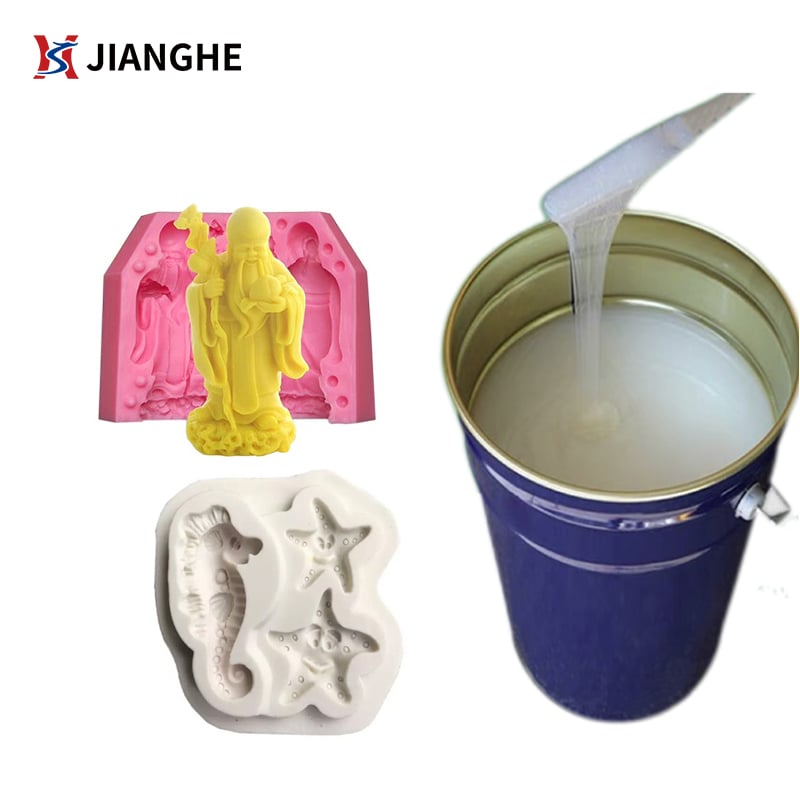
Premium Liquid Silicone Rubber for Mold Making - Professional Grade Molding Solutions

All Categories

Get a Tailored Solution

Provide your details below, and our material experts will contact you with a competitive quote and technical support within 24 hours.
Email
Name
Company Name
Message
0/1000

liquid silicone rubber for mold making

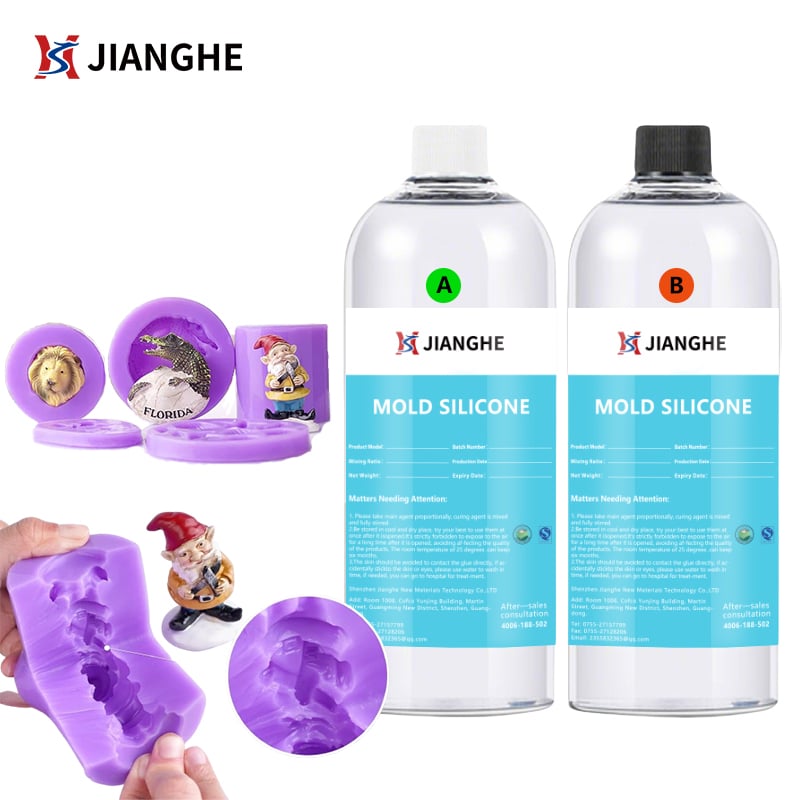
Liquid silicone rubber for mold making represents a revolutionary advancement in manufacturing and prototyping industries, offering unmatched precision and versatility for creating detailed molds. This specialized material combines the flexibility of traditional rubber with the durability and chemical resistance of modern silicone compounds, making it an essential tool for professionals across various sectors. The primary function of liquid silicone rubber for mold making centers on its ability to capture intricate details while maintaining dimensional stability throughout multiple casting cycles. Its liquid state before curing allows for easy pouring and complete coverage of complex geometries, ensuring that even the most minute surface textures are accurately reproduced. Technologically, liquid silicone rubber for mold making features a two-part system that cures at room temperature through a platinum-catalyzed addition reaction. This process eliminates the need for high-temperature vulcanization, reducing energy costs and minimizing thermal stress on delicate master patterns. The material exhibits exceptional tear strength, typically ranging from 150 to 400 psi, combined with shore hardness options from 10A to 80A, allowing users to select the optimal firmness for their specific applications. The working time of liquid silicone rubber for mold making varies from 30 minutes to several hours, providing adequate time for mixing, degassing, and pouring operations. Applications span numerous industries including automotive prototyping, medical device manufacturing, jewelry casting, architectural modeling, and special effects production. Food-grade formulations of liquid silicone rubber for mold making comply with FDA regulations, enabling safe use in culinary applications for chocolate, fondant, and other edible materials. The material's exceptional chemical inertness makes it suitable for casting polyurethane resins, epoxy systems, concrete, plaster, and various other materials without inhibition concerns.

New Products

The advantages of liquid silicone rubber for mold making extend far beyond basic molding capabilities, delivering tangible benefits that directly impact productivity and cost-effectiveness. First, this material offers superior dimensional accuracy compared to traditional molding compounds, maintaining tolerances within 0.001 inches across multiple production runs. This precision eliminates the need for secondary machining operations and reduces waste from dimensional variations. The extended service life of liquid silicone rubber for mold making translates to significant cost savings, with properly maintained molds lasting thousands of cycles without degradation. Unlike plaster or clay-based alternatives, liquid silicone rubber for mold making resists cracking, chipping, and surface deterioration that plague conventional materials. The flexibility inherent in liquid silicone rubber for mold making enables easy demolding of complex undercuts and intricate geometries without damaging either the mold or the cast part. This characteristic reduces production delays and eliminates the need for complex multi-piece mold designs. Temperature stability represents another crucial advantage, as liquid silicone rubber for mold making maintains its properties across a wide temperature range from -65°F to 450°F, accommodating both cryogenic applications and heated casting processes. The chemical resistance of liquid silicone rubber for mold making proves invaluable when working with aggressive solvents, acids, and bases that would destroy other molding materials. This resistance ensures consistent mold performance regardless of the casting material chosen. Processing efficiency improves dramatically with liquid silicone rubber for mold making due to its self-leveling properties and bubble-free curing characteristics. The material flows smoothly into tight spaces and around complex details without requiring extensive vibration or vacuum degassing procedures. Time savings occur throughout the production cycle, from initial mixing through final demolding operations. The non-stick surface of cured liquid silicone rubber for mold making reduces the need for release agents, simplifying the casting process and improving surface finish quality. Environmental considerations favor liquid silicone rubber for mold making as it contains no volatile organic compounds and generates minimal waste during production. The material's recyclability and long service life contribute to sustainable manufacturing practices while reducing overall environmental impact.

Practical Tips

How Does Anti-Yellowing Resin Maintain Long-Term Visual Clarity?

17

Dec

How Does Anti-Yellowing Resin Maintain Long-Term Visual Clarity?

The Importance of Visual Stability in Modern Epoxy Applications Anti-Yellowing Resin has become a critical material choice in epoxy systems where long-term appearance, transparency, and color consistency are as important as mechanical performance. In...
View More
What Makes River Table Epoxy Suitable for Deep-Pour Applications?

24

Dec

What Makes River Table Epoxy Suitable for Deep-Pour Applications?

Understanding the Advantages of River Table Epoxy for Deep-Pour Applications River tables are a striking fusion of natural wood and clear epoxy resin, creating a visually stunning centerpiece. The use of deep-pour epoxy is critical in achieving thick...
View More
Why Do Mold Makers Choose Liquid Silicone for Complex Mold Projects?

04

Jan

Why Do Mold Makers Choose Liquid Silicone for Complex Mold Projects?

Liquid Silicone in Modern Mold Making Liquid silicone has become the material of choice for mold makers seeking precision, flexibility, and durability in their projects. Its unique properties allow manufacturers to produce complex molds that traditio...
View More
Why Is Floor Coating Epoxy Suitable for Chemical Plants and Warehouses?

22

Jan

Why Is Floor Coating Epoxy Suitable for Chemical Plants and Warehouses?

The Advantages of Floor Coating Epoxy in Industrial Environments Floor coating epoxy has become a preferred choice for chemical plants, warehouses, and other industrial facilities due to its durability, chemical resistance, and ease of maintenance. I...
View More

Get a Free Quote

Our representative will contact you soon.
Email
Name
Company Name
Message
0/1000

liquid silicone rubber for mold making

Exceptional Detail Reproduction and Surface Fidelity

Exceptional Detail Reproduction and Surface Fidelity

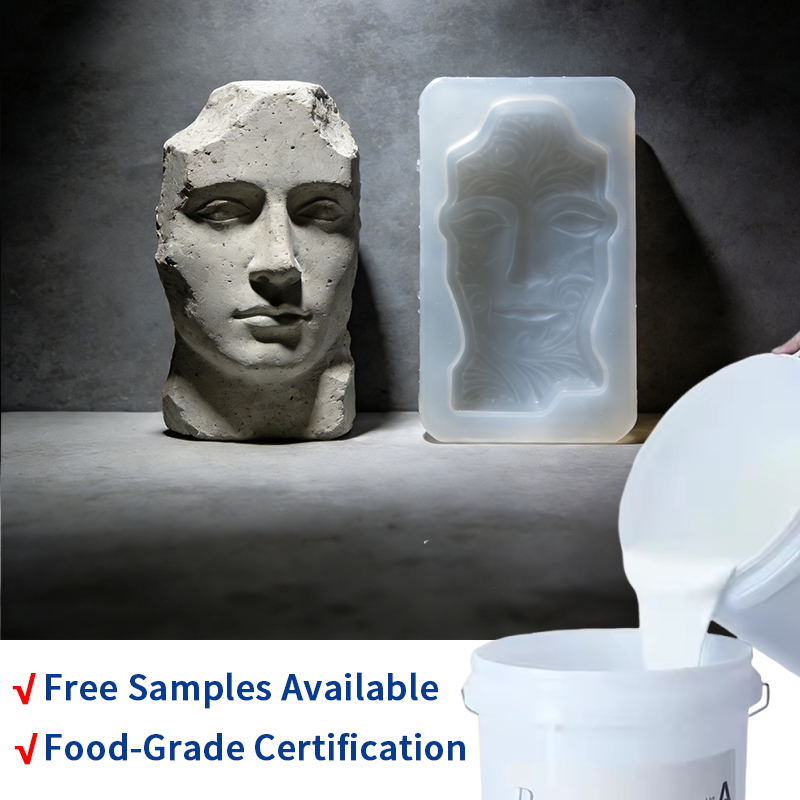
The superior detail reproduction capability of liquid silicone rubber for mold making sets it apart from all conventional molding materials in the market today. This remarkable characteristic stems from the material's unique molecular structure and ultra-low viscosity in its uncured state, allowing it to flow seamlessly into the smallest crevices and capture surface textures measuring mere microns in depth. Professional moldmakers rely on liquid silicone rubber for mold making when working with intricate patterns that demand absolute fidelity, such as antique jewelry restoration, medical prosthetics, and precision mechanical components. The material's ability to reproduce thread patterns, fingerprint-level surface textures, and microscopic surface irregularities makes it indispensable for applications where accuracy cannot be compromised. Unlike rigid molding compounds that may bridge fine details or flexible materials that stretch during demolding, liquid silicone rubber for mold making maintains perfect dimensional stability while conforming to every surface contour. This precision extends to color reproduction when working with translucent materials, as the clarity of certain formulations allows accurate assessment of cast part quality during the curing process. The economic impact of this detail reproduction capability cannot be overstated, as it eliminates costly post-processing operations such as hand-finishing, texturing, or surface correction procedures. Manufacturing operations benefit from reduced labor costs and faster turnaround times when liquid silicone rubber for mold making delivers perfect parts directly from the mold. Quality control becomes more straightforward as dimensional variations are minimized and surface defects are virtually eliminated. The material's consistency in reproducing fine details across thousands of cycles ensures that each cast part meets exact specifications, reducing reject rates and improving overall production efficiency. For artistic applications, liquid silicone rubber for mold making enables sculptors and designers to preserve their creative vision with absolute accuracy, capturing subtle nuances in texture and form that define their artistic style. The confidence that comes from knowing every detail will be perfectly reproduced allows creators to focus on innovation rather than worrying about reproduction limitations.
Outstanding Chemical Resistance and Material Compatibility

Outstanding Chemical Resistance and Material Compatibility

The exceptional chemical resistance of liquid silicone rubber for mold making represents a fundamental advantage that expands its utility across diverse industrial applications and harsh operating environments. This characteristic enables the material to withstand exposure to aggressive chemicals, solvents, oils, and reactive compounds that would rapidly degrade conventional rubber and plastic molding materials. The platinum-catalyzed curing system used in premium liquid silicone rubber for mold making creates cross-linked polymer chains that resist chemical attack from both acidic and alkaline substances, maintaining structural integrity and dimensional stability even under prolonged exposure. This resistance proves particularly valuable in chemical processing industries where molds may contact corrosive substances during cleaning or when casting chemically active materials. The broad material compatibility of liquid silicone rubber for mold making allows casting of polyurethanes, epoxies, polyesters, concrete, metals, waxes, and countless other substances without inhibition effects that plague other molding systems. Unlike latex or condensation-cure silicones that may be inhibited by sulfur compounds, amines, or moisture, addition-cure liquid silicone rubber for mold making maintains consistent performance regardless of the casting material chemistry. This reliability eliminates costly trial-and-error testing and reduces production delays caused by curing failures. Industrial maintenance operations benefit significantly from the chemical resistance of liquid silicone rubber for mold making, as molds can be cleaned with strong solvents and detergents without surface degradation or dimensional changes. The material's resistance to petroleum products, hydraulic fluids, and industrial oils makes it ideal for automotive and aerospace applications where molds may be exposed to these substances during normal operations. Food industry applications leverage the FDA-compliant formulations of liquid silicone rubber for mold making that resist oils, acids, and cleaning chemicals while maintaining safety standards. The economic advantages of chemical resistance extend throughout the mold's service life, as replacement costs are minimized and production schedules remain uninterrupted. Laboratory applications particularly value the inert nature of liquid silicone rubber for mold making when creating molds for analytical standards or when working with reactive chemical compounds that require non-interfering molding materials.
Superior Flexibility and Demolding Performance

Superior Flexibility and Demolding Performance

The remarkable flexibility and demolding performance of liquid silicone rubber for mold making fundamentally transforms the molding process by enabling easy removal of complex parts without damage to either the mold or the cast object. This flexibility stems from the controlled cross-linking density achieved through precise catalyst systems, resulting in a material that maintains elasticity while providing sufficient strength for repeated use. The ability to demold intricate undercuts, sharp corners, and complex internal geometries without requiring multi-part mold construction represents a significant competitive advantage for liquid silicone rubber for mold making. Traditional rigid materials necessitate complex mold designs with multiple parting lines and assembly procedures, increasing both manufacturing time and potential error sources. The inherent memory properties of liquid silicone rubber for mold making ensure that the material returns to its original shape after demolding, maintaining dimensional accuracy throughout extended production runs. This characteristic proves particularly valuable when producing delicate items such as electronic components, medical devices, or artistic pieces where handling damage must be minimized. The material's ability to flex around protrusions and complex shapes during demolding reduces the force required for part extraction, thereby extending both mold life and reducing the risk of part damage. Professional moldmakers appreciate how liquid silicone rubber for mold making accommodates design freedom that would be impossible with rigid materials, enabling single-piece molds for geometries that would otherwise require complex assembly systems. The time savings achieved through simplified demolding procedures translate directly to increased productivity and reduced labor costs in production environments. Quality improvements result from the gentle demolding process, as parts emerge with consistent surface finish and dimensional accuracy rather than the stress marks or distortion that can occur with rigid mold systems. The flexibility advantage extends to storage and handling, as liquid silicone rubber for mold making molds can be compressed for space-efficient storage and transported without fear of cracking or damage. Maintenance requirements are minimized due to the material's resistance to fatigue and stress cracking, even after thousands of flexing cycles during normal demolding operations. This durability ensures consistent performance throughout the mold's service life while maintaining the flexibility characteristics that make demolding effortless and reliable.

Get Samples & Support

Email
Name
Company Name
Country/Region
What Are You Making
Single Choice
Estimated Monthly Usage
Single Choice
Message
0/1000