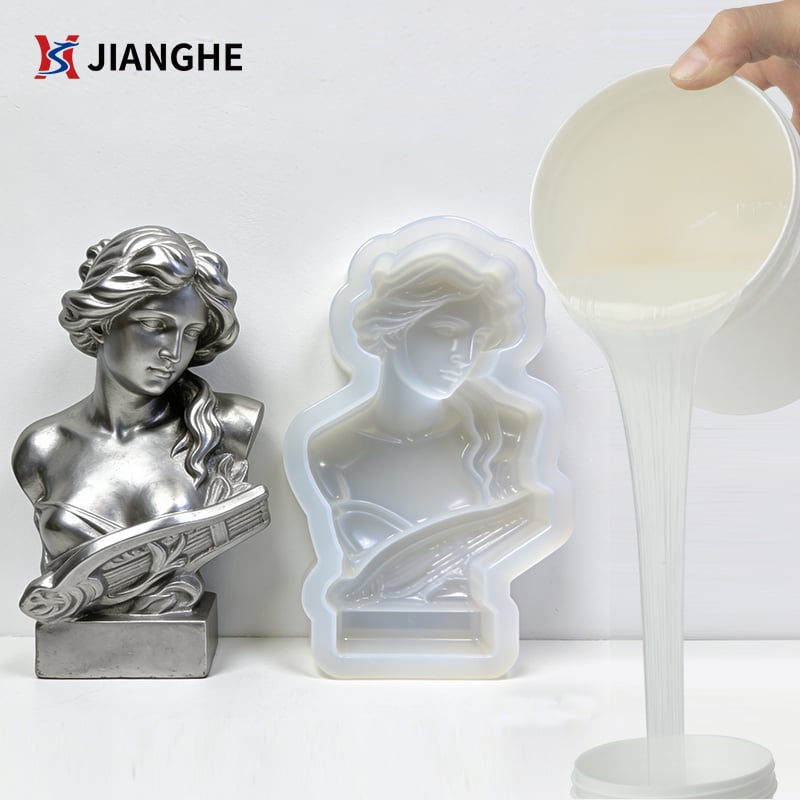
Premium RTV 2 Liquid Silicone Rubber - Professional Grade Moldmaking Solution

All Categories

Get a Tailored Solution

Provide your details below, and our material experts will contact you with a competitive quote and technical support within 24 hours.
Email
Name
Company Name
Message
0/1000

rtv 2 liquid silicone rubber

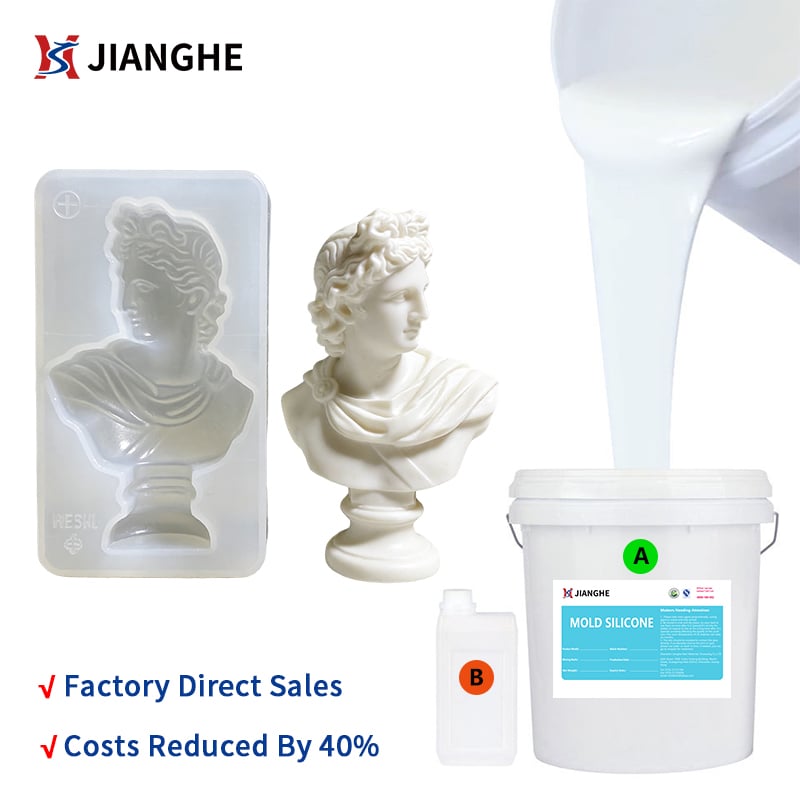
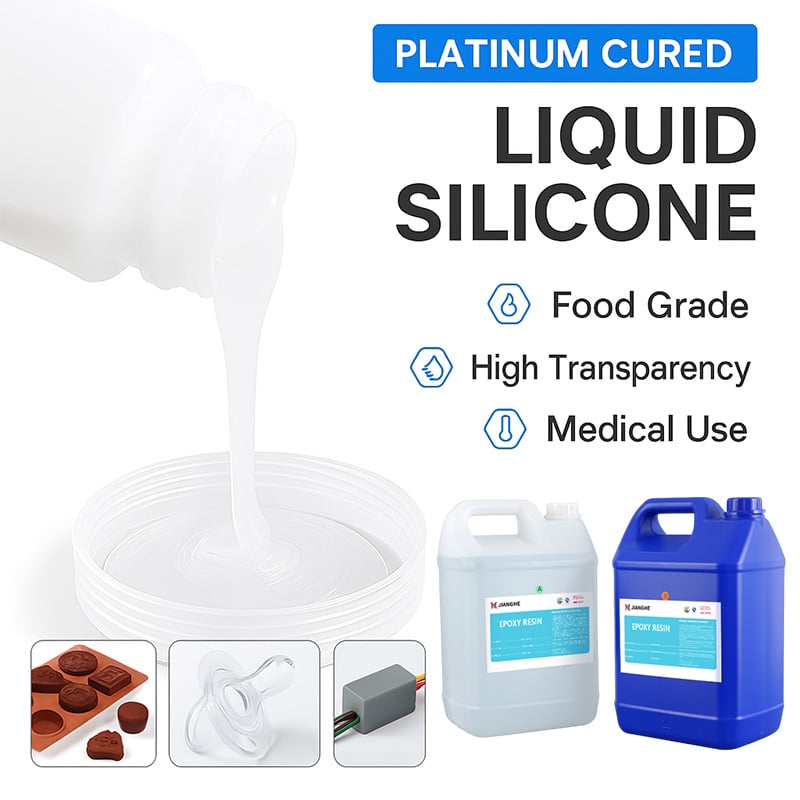
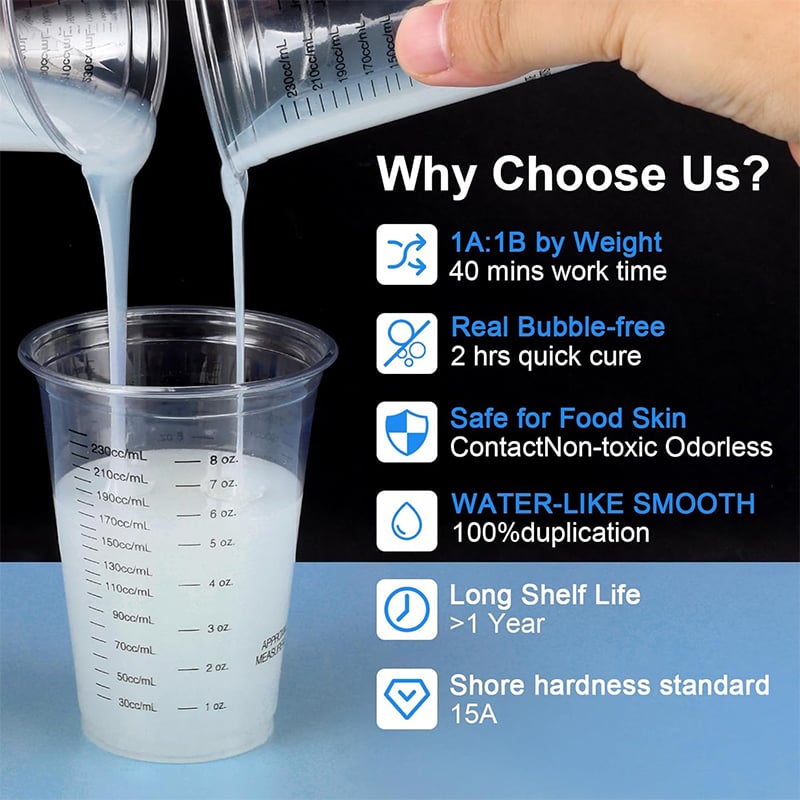
RTV 2 liquid silicone rubber represents a revolutionary advancement in moldmaking and casting technology, offering unparalleled versatility for both industrial and artistic applications. This two-part platinum-catalyzed silicone system transforms from a liquid state into a durable, flexible rubber through room temperature vulcanization, eliminating the need for high-temperature processing equipment. The material consists of a base component and a catalyst that, when mixed in precise ratios, initiate a chemical curing process that typically completes within 24 hours. The technological foundation of rtv 2 liquid silicone rubber relies on platinum-based catalysts that ensure consistent curing performance and exceptional surface quality. This advanced formulation delivers superior tear strength, remarkable elongation properties, and outstanding chemical resistance compared to conventional molding materials. The curing mechanism operates effectively at ambient temperatures, making it accessible for workshop environments without specialized heating equipment. Professional users appreciate how rtv 2 liquid silicone rubber maintains dimensional stability throughout the curing process, preventing shrinkage that could compromise mold accuracy. The material exhibits excellent release properties, allowing easy demolding without requiring additional release agents in most applications. Its Shore A hardness typically ranges from 20 to 40, providing optimal flexibility for capturing intricate surface details while maintaining structural integrity. The working time varies from 30 to 90 minutes depending on the specific formulation, giving users adequate time for thorough mixing and pouring. Applications span across diverse industries including jewelry manufacturing, architectural restoration, special effects, prototyping, and decorative arts. In jewelry production, rtv 2 liquid silicone rubber creates precise molds for casting precious metals, capturing even microscopic surface textures. Architectural professionals utilize it for reproducing ornamental elements, corbels, and historical building details with museum-quality accuracy. The entertainment industry relies on this material for creating prosthetics, props, and special effects components that demand both durability and realistic appearance.

New Product Recommendations

The primary advantage of rtv 2 liquid silicone rubber lies in its exceptional ease of use, requiring no specialized equipment or complex procedures for successful application. Users simply measure the components according to manufacturer specifications, mix thoroughly, and pour into prepared molds or onto master patterns. This straightforward process eliminates the learning curve associated with more complex molding systems, making professional-quality results accessible to craftspeople at all skill levels. The material cures reliably at room temperature, removing dependency on expensive heating equipment or controlled environments that other systems demand. This temperature independence allows work to continue in standard workshop conditions without additional energy costs or safety concerns related to high-temperature processing. The extended working time provides sufficient opportunity to eliminate air bubbles through vacuum degassing or careful pouring techniques, ensuring bubble-free molds that capture every surface detail. Cost effectiveness emerges as another significant benefit, as rtv 2 liquid silicone rubber offers exceptional value through its reusability and longevity. Molds created with this material withstand hundreds of casting cycles without degradation, spreading the initial investment across numerous projects. The material requires no expensive additives or release agents for most applications, reducing ongoing operational costs compared to alternative molding systems. Its chemical inertness means it remains stable during storage, preventing waste from premature deterioration that affects other rubber compounds. The superior surface quality achieved with rtv 2 liquid silicone rubber eliminates post-processing steps that consume time and resources in traditional molding approaches. Castings emerge from molds with smooth, detailed surfaces that require minimal finishing work, accelerating production timelines and reducing labor costs. The material captures surface textures down to microscopic levels, reproducing fingerprints, fabric weaves, and tool marks with stunning accuracy that enhances the final product quality. This precision eliminates the need for expensive secondary operations like sanding, polishing, or surface texturing that other molding methods often require. Safety considerations favor rtv 2 liquid silicone rubber over many competing products, as it contains no volatile organic compounds or hazardous catalysts that pose health risks. The curing process produces no toxic fumes, allowing use in enclosed spaces without elaborate ventilation systems. Skin contact, while not recommended, causes no immediate harmful effects, though proper protective equipment remains advisable for professional applications.

Latest News

How Does Anti-Yellowing Resin Maintain Long-Term Visual Clarity?

17

Dec

How Does Anti-Yellowing Resin Maintain Long-Term Visual Clarity?

The Importance of Visual Stability in Modern Epoxy Applications Anti-Yellowing Resin has become a critical material choice in epoxy systems where long-term appearance, transparency, and color consistency are as important as mechanical performance. In...
View More
What Advantages Does Floor Coating Epoxy Offer in Warehouses and Factories?

23

Dec

What Advantages Does Floor Coating Epoxy Offer in Warehouses and Factories?

Advantages of Floor Coating Epoxy for Warehouses and Factories Maintaining durable, safe, and efficient flooring in warehouses and factories is a constant challenge. Heavy machinery, forklift traffic, and chemical exposure put extreme stress on concr...
View More
What Makes River Table Epoxy Suitable for Deep-Pour Applications?

24

Dec

What Makes River Table Epoxy Suitable for Deep-Pour Applications?

Understanding the Advantages of River Table Epoxy for Deep-Pour Applications River tables are a striking fusion of natural wood and clear epoxy resin, creating a visually stunning centerpiece. The use of deep-pour epoxy is critical in achieving thick...
View More
How Does River Table Epoxy Control Exothermic Reaction and Cracking?

28

Jan

How Does River Table Epoxy Control Exothermic Reaction and Cracking?

Managing Exothermic Reactions and Cracking in River Table Epoxy River Table Epoxy has become a favorite material for designers and artisans who create stunning river tables, countertops, and artistic pieces. Its clarity, durability, and versatility m...
View More

Get a Free Quote

Our representative will contact you soon.
Email
Name
Company Name
Message
0/1000

rtv 2 liquid silicone rubber

Unmatched Durability and Flexibility Performance

Unmatched Durability and Flexibility Performance

The exceptional durability characteristics of rtv 2 liquid silicone rubber establish it as the premium choice for demanding moldmaking applications where longevity directly impacts project economics. This advanced material demonstrates remarkable resistance to tear propagation, maintaining structural integrity even when subjected to aggressive demolding procedures or repeated stretching during casting operations. The inherent flexibility allows molds to accommodate complex geometries with deep undercuts, sharp angles, and intricate surface details that would damage rigid molding materials. Laboratory testing confirms that properly cured rtv 2 liquid silicone rubber maintains its physical properties through temperature extremes ranging from -65°F to 400°F, enabling use in applications involving hot casting materials or cold storage environments. The material resists degradation from ultraviolet exposure, ozone, and atmospheric pollutants that rapidly deteriorate natural rubber compounds, ensuring consistent performance throughout extended service life. Chemical resistance proves equally impressive, as rtv 2 liquid silicone rubber remains unaffected by most solvents, acids, and alkaline solutions commonly encountered in industrial processes. This inertness prevents mold contamination that could transfer to finished castings, maintaining product quality standards essential for commercial manufacturing. The dimensional stability prevents gradual mold distortion that affects accuracy in precision casting applications, ensuring that the thousandth casting matches the dimensional specifications of the first. Professional moldmakers report achieving over 1000 successful castings from single molds when using high-grade rtv 2 liquid silicone rubber formulations, demonstrating the exceptional return on investment this material provides. The flexibility characteristics enable easy demolding of complex shapes without requiring mold sectioning or complicated opening mechanisms that add complexity and potential failure points to the molding process. This combination of durability and flexibility reduces replacement costs, minimizes production downtime, and maintains consistent quality standards that justify the material selection for professional applications.
Superior Surface Detail Reproduction Capability

Superior Surface Detail Reproduction Capability

The surface reproduction capabilities of rtv 2 liquid silicone rubber surpass conventional molding materials by capturing microscopic details with photographic precision, making it indispensable for applications requiring absolute fidelity to original patterns. This remarkable detail transfer results from the material's low viscosity in its liquid state, allowing complete penetration into surface irregularities measuring less than one micron in depth. The platinum catalyst system ensures uniform curing throughout the mold thickness, preventing surface skin formation that could obscure fine details during the vulcanization process. Professional artisans working with historical restoration projects rely on rtv 2 liquid silicone rubber to reproduce architectural ornaments where every chisel mark and weathering pattern must be preserved with museum-quality accuracy. The material's ability to capture and reproduce surface textures extends to organic forms like skin, bark, fabric, and stone, making it invaluable for special effects, prosthetics, and decorative applications where realism determines success. Unlike plaster or rigid molding compounds that may chip or break when capturing delicate features, the flexible nature of cured rtv 2 liquid silicone rubber conforms to surface variations without applying destructive pressure to fragile originals. The low-shrinkage formulation ensures that reproduced details maintain precise dimensional relationships to source patterns, critical for applications like jewelry casting where tolerances measured in thousandths of inches determine commercial viability. Surface finish quality directly transfers from pattern to casting without intermediate degradation, eliminating post-processing steps that consume time and potentially compromise detail clarity. This precision enables artists and manufacturers to create multiple identical pieces with consistent quality, supporting both limited edition artistic works and mass production manufacturing requirements. The chemical composition prevents interaction with pattern materials, ensuring that delicate surfaces like aged bronze, painted finishes, or polymer coatings remain undamaged during mold creation. Advanced formulations of rtv 2 liquid silicone rubber incorporate additives that enhance surface contact, ensuring complete wetting of pattern surfaces for maximum detail capture even on challenging materials with low surface energy.
Versatile Application Range Across Industries

Versatile Application Range Across Industries

The extraordinary versatility of rtv 2 liquid silicone rubber makes it the preferred molding solution across diverse industries ranging from aerospace manufacturing to fine arts, demonstrating adaptability that few materials can match. In aerospace applications, engineers utilize specialized high-temperature formulations to create molds for composite components, gaskets, and sealing elements that must perform reliably under extreme operational conditions. The material's biocompatibility enables medical device manufacturing, where precise molds produce implantable components, prosthetics, and diagnostic equipment parts that meet stringent regulatory requirements for patient safety. Jewelry manufacturers depend on rtv 2 liquid silicone rubber for production molds that capture intricate surface details while withstanding the thermal stress of repeated metal casting operations, supporting both custom artisan work and large-scale commercial production. The food industry leverages food-grade formulations for creating molds used in chocolate production, cake decorating, and specialty confection manufacturing, where FDA compliance and ease of cleaning are paramount concerns. Architectural restoration specialists employ rtv 2 liquid silicone rubber to replicate deteriorated building elements, creating replacement components that match original craftsmanship with historical accuracy essential for landmark preservation projects. The entertainment industry utilizes this material extensively for special effects, prosthetic makeup, and prop manufacturing, where realistic appearance and performer comfort require materials that combine flexibility with durability under stage lighting and repeated use. Industrial designers and engineers rely on rtv 2 liquid silicone rubber for rapid prototyping applications, creating functional test components that accurately represent final product characteristics without requiring expensive tooling or extended development cycles. The material supports educational environments where students learn moldmaking techniques without exposure to hazardous chemicals or complex equipment, making advanced manufacturing concepts accessible in classroom settings. Marine applications benefit from formulations that resist saltwater corrosion and UV degradation, enabling production of components for boats, offshore equipment, and underwater installations. The adaptability extends to temperature-sensitive applications where room-temperature curing prevents thermal damage to delicate patterns or heat-sensitive substrates, expanding possibilities for moldmaking in previously challenging situations.

Get Samples & Support

Email
Name
Company Name
Country/Region
What Are You Making
Single Choice
Estimated Monthly Usage
Single Choice
Message
0/1000