2 part liquid silicone rubber
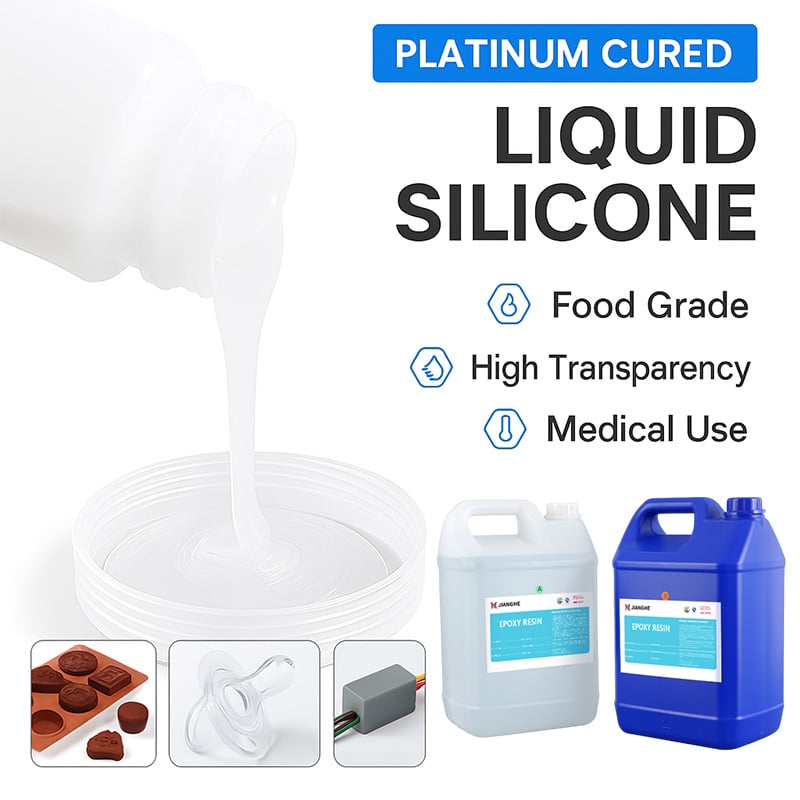
2 part liquid silicone rubber represents a revolutionary material solution for manufacturers seeking superior performance and reliability. This versatile compound consists of two components that combine to create a durable, flexible elastomer with exceptional properties. The 2 part liquid silicone rubber system delivers outstanding heat resistance, chemical stability, and flexibility that traditional materials cannot match.
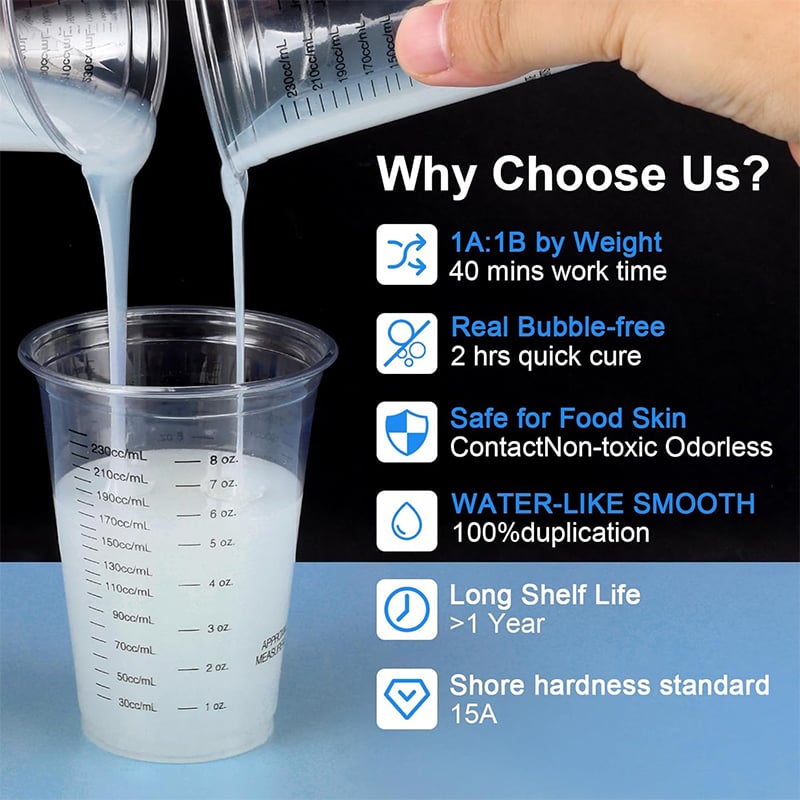
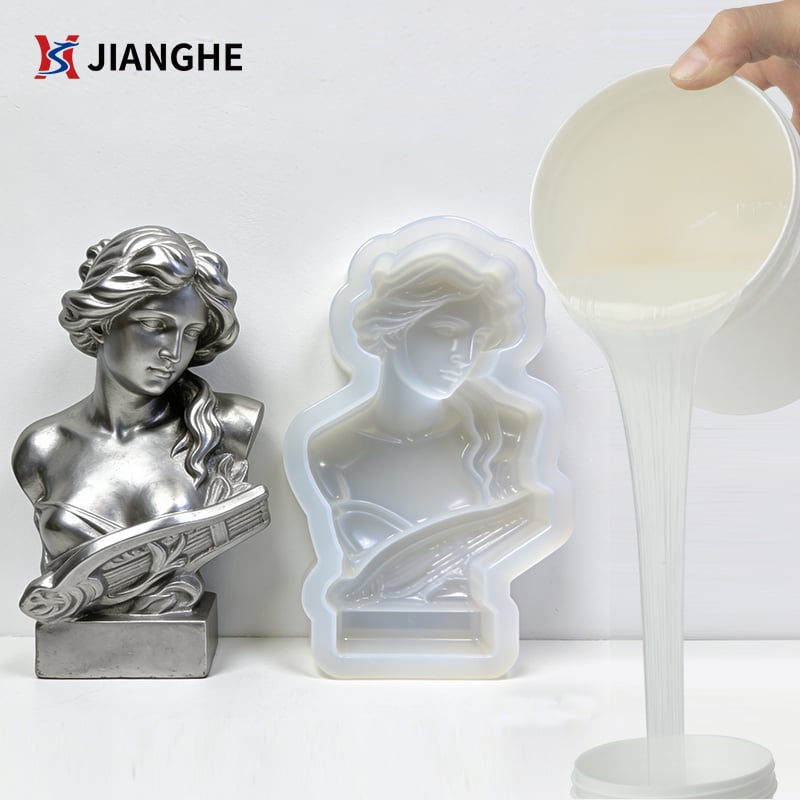
The primary function of 2 part liquid silicone rubber is to provide a moldable, curable material capable of producing complex shapes and components with precise dimensional accuracy. When the two parts mix, they undergo a chemical reaction that transforms the liquid state into solid rubber form within minutes. This unique characteristic makes 2 part liquid silicone rubber ideal for manufacturing applications requiring rapid production cycles.
Technologically, 2 part liquid silicone rubber features a sophisticated formulation combining oligomeric siloxanes with cross-linking agents. The composition ensures minimal shrinkage during curing, maintaining dimensional stability and product integrity. The two-part design allows manufacturers to control working time and curing speed, adapting the material to specific production requirements.
Applications for 2 part liquid silicone rubber span numerous industries including automotive, medical devices, consumer electronics, and industrial equipment. The material excels in creating gaskets, seals, protective coatings, and precision components. Its biocompatibility makes 2 part liquid silicone rubber particularly valuable in healthcare applications. The excellent electrical insulation properties enable its use in electronic device manufacturing, where performance and safety standards are paramount.

 EN
EN