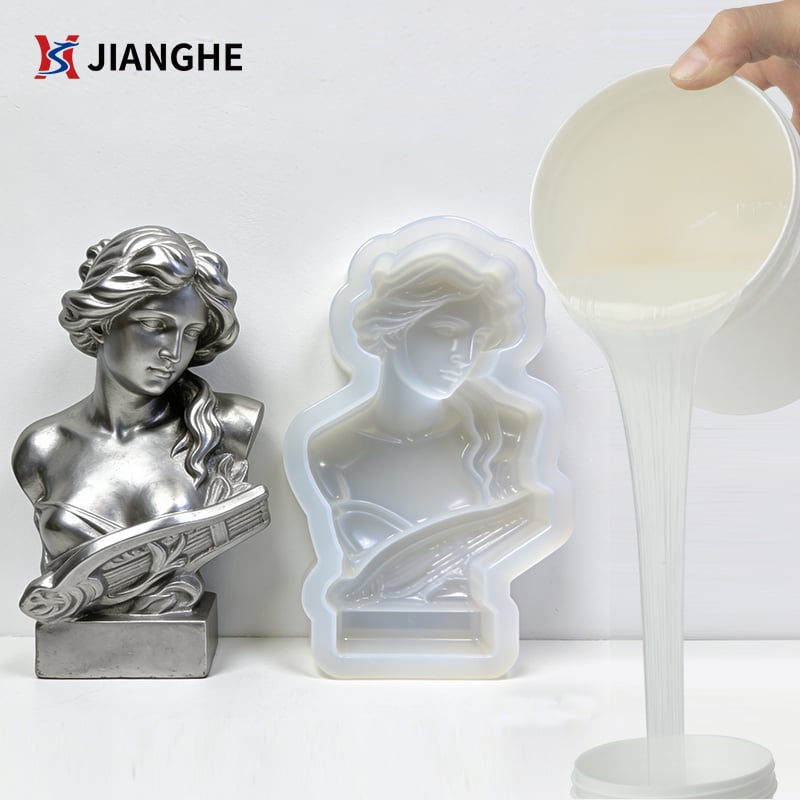
Professional Liquid Silicone for Mould Making - Superior Detail Reproduction and Durability

All Categories

Get a Tailored Solution

Provide your details below, and our material experts will contact you with a competitive quote and technical support within 24 hours.
Email
Name
Company Name
Message
0/1000

liquid silicone for mould making

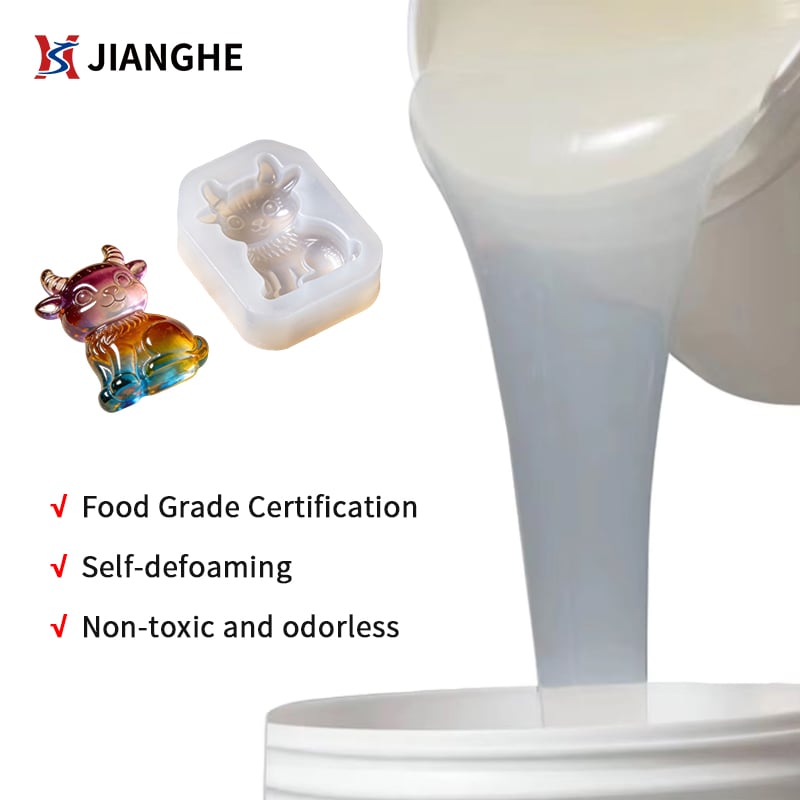
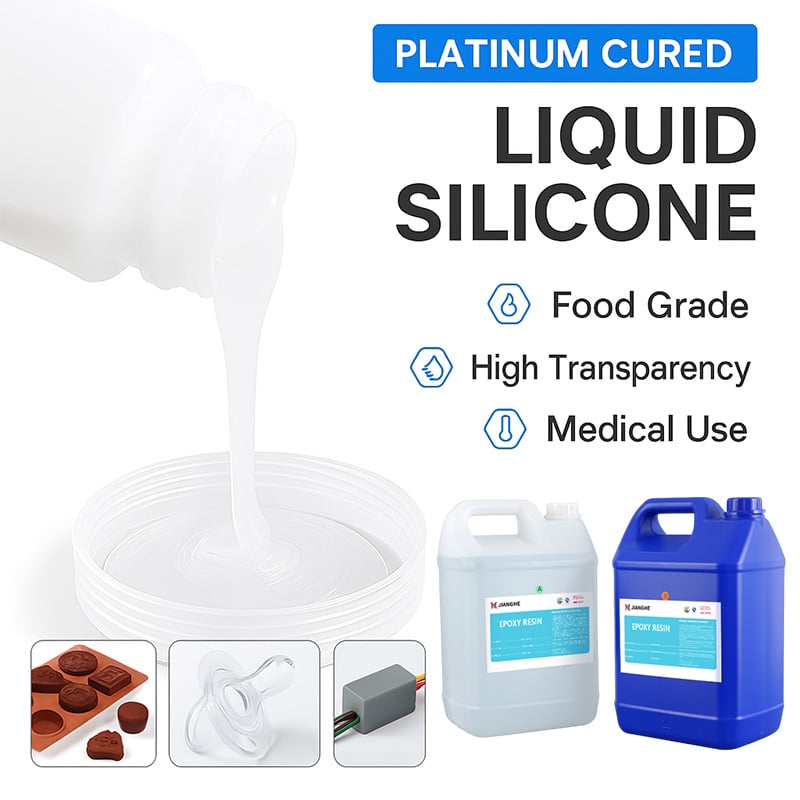
Liquid silicone for mould making represents a revolutionary advancement in manufacturing and prototyping industries, offering exceptional versatility and precision for creating detailed replicas of various objects. This specialized material consists of two-part platinum-cure silicone systems that deliver outstanding performance across diverse applications. The primary function of liquid silicone for mould making centers on its ability to capture intricate details while maintaining dimensional stability throughout the curing process. When properly mixed, this liquid silicone for mould making transforms from a flowable state into a flexible, durable elastomer that perfectly replicates surface textures, fine details, and complex geometries. The technological features of liquid silicone for mould making include excellent tear strength, superior chemical resistance, and remarkable temperature stability ranging from -65°F to 450°F. This liquid silicone for mould making exhibits minimal shrinkage during curing, typically less than 0.1%, ensuring accurate reproduction of original patterns. The material demonstrates exceptional de-molding properties, allowing easy release of cast parts without damage to either the mould or finished product. Applications for liquid silicone for mould making span numerous industries including automotive, aerospace, medical device manufacturing, consumer goods production, and artistic reproduction. In automotive applications, liquid silicone for mould making creates prototypes for dashboard components, gaskets, and decorative elements. Medical device manufacturers utilize liquid silicone for mould making to produce biocompatible components, prosthetics, and surgical instruments. The food industry benefits from liquid silicone for mould making by creating FDA-compliant moulds for chocolate, candy, and baking applications. Artistic applications of liquid silicone for mould making include sculpture reproduction, jewelry making, and restoration projects where precise detail capture proves essential for maintaining authenticity and quality.

New Product Recommendations

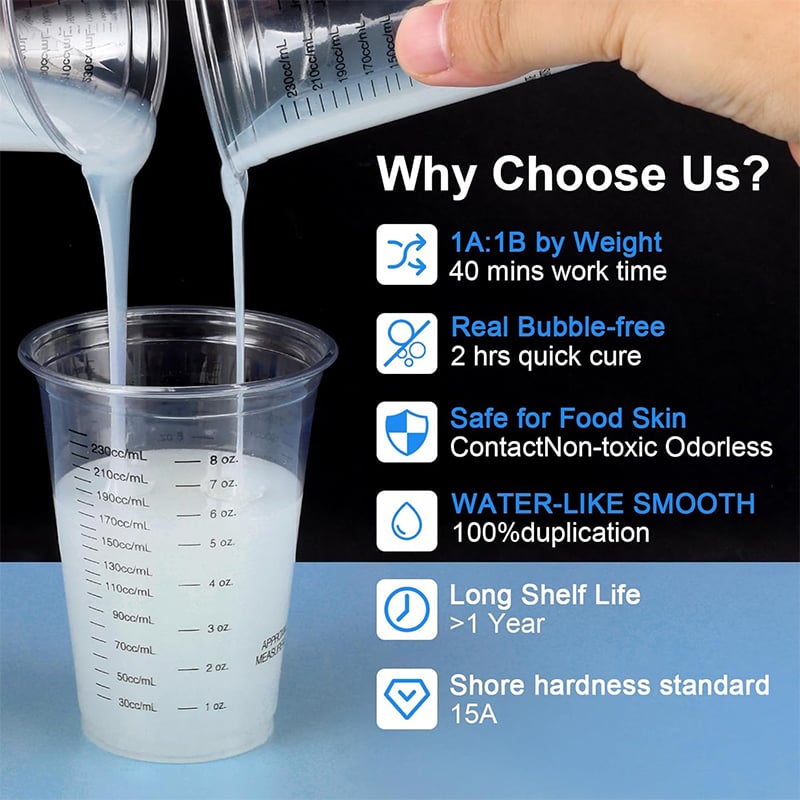
The advantages of liquid silicone for mould making extend far beyond traditional moulding materials, delivering exceptional value through superior performance characteristics and user-friendly properties. One significant benefit of liquid silicone for mould making lies in its remarkable ease of use, requiring minimal preparation and simple mixing procedures that eliminate complex equipment requirements. Users can achieve professional results with liquid silicone for mould making without extensive training or specialized facilities, making it accessible to both industrial manufacturers and individual craftspeople. The curing process of liquid silicone for mould making occurs at room temperature, eliminating the need for expensive heating equipment or energy-intensive processes that increase production costs. This room-temperature cure capability of liquid silicone for mould making enables users to work in standard workshop environments without investing in specialized infrastructure. The exceptional durability of liquid silicone for mould making ensures extended mould life, often producing hundreds or thousands of castings before replacement becomes necessary, significantly reducing per-unit production costs. Unlike rigid moulding materials, liquid silicone for mould making maintains flexibility that prevents cracking and breaking during de-molding operations, extending service life and reducing replacement frequency. The chemical inertness of liquid silicone for mould making allows compatibility with numerous casting materials including polyurethane resins, epoxy systems, concrete, plaster, wax, and low-melting-point metals. This versatility eliminates the need for multiple mould systems when working with different casting materials, streamlining inventory requirements and reducing storage costs. The non-stick properties of liquid silicone for mould making eliminate the need for release agents in many applications, simplifying the casting process and reducing material costs. The self-releasing characteristics of liquid silicone for mould making ensure clean part ejection while maintaining surface finish quality of cast components. Additionally, liquid silicone for mould making demonstrates excellent dimensional stability over extended periods, maintaining accuracy even after prolonged storage or repeated use cycles, ensuring consistent part quality throughout production runs.

Practical Tips

How Is Liquid Silicone Rubber Used in Professional Mold Making?

24

Dec

How Is Liquid Silicone Rubber Used in Professional Mold Making?

Practical Applications of Liquid Silicone Rubber in Professional Manufacturing Liquid Silicone Rubber plays a central role in professional making environments where precision, repeatability, and material reliability are critical. In contrast to hobby...
View More
How Can Buyers Assess Long-Term Reliability of a Resin Manufacturer?

11

Dec

How Can Buyers Assess Long-Term Reliability of a Resin Manufacturer?

Building Confidence in a Sustainable Manufacturing Partner Selecting a reliable Resin Manufacturer is a strategic decision that directly affects product quality, delivery stability, and long-term cooperation efficiency. For buyers sourcing epoxy resi...
View More
How Does Anti-Yellowing Resin Maintain Long-Term Visual Clarity?

17

Dec

How Does Anti-Yellowing Resin Maintain Long-Term Visual Clarity?

The Importance of Visual Stability in Modern Epoxy Applications Anti-Yellowing Resin has become a critical material choice in epoxy systems where long-term appearance, transparency, and color consistency are as important as mechanical performance. In...
View More
Why Is Clear Epoxy Resin More Prone to Yellowing?

10

Jan

Why Is Clear Epoxy Resin More Prone to Yellowing?

Understanding the Yellowing of Clear Epoxy Resin Clear epoxy resin is widely used in flooring, furniture, art, and industrial applications due to its transparency, durability, and glossy finish. However, one common challenge faced by manufacturers, a...
View More

Get a Free Quote

Our representative will contact you soon.
Email
Name
Company Name
Message
0/1000

liquid silicone for mould making

Exceptional Detail Reproduction and Surface Fidelity

Exceptional Detail Reproduction and Surface Fidelity

The superior detail reproduction capability of liquid silicone for mould making stands as its most compelling feature, enabling manufacturers and craftspeople to capture incredibly fine surface textures and intricate geometric details that other moulding materials cannot achieve. This liquid silicone for mould making utilizes advanced platinum-catalyzed chemistry that flows into microscopic surface variations, recording details as fine as fingerprints, fabric textures, and machined surface finishes with remarkable accuracy. The low viscosity of uncured liquid silicone for mould making allows it to penetrate complex undercuts, deep cavities, and narrow channels without trapping air bubbles that could compromise surface quality or dimensional accuracy. This characteristic makes liquid silicone for mould making particularly valuable for applications requiring precise replication of complex geometries such as automotive intake manifolds, medical device housings, or artistic sculptures with intricate surface details. The molecular structure of cured liquid silicone for mould making maintains these captured details throughout the mould's service life, ensuring consistent reproduction quality from the first casting to the thousandth. Unlike plaster or polyurethane moulds that may degrade or lose detail definition over time, liquid silicone for mould making preserves surface fidelity through hundreds of casting cycles. The elastic memory of liquid silicone for mould making allows it to return to its original shape after each de-molding operation, preventing permanent deformation that could affect part accuracy. This feature proves particularly important when casting parts with complex geometries or tight tolerances where dimensional consistency remains critical for proper function or assembly. Professional manufacturers rely on liquid silicone for mould making when producing high-value components where surface finish and dimensional accuracy directly impact product performance and customer satisfaction. The ability of liquid silicone for mould making to reproduce fine details also enables cost-effective production of complex parts that would otherwise require expensive machining or fabrication processes.
Outstanding Chemical and Temperature Resistance

Outstanding Chemical and Temperature Resistance

The remarkable chemical and temperature resistance properties of liquid silicone for mould making provide unmatched versatility for casting applications involving aggressive materials or extreme operating conditions that would destroy conventional moulding materials. This liquid silicone for mould making maintains its structural integrity and flexibility when exposed to acids, bases, solvents, oils, and other chemicals commonly found in industrial casting applications. Unlike polyurethane or latex moulds that may swell, crack, or dissolve when exposed to certain chemicals, liquid silicone for mould making demonstrates exceptional inertness that protects both the mould and cast parts from contamination or degradation. The temperature stability of liquid silicone for mould making extends from cryogenic conditions to elevated temperatures approaching 450°F, enabling applications ranging from frozen food production to hot-melt casting processes. This thermal resilience allows liquid silicone for mould making to withstand repeated temperature cycling without developing stress cracks or losing flexibility, ensuring consistent performance throughout extended production runs. Industrial applications benefit significantly from the chemical resistance of liquid silicone for mould making when casting polyurethane components, as the platinum-cured silicone remains unaffected by isocyanates and polyols that could damage other mould materials. The non-reactive nature of liquid silicone for mould making ensures that cast parts achieve their intended properties without interference from mould degradation products or chemical interactions. This characteristic proves particularly important in medical device manufacturing where biocompatibility requirements demand materials that will not leach harmful substances into cast components. The UV resistance of liquid silicone for mould making enables outdoor applications and long-term storage without degradation, unlike latex moulds that become brittle when exposed to sunlight. Food-grade formulations of liquid silicone for mould making meet FDA requirements for direct food contact, enabling production of chocolate moulds, ice cube trays, and baking forms that maintain safety standards while delivering superior performance. The chemical stability of liquid silicone for mould making also prevents flavor transfer or contamination in food applications, ensuring product quality and consumer safety.
Superior Flexibility and Demolding Performance

Superior Flexibility and Demolding Performance

The exceptional flexibility and demolding performance of liquid silicone for mould making revolutionizes the casting process by eliminating common problems associated with rigid moulding materials while enabling production of complex geometries that would be impossible with traditional techniques. This liquid silicone for mould making cures to a rubber-like consistency that can stretch significantly without tearing, allowing easy removal of parts with deep undercuts, sharp edges, or complex internal geometries. The elastic properties of liquid silicone for mould making enable it to flex around protruding features and return to its original shape after demolding, eliminating the need for complex multi-part mould designs that increase cost and complexity. This flexibility makes liquid silicone for mould making ideal for casting parts with threads, barbs, or other features that would lock into rigid moulds and prevent part removal. The tear strength of quality liquid silicone for mould making exceeds 150 pounds per linear inch, ensuring mould integrity even when stressed during demolding of challenging geometries. This durability allows liquid silicone for mould making to withstand aggressive demolding techniques without damage, extending service life and maintaining dimensional accuracy throughout the production cycle. The inherent release properties of liquid silicone for mould making eliminate sticking problems that plague other moulding materials, ensuring clean part separation without surface defects or mould damage. Unlike plaster moulds that may chip or crack during demolding, liquid silicone for mould making flexes to accommodate part removal forces without permanent deformation. The self-releasing characteristics of liquid silicone for mould making reduce cycle times by eliminating the need for release agent application and cleanup procedures, increasing productivity while reducing material costs. Professional foundries utilize liquid silicone for mould making for investment casting applications where the flexibility allows easy removal of wax patterns without breakage, improving yield and reducing pattern replacement costs. The ability of liquid silicone for mould making to produce complex hollow castings through flexible demolding techniques enables manufacturers to create lightweight components with internal passages or cavities that would be impossible with rigid tooling. This capability makes liquid silicone for mould making particularly valuable for prototype development where design iterations require frequent mould modifications or replacement.

Get Samples & Support

Email
Name
Company Name
Country/Region
What Are You Making
Single Choice
Estimated Monthly Usage
Single Choice
Message
0/1000