RTV2 Liquid Silicone: Advanced Two-Component Elastomer Solutions for Precision Manufacturing

All Categories

Get a Tailored Solution

Provide your details below, and our material experts will contact you with a competitive quote and technical support within 24 hours.
Email
Name
Company Name
Message
0/1000

rtv2 liquid silicone

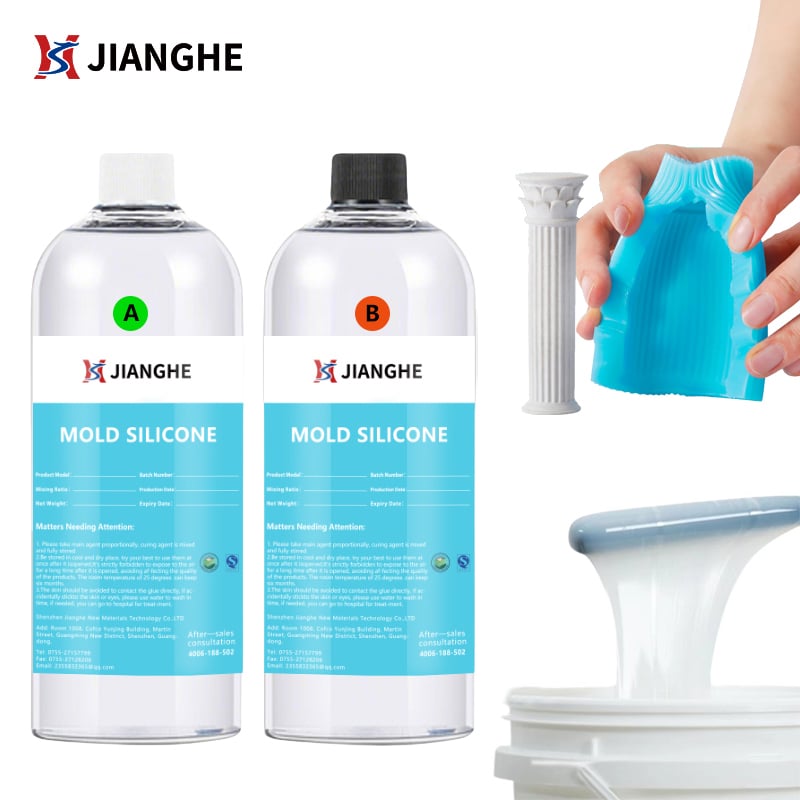
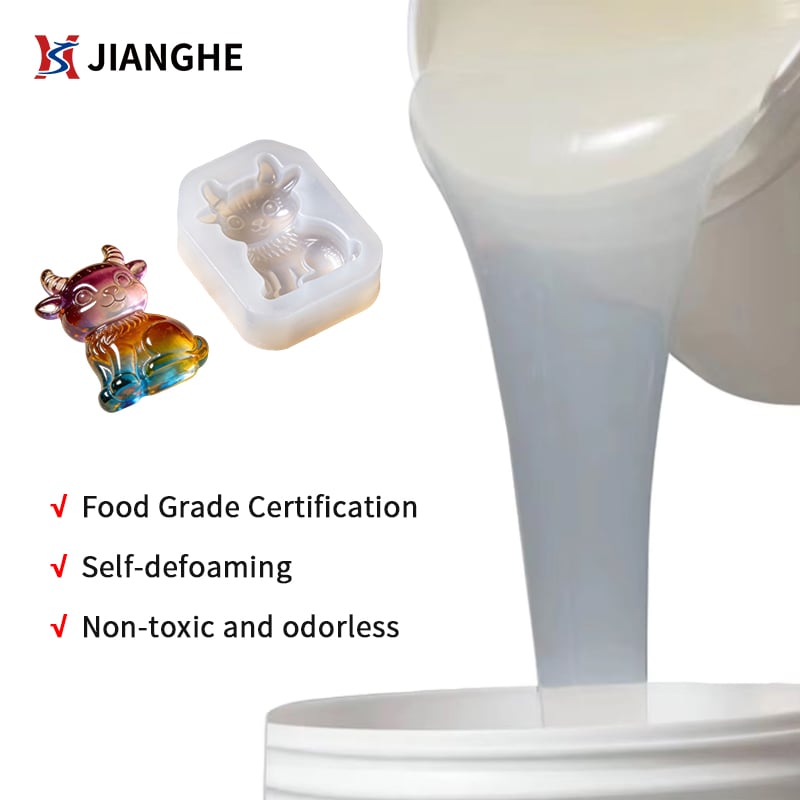
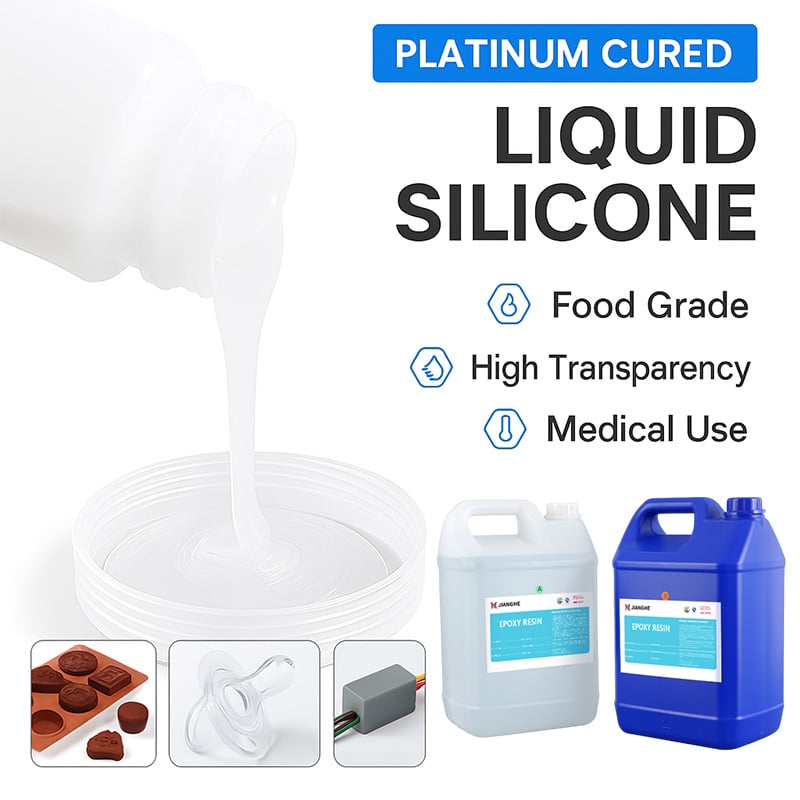
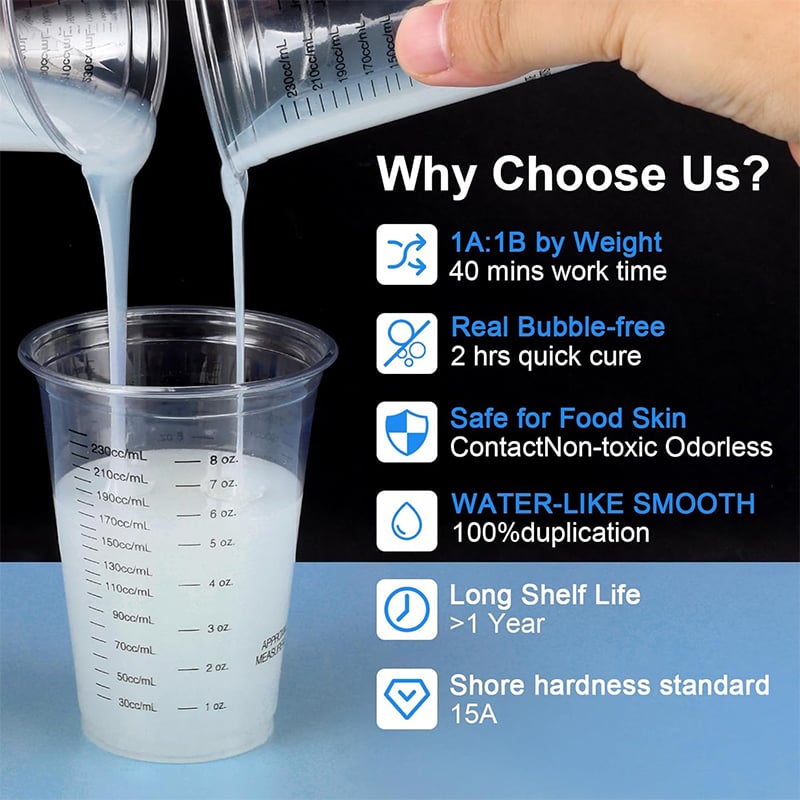
RTV2 liquid silicone represents a revolutionary two-component room temperature vulcanizing silicone rubber system that has transformed manufacturing processes across multiple industries. This advanced material consists of a base component and a catalyst that, when mixed together, create a flexible, durable elastomer without requiring high-temperature curing. The rtv2 liquid silicone technology operates through a platinum-catalyzed addition cure mechanism, ensuring consistent results and exceptional material properties. The primary function of rtv2 liquid silicone involves creating precise molds, prototypes, and end-use parts with remarkable dimensional accuracy and surface detail reproduction. Its technological features include excellent flowability, minimal shrinkage during curing, superior tear resistance, and outstanding chemical stability. The material demonstrates exceptional temperature resistance, maintaining flexibility and structural integrity across a wide temperature range from negative forty degrees Celsius to positive two hundred degrees Celsius. Manufacturing professionals utilize rtv2 liquid silicone for producing complex geometries that would be challenging or impossible to achieve with traditional manufacturing methods. The applications span automotive components, medical devices, consumer electronics housings, aerospace parts, and architectural elements. Food-grade formulations of rtv2 liquid silicone meet stringent regulatory requirements for direct food contact applications, while industrial grades offer enhanced mechanical properties for demanding operational environments. The material's biocompatibility makes it suitable for medical implants and prosthetic devices, while its electrical insulation properties support electronic component manufacturing. Processing rtv2 liquid silicone requires precise mixing ratios, typically ranging from ten-to-one to one-to-one depending on the specific formulation, followed by degassing to eliminate air bubbles that could compromise final part quality.

New Product Releases

The rtv2 liquid silicone offers manufacturers significant advantages that directly translate into improved production efficiency and cost savings. Unlike traditional manufacturing materials, rtv2 liquid silicone eliminates the need for expensive heating equipment and energy-intensive curing processes, reducing operational costs by up to forty percent compared to high-temperature vulcanizing systems. The material flows easily into intricate mold details, capturing surface textures as fine as 0.025 millimeters, which means manufacturers can produce parts with exceptional surface finish straight from the mold without additional finishing operations. This capability reduces labor costs and shortens production cycles significantly. The dimensional stability of rtv2 liquid silicone ensures that parts maintain their precise specifications over extended periods, minimizing quality control issues and reducing waste from rejected components. Manufacturers benefit from the material's excellent release properties, which allow for easy part removal without damaging either the part or the mold, extending mold life and reducing replacement costs. The chemical resistance of rtv2 liquid silicone protects finished parts from degradation when exposed to oils, solvents, and cleaning agents commonly found in industrial environments, resulting in longer-lasting products and reduced warranty claims. Processing flexibility represents another major advantage, as rtv2 liquid silicone can be cast, injected, or poured depending on production requirements, allowing manufacturers to optimize their processes for different part geometries and production volumes. The material's self-leveling properties eliminate the need for complex mold filling systems, simplifying tooling requirements and reducing initial setup costs. Quality consistency remains exceptionally high with rtv2 liquid silicone, as the controlled mixing and curing process produces uniform material properties throughout each part, reducing variability and improving overall product reliability. The material's compatibility with various additives allows manufacturers to customize properties such as color, hardness, and specific performance characteristics without compromising the base material's excellent properties, providing flexibility to meet diverse customer requirements while maintaining cost-effective production processes.

Latest News

How Is Liquid Silicone Rubber Used in Professional Mold Making?

24

Dec

How Is Liquid Silicone Rubber Used in Professional Mold Making?

Practical Applications of Liquid Silicone Rubber in Professional Manufacturing Liquid Silicone Rubber plays a central role in professional making environments where precision, repeatability, and material reliability are critical. In contrast to hobby...
View More
How Does Anti-Yellowing Resin Maintain Long-Term Visual Clarity?

17

Dec

How Does Anti-Yellowing Resin Maintain Long-Term Visual Clarity?

The Importance of Visual Stability in Modern Epoxy Applications Anti-Yellowing Resin has become a critical material choice in epoxy systems where long-term appearance, transparency, and color consistency are as important as mechanical performance. In...
View More
Why Is Clear Epoxy Resin More Prone to Yellowing?

10

Jan

Why Is Clear Epoxy Resin More Prone to Yellowing?

Understanding the Yellowing of Clear Epoxy Resin Clear epoxy resin is widely used in flooring, furniture, art, and industrial applications due to its transparency, durability, and glossy finish. However, one common challenge faced by manufacturers, a...
View More
Why Is Floor Coating Epoxy Suitable for Chemical Plants and Warehouses?

22

Jan

Why Is Floor Coating Epoxy Suitable for Chemical Plants and Warehouses?

The Advantages of Floor Coating Epoxy in Industrial Environments Floor coating epoxy has become a preferred choice for chemical plants, warehouses, and other industrial facilities due to its durability, chemical resistance, and ease of maintenance. I...
View More

Get a Free Quote

Our representative will contact you soon.
Email
Name
Company Name
Message
0/1000

rtv2 liquid silicone

Superior Mold Reproduction and Surface Detail Capture

Superior Mold Reproduction and Surface Detail Capture

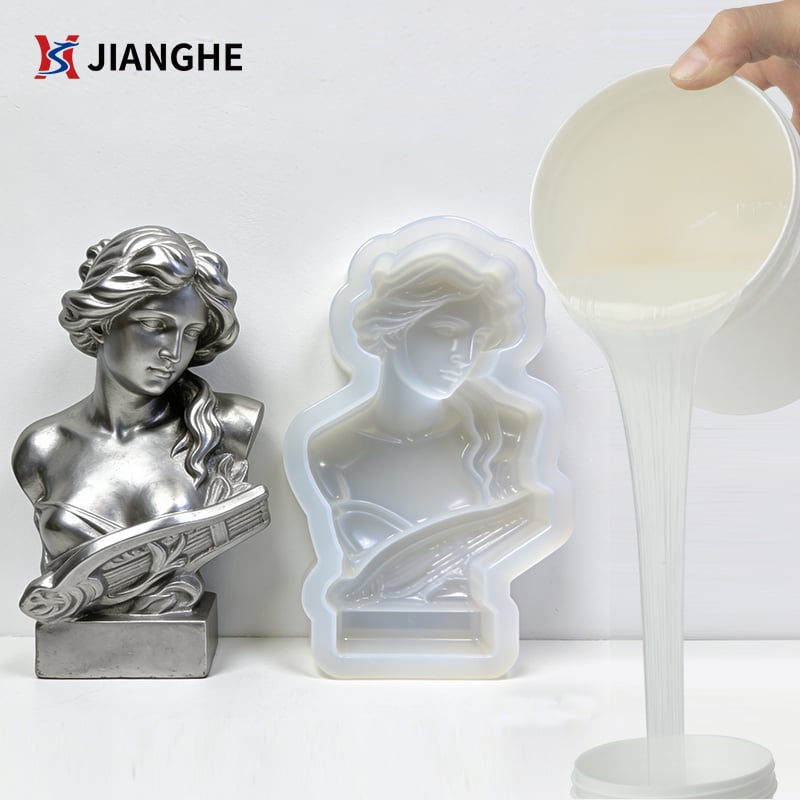
The exceptional mold reproduction capabilities of rtv2 liquid silicone set it apart from other elastomeric materials in the manufacturing industry. This advanced material system captures microscopic surface details with unprecedented accuracy, reproducing textures, patterns, and geometric features down to the nanometer scale. The low viscosity of rtv2 liquid silicone during the initial mixing phase allows it to flow into the smallest crevices and around complex geometries, ensuring complete mold filling without air entrapment or incomplete coverage. This characteristic proves particularly valuable for manufacturers producing decorative components, precision mechanical parts, or products requiring specific surface textures for functional performance. The material's ability to reproduce fine details stems from its unique molecular structure and curing mechanism, which maintains fluidity during the initial stages while progressively building crosslink density as the reaction proceeds. Professional moldmakers leverage this property to create master molds that can reproduce thousands of identical parts without dimensional degradation or surface quality loss. The rtv2 liquid silicone maintains its shape fidelity throughout the curing process, with minimal shrinkage typically below 0.1 percent, ensuring that finished parts match original specifications precisely. This dimensional accuracy eliminates the need for post-processing operations such as machining or grinding, reducing production time and associated costs. Industries such as automotive manufacturing utilize this capability to produce complex gaskets and seals that must maintain precise tolerances for proper sealing performance. Medical device manufacturers rely on the surface reproduction accuracy of rtv2 liquid silicone to create components with specific surface textures that promote tissue integration or provide tactile feedback. The material's ability to capture and reproduce surface details also extends to creating realistic prototypes for design validation, allowing engineers to evaluate both form and function before committing to expensive production tooling.
Exceptional Chemical and Environmental Resistance

Exceptional Chemical and Environmental Resistance

The outstanding chemical and environmental resistance of rtv2 liquid silicone makes it an ideal choice for demanding applications where exposure to harsh conditions is inevitable. This remarkable resistance stems from the material's siloxane backbone structure, which provides inherent stability against a wide range of chemicals, temperatures, and environmental factors. Unlike organic rubber materials that degrade when exposed to oils, fuels, or cleaning solvents, rtv2 liquid silicone maintains its physical properties and dimensional stability even after prolonged exposure to aggressive chemical environments. This resistance extends to both polar and non-polar solvents, acids, bases, and oxidizing agents commonly encountered in industrial applications. Temperature cycling, which can cause traditional materials to crack or lose elasticity, has minimal impact on rtv2 liquid silicone performance due to its stable polymer structure and low glass transition temperature. The material withstands continuous exposure to temperatures ranging from arctic conditions to elevated industrial environments without becoming brittle or losing flexibility. UV radiation and ozone exposure, which typically cause rubber materials to deteriorate through chain scission and crosslinking reactions, have negligible effects on rtv2 liquid silicone due to its inorganic backbone structure. This environmental stability makes the material particularly suitable for outdoor applications such as architectural sealing, solar panel components, and automotive exterior parts. Food processing equipment manufacturers benefit from rtv2 liquid silicone's resistance to cleaning chemicals and sanitizing agents, as the material maintains its integrity and safety properties even after thousands of cleaning cycles. The chemical inertness of rtv2 liquid silicone also prevents leaching of additives or degradation products, ensuring that parts maintain their original properties throughout their service life. This stability translates into reduced maintenance requirements, longer component life, and improved reliability for end users, making rtv2 liquid silicone a cost-effective choice for critical applications where failure is not acceptable.
Versatile Processing and Application Flexibility

Versatile Processing and Application Flexibility

The remarkable processing versatility of rtv2 liquid silicone opens up unlimited possibilities for manufacturers seeking efficient production solutions across diverse applications. This flexibility begins with the material's ability to be processed using multiple techniques, including casting, injection molding, compression molding, and manual application, depending on production requirements and part complexity. The room temperature curing characteristic eliminates the need for expensive heated tooling and reduces energy consumption, making rtv2 liquid silicone processing accessible to manufacturers of all sizes, from small specialty shops to large-scale production facilities. The material's pot life can be adjusted through catalyst selection and concentration, allowing processors to optimize working time for different production scenarios, from rapid automated processes to complex manual assembly operations. This adaptability proves particularly valuable for manufacturers producing both high-volume standardized components and low-volume custom parts using the same material system. The rtv2 liquid silicone formulation can be modified with various additives to achieve specific performance characteristics such as enhanced tear resistance, improved thermal conductivity, or specialized surface properties, providing manufacturers with the flexibility to meet unique application requirements without switching to entirely different material systems. Color matching capabilities allow for precise aesthetic control, enabling manufacturers to produce parts in specific colors or transparent formulations without compromising material performance. The material's compatibility with various substrates and bonding agents facilitates multi-material assemblies, allowing designers to combine rtv2 liquid silicone with metals, plastics, and other materials to create complex functional components. Processing equipment requirements remain relatively simple, with basic mixing and dispensing systems sufficient for most applications, reducing capital investment and operational complexity. The self-releasing properties of cured rtv2 liquid silicone simplify part removal and reduce cycle times, while the material's durability allows molds to be reused thousands of times without degradation. This combination of processing flexibility and application versatility makes rtv2 liquid silicone an ideal solution for rapid prototyping, small-batch production, and specialized manufacturing applications where traditional materials and processes would be impractical or cost-prohibitive.

Get Samples & Support

Email
Name
Company Name
Country/Region
What Are You Making
Single Choice
Estimated Monthly Usage
Single Choice
Message
0/1000