Premium Liquid Silicone for Mold Making - Professional Grade Molding Solutions

All Categories

Get a Tailored Solution

Provide your details below, and our material experts will contact you with a competitive quote and technical support within 24 hours.
Email
Name
Company Name
Message
0/1000

liquid silicone for mold making

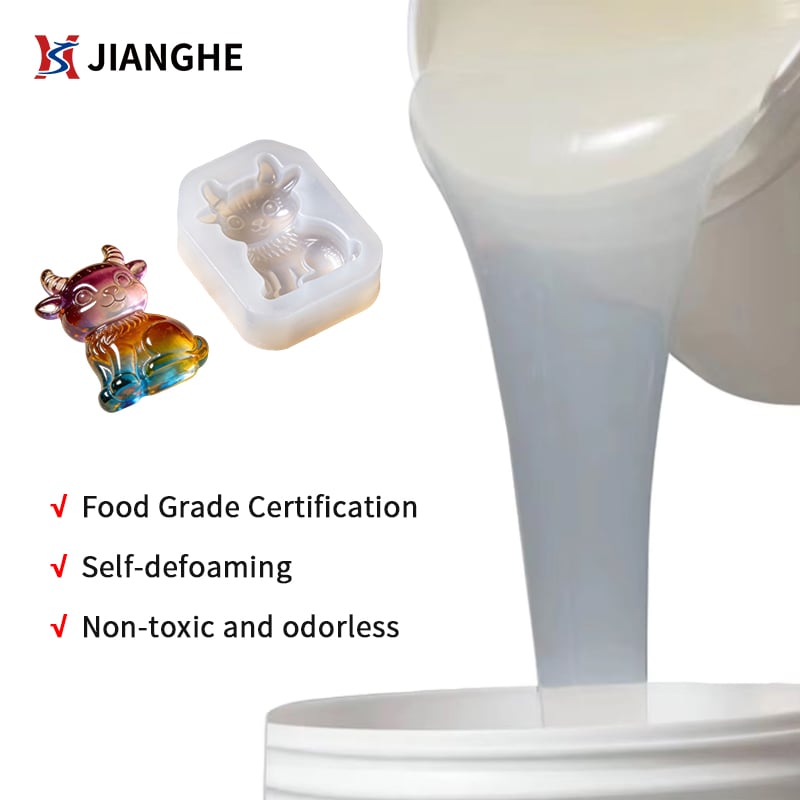
Liquid silicone for mold making represents a revolutionary material that has transformed the manufacturing and prototyping industry. This advanced polymer solution offers exceptional versatility and precision for creating detailed molds used across various applications. The primary function of liquid silicone for mold making centers on its ability to capture intricate details while providing long-lasting durability. When properly mixed and cured, this material creates flexible yet stable molds that can withstand repeated use without degradation. The technological features of liquid silicone for mold making include superior flow characteristics that ensure complete cavity filling, excellent dimensional stability that maintains accuracy over time, and chemical resistance that prevents deterioration from various casting materials. The curing process occurs at room temperature or can be accelerated with heat, making it adaptable to different production requirements. Applications for liquid silicone for mold making span numerous industries including automotive, aerospace, medical device manufacturing, consumer products, and artistic creations. Manufacturers utilize this material for producing gaskets, seals, electronic components, decorative items, and complex mechanical parts. The food-grade variants of liquid silicone for mold making enable safe production of culinary tools and food-contact items. Additionally, hobbyists and professionals in the entertainment industry rely on liquid silicone for mold making to create special effects, props, and artistic sculptures. The material's ability to reproduce fine surface textures makes it invaluable for applications requiring aesthetic appeal. Modern formulations of liquid silicone for mold making incorporate advanced additives that enhance performance characteristics such as tear strength, elongation properties, and thermal stability, ensuring consistent results across diverse manufacturing environments.

New Product Releases

The advantages of liquid silicone for mold making extend far beyond traditional molding materials, offering users significant benefits that directly impact productivity and cost-effectiveness. One major advantage involves the exceptional ease of use that liquid silicone for mold making provides. Unlike complex molding systems that require extensive training, this material features straightforward mixing ratios and simple application procedures that allow both professionals and newcomers to achieve excellent results quickly. The user-friendly nature reduces labor costs and minimizes the learning curve associated with mold creation. Another significant benefit of liquid silicone for mold making lies in its superior flexibility and durability combination. This material maintains elasticity throughout its service life, allowing for easy demolding of complex geometries without damaging either the mold or the cast parts. The flexibility prevents cracking and tearing that commonly occurs with rigid molding materials, extending mold life substantially and reducing replacement costs. Cost savings represent a crucial advantage when choosing liquid silicone for mold making over alternative solutions. The extended lifespan means fewer mold replacements, while the ability to cast multiple materials reduces inventory requirements. Users can produce hundreds or thousands of parts from a single mold, making the initial investment highly economical over time. The versatility of liquid silicone for mold making allows casting of various materials including resins, waxes, concrete, and metals, eliminating the need for multiple specialized molds. Quality consistency stands out as another major advantage of liquid silicone for mold making. Each cast part maintains dimensional accuracy and surface finish quality, reducing waste from defective products. This consistency proves especially valuable in production environments where specifications must meet strict tolerances. The material's chemical inertness prevents contamination of cast materials, ensuring pure results every time. Time efficiency becomes apparent when using liquid silicone for mold making, as the relatively quick curing times enable faster project completion. The room temperature curing capability eliminates energy costs associated with heated curing systems while providing scheduling flexibility that accommodates various production demands.

Practical Tips

How Can Buyers Assess Long-Term Reliability of a Resin Manufacturer?

11

Dec

How Can Buyers Assess Long-Term Reliability of a Resin Manufacturer?

Building Confidence in a Sustainable Manufacturing Partner Selecting a reliable Resin Manufacturer is a strategic decision that directly affects product quality, delivery stability, and long-term cooperation efficiency. For buyers sourcing epoxy resi...
View More
What Advantages Does Floor Coating Epoxy Offer in Warehouses and Factories?

23

Dec

What Advantages Does Floor Coating Epoxy Offer in Warehouses and Factories?

Advantages of Floor Coating Epoxy for Warehouses and Factories Maintaining durable, safe, and efficient flooring in warehouses and factories is a constant challenge. Heavy machinery, forklift traffic, and chemical exposure put extreme stress on concr...
View More
Why Is Clear Epoxy Resin More Prone to Yellowing?

10

Jan

Why Is Clear Epoxy Resin More Prone to Yellowing?

Understanding the Yellowing of Clear Epoxy Resin Clear epoxy resin is widely used in flooring, furniture, art, and industrial applications due to its transparency, durability, and glossy finish. However, one common challenge faced by manufacturers, a...
View More
How Does River Table Epoxy Control Exothermic Reaction and Cracking?

28

Jan

How Does River Table Epoxy Control Exothermic Reaction and Cracking?

Managing Exothermic Reactions and Cracking in River Table Epoxy River Table Epoxy has become a favorite material for designers and artisans who create stunning river tables, countertops, and artistic pieces. Its clarity, durability, and versatility m...
View More

Get a Free Quote

Our representative will contact you soon.
Email
Name
Company Name
Message
0/1000

liquid silicone for mold making

Exceptional Detail Reproduction and Surface Quality

Exceptional Detail Reproduction and Surface Quality

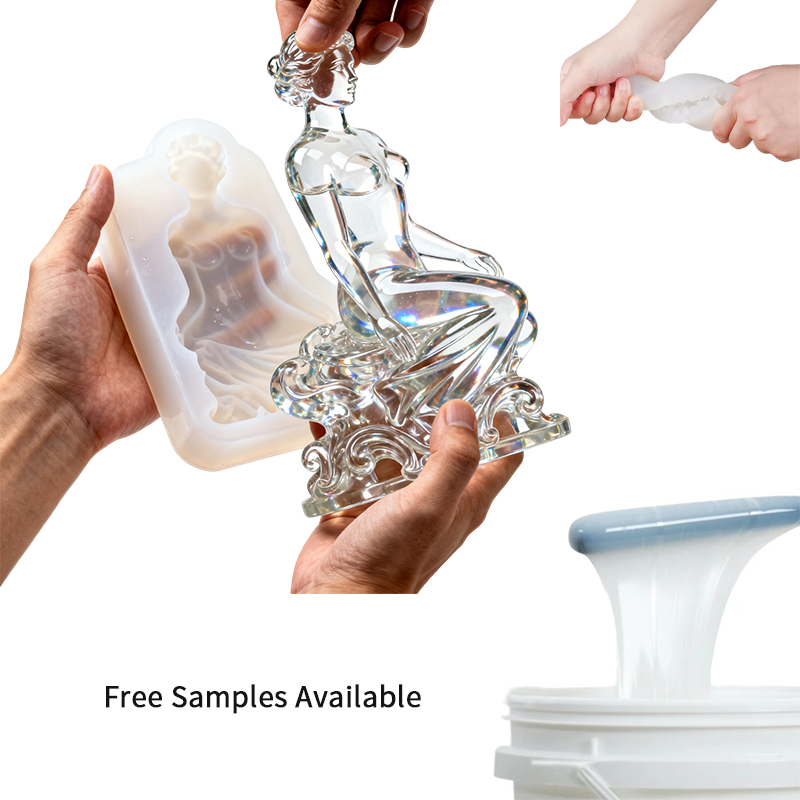
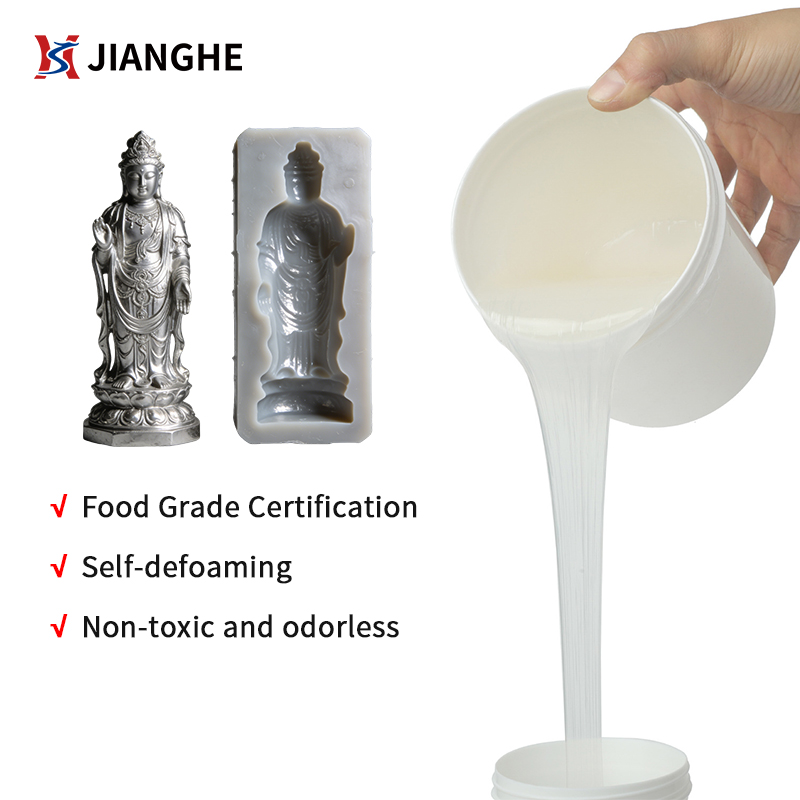
The remarkable ability of liquid silicone for mold making to capture and reproduce intricate details sets it apart from conventional molding materials. This superior characteristic stems from the material's unique molecular structure and flow properties that allow it to penetrate the smallest crevices and surface textures during the molding process. When creating molds with liquid silicone for mold making, users can expect faithful reproduction of details as fine as fingerprint ridges, fabric textures, and microscopic surface features. This level of detail retention proves invaluable for applications requiring high aesthetic standards or precise functional requirements. The low viscosity of properly mixed liquid silicone for mold making ensures complete cavity filling without air entrapment, which commonly plagues other molding systems. This characteristic eliminates defects such as surface pitting, incomplete fills, or dimensional inaccuracies that can compromise final product quality. Manufacturers producing decorative items, jewelry, or precision components particularly benefit from this feature, as it eliminates the need for secondary finishing operations. The surface quality achieved through liquid silicone for mold making often surpasses that of the original master pattern, creating cast parts with mirror-like finishes or perfectly replicated textures. This capability extends to complex undercuts and internal geometries that would be impossible to achieve with rigid molding systems. The flexibility inherent in cured liquid silicone for mold making allows for easy removal of cast parts without distortion, maintaining the integrity of both the mold and the finished product. Professional sculptors, prototype developers, and production engineers consistently choose liquid silicone for mold making when detail fidelity cannot be compromised. The material's ability to maintain these quality standards throughout thousands of casting cycles ensures consistent results from first cast to final production run, making it an essential tool for quality-conscious manufacturers seeking reliable reproduction of complex geometries and surface characteristics.
Superior Chemical Resistance and Compatibility

Superior Chemical Resistance and Compatibility

The outstanding chemical resistance of liquid silicone for mold making provides users with unparalleled versatility in material selection for casting operations. This fundamental advantage allows manufacturers to work with a broad spectrum of casting materials without fear of mold degradation or contamination. Unlike organic rubber compounds that can swell, dissolve, or chemically react with various substances, liquid silicone for mold making maintains its structural integrity when exposed to aggressive chemicals, solvents, and reactive casting materials. This resistance extends to acids, bases, alcohols, and many industrial chemicals commonly found in manufacturing environments. The inert nature of cured liquid silicone for mold making prevents unwanted chemical reactions that could affect cure inhibition in cast materials or introduce contaminants that compromise final product properties. This compatibility proves especially critical when working with sensitive materials such as platinum-catalyzed silicones, polyurethanes, or specialty resins that require pristine molding conditions. Food-grade formulations of liquid silicone for mold making meet stringent safety standards, enabling safe production of items intended for food contact without risk of migration or contamination. The chemical stability also extends to temperature resistance, allowing liquid silicone for mold making to perform reliably across wide temperature ranges without degradation. Users can confidently cast hot materials or employ heated curing processes without compromising mold integrity. The non-stick properties inherent in liquid silicone for mold making eliminate the need for release agents in many applications, reducing process complexity and potential contamination sources. This characteristic proves particularly valuable when casting sticky or adhesive materials that would otherwise bond permanently to conventional molds. The chemical compatibility of liquid silicone for mold making enables sequential casting of different materials in the same mold without cross-contamination, allowing manufacturers to maximize equipment utilization and reduce tooling costs while maintaining product quality standards across diverse material systems.
Cost-Effective Long-Term Performance and Durability

Cost-Effective Long-Term Performance and Durability

The economic benefits of liquid silicone for mold making become increasingly apparent through extended use cycles and reduced operational costs. This material delivers exceptional value through its combination of longevity, versatility, and consistent performance characteristics that minimize total cost of ownership. Unlike traditional molding materials that may require frequent replacement due to wear, cracking, or chemical degradation, liquid silicone for mold making maintains its properties through thousands of casting cycles. This durability translates directly into reduced tooling costs and decreased production downtime associated with mold replacement. The tear resistance and flexibility of liquid silicone for mold making allow for aggressive demolding without damage, even when working with complex geometries or materials with strong adhesion properties. Users can confidently remove cast parts without fear of mold failure, maintaining production schedules and quality standards. The ability to cast multiple material types in the same mold maximizes equipment utilization and reduces inventory requirements for specialized tooling. Manufacturers can switch between different casting materials based on production demands without investing in additional molds, providing operational flexibility that improves overall efficiency. The room temperature curing capability of liquid silicone for mold making eliminates energy costs associated with heated molding systems while providing process flexibility that accommodates various production schedules. The material's stability in storage prevents waste from expired or degraded products, ensuring that investment in molding materials remains productive over extended periods. Maintenance requirements for molds made from liquid silicone for mold making remain minimal, requiring only basic cleaning between casting cycles. The non-porous surface prevents accumulation of contaminants that could affect subsequent cast parts, maintaining quality consistency without extensive maintenance procedures. The recyclability of worn molds and the potential for reprocessing unused material further enhance the environmental and economic benefits of liquid silicone for mold making, supporting sustainable manufacturing practices while controlling material costs throughout the production lifecycle.

Get Samples & Support

Email
Name
Company Name
Country/Region
What Are You Making
Single Choice
Estimated Monthly Usage
Single Choice
Message
0/1000