Leading Silicone Suppliers: Advanced Materials, Quality Assurance & Flexible Supply Solutions

All Categories

Get a Tailored Solution

Provide your details below, and our material experts will contact you with a competitive quote and technical support within 24 hours.
Email
Name
Company Name
Message
0/1000

silicone suppliers

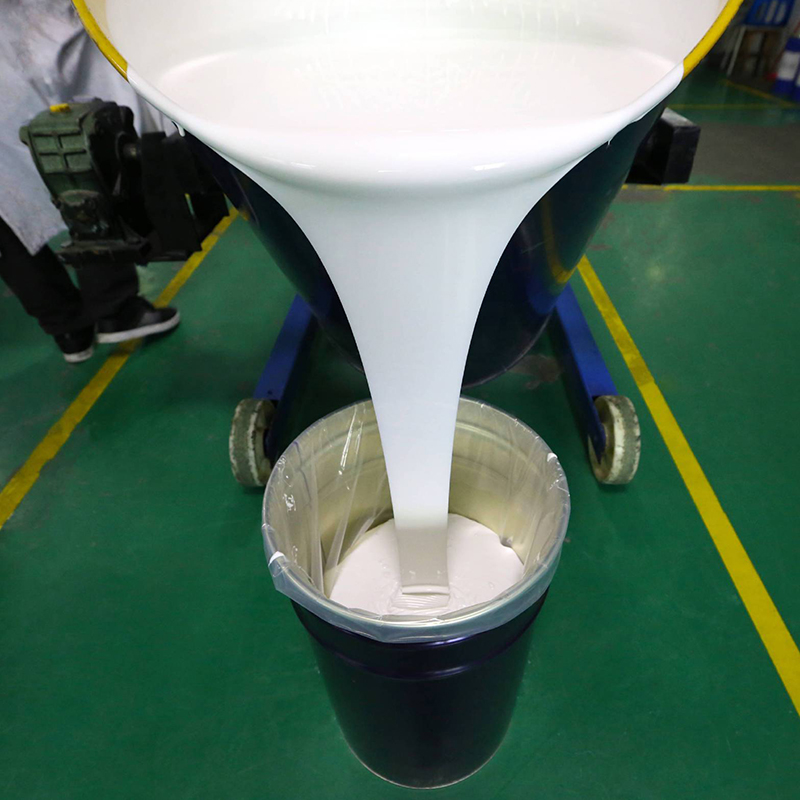
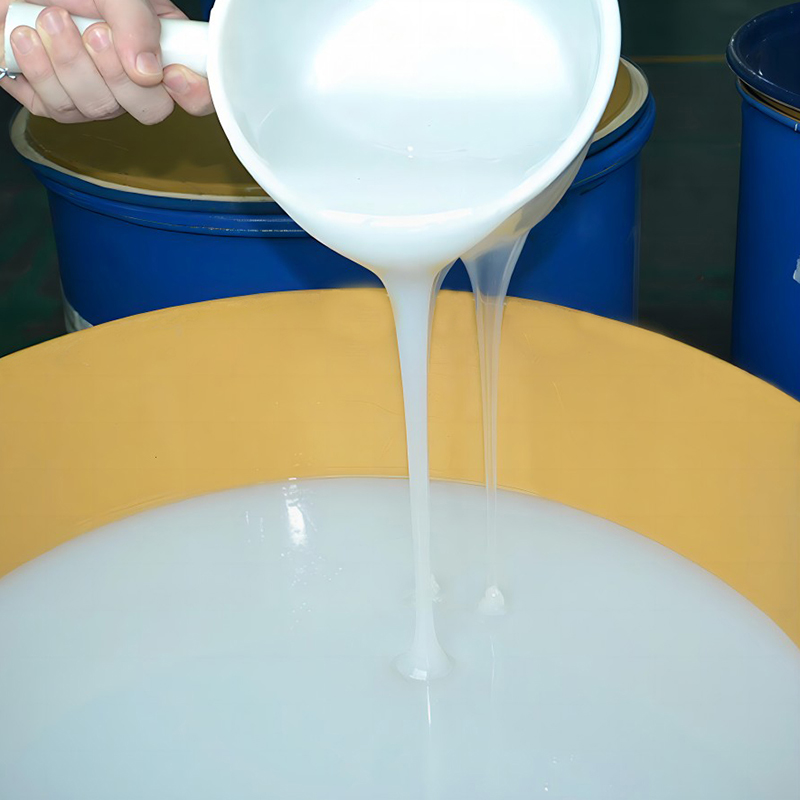
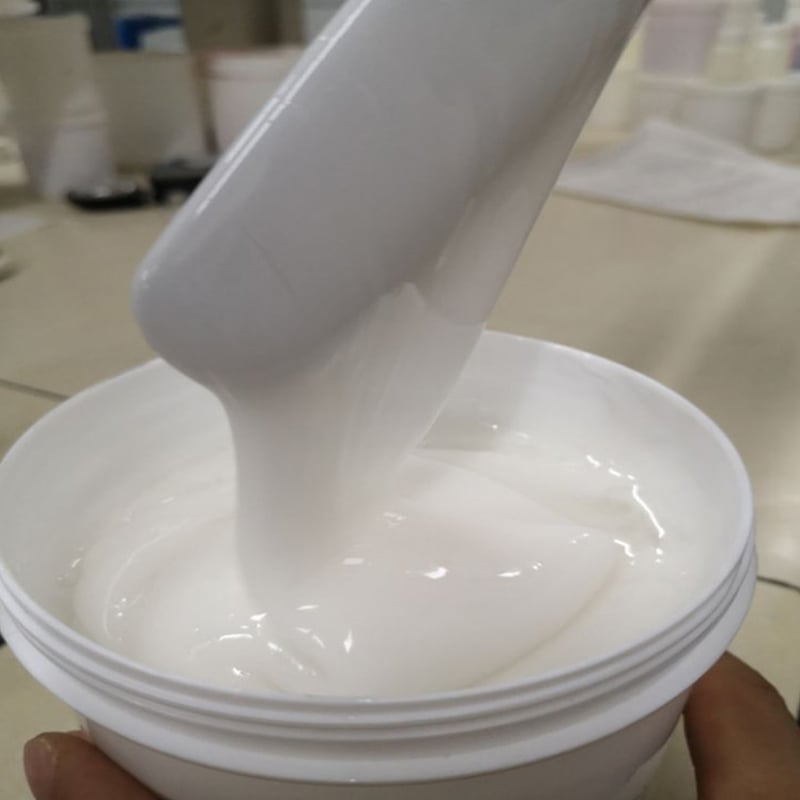
Silicone suppliers play a crucial role in today's manufacturing ecosystem, providing specialized materials that enable innovation across countless industries. These companies focus on producing and distributing various silicone-based products, from basic raw materials to complex engineered solutions. Modern silicone suppliers utilize advanced manufacturing processes to create materials with exceptional thermal stability, chemical resistance, and mechanical properties that traditional materials cannot match. Their technological capabilities span multiple production methods including injection molding, compression molding, liquid silicone rubber processing, and specialty coating applications. The primary functions of silicone suppliers encompass research and development of new formulations, quality control testing, custom material development, and comprehensive technical support services. These suppliers maintain sophisticated laboratory facilities equipped with state-of-the-art analytical instruments to ensure consistent product quality and performance. Their technological features include precision mixing systems, temperature-controlled curing processes, and automated quality inspection protocols that guarantee material specifications meet exact customer requirements. Applications for silicone suppliers' products extend across automotive manufacturing, medical device production, electronics assembly, aerospace engineering, construction projects, and consumer goods development. Healthcare applications represent a significant market segment, where biocompatible silicone materials enable safe medical implants, surgical instruments, and pharmaceutical packaging. Electronics industries rely on silicone suppliers for thermal management solutions, electrical insulation materials, and protective coatings that enhance device reliability. Automotive applications include gaskets, seals, hoses, and vibration dampening components that withstand extreme temperature fluctuations and chemical exposure. Construction sectors utilize silicone-based sealants, adhesives, and weatherproofing materials that provide long-lasting protection against environmental factors.

New Product Recommendations

Silicone suppliers offer numerous compelling advantages that make them invaluable partners for businesses seeking reliable material solutions. First, these suppliers provide exceptional product consistency through rigorous quality control measures and standardized manufacturing processes. This consistency eliminates production variabilities that could compromise end-product performance, saving manufacturers significant costs associated with defective materials or production delays. Second, silicone suppliers maintain extensive technical expertise that extends far beyond simple material provision. Their engineering teams collaborate directly with customers to develop customized formulations that address specific application requirements, eliminating the need for expensive internal research and development initiatives. Third, established silicone suppliers operate global distribution networks that ensure reliable material availability regardless of geographic location or order volume. This network stability protects businesses from supply chain disruptions that could halt production operations. Fourth, these suppliers invest heavily in sustainable manufacturing practices and environmentally responsible production methods, helping customers meet their own sustainability goals while reducing regulatory compliance burdens. Fifth, silicone suppliers offer comprehensive technical support services including application guidance, troubleshooting assistance, and performance optimization recommendations. This support reduces the learning curve associated with implementing new materials and minimizes the risk of application failures. Sixth, competitive pricing structures provided by established silicone suppliers often result in lower total cost of ownership compared to alternative material solutions, particularly when factoring in durability, performance, and maintenance considerations. Seventh, these suppliers typically maintain substantial inventory levels and flexible ordering systems that accommodate both large-scale production requirements and smaller prototype development needs. Eighth, quality certifications maintained by reputable silicone suppliers provide customers with confidence that materials meet industry standards and regulatory requirements, reducing liability concerns and simplifying compliance documentation. Finally, long-term partnerships with silicone suppliers often yield additional benefits including priority access to new product innovations, preferred pricing arrangements, and collaborative development opportunities that can provide competitive advantages in the marketplace.

Practical Tips

How Is Liquid Silicone Rubber Used in Professional Mold Making?

24

Dec

How Is Liquid Silicone Rubber Used in Professional Mold Making?

Practical Applications of Liquid Silicone Rubber in Professional Manufacturing Liquid Silicone Rubber plays a central role in professional making environments where precision, repeatability, and material reliability are critical. In contrast to hobby...
View More
What Makes River Table Epoxy Suitable for Deep-Pour Applications?

24

Dec

What Makes River Table Epoxy Suitable for Deep-Pour Applications?

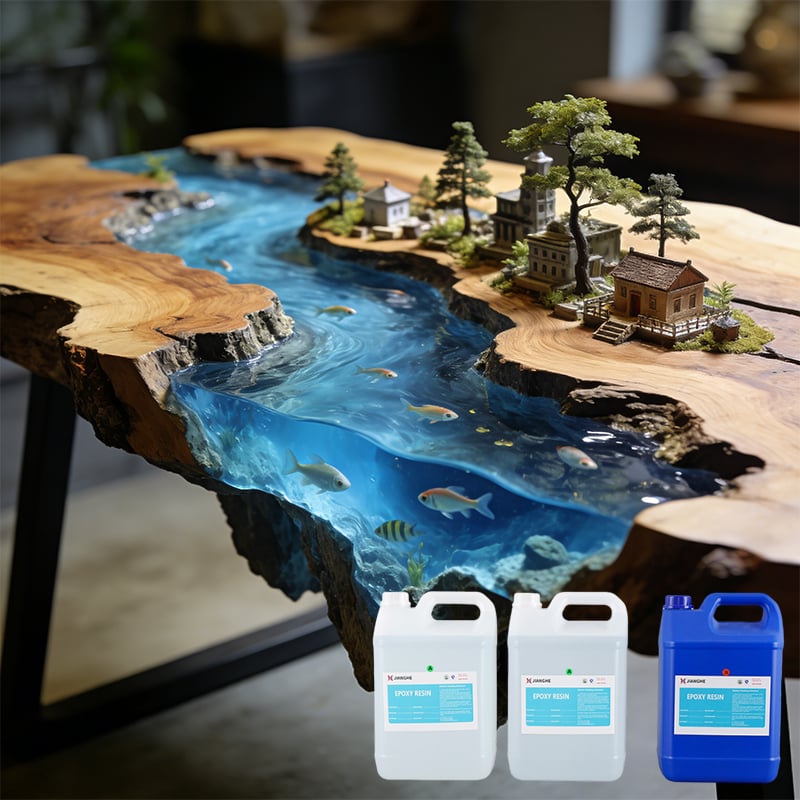
Understanding the Advantages of River Table Epoxy for Deep-Pour Applications River tables are a striking fusion of natural wood and clear epoxy resin, creating a visually stunning centerpiece. The use of deep-pour epoxy is critical in achieving thick...
View More
Why Is Clear Epoxy Resin More Prone to Yellowing?

10

Jan

Why Is Clear Epoxy Resin More Prone to Yellowing?

Understanding the Yellowing of Clear Epoxy Resin Clear epoxy resin is widely used in flooring, furniture, art, and industrial applications due to its transparency, durability, and glossy finish. However, one common challenge faced by manufacturers, a...
View More
How Does River Table Epoxy Control Exothermic Reaction and Cracking?

28

Jan

How Does River Table Epoxy Control Exothermic Reaction and Cracking?

Managing Exothermic Reactions and Cracking in River Table Epoxy River Table Epoxy has become a favorite material for designers and artisans who create stunning river tables, countertops, and artistic pieces. Its clarity, durability, and versatility m...
View More

Get a Free Quote

Our representative will contact you soon.
Email
Name
Company Name
Message
0/1000

silicone suppliers

Advanced Material Engineering Capabilities

Advanced Material Engineering Capabilities

Leading silicone suppliers distinguish themselves through sophisticated material engineering capabilities that transform basic silicone polymers into highly specialized solutions tailored for specific applications. These suppliers employ teams of polymer scientists, chemical engineers, and application specialists who work collaboratively to develop custom formulations that address unique performance requirements. Their engineering capabilities encompass molecular-level material modifications, additive integration, and processing optimization techniques that enhance material properties beyond standard commercial grades. Advanced silicone suppliers utilize cutting-edge analytical equipment including rheometers, differential scanning calorimeters, and mechanical testing systems to characterize material properties with exceptional precision. This analytical capability enables them to predict material behavior under various operating conditions and optimize formulations accordingly. The engineering process typically begins with comprehensive application analysis, where suppliers evaluate operating temperatures, chemical exposures, mechanical stresses, and environmental factors that materials will encounter during service. Based on this analysis, their engineering teams select appropriate base polymers, crosslinking systems, and specialty additives to achieve desired performance characteristics. Modern silicone suppliers also employ computer modeling and simulation tools to predict material behavior and optimize processing parameters before physical testing begins. This approach significantly reduces development time and costs while ensuring optimal material performance. Furthermore, these suppliers maintain extensive databases of previous formulations and performance data, enabling rapid identification of existing solutions or efficient modification of proven formulations for new applications. Their material engineering capabilities extend to processing optimization, where suppliers provide detailed recommendations for molding conditions, cure schedules, and quality control procedures that ensure consistent material performance in production environments. Many leading silicone suppliers also offer pilot-scale production facilities where customers can validate material performance and processing parameters before committing to full-scale production, minimizing risks associated with material transitions.
Comprehensive Quality Assurance Systems

Comprehensive Quality Assurance Systems

Established silicone suppliers implement comprehensive quality assurance systems that ensure consistent material performance and reliability across all product lines and production batches. These quality systems encompass every aspect of the supply chain, from raw material inspection through final product testing and delivery verification. Modern quality assurance protocols begin with rigorous incoming material inspection procedures that verify raw material specifications, purity levels, and performance characteristics before materials enter production processes. Silicone suppliers maintain sophisticated testing laboratories equipped with advanced analytical instruments including gas chromatography systems, infrared spectroscopy equipment, and precision mechanical testing machines that validate material properties against established specifications. Their quality control procedures include statistical process control methods that monitor production parameters in real-time, enabling immediate correction of any deviations that could affect material quality. Batch tracking systems implemented by professional silicone suppliers provide complete traceability from raw materials through final product delivery, ensuring rapid identification and containment of any quality issues that might arise. These suppliers typically maintain multiple quality certifications including ISO 9001, ISO 13485 for medical applications, and industry-specific certifications that demonstrate their commitment to quality excellence. Regular third-party audits and certification renewals ensure that quality systems remain current with evolving industry standards and regulatory requirements. Advanced silicone suppliers also implement predictive quality measures, utilizing historical data and trend analysis to identify potential quality issues before they impact production. Their quality assurance teams conduct regular supplier audits, process validations, and equipment calibrations that maintain system integrity over time. Many suppliers provide customers with detailed certificates of analysis for each material shipment, documenting test results for critical properties and confirming compliance with specifications. This documentation supports customer quality systems and regulatory compliance requirements while providing confidence in material performance.
Flexible Supply Chain Solutions

Flexible Supply Chain Solutions

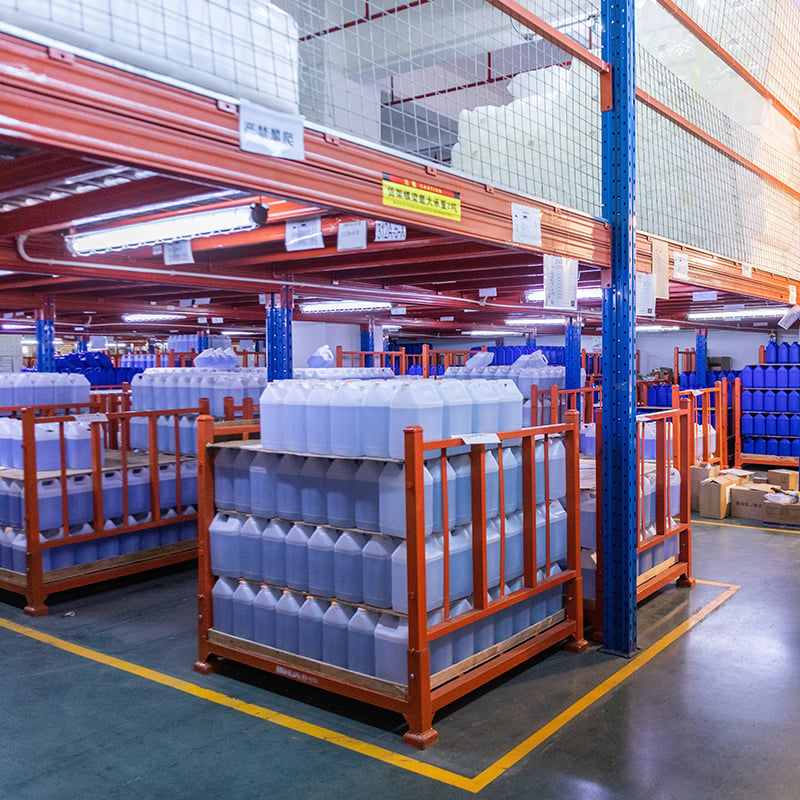
Professional silicone suppliers excel in providing flexible supply chain solutions that adapt to diverse customer requirements and market dynamics while maintaining reliable material availability. These suppliers understand that modern manufacturing environments demand responsive supply systems capable of accommodating varying production schedules, changing material requirements, and evolving market conditions. Their supply chain flexibility begins with sophisticated demand forecasting systems that analyze customer usage patterns, seasonal variations, and market trends to optimize inventory levels and production planning. Leading silicone suppliers maintain strategic inventory positions at multiple locations, ensuring rapid response to customer requirements while minimizing carrying costs through efficient inventory management practices. Their distribution networks typically include regional warehouses, local stocking arrangements, and direct-ship capabilities that provide customers with multiple fulfillment options based on urgency and volume requirements. Advanced silicone suppliers implement vendor-managed inventory programs where they assume responsibility for monitoring customer usage patterns and automatically replenishing materials before shortages occur. This approach reduces customer administrative burden while ensuring consistent material availability for uninterrupted production operations. Many suppliers also offer flexible packaging options ranging from bulk containers for high-volume applications to smaller packages suitable for prototyping or low-volume production needs. Their supply chain systems include real-time tracking capabilities that provide customers with visibility into order status, shipment progress, and delivery confirmation through integrated communication systems. Emergency response procedures maintained by professional silicone suppliers enable rapid mobilization of resources to address urgent customer requirements or supply disruptions. These procedures include expedited production capabilities, alternative sourcing arrangements, and logistics coordination that minimizes impact on customer operations. Additionally, established silicone suppliers maintain relationships with multiple transportation providers, ensuring delivery flexibility and cost optimization while accommodating special handling requirements for temperature-sensitive or hazardous materials. Their supply chain teams work proactively with customers to identify potential challenges and develop contingency plans that protect against supply interruptions while optimizing total supply chain costs.

Get Samples & Support

Email
Name
Company Name
Country/Region
What Are You Making
Single Choice
Estimated Monthly Usage
Single Choice
Message
0/1000