mold making liquid silicone rubber
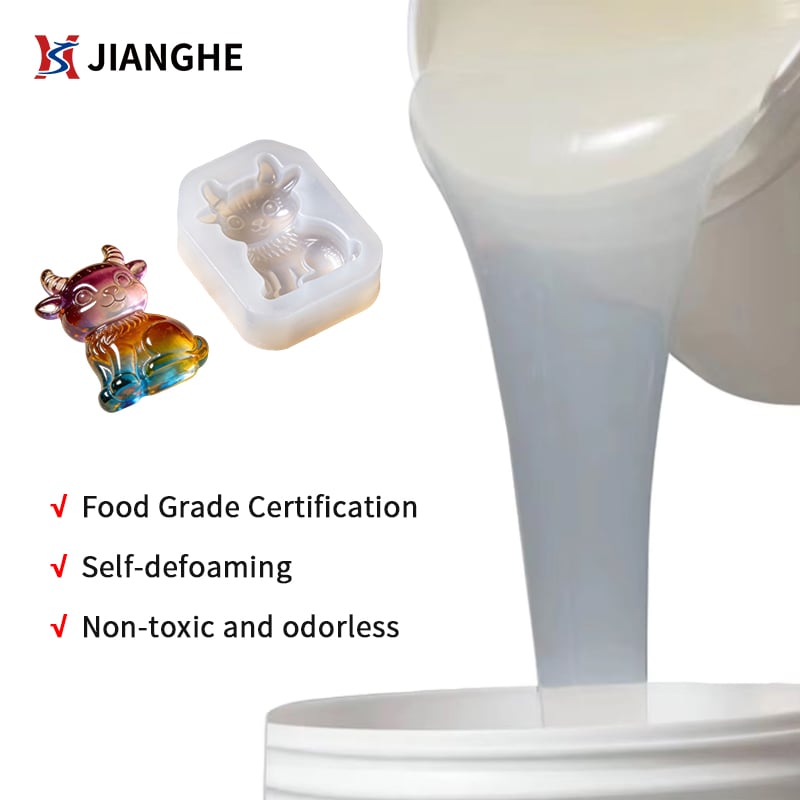
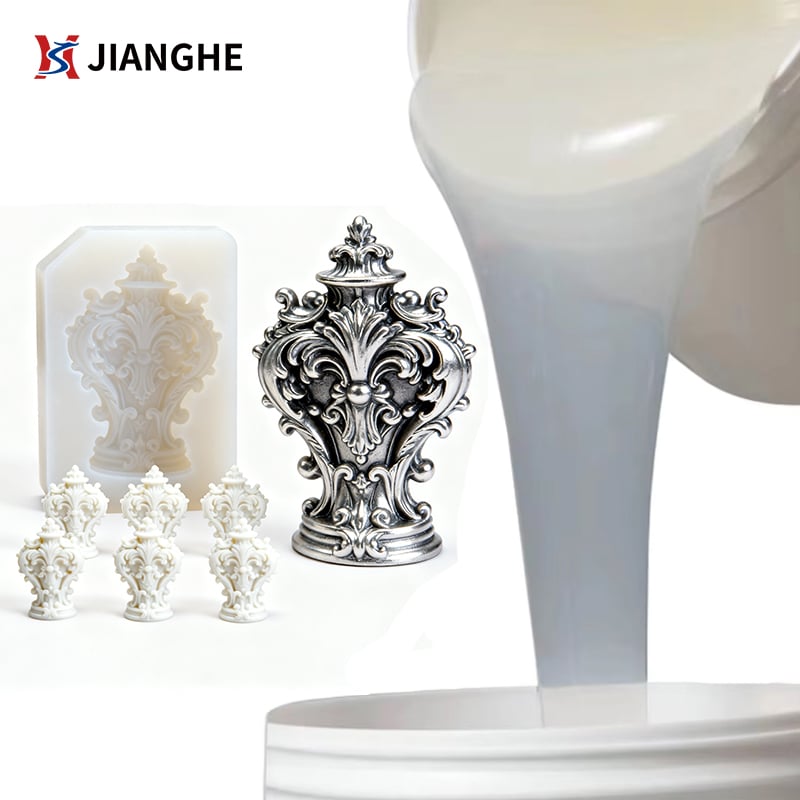
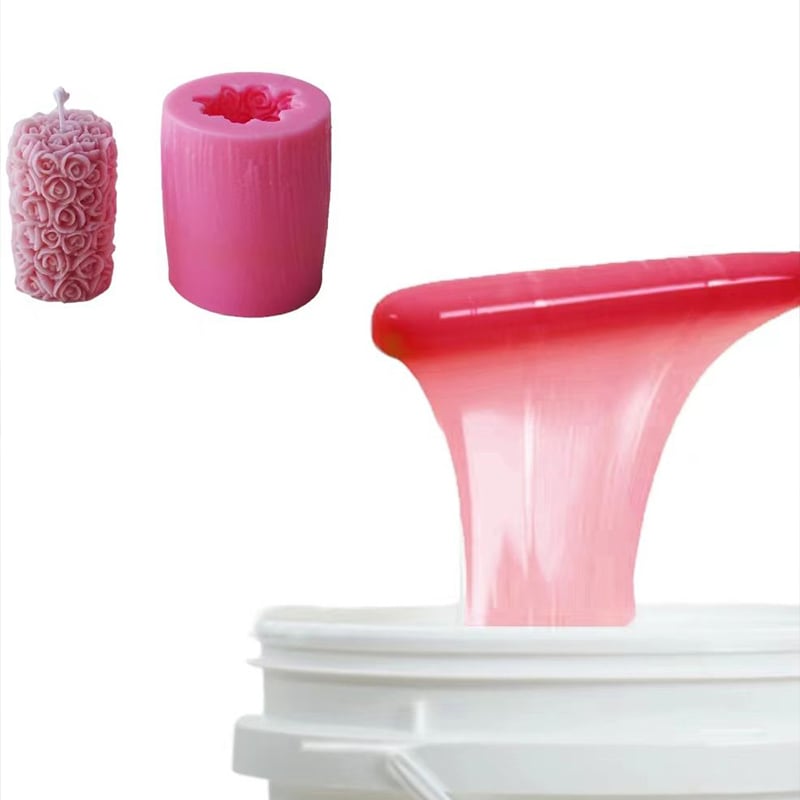
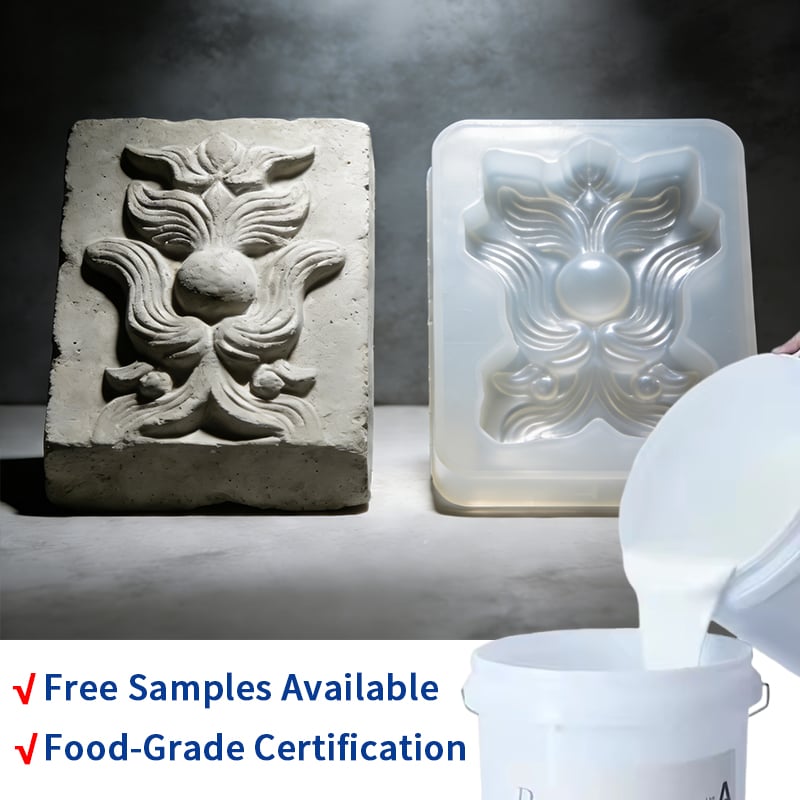
Mold making liquid silicone rubber represents a versatile and reliable solution for creating precise molds across numerous industries. This specialized material combines exceptional flexibility with outstanding durability, making it ideal for professionals seeking consistent, high-quality results. Mold making liquid silicone rubber offers superior detail capture, enabling craftspeople to reproduce intricate designs with remarkable accuracy. The material cures at room temperature, eliminating the need for complex heating equipment or extended processing times. Mold making liquid silicone rubber provides excellent tear resistance and maintains its properties over hundreds of casting cycles, ensuring long-term value and performance. Its non-toxic composition makes it safe for both user and end-product applications, particularly important in food-contact and pharmaceutical industries. The rubber exhibits minimal shrinkage during curing, preserving dimensional accuracy essential for precision manufacturing. Mold making liquid silicone rubber works effectively with various casting resins, urethanes, and other materials, offering exceptional versatility. Its user-friendly nature requires minimal preparation and equipment, making it accessible to beginners while satisfying professional demands. Whether creating decorative pieces, functional components, or industrial prototypes, mold making liquid silicone rubber delivers consistent excellence. The material's inherent stability ensures molds remain usable for extended periods without degradation. Industries ranging from jewelry and art to automotive and aerospace rely on mold making liquid silicone rubber for dependable performance and exceptional results.

 EN
EN