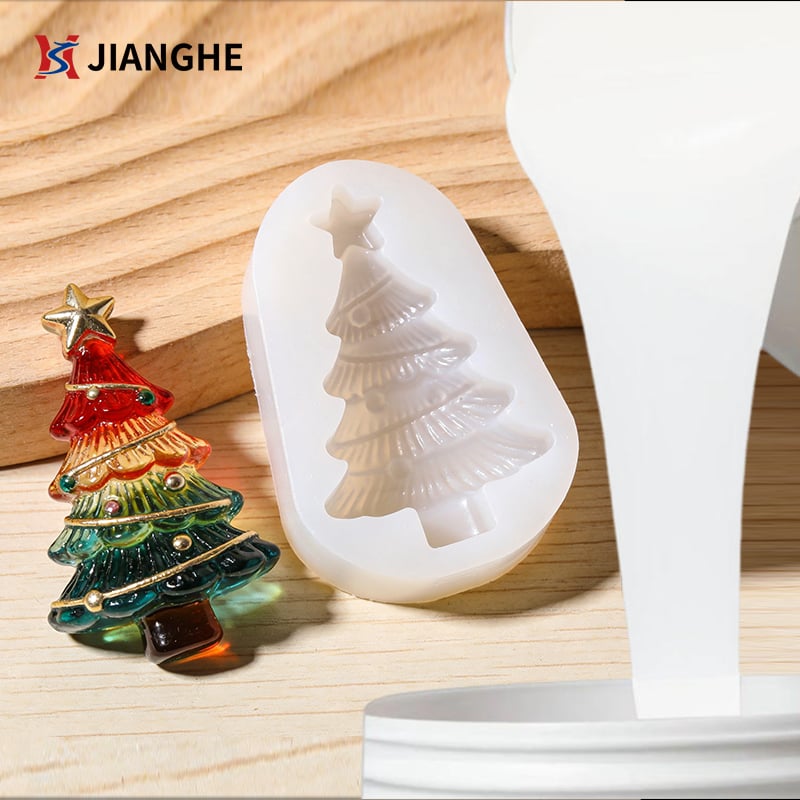
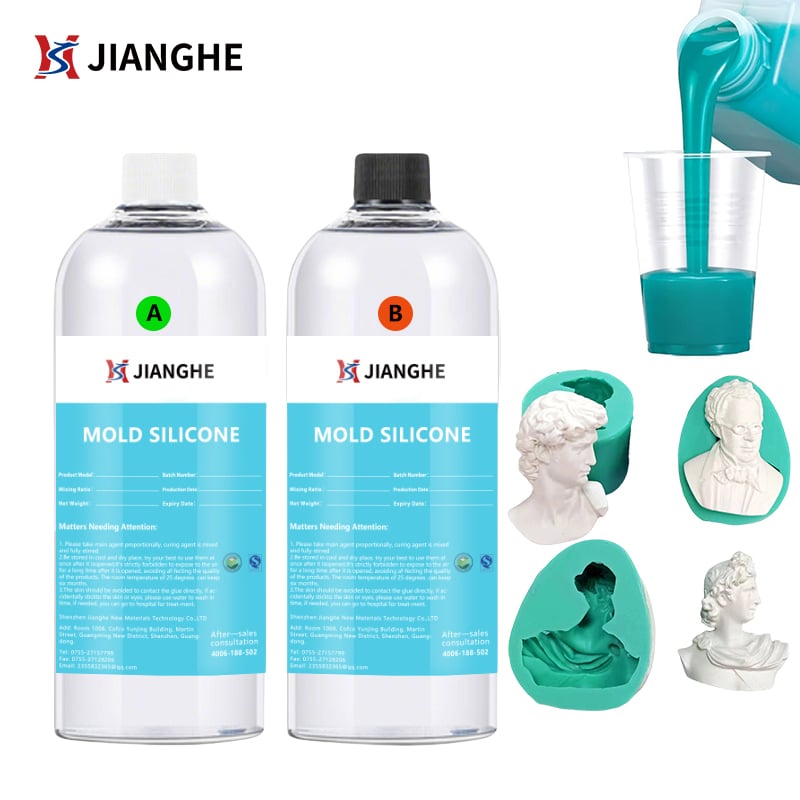
liquid silicone rubber mold making
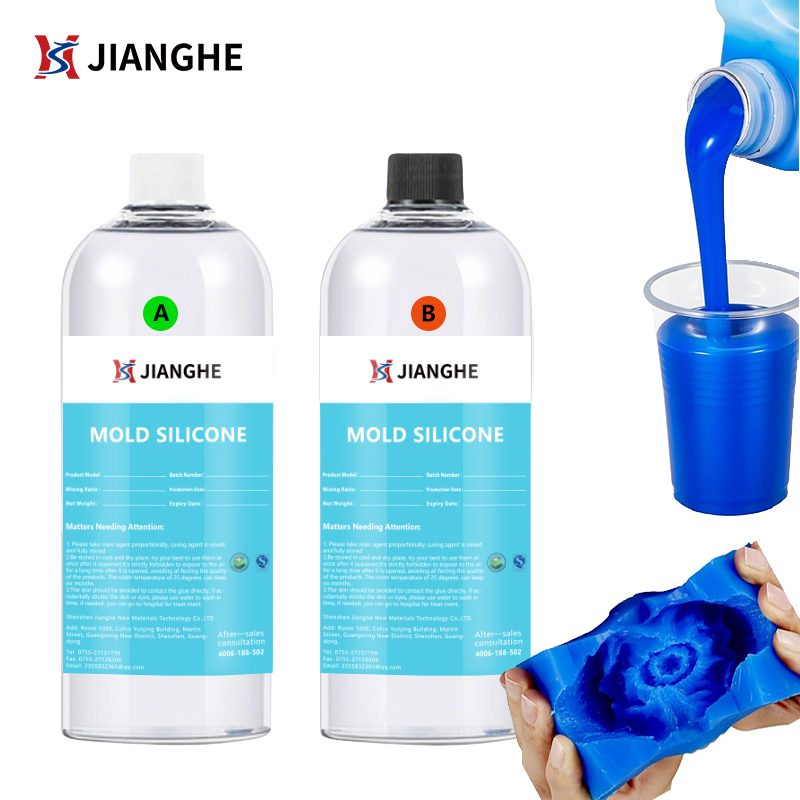
Liquid silicone rubber mold making represents a sophisticated manufacturing process that transforms liquid polymers into precision molds for diverse industrial applications. This advanced technique involves pouring liquid silicone rubber into master models, allowing the material to cure and form exact replicas of original designs. Liquid silicone rubber mold making serves as the foundation for producing high-quality components across multiple sectors, from consumer products to medical devices.
The primary function of liquid silicone rubber mold making is creating detailed, accurate molds that capture intricate features and complex geometries with exceptional precision. These molds become invaluable tools for mass production, enabling manufacturers to replicate parts consistently and efficiently. The technological features of liquid silicone rubber mold making include superior flexibility, excellent tear resistance, and remarkable thermal stability. The material maintains its dimensional accuracy across thousands of production cycles, ensuring reliable results throughout the mold's operational lifespan.
Applications for liquid silicone rubber mold making span numerous industries. Manufacturers use these molds for producing rubber components, plastic parts, resin castings, and decorative items. The versatility of liquid silicone rubber mold making makes it essential in automotive, electronics, cosmetics, toy manufacturing, and specialized medical applications. The process accommodates both simple and extraordinarily complex designs, providing manufacturers with flexibility in production capabilities. Industries increasingly depend on liquid silicone rubber mold making because it delivers consistent quality while maintaining cost-effectiveness and production efficiency across various manufacturing scenarios.

 EN
EN