
 EN
EN
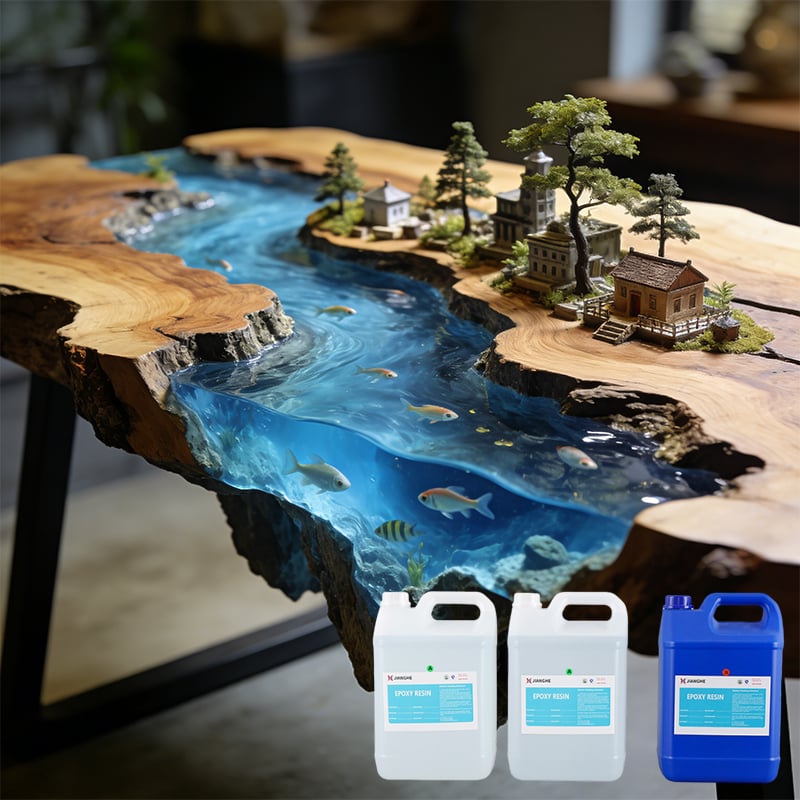
The world of custom furniture has been transformed by the rise of river table epoxy, a material that merges the organic beauty of live-edge wood with the fluid elegance of resin. Designers, woodworkers, and homeowners are increasingly drawn to river table epoxy as a way to produce statement pieces that feel both natural and contemporary. Understanding the trends behind this shift helps buyers and makers alike invest their time and materials wisely.
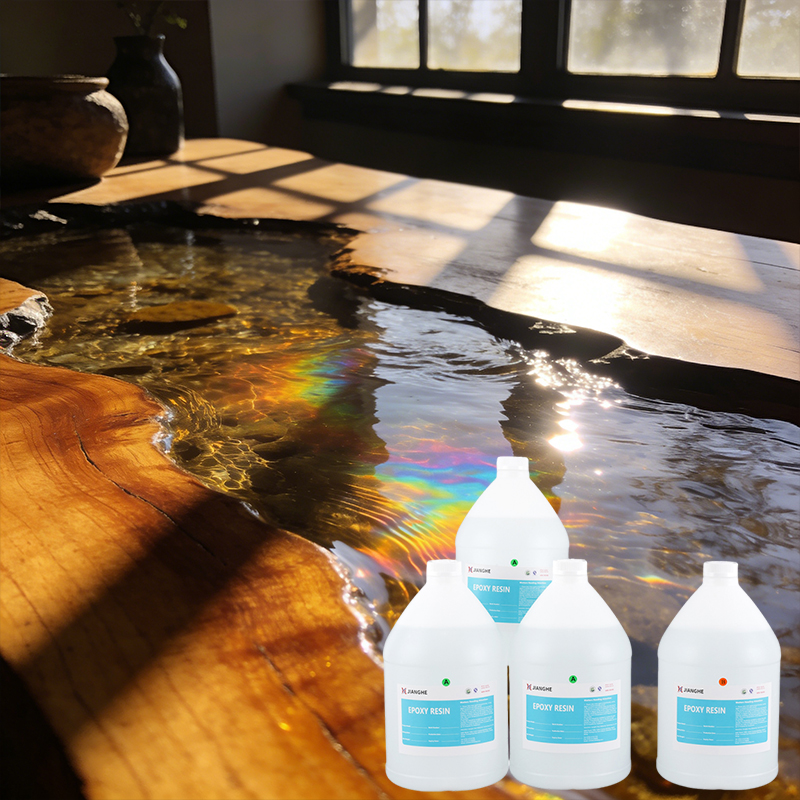
River table epoxy is no longer a niche craft curiosity. It has grown into a defining element of modern interior design, appearing in dining rooms, offices, restaurants, and boutique hotels. The trends driving river table epoxy forward involve advances in resin formulation, evolving color preferences, greater sustainability awareness, and new expectations around craftsmanship. Each of these forces is actively reshaping how artisans and commercial furniture makers approach river table epoxy projects today.
Material and Formula Innovations in River Table Epoxy
Deep Pour Capabilities and Clarity
One of the most significant trends in river table epoxy is the improvement of deep pour formulations. Early versions of river table epoxy required multiple thin layers to avoid heat buildup, which slowed production and introduced the risk of clouding between pours. Modern river table epoxy products, such as crystal-clear deep pour resins, allow craftspeople to fill thick voids in a single application without sacrificing optical clarity. This development has made river table epoxy faster to work with and has opened the door to larger, more ambitious slab designs.
The demand for glass-like transparency in river table epoxy has also grown. Buyers expect the finished river channel to look like still water caught in time, and suppliers have responded by refining their UV-resistant and low-yellowing formulas. When river table epoxy maintains its clarity over years of sunlight exposure, the table retains its visual impact and holds its market value. This standard for long-term clarity is now a baseline expectation in professional river table epoxy work.
Self-Leveling and Bubble-Release Properties
Another material trend shaping river table epoxy is the push for better self-leveling behavior. Craftspeople working with river table epoxy in high-volume studio settings need a resin that settles smoothly across irregular wood surfaces without requiring constant manual intervention. Improved low-viscosity river table epoxy blends flow into wood pores and natural voids more efficiently, reducing surface imperfections. Paired with enhanced bubble-release chemistry, these formulations allow river table epoxy to cure with fewer defects, lowering the rejection rate and improving overall production efficiency.
Design Directions Driving River Table Epoxy Popularity
Color and Pigment Customization
Color trends are strongly influencing how designers and buyers approach river table epoxy. While classic translucent blues and aquamarine tones still dominate, there is growing interest in earthy and neutral river table epoxy palettes. Warm greens, smoky grays, and muted blush tones are emerging as popular choices for residential interiors that favor a softer, more grounded aesthetic. River table epoxy mixed with metallic mica pigments is also gaining traction, creating tables with a shimmer that changes under different light conditions.
The flexibility of river table epoxy to accept custom pigment blends has made it particularly appealing to interior designers who need furniture that coordinates with specific room color schemes. Rather than choosing a pre-finished table, clients can work with craftspeople to commission river table epoxy pieces built around bespoke color combinations. This level of personalization is driving significant demand and justifying premium pricing for custom river table epoxy commissions.
Live-Edge Wood Pairings and Natural Aesthetics
The sustained popularity of biophilic design is a major driver behind the ongoing appeal of river table epoxy. Biophilic interiors prioritize natural textures, organic forms, and materials sourced from the living world, and river table epoxy sits perfectly within this philosophy. Live-edge walnut, oak, and maple slabs paired with river table epoxy allow the natural contours of the tree to remain visible, creating a piece that feels authentic rather than manufactured. This connection to natural materials elevates river table epoxy beyond a simple decorating trend and positions it as a lasting design choice.
Commercial spaces are also embracing river table epoxy for its ability to create conversation-starting focal points. Restaurants and hotel lobbies use large-format river table epoxy installations as central design statements that communicate a commitment to craftsmanship and individuality. As more commercial clients seek interiors that stand apart from generic contract furniture, river table epoxy provides a customizable, visually distinctive solution.
Sustainability and Market Expectations Around River Table Epoxy
Responsible Sourcing and Low-VOC Formulas
Sustainability is reshaping purchasing decisions across the furniture industry, and river table epoxy is not exempt from this scrutiny. Buyers are increasingly asking about the environmental profile of the resin they choose. Responsible river table epoxy suppliers are responding by developing low-VOC and bio-based resin options that reduce the environmental footprint of each project. While fully sustainable river table epoxy formulations remain a work in progress, the direction of innovation is clearly oriented toward greener chemistry without compromising performance.
Salvaged and reclaimed wood has also become a preferred pairing for river table epoxy among environmentally conscious makers. By combining reclaimed slabs with a high-quality river table epoxy, artisans produce furniture with a reduced environmental impact and a compelling origin story. This narrative appeals to buyers who want their purchases to reflect personal values, further strengthening the market position of thoughtfully made river table epoxy pieces.
Professional Standards and Consumer Expectations
As river table epoxy has moved into mainstream furniture retail, consumer expectations have risen sharply. Buyers now compare river table epoxy tables with the same scrutiny they apply to fine joinery or upholstered furniture. They expect precise color matching, flawless surface clarity, structural integrity, and consistent finishing across the entire piece. This shift has pushed river table epoxy makers to adopt more rigorous quality controls and invest in professional-grade materials from the outset. The days of experimental river table epoxy projects selling at premium prices on novelty alone are fading, replaced by a market that rewards consistent skill and reliable materials.
FAQ
What makes deep pour river table epoxy different from standard epoxy?
Deep pour river table epoxy is specifically formulated to cure in thicker layers, typically up to two inches or more in a single pour, without generating excessive heat. Standard epoxy generates more heat during curing, which can cause cracking or cloudiness when poured thickly. River table epoxy designed for deep pours uses a slower exothermic reaction to maintain clarity and structural stability across large voids.
How do color trends affect the choice of river table epoxy pigments?
Current interior design trends favor natural, muted, and earthy palettes, which influence the pigments used in river table epoxy. Designers are moving beyond standard blue tones toward greens, grays, and neutral hues that complement organic wood grain. River table epoxy accepts a wide range of compatible pigments, allowing makers to align each project with contemporary color directions or specific client briefs.
Is river table epoxy suitable for commercial furniture applications?
Yes, river table epoxy is widely used in commercial furniture, including restaurant tables, reception desks, and hospitality installations. For commercial use, river table epoxy must meet higher durability standards, including resistance to heat, scratches, and repeated cleaning. Selecting a professional-grade river table epoxy with strong UV stability and surface hardness ensures that commercial pieces maintain their appearance under daily use.