liquid molding silicone
Liquid molding silicone is a versatile elastomeric material engineered for precision casting and reproduction applications across multiple industries. This advanced material represents a significant breakthrough in mold-making technology, offering superior flexibility and dimensional accuracy compared to traditional alternatives. Liquid molding silicone consists of two-part systems that cure at room temperature, creating rubber-like molds with exceptional detail capture capabilities.
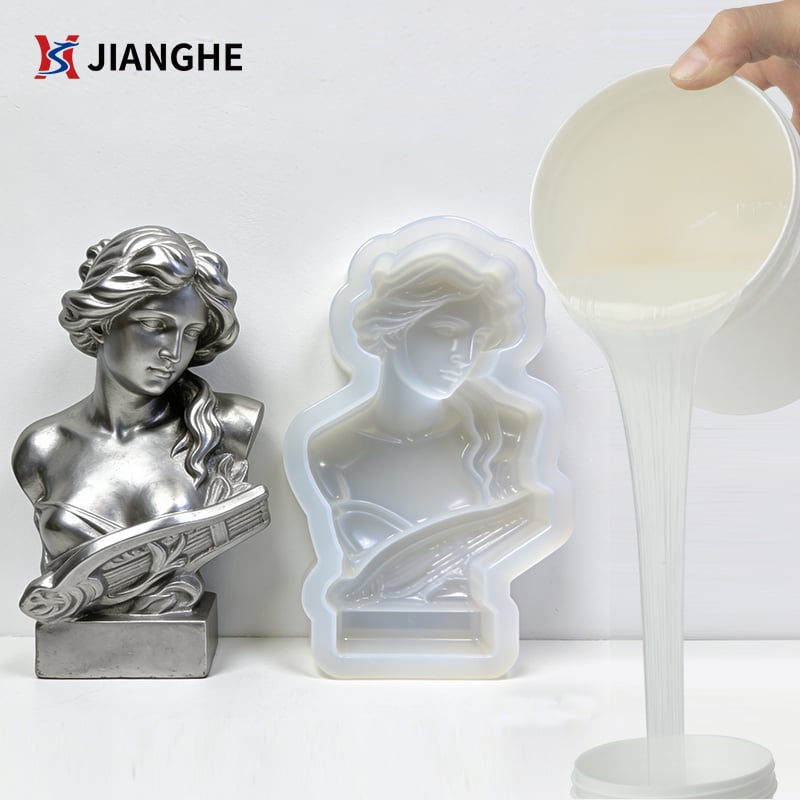
The primary function of liquid molding silicone is to produce accurate negative molds from original master patterns, enabling manufacturers to replicate complex geometries with minimal distortion. These molds facilitate high-fidelity reproduction of intricate designs, making liquid molding silicone ideal for prototyping, small-batch manufacturing, and specialty production runs. The material captures fine surface details and maintains dimensional stability throughout its service life.
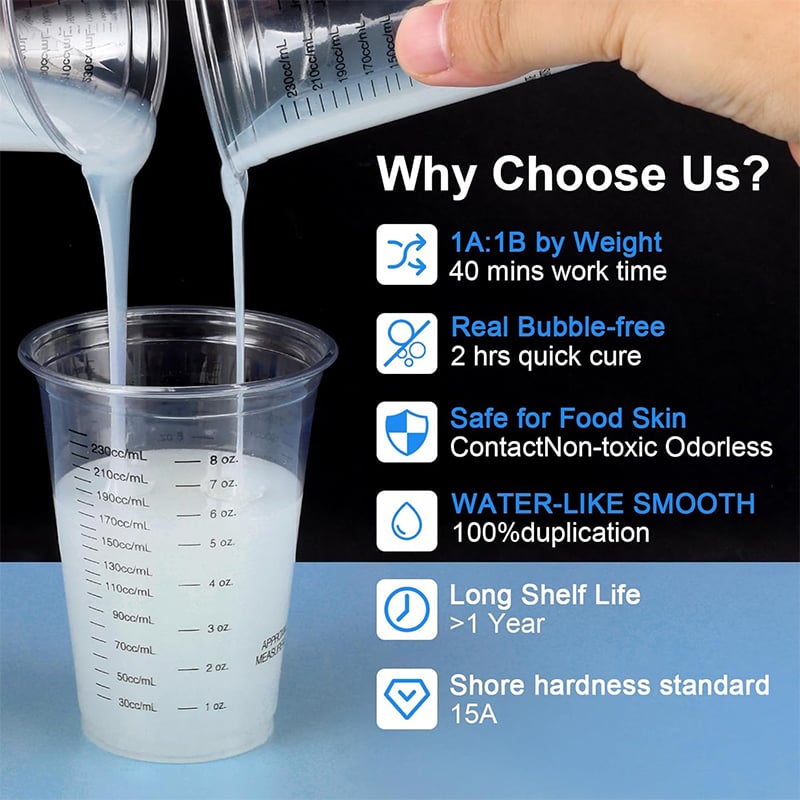
Key technological features of liquid molding silicone include excellent tear resistance, remarkable elongation properties, and outstanding thermal stability. The material demonstrates superior platinum-catalyst curing systems that ensure consistent mold performance across repeated casting cycles. Liquid molding silicone exhibits minimal shrinkage during curing, preserving the accuracy of reproduced components. The non-toxic formulation and low odor profile make liquid molding silicone safe for diverse workplace environments.
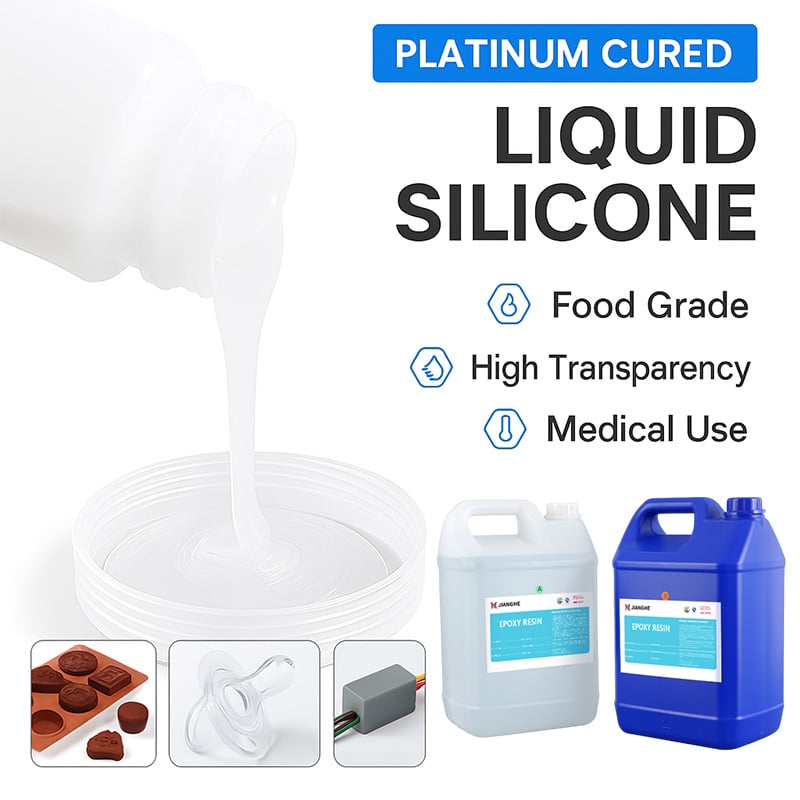
Applications span jewelry manufacturing, dental prosthetics, automotive components, decorative arts, and industrial prototyping. Liquid molding silicone serves the electronics industry for creating precision casings and technical components. Food-grade variants enable safe mold creation for culinary applications. The material's versatility extends to specialized fields including aerospace prototyping and medical device manufacturing, where precision and reliability are paramount.

 EN
EN