Premium Liquid Silicone for Molding - High-Performance Manufacturing Solutions

All Categories

Get a Tailored Solution

Provide your details below, and our material experts will contact you with a competitive quote and technical support within 24 hours.
Email
Name
Company Name
Message
0/1000

liquid silicone for molding

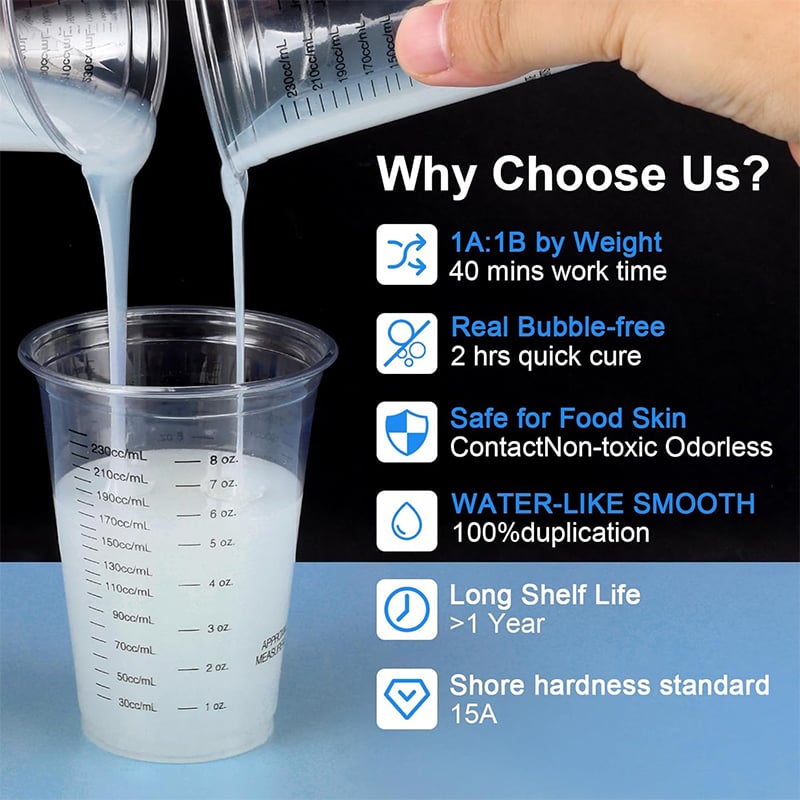
Liquid silicone for molding represents a cutting-edge material solution that has revolutionized manufacturing processes across multiple industries. This advanced elastomer combines the flexibility of traditional rubber with enhanced performance characteristics, making it an indispensable component in modern production facilities. The liquid silicone for molding system consists of two primary components: a platinum-catalyzed base polymer and a cross-linking agent that work together to create durable, high-performance products. Its main functions include creating precise molds for complex geometries, producing medical-grade components, manufacturing automotive parts, and fabricating consumer goods that require exceptional durability and biocompatibility. The technological features of liquid silicone for molding include rapid curing capabilities at elevated temperatures, excellent flow properties that ensure complete cavity filling, and superior dimensional stability throughout the molding process. This material exhibits remarkable thermal resistance, maintaining its structural integrity at temperatures ranging from negative forty to positive two hundred degrees Celsius. The chemical inertness of liquid silicone for molding makes it particularly valuable in applications where contact with food, pharmaceuticals, or human tissue is required. Its low viscosity enables manufacturers to create intricate designs with fine details and tight tolerances that would be impossible with conventional molding materials. Applications span numerous sectors including healthcare device manufacturing, automotive component production, electronics encapsulation, kitchenware fabrication, and industrial gasket production. The aerospace industry relies heavily on liquid silicone for molding to create seals and components that must withstand extreme environmental conditions. Additionally, the material's optical clarity makes it suitable for LED lens production and optical component manufacturing, while its electrical insulation properties support various electronic applications.

New Product Releases

The advantages of liquid silicone for molding extend far beyond traditional manufacturing materials, offering manufacturers and end-users exceptional value through improved performance and cost-effectiveness. First, this material provides unmatched precision in manufacturing, allowing producers to create components with extremely tight tolerances and consistent quality batch after batch. The low shrinkage rate during curing ensures that finished products match design specifications exactly, reducing waste and eliminating the need for post-processing adjustments. Manufacturing efficiency improves dramatically when using liquid silicone for molding because of its rapid cure cycles, which significantly reduce production time compared to conventional rubber molding processes. This speed advantage translates directly into higher throughput and lower manufacturing costs per unit. The material's exceptional durability means that products made from liquid silicone for molding last longer in service, providing end-users with better value and reducing replacement frequency. Chemical resistance stands as another major advantage, as this material remains stable when exposed to oils, solvents, acids, and bases that would degrade other elastomers. This chemical stability makes liquid silicone for molding ideal for harsh industrial environments where component failure could result in costly downtime or safety hazards. Temperature stability represents yet another significant benefit, with the material maintaining its physical properties across an extremely wide temperature range without becoming brittle in cold conditions or softening excessively in high-heat applications. The biocompatibility of liquid silicone for molding opens doors to medical and food-contact applications where safety is paramount, meeting stringent regulatory requirements without compromising performance. Processing advantages include excellent mold release properties that eliminate the need for release agents, reducing contamination risks and simplifying production workflows. The material's self-leveling characteristics ensure uniform thickness in molded parts, while its excellent tear strength prevents premature failure under stress. These combined advantages make liquid silicone for molding a superior choice for manufacturers seeking to improve product quality, reduce costs, and expand their application possibilities.

Latest News

How Is Liquid Silicone Rubber Used in Professional Mold Making?

24

Dec

How Is Liquid Silicone Rubber Used in Professional Mold Making?

Practical Applications of Liquid Silicone Rubber in Professional Manufacturing Liquid Silicone Rubber plays a central role in professional making environments where precision, repeatability, and material reliability are critical. In contrast to hobby...
View More
How Does Anti-Yellowing Resin Maintain Long-Term Visual Clarity?

17

Dec

How Does Anti-Yellowing Resin Maintain Long-Term Visual Clarity?

The Importance of Visual Stability in Modern Epoxy Applications Anti-Yellowing Resin has become a critical material choice in epoxy systems where long-term appearance, transparency, and color consistency are as important as mechanical performance. In...
View More
Why Do Mold Makers Choose Liquid Silicone for Complex Mold Projects?

04

Jan

Why Do Mold Makers Choose Liquid Silicone for Complex Mold Projects?

Liquid Silicone in Modern Mold Making Liquid silicone has become the material of choice for mold makers seeking precision, flexibility, and durability in their projects. Its unique properties allow manufacturers to produce complex molds that traditio...
View More
What Factors Limit the Service Life of Mold Making Silicone?

16

Jan

What Factors Limit the Service Life of Mold Making Silicone?

Understanding the Service Life of Mold Making Silicone Mold making silicone is widely used by manufacturers, artisans, and industrial professionals for its flexibility, durability, and precision. Despite its many advantages, the service life of mold ...
View More

Get a Free Quote

Our representative will contact you soon.
Email
Name
Company Name
Message
0/1000

liquid silicone for molding

Superior Temperature Performance and Thermal Stability

Superior Temperature Performance and Thermal Stability

The exceptional temperature performance of liquid silicone for molding sets it apart from conventional elastomers and establishes it as the preferred choice for applications requiring reliable operation across extreme temperature ranges. This remarkable material maintains its mechanical properties and dimensional stability from negative forty degrees Celsius to positive two hundred degrees Celsius, making it invaluable for automotive, aerospace, and industrial applications where temperature fluctuations are common. Unlike traditional rubber materials that become brittle at low temperatures or lose their structural integrity at high temperatures, liquid silicone for molding retains its flexibility and strength throughout this extensive temperature spectrum. This thermal stability directly translates to longer service life for components, reduced maintenance requirements, and enhanced safety in critical applications. In automotive applications, liquid silicone for molding components such as gaskets, seals, and vibration dampeners continue performing reliably whether exposed to the extreme cold of winter conditions or the intense heat generated by modern high-performance engines. The aerospace industry particularly values this temperature stability, as aircraft components must function flawlessly at high altitudes where temperatures plummet while also withstanding the heat generated during high-speed flight or re-entry conditions. Industrial applications benefit enormously from this thermal performance, especially in manufacturing processes involving heated equipment, steam systems, or cryogenic storage. The consistent performance of liquid silicone for molding across temperature extremes eliminates the need for seasonal component changes or specialized materials for different operating conditions, significantly simplifying inventory management and reducing maintenance costs. This temperature stability also enables manufacturers to design more compact systems since they need not account for thermal expansion and contraction effects that plague other materials. The thermal conductivity properties of liquid silicone for molding can be modified through additive incorporation, allowing engineers to create components that either dissipate heat effectively or provide thermal insulation as required by specific applications.
Exceptional Biocompatibility and Safety Standards

Exceptional Biocompatibility and Safety Standards

The outstanding biocompatibility characteristics of liquid silicone for molding make it the material of choice for medical devices, pharmaceutical applications, and food-contact products where human safety is paramount. This advanced material meets the most stringent regulatory requirements established by the FDA, ISO standards, and European medical device regulations, ensuring that products made from liquid silicone for molding are safe for direct contact with human tissue, blood, and consumable substances. The non-toxic nature of cured liquid silicone for molding stems from its stable molecular structure, which prevents the leaching of harmful compounds even under challenging conditions such as sterilization cycles, extended tissue contact, or exposure to bodily fluids. Medical device manufacturers rely heavily on liquid silicone for molding to create implantable devices, surgical instruments, diagnostic equipment components, and drug delivery systems that must perform reliably within the human body without causing adverse reactions. The material's resistance to bacterial growth and ease of sterilization through various methods including gamma radiation, ethylene oxide, and steam autoclaving make it ideal for reusable medical instruments and devices. In pharmaceutical applications, liquid silicone for molding serves as the foundation for stoppers, seals, and container components that must maintain drug purity while preventing contamination throughout storage and delivery processes. The food industry benefits significantly from the safety profile of liquid silicone for molding, using it to create kitchenware, food processing equipment components, and packaging materials that require repeated cleaning and sanitization without degrading or transferring harmful substances to food products. Infant care products represent another critical application area where the biocompatibility of liquid silicone for molding provides peace of mind for parents and manufacturers alike, creating pacifiers, bottle nipples, and feeding accessories that meet the highest safety standards. The material's hypoallergenic properties make it suitable for individuals with sensitive skin or allergies to other materials, expanding its utility in consumer products and personal care applications where skin contact is inevitable.
Precision Molding Capabilities and Manufacturing Excellence

Precision Molding Capabilities and Manufacturing Excellence

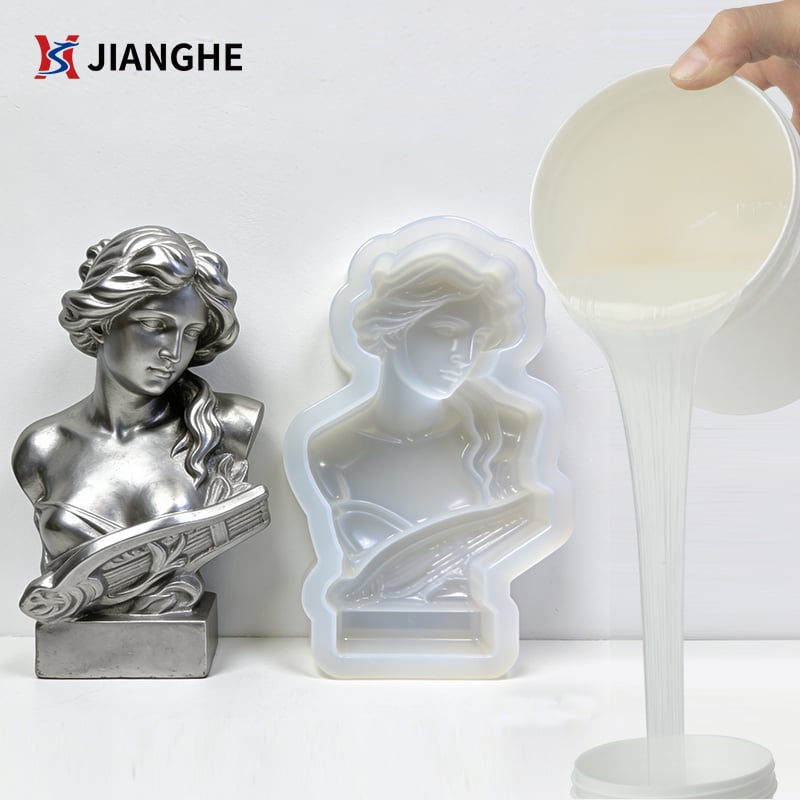
The precision molding capabilities of liquid silicone for molding represent a quantum leap in manufacturing accuracy and consistency, enabling producers to create components with tolerances and surface finishes previously unattainable with conventional elastomer processing methods. The low viscosity characteristics of liquid silicone for molding allow it to flow effortlessly into the most intricate mold cavities, capturing fine details, sharp corners, and complex geometries with exceptional fidelity. This flow behavior ensures complete cavity filling without air entrapment or void formation, resulting in finished products that meet exacting specifications without defects or inconsistencies. The minimal shrinkage properties of liquid silicone for molding during the curing process ensure that molded parts maintain their intended dimensions, eliminating the guesswork and compensations required with other materials that experience significant dimensional changes. Manufacturing processes benefit tremendously from the consistent rheological properties of liquid silicone for molding, which remain stable batch after batch, ensuring predictable flow characteristics and uniform part quality regardless of production volume or timing. The excellent mold release properties eliminate the need for external release agents, reducing contamination risks and simplifying the molding process while improving surface finish quality. Cycle time advantages become apparent through the rapid curing characteristics of liquid silicone for molding at elevated temperatures, allowing manufacturers to achieve faster production rates without compromising quality or dimensional accuracy. The material's ability to reproduce fine surface textures and intricate details makes it invaluable for applications requiring specific tactile properties, optical clarity, or aesthetic appeal. Multi-shot molding capabilities expand design possibilities, allowing manufacturers to create complex assemblies with varying hardness levels or colors in a single molding operation. The self-leveling properties of liquid silicone for molding ensure uniform wall thickness in hollow parts and consistent material distribution in complex geometries, reducing weight variations and improving product consistency. Quality control becomes more manageable due to the predictable behavior of liquid silicone for molding throughout the processing cycle, enabling automated systems to maintain tight tolerances with minimal operator intervention or adjustment.

Get Samples & Support

Email
Name
Company Name
Country/Region
What Are You Making
Single Choice
Estimated Monthly Usage
Single Choice
Message
0/1000