
 EN
EN
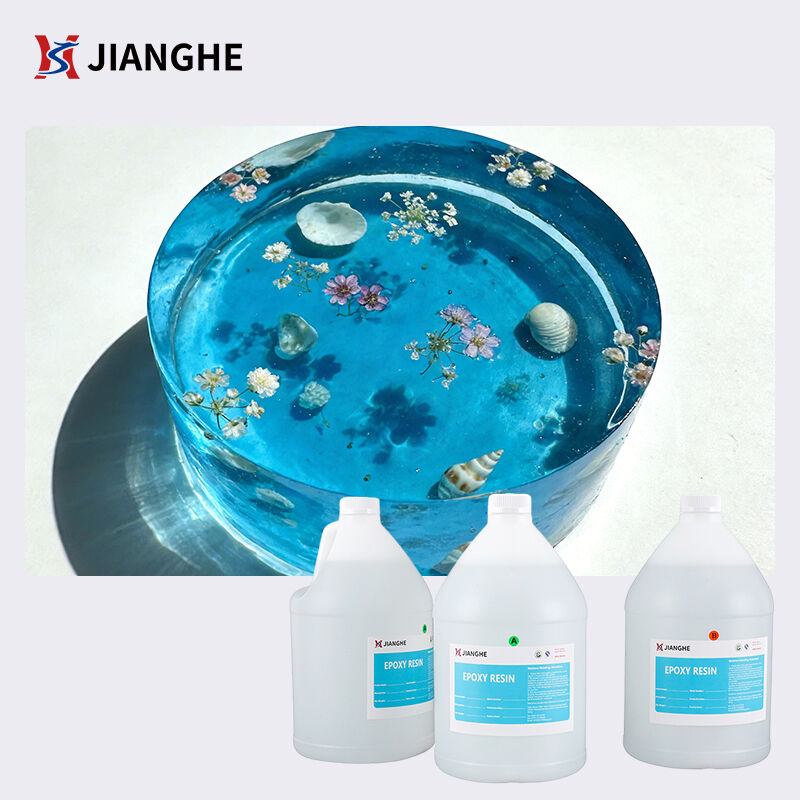
Professional artists and craftspeople working with art resin understand that achieving lasting, pristine results requires more than just technical skill and creative vision. The fundamental property that separates amateur-grade materials from professional-quality art resin is color stability, a characteristic that determines whether artistic creations maintain their intended appearance over months and years of display. When art resin exhibits poor color stability, even the most meticulously crafted pieces can develop unwanted yellowing, haziness, or color shifts that compromise the artist's original vision and significantly reduce the commercial and aesthetic value of finished works.
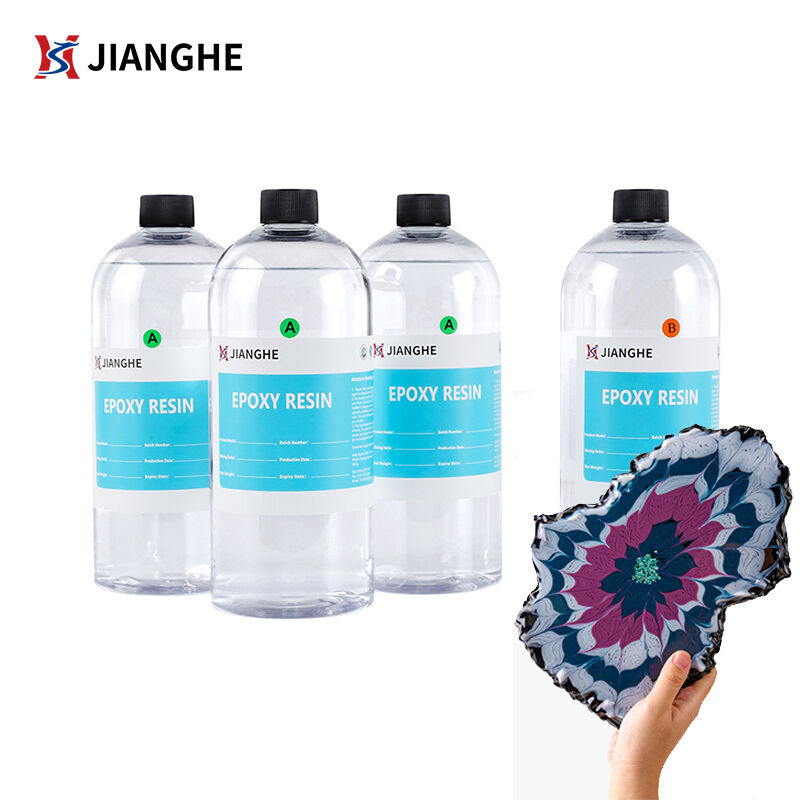
Color stability in art resin applications directly impacts professional reputation, client satisfaction, and long-term business viability in competitive creative markets. Professional artists who invest significant time and materials into creating custom jewelry, decorative objects, or commissioned artworks cannot afford to deliver products that deteriorate visually within months of completion. The chemical composition and manufacturing quality of art resin determine whether finished pieces retain their crystal-clear transparency, vibrant embedded colors, and overall visual integrity under normal indoor lighting conditions and routine handling.
Chemical Foundation of Color Stability in Art Resin Systems
UV-Resistant Polymer Chemistry
The molecular structure of high-quality art resin incorporates specialized UV-resistant additives that prevent polymer chain degradation when exposed to natural and artificial light sources. These additives work at the molecular level to absorb harmful UV radiation before it can break down the epoxy or polyurethane backbone that gives art resin its strength and clarity. Professional-grade formulations utilize stabilizers such as benzotriazoles and hindered amine light stabilizers that create a protective barrier against photodegradation without affecting the resin's curing properties or final appearance.
The concentration and distribution of UV stabilizers within art resin directly correlate with long-term color retention performance. Insufficient stabilizer content results in gradual yellowing as polymer chains oxidize and form chromophoric groups that absorb blue light wavelengths. This chemical process typically begins within the first few months of exposure and accelerates over time, creating increasingly noticeable amber or yellow tinting that cannot be reversed through surface treatments or refinishing techniques.
Antioxidant Protection Systems
Beyond UV protection, premium art resin formulations incorporate multiple antioxidant compounds that prevent thermal and oxidative degradation during both the curing process and long-term service life. These antioxidants neutralize free radicals generated by heat, oxygen exposure, and mechanical stress before they can initiate polymer degradation reactions. The synergistic effect of primary and secondary antioxidants ensures that art resin maintains its original optical properties even under challenging environmental conditions.
Thermal stability becomes particularly critical when art resin pieces are displayed near heat sources or in environments with significant temperature fluctuations. Antioxidant-protected formulations resist the formation of carbonyl groups and other degradation products that contribute to discoloration and reduced transparency. This protection extends beyond color stability to preserve the mechanical properties that maintain structural integrity in functional art pieces and jewelry applications.
Professional Quality Standards and Performance Requirements
Industry Benchmarks for Color Retention
Professional art resin applications demand materials that meet or exceed established industry standards for color stability under accelerated aging conditions. These standards typically require less than 2 delta-E color change units after 1000 hours of UV exposure, equivalent to several years of typical indoor display conditions. Meeting these benchmarks ensures that commissioned artworks and commercial products maintain their visual appeal throughout their intended service life without disappointing clients or damaging professional reputation.
Quality art resin manufacturers conduct extensive testing using standardized UV chambers and xenon arc lamps to simulate real-world aging conditions in compressed timeframes. These tests evaluate not only color stability but also gloss retention, surface integrity, and mechanical property preservation. Professional artists who invest in certified art resin can provide clients with documented performance expectations and warranty coverage that builds confidence in long-term satisfaction.
Application-Specific Performance Criteria
Different professional art resin applications require tailored performance characteristics that extend beyond basic color stability. Jewelry applications demand exceptional clarity and resistance to skin oils and cosmetics that could accelerate degradation. Decorative art pieces may require enhanced UV resistance for display in bright gallery settings or near windows. Functional art objects need balanced color stability and mechanical durability to withstand regular handling and cleaning.
Understanding these application-specific requirements helps professional artists select appropriate art resin grades and adjust their techniques accordingly. High-end jewelry makers often specify low-yellowing formulations with enhanced chemical resistance, while artists creating large decorative panels may prioritize UV stability over other performance factors. Matching resin characteristics to intended use ensures optimal long-term results and client satisfaction.
Economic Impact of Color Stability on Professional Practice
Client Satisfaction and Repeat Business
Professional artists who consistently deliver art resin pieces with excellent color stability build strong reputations that generate referrals and repeat business over time. Clients who invest in custom jewelry or decorative art expect their pieces to maintain their original beauty for years without visible degradation. When art resin exhibits poor color stability, even minor yellowing or haziness can prompt complaints, refund requests, or negative reviews that damage professional credibility and future earning potential.
The economic value of color stability extends beyond individual transactions to encompass long-term brand building and market positioning. Artists known for using premium art resin materials can command higher prices and attract clients who prioritize quality over cost savings. This premium positioning becomes particularly valuable in luxury markets where customers expect exceptional durability and lasting beauty from their investments.
Warranty and Liability Considerations
Using art resin with proven color stability allows professional artists to offer meaningful warranties on their finished pieces without excessive financial risk. Documented performance data from resin manufacturers provides the foundation for warranty terms that build client confidence while protecting the artist's business interests. Conversely, using inferior materials with poor color stability creates potential liability exposure when pieces fail to meet reasonable durability expectations.
Professional insurance considerations also factor into material selection decisions, as some policies may exclude coverage for defects related to inferior raw materials. Maintaining detailed records of art resin specifications and performance characteristics helps demonstrate due diligence in material selection and protects against potential claims. This documentation becomes particularly valuable for high-value commissioned pieces where replacement costs could be substantial.
Technical Implementation and Best Practices
Material Selection and Sourcing
Professional artists must evaluate art resin suppliers based on documented color stability performance rather than relying solely on marketing claims or price considerations. Reputable manufacturers provide technical data sheets with accelerated aging test results, UV resistance ratings, and chemical compatibility information. This data enables informed comparisons between different formulations and helps match product characteristics to specific application requirements.
Establishing relationships with reliable art resin suppliers ensures consistent material quality and access to technical support when challenges arise. Professional artists often maintain relationships with multiple suppliers to ensure continuity of supply and access to specialized formulations for unique projects. This approach reduces the risk of project delays and maintains consistent quality across different pieces and time periods.
Process Control and Quality Assurance
Achieving optimal color stability requires careful attention to mixing ratios, curing conditions, and environmental factors during the fabrication process. Art resin that is improperly mixed or cured under adverse conditions may not achieve its full color stability potential even when high-quality materials are used. Professional artists develop standardized procedures for material handling, mixing, and curing that maximize the inherent stability of their chosen resin systems.
Environmental control during curing becomes particularly critical for maintaining color stability in professional applications. Temperature, humidity, and air quality all influence the final properties of cured art resin. Artists working in uncontrolled environments may need to invest in environmental monitoring and control equipment to ensure consistent results. This investment pays dividends through improved success rates and reduced material waste from failed pieces.
FAQ
How long should professional art resin maintain its original color?
High-quality art resin formulated for professional applications should maintain its original color for at least 5-10 years under typical indoor display conditions. Premium formulations with advanced UV protection can retain their clarity and color integrity for decades when properly applied and not subjected to extreme environmental conditions. The specific duration depends on factors including UV exposure intensity, temperature cycles, and the quality of stabilizing additives in the formulation.
Can yellowing in art resin be prevented or reversed once it occurs?
Yellowing in art resin represents permanent chemical changes to the polymer structure that cannot be reversed through cleaning, polishing, or surface treatments. Prevention through proper material selection and application techniques is the only effective approach. Once yellowing begins, the only remedy is complete removal and replacement of the affected resin, making initial material quality crucial for professional applications where replacement would be costly or impractical.
What environmental factors most significantly impact art resin color stability?
UV radiation from sunlight or fluorescent lighting poses the greatest threat to art resin color stability, followed by elevated temperatures and exposure to oxygen during the curing process. Professional applications should minimize direct sunlight exposure and maintain stable temperature conditions when possible. Air quality during curing also affects final stability, as contaminants and excessive humidity can interfere with proper chemical crosslinking and compromise long-term performance.
How can artists verify the color stability performance of different art resin products?
Professional artists should request technical data sheets and accelerated aging test results from manufacturers, looking for ASTM or ISO standard test protocols and quantified color change measurements. Small-scale test samples exposed to actual use conditions over several months provide practical verification of manufacturer claims. Building relationships with other professional artists and industry associations can also provide valuable feedback on real-world performance of different art resin formulations.
Table of Contents
- Chemical Foundation of Color Stability in Art Resin Systems
- Professional Quality Standards and Performance Requirements
- Economic Impact of Color Stability on Professional Practice
- Technical Implementation and Best Practices
-
FAQ
- How long should professional art resin maintain its original color?
- Can yellowing in art resin be prevented or reversed once it occurs?
- What environmental factors most significantly impact art resin color stability?
- How can artists verify the color stability performance of different art resin products?