
 EN
EN
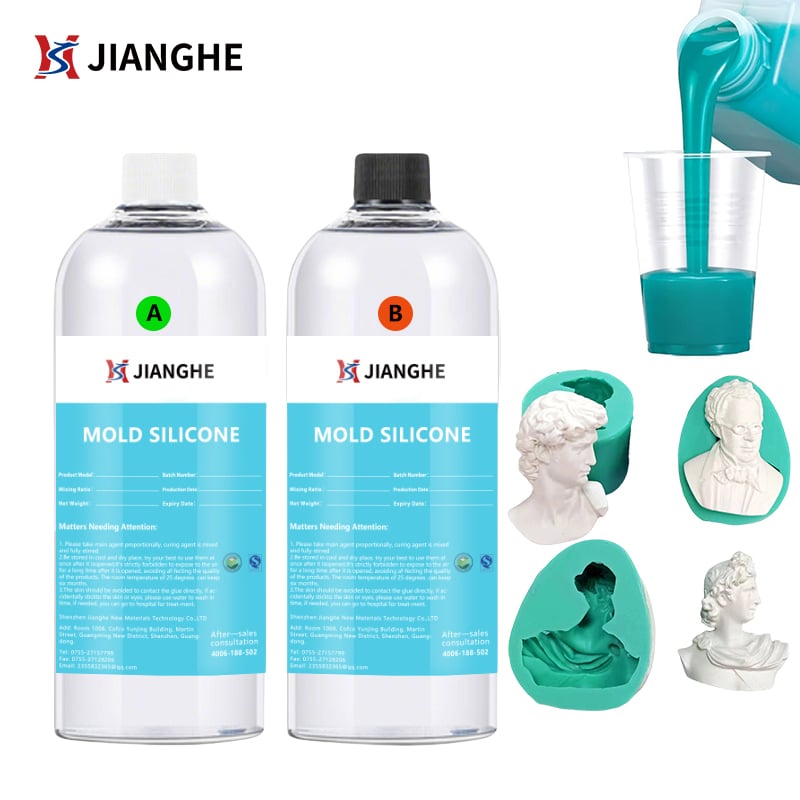
Concrete casting requires precision, durability, and consistent replication of complex designs. Liquid silicone rubber mold making has emerged as a transformative solution for producers who need reliable, long-lasting molds that withstand repeated casting cycles. Unlike traditional rigid mold materials, liquid silicone rubber mold making offers flexibility, intricate detail capture, and superior release properties that significantly reduce production waste and labor costs.
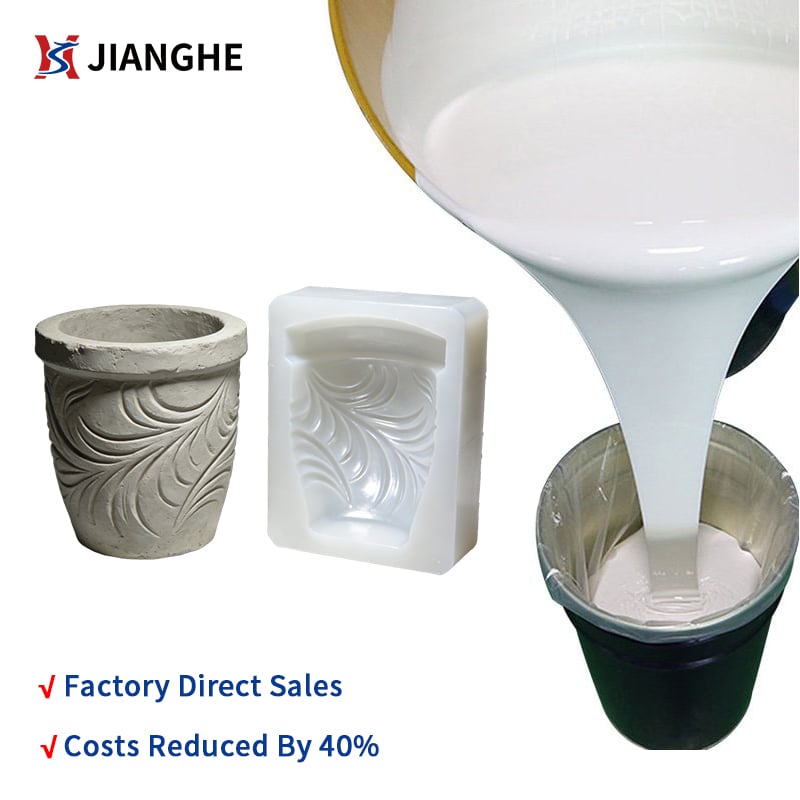
The application of liquid silicone rubber mold making in concrete casting represents a shift from conventional fiberglass and rubber mold technologies toward materials that deliver superior dimensional accuracy and extended service life. Industrial concrete manufacturers, decorative concrete producers, and custom casting operations rely on liquid silicone rubber mold making to produce architectural elements, landscaping features, and specialized structural components with minimal defects and maximum production efficiency.
Core Application Process for Liquid Silicone Rubber Mold Making
Master Pattern Preparation and Mold Design
Before liquid silicone rubber mold making can begin, the master pattern must be meticulously prepared. This pattern serves as the template and defines every detail that will appear in the final concrete casting. For liquid silicone rubber mold making, the master pattern is typically coated with a release agent to ensure the cured mold separates cleanly without damage. The pattern material can be wood, plastic, metal, or composite, provided it is sealed and dimensionally stable. Proper surface preparation directly impacts the quality of liquid silicone rubber mold making and determines whether fine details and undercuts will be faithfully reproduced.
Mold Box Construction and Containment Strategy
Liquid silicone rubber mold making requires a rigid containment system to hold the uncured material around the master pattern. A mold box is constructed using melamine, plywood, or rigid plastic, with internal walls positioned to create uniform wall thickness around the pattern. For liquid silicone rubber mold making, wall thickness typically ranges from one to two inches, depending on the complexity and size of the pattern. The mold box must be sealed to prevent liquid silicone rubber mold making material from leaking during the pouring phase. Proper containment design ensures consistent mold density and prevents voids that would compromise the durability and accuracy of the liquid silicone rubber mold making process.
Pouring and Curing Techniques in Liquid Silicone Rubber Mold Making
Material Mixing and Degassing for Optimal Results
Liquid silicone rubber mold making materials are typically two-part formulations that must be mixed by volume or weight according to manufacturer specifications. Accurate measurement is critical because improper ratios will result in incomplete curing, sticky surfaces, or excessive shrinkage. After mixing, the liquid silicone rubber mold making compound must be degassed to remove trapped air bubbles that would create voids in the final mold. Degassing is achieved through vacuum processing or allowing the material to settle, depending on the specific liquid silicone rubber mold making product used. This step is non-negotiable for producing high-quality molds that deliver sharp detail reproduction.
Controlled Pouring and Curing Environment
Pouring liquid silicone rubber mold making material around the master pattern must be done slowly and methodically to minimize air entrapment. The material is typically poured from the lowest point of the mold box to allow gravity to displace air naturally. Once the liquid silicone rubber mold making compound is fully poured, the mold box is set in a temperature-controlled environment to cure. Curing times vary based on formulation but typically range from 24 to 48 hours at room temperature. For liquid silicone rubber mold making applications requiring faster turnaround, heat-accelerated curing can reduce this timeframe. Temperature consistency is essential because fluctuating conditions during liquid silicone rubber mold making can cause uneven cross-linking and weaker mold performance.
Mold Demolding, Processing, and Field Deployment
Extraction and Post-Cure Treatment
After the curing cycle is complete, the mold box is carefully disassembled and the cured liquid silicone rubber mold making matrix is extracted. The master pattern is removed from within the mold, revealing the negative cavity that will form concrete parts. The liquid silicone rubber mold making mold is then subjected to a post-cure phase, which involves elevated temperature exposure to achieve full cross-linking and maximum durability. This post-cure step is particularly important for liquid silicone rubber mold making because it ensures the material reaches its specified hardness and resistance to concrete chemicals and thermal cycling. Any thin walls or delicate features are inspected during removal to confirm the integrity of the liquid silicone rubber mold making process.
Release Agent Application and Concrete Casting Workflow
Before the first concrete pour, the liquid silicone rubber mold making mold cavity is treated with an appropriate concrete release agent to facilitate easy demolding. The release agent selection depends on the concrete mix design and whether the final casting surface requires a specific finish. Liquid silicone rubber mold making molds are then positioned in a support frame to maintain dimensional accuracy during concrete placement. Concrete is carefully poured into the prepared liquid silicone rubber mold making mold, and the assembly is vibrated to eliminate air voids and consolidate the mixture. One of the key advantages of liquid silicone rubber mold making is that multiple castings can be extracted from the same mold without degradation, making the investment in liquid silicone rubber mold making highly cost-effective over extended production runs.
Key Advantages of Liquid Silicone Rubber Mold Making for Industrial Use
Superior Detail Reproduction and Durability Benefits
Liquid silicone rubber mold making captures microscopic surface texture and fine architectural details that rigid mold systems cannot replicate effectively. The elasticity of liquid silicone rubber mold making material allows undercuts and complex geometry to be demolished without tearing or permanent deformation. High-quality liquid silicone rubber mold making formulations resist concrete's alkaline environment, thermal cycling, and mechanical abrasion from repeated casting operations. A single mold created through liquid silicone rubber mold making can often produce 500 to 2000 individual concrete castings before requiring replacement, depending on the severity of use and maintenance practices. This longevity translates directly to reduced per-unit production costs, making liquid silicone rubber mold making economically superior to traditional alternatives.
Dimensional Consistency and Quality Control Impact
Liquid silicone rubber mold making ensures that each concrete part emerges dimensionally consistent with its predecessors, reducing scrap rates and rework. Shrinkage is predictable and minimal, allowing manufacturers to design molds with precise compensation factors. The release properties inherent to liquid silicone rubber mold making materials mean concrete parts separate cleanly with minimal adhesion, reducing demolding times and labor intensity. Surface finish quality improves because the silicone surface accommodates aggregate without pitting or wear. Manufacturers utilizing liquid silicone rubber mold making consistently report tighter tolerances, fewer defects, and improved aesthetic appeal compared to production conducted with conventional mold technology.
Practical Considerations and Best Practices
Material Selection and Environmental Factors
Selecting the appropriate liquid silicone rubber mold making formulation depends on factors including ambient temperature during curing, desired hardness, chemical resistance requirements, and production volume. Tin-catalyzed systems are common for liquid silicone rubber mold making and offer good cost-effectiveness, while platinum-catalyzed systems provide superior heat resistance and extended pot life for large molds. Storage conditions before use significantly impact the performance of liquid silicone rubber mold making materials; unopened components must be kept at moderate temperatures to prevent premature degradation. The work environment temperature during liquid silicone rubber mold making application affects curing speed and cross-linking efficiency.
Maintenance and Lifecycle Management
Proper care extends the service life of molds created through liquid silicone rubber mold making substantially. After each concrete pour, molds should be cleaned promptly to remove hardened concrete residue that can scratch the surface. Periodic application of release agents maintains the demolding efficiency of liquid silicone rubber mold making molds throughout their operational life. Storage in a cool, dry environment when molds are not in use preserves the material properties of liquid silicone rubber mold making compounds. Regular visual inspection identifies any surface cracks or deterioration that could compromise casting quality or indicate the need for replacement.
FAQ
What makes liquid silicone rubber mold making better than polyurethane or fiberglass molds?
Liquid silicone rubber mold making offers superior elasticity, allowing complex undercuts to be demolished without damage, whereas rigid alternatives often crack or permanently distort. Silicone naturally resists concrete chemicals and thermal cycling better than polyurethane, and molds from liquid silicone rubber mold making typically survive 3 to 5 times more casting cycles. The release properties of liquid silicone rubber mold making are inherent to the material, reducing dependency on chemical agents and accelerating production workflow.
How many concrete castings can one mold from liquid silicone rubber mold making produce?
A single mold created through quality liquid silicone rubber mold making can typically produce between 500 and 2000 castings, depending on care, surface finish demands, and production intensity. Molds made from liquid silicone rubber mold making for decorative or architectural elements commonly reach 1000+ cycles when maintained properly. The actual lifespan is extended when release agents are used consistently and molds are cleaned thoroughly after each use.
Can liquid silicone rubber mold making accommodate complex geometric designs with fine details?
Yes, liquid silicone rubber mold making excels at capturing microscopic details, sharp edges, and intricate textures because the material flows into every cavity before curing. Architectural patterns, ornamental reliefs, and specialized surface finishes are faithfully reproduced through liquid silicone rubber mold making. The flexibility of the cured material allows even deep undercuts to be cleanly demolded without compromising surface fidelity or structural integrity of the mold.
Table of Contents
- Core Application Process for Liquid Silicone Rubber Mold Making
- Pouring and Curing Techniques in Liquid Silicone Rubber Mold Making
- Mold Demolding, Processing, and Field Deployment
- Key Advantages of Liquid Silicone Rubber Mold Making for Industrial Use
- Practical Considerations and Best Practices
- FAQ