
 EN
EN
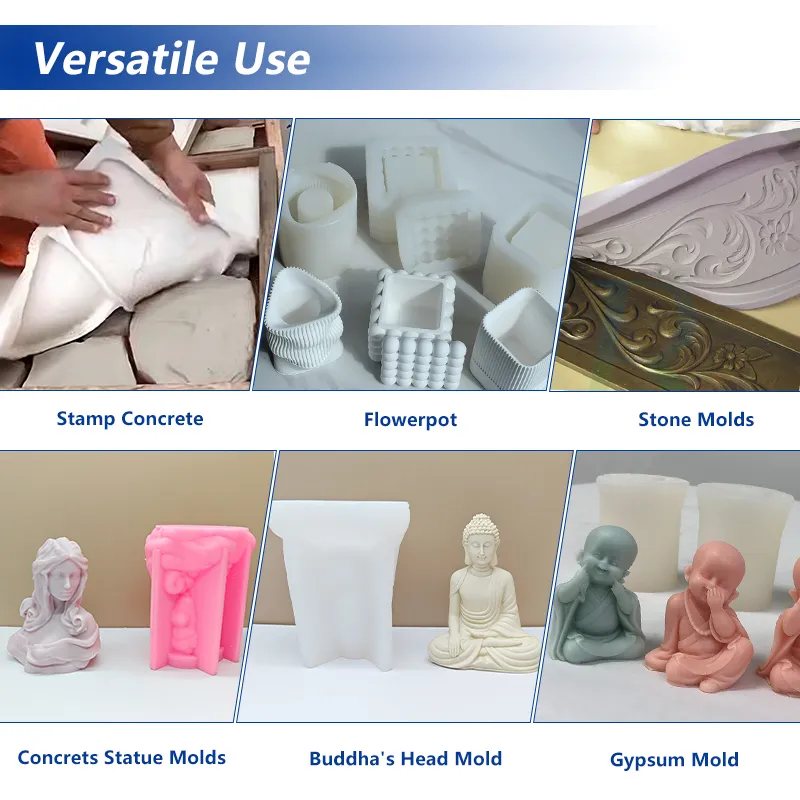
Precast concrete production demands precision, durability, and cost efficiency in every phase of manufacturing. One critical decision that impacts final product quality is selecting the right material for mold construction. Liquid silicone rubber mold making has emerged as a leading solution across the precast concrete industry because it delivers superior dimensional accuracy, exceptional mold longevity, and remarkable production flexibility. When manufacturers adopt liquid silicone rubber mold making techniques, they gain a competitive advantage through faster cycle times, reduced waste, and dramatically improved surface finish on finished concrete elements.
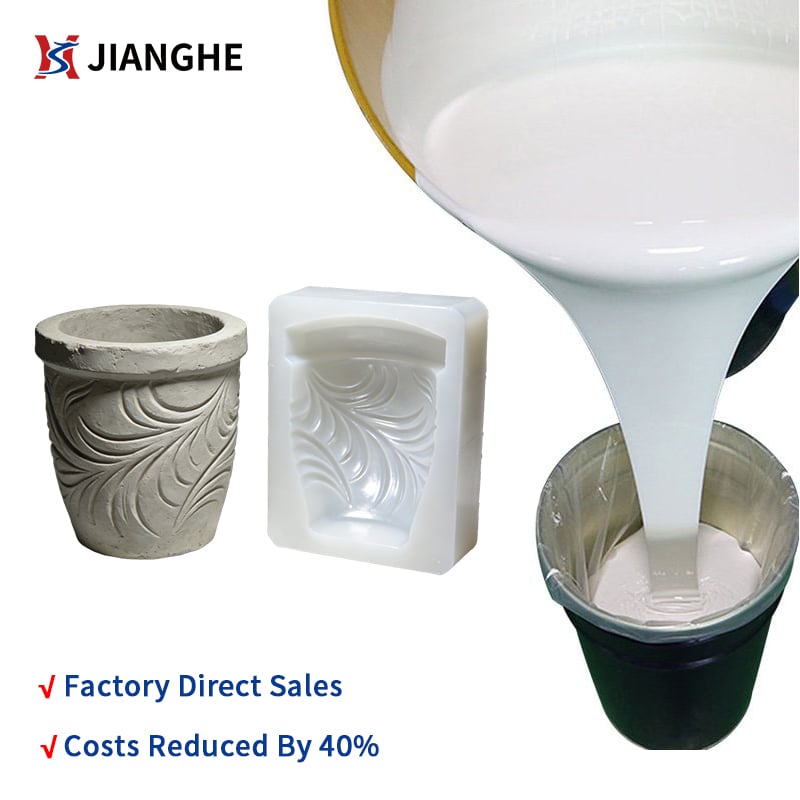
Understanding why liquid silicone rubber mold making outperforms traditional alternatives requires examining the material properties, manufacturing workflow, and real-world performance data. This guide explores the technical and economic reasons why precast concrete producers consistently choose liquid silicone rubber solutions, how these molds function under production stress, and what performance benchmarks you should expect. The insight provided here will help you make informed decisions about your own precast mold investment strategy.
Superior Material Properties and Durability Advantages
Exceptional Dimensional Stability and Accuracy
Liquid silicone rubber mold making begins with a fundamental advantage: silicone's inherent ability to maintain dimensional precision across thousands of production cycles. Unlike polyurethane or epoxy alternatives, silicone exhibits minimal thermal expansion and contraction, meaning your finished concrete elements remain consistently accurate regardless of ambient temperature fluctuations or seasonal changes in your production facility. This dimensional stability translates directly into reduced rework, fewer rejected castings, and faster delivery schedules for your clients.
The chemical composition of liquid silicone rubber creates a non-reactive, thermally stable matrix that resists the aggressive alkalinity of Portland cement and curing concrete. When you implement liquid silicone rubber mold making protocols, your molds resist chemical degradation that commonly affects alternative mold materials. This resistance extends mold lifespan to 500 to 1000 or more production cycles, compared to 100 to 300 cycles typical of conventional materials. Over a 5-year production horizon, this durability advantage compounds into substantial cost savings.
Superior Release and Surface Finish Quality
Precast concrete quality depends significantly on achieving consistent, defect-free surface finishes on every casting. Liquid silicone rubber mold making delivers superior surface quality because silicone possesses naturally hydrophobic properties that promote uniform concrete release without requiring excessive mold demolding agents or release oils. The smooth molecular surface of cured silicone rubber creates a naturally low-friction interface with concrete, allowing concrete to separate cleanly from the mold cavity without pitting, sticking, or surface voids.
In practical terms, adopting liquid silicone rubber mold making techniques means your production team spends less time on post-casting cleanup, surface remediation, and quality inspection. Concrete elements emerge from the mold ready for immediate finishing operations, accelerating your production throughput. The consistent surface quality also enhances your reputation with customers and reduces warranty claims related to surface defects.
Production Efficiency and Manufacturing Economics
Accelerated Mold Fabrication and Customization
One underappreciated advantage of liquid silicone rubber mold making is the speed and flexibility of mold development. Liquid silicone rubber begins as a low-viscosity fluid that readily captures intricate architectural details, decorative patterns, and custom geometry without requiring complex machining or post-fabrication finishing. Your design team can modify mold geometry rapidly, create test prototypes quickly, and transition from prototype to production-scale tooling within compressed timelines. This manufacturing agility gives your business a significant competitive edge when responding to customer requests for custom precast elements or architectural variations.
The liquid silicone rubber mold making process also enables direct casting of complex undercuts, internal cavities, and three-dimensional features that would be extremely difficult or impossible to produce using rigid mold materials. This capability opens market opportunities in decorative concrete products, specialty paving elements, and architectural precast items that command premium pricing. The flexibility of liquid silicone rubber mold making directly translates into broader product portfolios and expanded revenue potential.
Reduced Maintenance and Extended Production Intervals
Traditional concrete mold materials require frequent inspection, repair, and replacement to maintain production quality. Liquid silicone rubber mold making dramatically reduces this maintenance burden. Silicone molds resist cracks, delamination, and structural failure modes that plague other materials. Minor surface damage that would require replacement of a steel or composite mold can often be repaired quickly by re-casting damaged sections of the mold or applying protective coatings. This repair capability translates into extended mold service life and reduced unscheduled downtime for production teams.
Additionally, liquid silicone rubber mold making solutions eliminate the corrosion issues inherent in steel molds exposed to moisture and concrete alkalinity. Rust, surface pitting, and structural degradation simply do not occur with silicone rubber. Your maintenance schedules become more predictable, your emergency mold replacement frequency drops significantly, and your production planning becomes more reliable. These operational advantages accumulate into measurable improvements in your facility's overall equipment effectiveness (OEE) metrics.
Long-Term Cost Benefit and Strategic Considerations
Total Cost of Ownership and Return on Investment
While initial liquid silicone rubber mold making investment may be higher than conventional mold materials, the total cost of ownership over the mold's operational lifetime is substantially lower. Extended lifespan, reduced maintenance, faster cycle times, and lower rework rates compound into significant financial advantages. Consider a typical precast concrete facility producing 5000 to 10000 casting cycles annually: a liquid silicone rubber mold making system delivering 1000 total cycles versus 250 cycles with alternative materials means four times fewer mold replacements over a 5-year period. Multiply this by the replacement cost, labor hours for mold changeover, and production downtime, and the investment advantage becomes immediately apparent.
Moreover, liquid silicone rubber mold making enables faster throughput and reduced labor requirements compared to alternative methods. Automated or semi-automated release mechanisms work more reliably with silicone molds, and your production teams require less manual intervention and rework. These labor efficiency gains represent ongoing operational savings that persist throughout the mold's entire service life. When you compare the all-in cost structure over five years, silicone-based approaches consistently deliver superior financial performance.
Strategic Advantages in Competitive Markets
Precast concrete manufacturers operating in competitive markets benefit tremendously from the consistency, quality, and customization capabilities that liquid silicone rubber mold making provides. Superior surface quality allows premium pricing for specialty architectural elements. Rapid customization capability enables your sales team to fulfill unique customer requests profitably. Extended mold life reduces unit costs per casting, allowing competitive pricing without margin compression. The combination of these advantages positions your business as a higher-capability, more reliable supplier compared to competitors using conventional mold technology.
Furthermore, liquid silicone rubber mold making solutions demonstrate your commitment to production innovation and quality excellence. This positioning attracts quality-conscious customers, supports brand differentiation, and builds customer loyalty. In markets where concrete quality and design flexibility drive purchasing decisions, the adoption of advanced liquid silicone rubber mold making techniques becomes a meaningful competitive differentiator that translates into market share gains and improved profitability.
FAQ
How does liquid silicone rubber compare to polyurethane for precast concrete molds?
Liquid silicone rubber mold making outperforms polyurethane in dimensional stability, chemical resistance to concrete alkalinity, and extended mold lifespan. While polyurethane offers lower initial cost, it degrades more rapidly when exposed to Portland cement and moisture, typically providing 200 to 300 cycles compared to 500 to 1000+ cycles for silicone. The superior durability of liquid silicone rubber mold making results in lower replacement costs and more consistent product quality over time.
What is the typical lifespan of a mold made using liquid silicone rubber mold making?
Molds manufactured using liquid silicone rubber mold making techniques typically deliver 500 to 1000 production cycles before replacement becomes necessary, depending on concrete mix design, demolding procedures, and environmental conditions. Some high-performance liquid silicone rubber mold making systems achieve even longer lifespans with proper maintenance. This represents two to four times longer service life compared to conventional mold materials, directly reducing your long-term tooling costs.
Can liquid silicone rubber mold making accommodate complex architectural designs and custom geometry?
Yes, liquid silicone rubber mold making excels at capturing complex details, decorative patterns, and custom geometry because the material begins as a fluid that captures intricate features without requiring additional finishing. Your design team can easily modify mold geometry, create undercuts, and produce three-dimensional features that would be impractical with rigid mold materials. This flexibility makes liquid silicone rubber mold making ideal for specialty architectural concrete, decorative paving, and premium precast products.