
 EN
EN
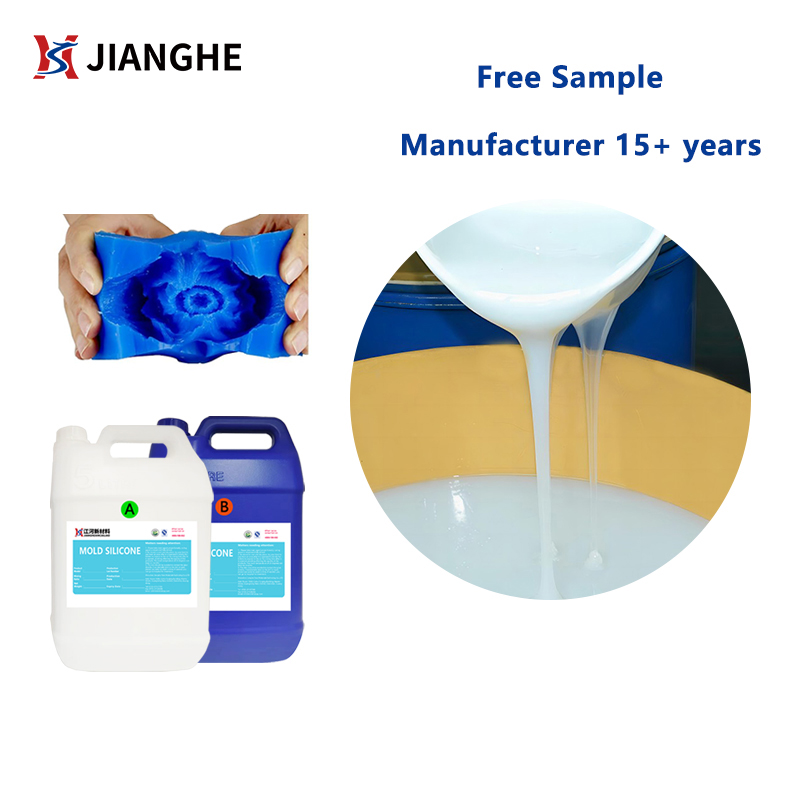
Achieving precision in prototype development requires manufacturing techniques that capture every intricate detail with consistency and repeatability. Liquid silicone rubber mold making has emerged as a transformative approach that delivers exceptional accuracy for designers, engineers, and manufacturers seeking to refine their prototyping processes. The superior dimensional stability and detailed replication capabilities of liquid silicone rubber mold making allow teams to produce prototypes that meet exact specifications while maintaining cost efficiency and accelerated timelines.
The advancement of liquid silicone rubber mold making has redefined how prototype accuracy is achieved across industries ranging from medical devices to consumer electronics and automotive components. Unlike traditional casting or machining methods, liquid silicone rubber mold making offers unmatched flexibility in capturing fine features, undercuts, and complex geometries without compromising structural integrity. This methodology ensures that every prototype iteration maintains dimensional fidelity while enabling rapid design validation and functional testing.
Understanding Liquid Silicone Rubber Mold Making Fundamentals
Core Properties That Drive Accuracy
Liquid silicone rubber mold making relies on the inherent properties of platinum-catalyzed silicone compounds that cure at room temperature or with gentle heat. The key advantage lies in the material's ability to capture microscopic surface details, including fine textures, sharp edges, and minimal surface variations. Liquid silicone rubber mold making exhibits exceptional tear resistance and flexibility, allowing molds to be removed from complex master patterns without distortion or permanent deformation. The low shrinkage rate characteristic of liquid silicone rubber mold making—typically under 1 percent—ensures that replicated parts maintain dimensional accuracy across multiple production cycles.
Material Selection Impact on Replication Quality
The formulation of liquid silicone rubber mold making compounds directly influences replication fidelity and functional performance. Platinum-catalyzed systems used in advanced liquid silicone rubber mold making provide superior cure characteristics, minimal volatile organic compound emissions, and excellent demold properties. Selecting the appropriate shore hardness for liquid silicone rubber mold making depends on the complexity of the prototype geometry and the intended application. Softer compounds facilitate easier removal from intricate undercuts, while firmer formulations support longer mold service life and improved dimensional stability in liquid silicone rubber mold making applications.
Precision Replication Techniques in Liquid Silicone Rubber Mold Making
Master Pattern Preparation and Mold Design
Creating accurate prototypes through liquid silicone rubber mold making begins with meticulous master pattern preparation. The master must be cleaned thoroughly to remove any contaminants, dust particles, or release residue that could compromise the clarity and detail capture inherent to liquid silicone rubber mold making. Mold design for liquid silicone rubber mold making requires strategic consideration of parting lines, gate placement, and overflow channels to ensure complete material flow and elimination of trapped air. Undercut assessment is critical, as liquid silicone rubber mold making excels at capturing undercuts that would be impossible or prohibitively expensive to produce through other manufacturing methods.
Casting and Curing Process Control
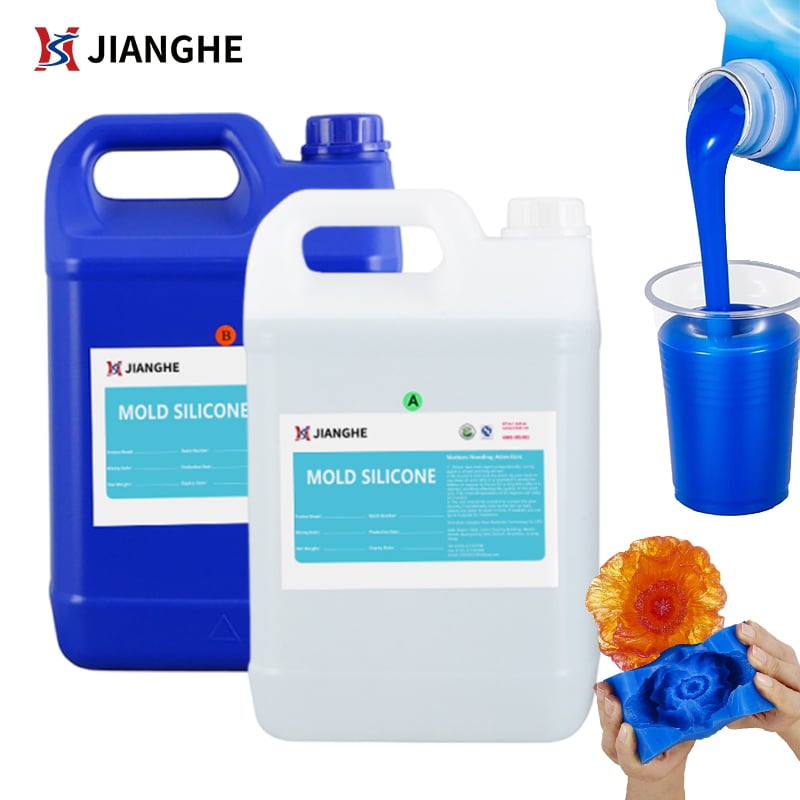
The casting process for liquid silicone rubber mold making demands controlled conditions to prevent defects such as air entrapment, incomplete fill, or uneven cure. Vacuum degassing prior to pouring liquid silicone rubber mold making materials significantly reduces bubble formation, ensuring that the final mold surface reflects the master pattern with exceptional clarity. Temperature management during the cure phase is essential for liquid silicone rubber mold making, as most formulations achieve full strength through either ambient cure or controlled heating protocols. Post-cure procedures for liquid silicone rubber mold making may involve elevated temperature exposure to maximize cross-link density and enhance mold durability, particularly when production volumes demand repeated use.
Accuracy Advantages and Industrial Applications
Dimensional Fidelity and Surface Quality
Liquid silicone rubber mold making delivers surface finishes and dimensional tolerances that rival or exceed traditional machining approaches, particularly for complex geometries. The material's ability to flow into microscopic cavities and reproduce surface texture at a scale of mere micrometers makes liquid silicone rubber mold making indispensable for applications requiring aesthetic precision and functional fit. Products manufactured from molds created through liquid silicone rubber mold making consistently demonstrate tight tolerances without requiring secondary finishing operations, reducing overall production time and cost. Medical devices, diagnostic instruments, and consumer goods benefit substantially from the dimensional accuracy that liquid silicone rubber mold making provides.
Cost and Time Efficiency in Prototype Development
Rapid mold creation through liquid silicone rubber mold making accelerates the prototype validation cycle, allowing teams to test multiple design iterations within compressed timelines. The relatively low tooling cost associated with liquid silicone rubber mold making enables small-batch production without the financial burden of conventional injection molding or CNC machining. Short mold life cycles for liquid silicone rubber mold making support frequent design modifications and functional testing, making it ideal for agile development environments. This combination of speed, precision, and affordability positions liquid silicone rubber mold making as a preferred approach across industries requiring rapid prototyping and iterative refinement.
Optimizing Accuracy in Liquid Silicone Rubber Mold Making Workflows
Quality Control and Testing Protocols
Maintaining accuracy throughout the liquid silicone rubber mold making process requires systematic quality checks at each production stage. Dimensional verification of master patterns using precision instruments ensures that mold accuracy originates from a validated baseline. Testing protocols for liquid silicone rubber mold making materials should include viscosity verification, gel time confirmation, and cure completeness assessment before production use. Mold performance monitoring during initial production runs identifies any deviations in part dimensions or surface quality that might signal mold wear or process drift in liquid silicone rubber mold making operations.
Common Challenges and Advanced Solutions
Air entrapment remains one of the primary accuracy barriers in liquid silicone rubber mold making, resolvable through vacuum processing or carefully controlled pour techniques. Thermal management becomes critical when liquid silicone rubber mold making involves large or thick mold sections that cure unevenly, potentially affecting dimensional stability. Mold release optimization enhances the reusability of molds created through liquid silicone rubber mold making, particularly when producing fragile or delicate prototype components. Surface texture preservation in liquid silicone rubber mold making benefits from the use of specialized release agents and mold conditioning procedures that maintain mold integrity across extended production runs.
FAQ
What is the typical accuracy tolerance achievable with liquid silicone rubber mold making?
Liquid silicone rubber mold making can routinely achieve tolerances in the range of plus or minus 0.1 millimeters for most prototype geometries, with even tighter tolerances possible for smaller features. The actual tolerance depends on master pattern precision, material formulation, and process control, but liquid silicone rubber mold making consistently delivers accuracy superior to alternative rapid prototyping methods for complex shapes.
How many production cycles can a mold created through liquid silicone rubber mold making typically withstand?
The service life of a mold produced through liquid silicone rubber mold making generally ranges from 100 to 500 production cycles, depending on the hardness formulation, part complexity, and material being cast. Softer compounds may provide more flexibility but shorter mold life, while harder formulations extend durability at the cost of reduced undercut capability in liquid silicone rubber mold making applications.
Can liquid silicone rubber mold making accommodate very fine surface details and micro-textures?
Yes, liquid silicone rubber mold making excels at capturing surface details down to the micrometer scale, including fine textures, micro-patterns, and delicate surface finishes. This capability makes liquid silicone rubber mold making particularly valuable for aesthetic prototype validation and functional component replication where surface quality directly impacts performance or user experience.