Liquid Silicone Rubber: Advanced Performance Materials for Industrial and Medical Applications

All Categories

Get a Tailored Solution

Provide your details below, and our material experts will contact you with a competitive quote and technical support within 24 hours.
Email
Name
Company Name
Message
0/1000

liquid silicone rubber

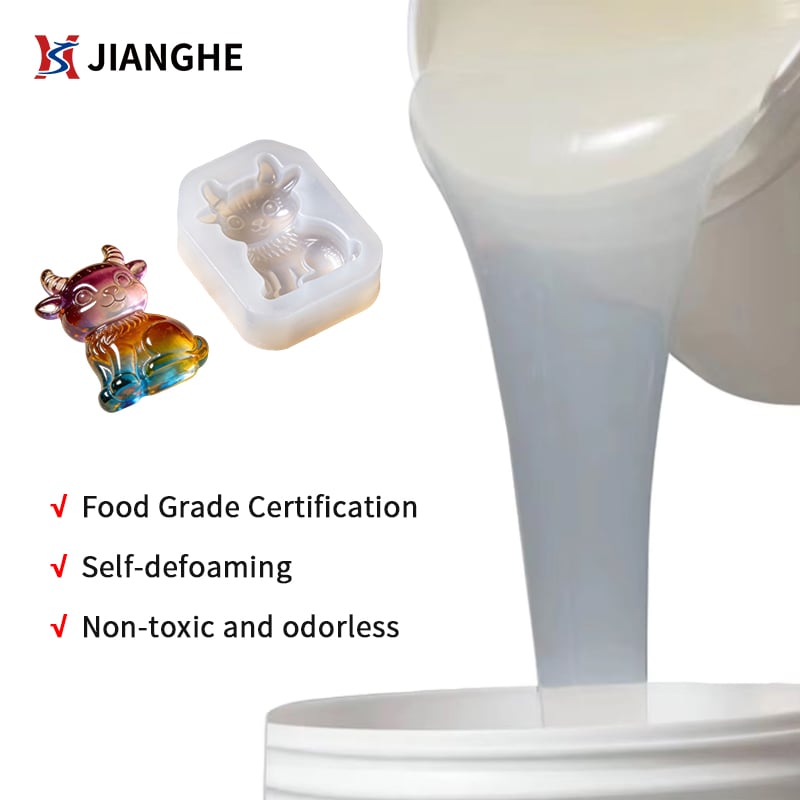
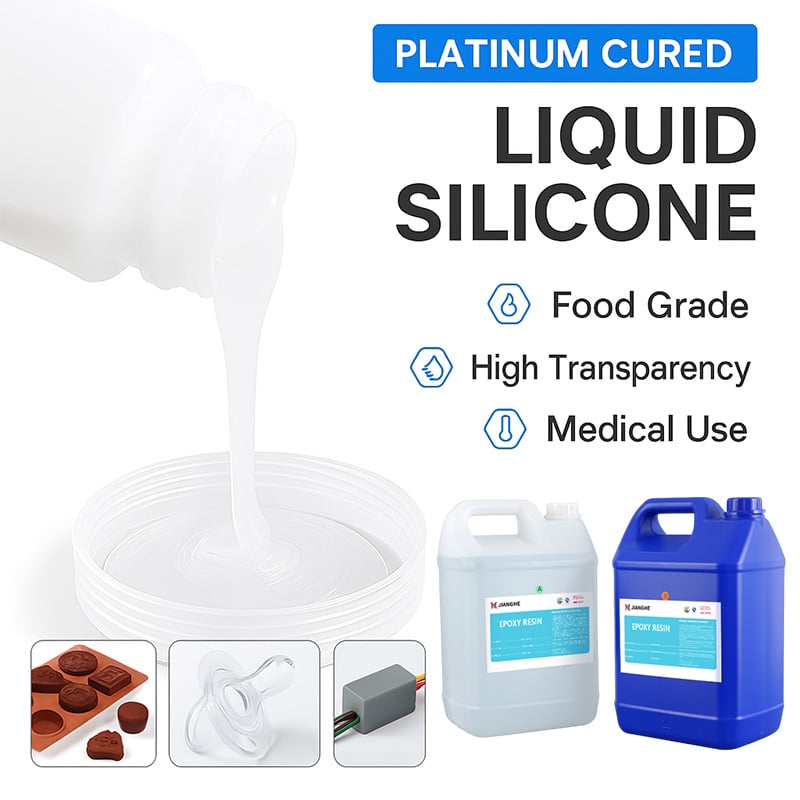
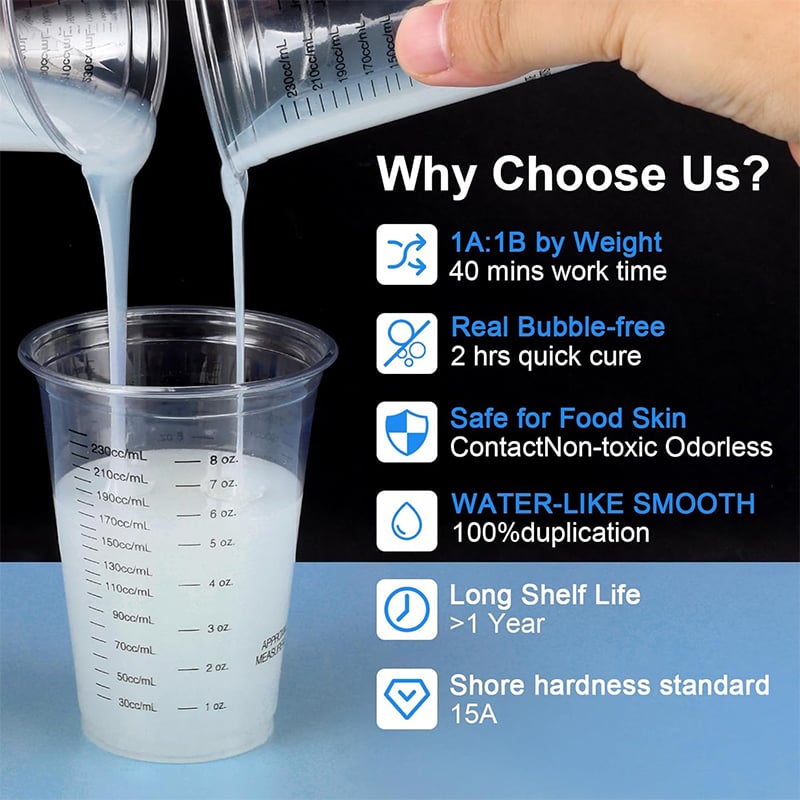
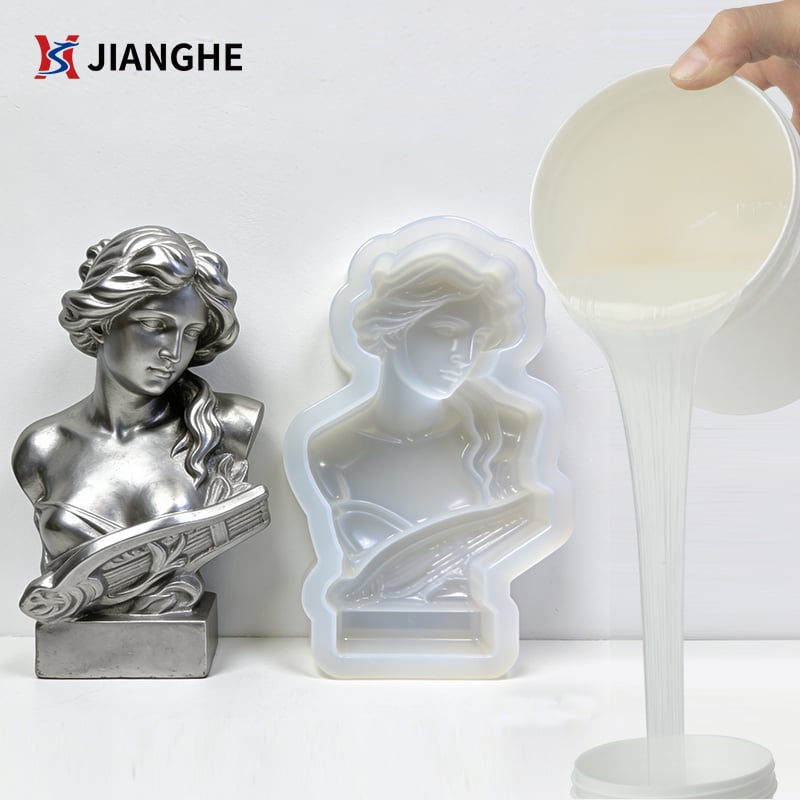
Liquid silicone rubber represents a revolutionary advancement in polymer technology, offering exceptional versatility and performance across numerous industrial and consumer applications. This innovative material combines the unique properties of traditional silicone with the processing advantages of liquid systems, creating a solution that meets the demanding requirements of modern manufacturing. Liquid silicone rubber is a two-part platinum-catalyzed system that cures at elevated temperatures, transforming from a flowable liquid into a durable, flexible elastomer. The material exhibits remarkable thermal stability, maintaining its physical properties across an extensive temperature range from -65°F to 400°F (-54°C to 204°C). This exceptional temperature resistance makes liquid silicone rubber ideal for applications requiring consistent performance under extreme conditions. The technological features of liquid silicone rubber include superior biocompatibility, making it suitable for medical device manufacturing and food-grade applications. Its chemical inertness ensures resistance to various solvents, acids, and bases, while maintaining structural integrity over extended periods. The material demonstrates excellent electrical insulation properties, with high dielectric strength and low conductivity, making it valuable for electronic component protection. Processing advantages include low viscosity for easy injection molding, fast cure cycles that enhance production efficiency, and minimal post-cure requirements. The applications of liquid silicone rubber span multiple industries, including healthcare for medical implants and devices, automotive for gaskets and seals, electronics for protective coatings, aerospace for specialized components, and consumer goods for kitchen utensils and baby products. Its optical clarity and UV resistance make it suitable for optical applications, while its tear strength and compression set resistance ensure long-lasting performance in demanding mechanical applications. The material's ability to bond to various substrates and its excellent mold release properties further enhance its manufacturing versatility.

New Products

Liquid silicone rubber delivers numerous practical benefits that directly impact manufacturing efficiency and product performance. The material offers superior processing capabilities compared to traditional rubber compounds, enabling manufacturers to achieve faster production cycles and reduced waste. Its low viscosity allows for easy flow into complex mold geometries, ensuring complete cavity filling and eliminating common defects like air entrapment or incomplete molding. This characteristic significantly reduces rejection rates and improves overall product quality consistency. The fast cure times of liquid silicone rubber accelerate production schedules, allowing manufacturers to meet tight deadlines while maintaining high-quality standards. Unlike conventional rubber materials that require lengthy vulcanization processes, liquid silicone rubber cures rapidly at moderate temperatures, reducing energy consumption and operational costs. The material maintains dimensional stability throughout the curing process, ensuring precise part tolerances and reducing the need for secondary machining operations. Quality advantages include exceptional durability and longevity, with liquid silicone rubber components often outlasting traditional alternatives by significant margins. The material resists degradation from UV exposure, ozone, and extreme temperatures, maintaining its physical properties throughout extended service life. This durability translates to reduced maintenance requirements and lower total cost of ownership for end users. Environmental benefits include the absence of volatile organic compounds during processing, creating safer working conditions and eliminating the need for special ventilation systems. The material generates minimal waste during production, as excess material can often be reprocessed without significant property degradation. Cost advantages emerge from reduced processing time, lower energy requirements, and decreased rejection rates. The ability to produce complex geometries in single operations eliminates assembly steps and reduces labor costs. Additionally, the extended service life of liquid silicone rubber components reduces replacement frequency, providing long-term value to customers. Safety benefits include inherent flame retardancy and low toxicity, meeting stringent regulatory requirements across multiple industries. The material does not support microbial growth, making it ideal for applications requiring high hygiene standards. Performance advantages encompass excellent flexibility retention at low temperatures, superior compression set resistance, and outstanding weathering characteristics that maintain product integrity across diverse environmental conditions.

Practical Tips

How Is Liquid Silicone Rubber Used in Professional Mold Making?

24

Dec

How Is Liquid Silicone Rubber Used in Professional Mold Making?

Practical Applications of Liquid Silicone Rubber in Professional Manufacturing Liquid Silicone Rubber plays a central role in professional making environments where precision, repeatability, and material reliability are critical. In contrast to hobby...
View More
What Advantages Does Floor Coating Epoxy Offer in Warehouses and Factories?

23

Dec

What Advantages Does Floor Coating Epoxy Offer in Warehouses and Factories?

Advantages of Floor Coating Epoxy for Warehouses and Factories Maintaining durable, safe, and efficient flooring in warehouses and factories is a constant challenge. Heavy machinery, forklift traffic, and chemical exposure put extreme stress on concr...
View More
Why Do Mold Makers Choose Liquid Silicone for Complex Mold Projects?

04

Jan

Why Do Mold Makers Choose Liquid Silicone for Complex Mold Projects?

Liquid Silicone in Modern Mold Making Liquid silicone has become the material of choice for mold makers seeking precision, flexibility, and durability in their projects. Its unique properties allow manufacturers to produce complex molds that traditio...
View More
Why Is Clear Epoxy Resin More Prone to Yellowing?

10

Jan

Why Is Clear Epoxy Resin More Prone to Yellowing?

Understanding the Yellowing of Clear Epoxy Resin Clear epoxy resin is widely used in flooring, furniture, art, and industrial applications due to its transparency, durability, and glossy finish. However, one common challenge faced by manufacturers, a...
View More

Get a Free Quote

Our representative will contact you soon.
Email
Name
Company Name
Message
0/1000

liquid silicone rubber

Exceptional Temperature Performance and Chemical Resistance

Exceptional Temperature Performance and Chemical Resistance

Liquid silicone rubber demonstrates unmatched thermal stability and chemical resistance, making it the preferred choice for applications operating under extreme conditions. The material maintains its mechanical properties across an impressive temperature range, from cryogenic conditions as low as -65°F (-54°C) to continuous service temperatures reaching 400°F (204°C), with intermittent exposure capabilities extending even higher. This exceptional temperature tolerance stems from the unique molecular structure of liquid silicone rubber, where silicon-oxygen bonds provide inherent thermal stability that surpasses conventional organic polymers. In high-temperature applications, liquid silicone rubber resists thermal degradation, oxidation, and hardening that commonly affect other elastomers. This stability ensures consistent sealing performance in automotive engines, reliable operation of electronic components in harsh environments, and dependable function of medical devices during sterilization processes. The chemical resistance properties of liquid silicone rubber provide additional value in corrosive environments. The material withstands exposure to acids, bases, solvents, and oils without significant property degradation, maintaining its flexibility and sealing capabilities throughout extended service periods. This chemical inertness makes liquid silicone rubber ideal for pharmaceutical manufacturing equipment, chemical processing systems, and food production machinery where contamination must be prevented. The combination of thermal and chemical resistance creates unique opportunities for product designers to develop solutions that previously required multiple materials or frequent replacement schedules. In aerospace applications, liquid silicone rubber components maintain performance reliability despite exposure to jet fuels, hydraulic fluids, and extreme temperature variations encountered during flight operations. The material's resistance to UV radiation and ozone further enhances its outdoor performance, preventing cracking and deterioration that plague conventional rubber materials. This comprehensive resistance profile reduces maintenance requirements, extends component service life, and improves overall system reliability. For manufacturers, these properties translate to reduced warranty claims, enhanced customer satisfaction, and opportunities to enter markets with demanding performance requirements. The long-term stability of liquid silicone rubber components provides predictable performance characteristics that enable accurate system design and reliable operation throughout extended service intervals.
Superior Biocompatibility and Food Safety Compliance

Superior Biocompatibility and Food Safety Compliance

Liquid silicone rubber excels in biocompatibility and food safety applications, offering manufacturers access to highly regulated markets where material purity and safety are paramount. The inherent biocompatibility of liquid silicone rubber stems from its chemical composition and molecular structure, which resist interaction with biological systems while maintaining stability in contact with human tissue and bodily fluids. This characteristic enables widespread use in medical device manufacturing, where implantable components, surgical instruments, and diagnostic equipment require materials that will not cause adverse reactions or compromise patient safety. The material meets stringent biocompatibility standards including USP Class VI, ISO 10993, and FDA regulations for medical device applications. In surgical applications, liquid silicone rubber provides the flexibility and durability needed for long-term implants while maintaining tissue compatibility that promotes natural healing processes. The material's resistance to protein adhesion and bacterial colonization reduces infection risks and improves patient outcomes. For medical device manufacturers, liquid silicone rubber offers design flexibility that enables creation of complex geometries and integrated features that enhance device functionality while maintaining biocompatibility requirements. Food safety compliance represents another critical advantage of liquid silicone rubber, with formulations meeting FDA CFR 177.2600 regulations for food contact applications. The material does not impart taste, odor, or color to food products, ensuring sensory quality preservation throughout processing and storage. Unlike many traditional elastomers, liquid silicone rubber does not contain plasticizers, fillers, or additives that could migrate into food products, providing confidence in consumer safety. This purity makes the material ideal for food processing equipment, beverage systems, and consumer products like kitchen utensils and food storage containers. The non-porous surface of cured liquid silicone rubber resists bacterial growth and simplifies cleaning procedures, supporting food safety protocols in commercial food preparation environments. Sterilization compatibility further enhances the value of liquid silicone rubber in both medical and food applications. The material withstands various sterilization methods including steam autoclaving, gamma irradiation, and ethylene oxide treatment without property degradation. This capability enables reusable medical instruments and food processing components that maintain performance through repeated sterilization cycles. For manufacturers serving regulated industries, liquid silicone rubber provides a single material solution that meets multiple compliance requirements while delivering reliable performance characteristics.
Advanced Processing Efficiency and Design Flexibility

Advanced Processing Efficiency and Design Flexibility

Liquid silicone rubber revolutionizes manufacturing processes through its exceptional processing characteristics and design flexibility, enabling manufacturers to achieve unprecedented efficiency and product innovation. The low viscosity of liquid silicone rubber, typically ranging from 1,000 to 100,000 centipoise, facilitates easy injection into complex mold cavities, ensuring complete filling of intricate geometries that would be challenging or impossible with conventional rubber compounds. This flowability characteristic eliminates common molding defects such as air entrapment, incomplete filling, and flow lines that can compromise part quality and increase rejection rates. The rapid cure kinetics of liquid silicone rubber transform manufacturing economics by dramatically reducing cycle times compared to traditional rubber processing. Typical cure cycles range from 30 seconds to 3 minutes at temperatures between 300°F to 400°F (149°C to 204°C), enabling high-volume production with reduced energy consumption and faster inventory turnover. This efficiency advantage allows manufacturers to respond quickly to market demands while maintaining competitive pricing structures. The precision molding capabilities of liquid silicone rubber enable production of parts with tight tolerances and excellent surface finish directly from the mold, eliminating secondary operations and reducing overall manufacturing costs. Design flexibility represents a transformative advantage for product developers working with liquid silicone rubber. The material's ability to flow into thin sections, create complex internal geometries, and form integral features expands design possibilities beyond conventional manufacturing limitations. Multi-component molding capabilities allow integration of rigid substrates with flexible liquid silicone rubber elements in single operations, creating sophisticated assemblies that reduce part counts and assembly labor. Over-molding applications enable creation of soft-touch surfaces, ergonomic grips, and sealing elements that enhance product functionality and user experience. The excellent mold release properties of liquid silicone rubber minimize the need for external release agents, reducing contamination risks and simplifying production processes. This characteristic also extends mold life by reducing wear and eliminating buildup that can affect part quality over time. For manufacturers, these processing advantages translate to improved production efficiency, reduced waste generation, and enhanced product quality consistency. The ability to produce complex parts in single operations reduces inventory requirements for sub-components and simplifies supply chain management. Automation compatibility further enhances the manufacturing value proposition, as liquid silicone rubber systems integrate readily with robotic dispensing equipment and automated molding systems that reduce labor costs and improve process repeatability.

Get Samples & Support

Email
Name
Company Name
Country/Region
What Are You Making
Single Choice
Estimated Monthly Usage
Single Choice
Message
0/1000