
 EN
EN
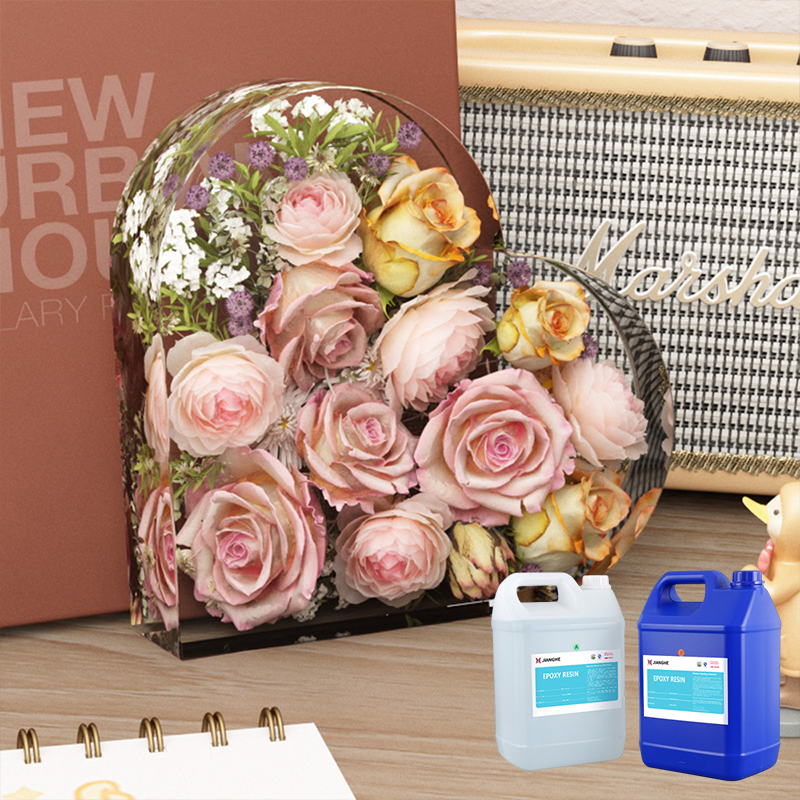
When artists and designers seek to elevate the appearance of their creative works, art resin has become one of the most reliable and visually transformative materials available today. Art resin is a two-part epoxy compound that, when mixed and applied correctly, cures into a hard, crystal-clear surface that dramatically changes how a finished piece looks and feels. From paintings and photographs to resin-cast jewelry and mixed-media panels, art resin adds a professional-grade finish that is difficult to achieve with any other medium.
Understanding how art resin enhances visual quality requires a closer look at its optical and physical properties. Art resin is designed to be optically transparent, meaning it does not distort or yellow the colors beneath it. Instead, art resin amplifies color saturation, adds dimensional depth, and creates a mirror-like gloss that draws the viewer's eye into the work. Whether you are a professional artist or a hobbyist exploring DIY crafts, knowing what art resin does to a finished surface can help you make smarter creative decisions.
The Optical Properties That Make Art Resin Unique
Crystal Clarity and Color Enhancement
One of the most defining characteristics of art resin is its ability to produce a surface with exceptional optical clarity. When art resin cures fully, it forms a lens-like layer over the artwork that magnifies and intensifies the colors beneath. Artists who apply art resin over acrylic or oil paintings consistently report that colors appear richer, deeper, and more vivid compared to an uncoated surface. This optical enhancement happens because art resin has a high refractive index, which bends light in a way that makes pigments appear more saturated and luminous. Art resin essentially acts as a permanent magnifying filter that never degrades over time when properly maintained.
Depth and Dimensionality
Art resin adds a physical thickness to any surface it covers, and this thickness translates directly into perceived visual depth. When viewers look at a piece finished with art resin, they often describe the sensation of looking 'into' the artwork rather than simply 'at' it. This three-dimensional quality is especially valued in abstract and mixed-media art, where layers of color and texture already exist beneath the surface. Art resin seals and unifies those layers, making the composition feel cohesive and intentional. The depth that art resin creates cannot be replicated by varnishes or sprays, which form only a thin film on top of the work.
How Art Resin Improves Surface Finish and Durability
High-Gloss Finish Without Brush Marks
A major visual advantage of art resin is the flawlessly smooth, high-gloss finish it produces. Unlike brush-applied varnishes that may leave streaks, bristle marks, or uneven sheen, art resin self-levels as it cures. This self-leveling behavior means that art resin naturally flows to an even surface without intervention, producing a result that looks almost machine-finished. For artists who want a gallery-quality presentation, art resin delivers a consistent gloss that enhances the perceived value and professionalism of the work. Art resin is particularly effective on flat panels, wooden surfaces, and poured paintings where an even coating is essential.
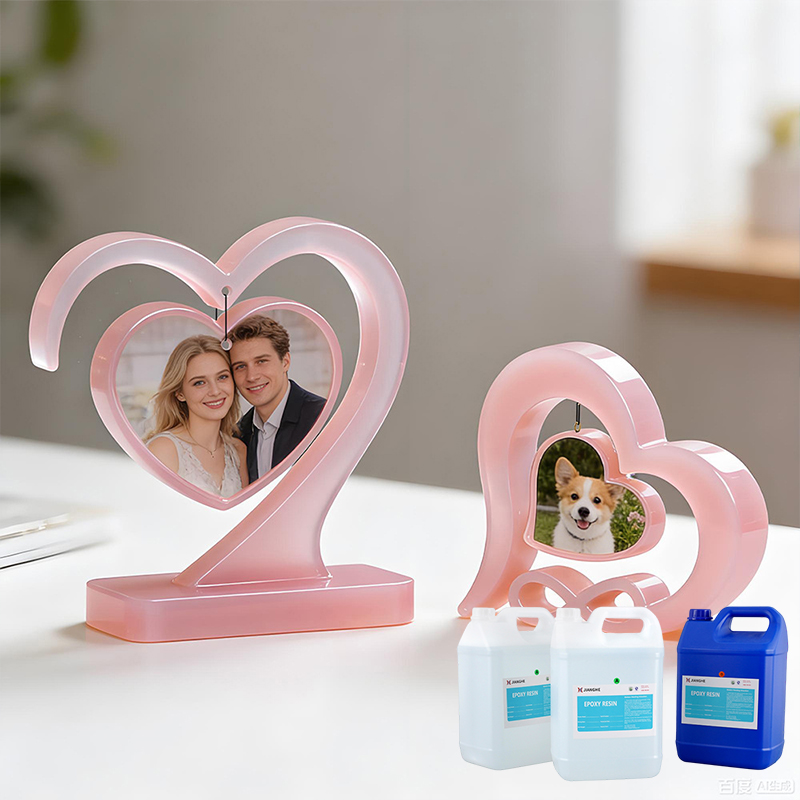
Protection That Preserves Visual Quality Long-Term
Art resin does more than beautify a surface at the time of application. It forms a hard, protective shell that shields the artwork from UV exposure, dust, moisture, and physical abrasion. Without a protective layer like art resin, pigments in paintings and photographs can fade significantly within a few years of display. Art resin slows that degradation process by acting as a barrier between the artwork and environmental stressors. The visual quality of a piece protected with art resin remains closer to its original state over a much longer period, making art resin a practical investment for any serious creative work. Art resin also resists yellowing when high-quality formulations are used, which is critical for preserving the true tonal range of white or light-colored compositions.
Art Resin in Different Creative Applications
Paintings, Photographs, and Mixed Media
Art resin is widely used across a range of creative disciplines because of its versatile adhesion and finishing properties. On canvas paintings, art resin amplifies the texture and brushwork already present, giving each stroke a jewel-like quality. On photographic prints, art resin eliminates the flat, matte look of standard photo paper and replaces it with a vibrant, glass-like presentation. In mixed-media works that include collage elements, dried botanicals, or found objects, art resin encapsulates all components under a unified surface, giving the piece a polished, professional appearance. Art resin is also a foundational material in resin art itself, where pigments, foils, and powders are suspended within art resin layers to create fluid, luminous compositions.
DIY Crafts and Functional Decorative Objects
Beyond fine art applications, art resin is extensively used in DIY crafts to enhance the visual quality of everyday decorative objects. Coasters, serving trays, keychains, and jewelry all benefit from the clarity and gloss that art resin provides. In these applications, art resin not only improves aesthetics but also increases the perceived quality and durability of handmade items. Crafters use art resin to embed flowers, glitter, and decorative foils within castings, creating objects that appear complex and detailed. Art resin gives DIY products a finished look that competes with commercially manufactured goods, which is why art resin has become so central to the modern craft and maker community.
FAQ
Does art resin work on all types of surfaces?
Art resin adheres well to most rigid, porous, and semi-porous surfaces including wood, canvas, ceramic, and metal. It is important to ensure the surface is clean, dry, and free of dust before applying art resin. Flexible or oily surfaces may not bond properly with art resin, so surface preparation is a key step for achieving the best visual results.
How many coats of art resin are needed to enhance visual quality?
In most cases, a single coat of art resin is enough to produce a high-gloss, visually enhanced finish. However, artists who want additional depth or need to level uneven surfaces sometimes apply a second coat of art resin after the first has fully cured. Multiple thin coats of art resin generally produce better optical results than a single thick application.
Can art resin yellow over time and affect color accuracy?
Low-quality art resin formulations can yellow over time when exposed to UV light, which shifts the color tone of the artwork beneath. Premium art resin products are formulated with UV stabilizers that resist yellowing and maintain optical clarity for years. Choosing a high-quality, UV-resistant art resin is essential for preserving the long-term visual quality of any creative work.