clear liquid silicone rubber
Clear liquid silicone rubber represents a revolutionary material that combines transparency with superior elasticity and durability. This specialized form of clear liquid silicone rubber offers exceptional optical clarity while maintaining the inherent flexibility and resilience of silicone compounds. The clear liquid silicone rubber serves as an ideal solution for applications requiring both visual transparency and mechanical performance.
Technologically, clear liquid silicone rubber features a unique molecular structure that eliminates color additives and opaque fillers, allowing light to pass through unobstructed. The clear liquid silicone rubber maintains consistent viscosity during processing, enabling precise molding and casting operations. This material undergoes vulcanization to achieve its final properties, resulting in a transparent, rubber-like substance with exceptional tear resistance and flexibility.
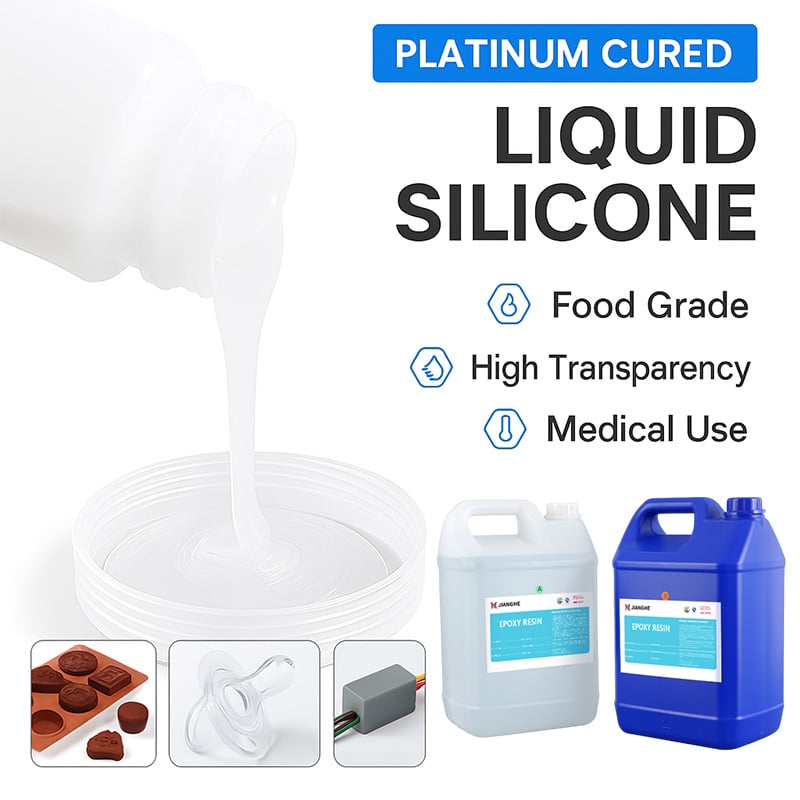
The primary functions of clear liquid silicone rubber include acting as a protective encapsulant, optical component, and flexible barrier in demanding applications. Clear liquid silicone rubber excels in medical devices where biocompatibility and visibility are crucial. It functions effectively in LED encapsulation, lens production, and protective tubing applications. The material's resistance to temperature extremes, UV radiation, and chemical exposure makes clear liquid silicone rubber invaluable across multiple industries. Its non-yellowing properties ensure long-term optical clarity, while its food-grade formulations support packaging and kitchenware applications. The versatility of clear liquid silicone rubber continues to expand as manufacturers discover new use cases in automotive, aerospace, and consumer electronics sectors.

 EN
EN