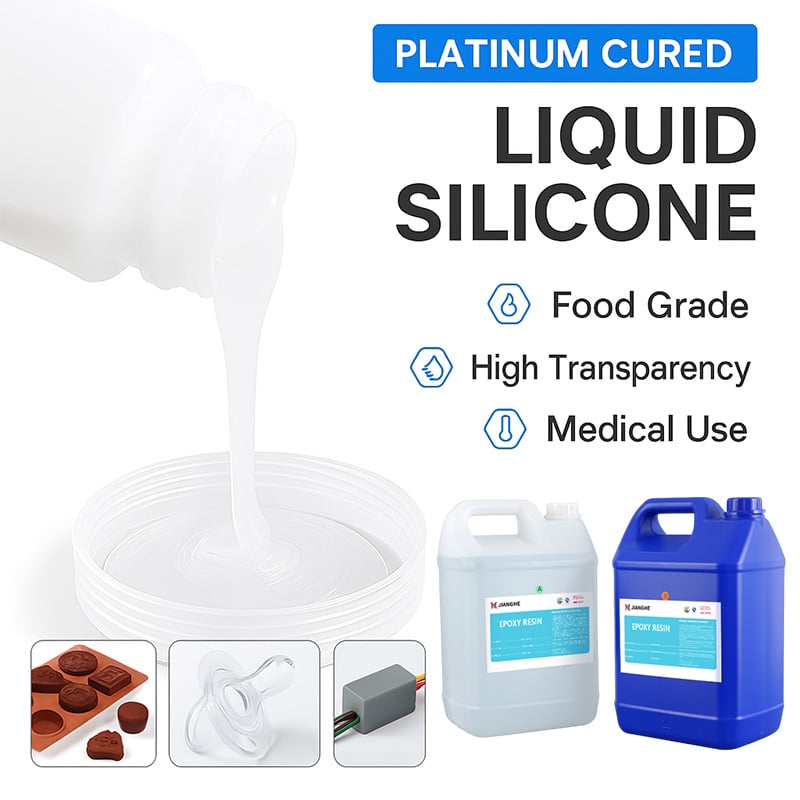
Two Part Liquid Silicone Rubber: Superior Performance Solutions for Industrial and Medical Applications

All Categories

Get a Tailored Solution

Provide your details below, and our material experts will contact you with a competitive quote and technical support within 24 hours.
Email
Name
Company Name
Message
0/1000

two part liquid silicone rubber

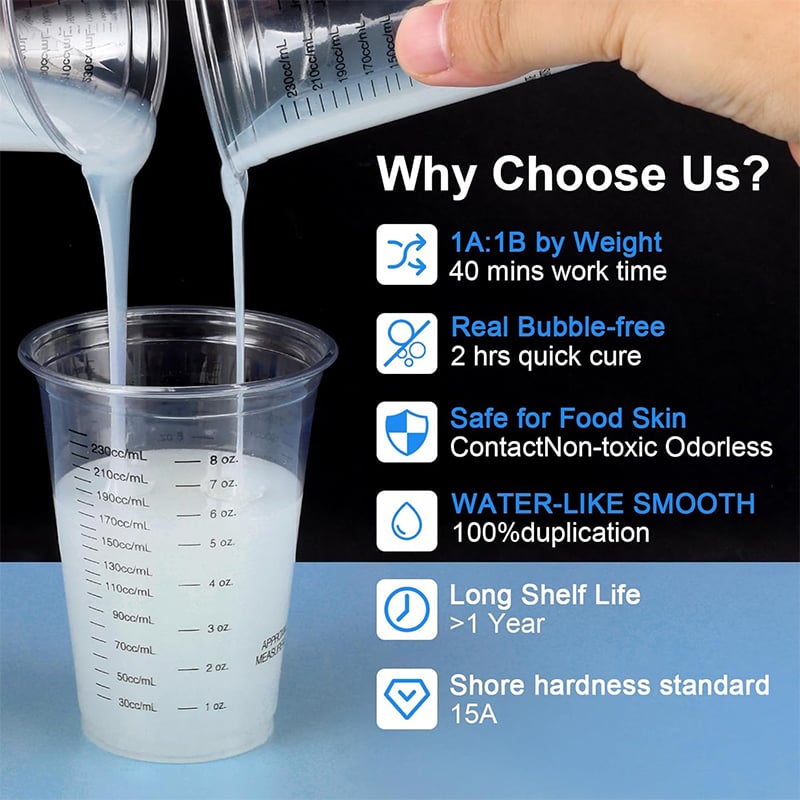
Two part liquid silicone rubber represents a revolutionary advancement in elastomer technology, offering manufacturers and engineers unprecedented versatility in creating high-performance rubber components. This innovative material system consists of two distinct liquid components that, when combined in precise ratios, undergo a chemical curing process to form durable, flexible silicone rubber products. The base component contains platinum-catalyzed silicone polymers, while the curing agent provides cross-linking additives that initiate polymerization. This two part liquid silicone rubber formulation enables room temperature vulcanization, eliminating the need for high-temperature processing equipment and reducing energy consumption during manufacturing. The technological features of two part liquid silicone rubber include excellent flowability, allowing it to penetrate intricate mold details and create complex geometries with exceptional precision. Its low viscosity ensures complete cavity filling, producing parts with consistent wall thickness and superior surface finish. The material exhibits remarkable thermal stability, maintaining its physical properties across temperature ranges from -65°C to 200°C, making it suitable for demanding environmental conditions. Chemical resistance stands as another key technological feature, as two part liquid silicone rubber withstands exposure to oils, solvents, acids, and bases without significant degradation. Applications for two part liquid silicone rubber span numerous industries, including automotive gasket manufacturing, medical device production, electronics encapsulation, and consumer product development. In automotive applications, this material creates weather seals, vibration dampeners, and fuel system components that maintain integrity under extreme operating conditions. Medical applications leverage its biocompatibility for surgical instruments, prosthetics, and pharmaceutical packaging. Electronics manufacturers utilize two part liquid silicone rubber for potting compounds, cable insulation, and protective housings that shield sensitive components from moisture and environmental contaminants. The aerospace industry employs this material for creating lightweight, durable seals and gaskets that perform reliably in high-altitude, low-pressure environments.

New Product Releases

Two part liquid silicone rubber delivers exceptional processing convenience that transforms manufacturing workflows and reduces production costs significantly. Unlike traditional solid rubber materials requiring complex molding equipment and high-temperature vulcanization, this liquid system allows manufacturers to create precision components using simple mixing and pouring techniques. The room temperature curing capability eliminates energy-intensive heating processes, reducing operational expenses while improving workplace safety by eliminating hot surfaces and thermal hazards. Production teams can achieve consistent results without specialized training, as the straightforward mixing ratios and predictable cure times simplify quality control procedures. The superior physical properties of two part liquid silicone rubber provide remarkable durability that extends product lifecycles and enhances customer satisfaction. This material maintains excellent elasticity and tear resistance even after prolonged exposure to UV radiation, ozone, and extreme temperatures, ensuring reliable performance in outdoor applications. Its exceptional compression set resistance prevents permanent deformation under constant loading, making it ideal for sealing applications where maintained contact pressure is critical. The material's inherent flexibility allows components to accommodate thermal expansion and mechanical stress without cracking or losing seal integrity. Chemical compatibility represents another significant advantage, as two part liquid silicone rubber resists degradation from petroleum products, cleaning solvents, and industrial chemicals that would damage conventional rubber materials. This chemical stability reduces maintenance requirements and replacement frequency in industrial applications. The biocompatible nature of properly formulated two part liquid silicone rubber enables its use in food contact applications and medical devices without concerns about toxic leaching or contamination. Manufacturing versatility allows producers to create components ranging from thin films to thick castings using the same base material system. The excellent release properties eliminate the need for complex mold treatments, reducing cycle times and improving surface quality. Color stability ensures that pigmented parts maintain their appearance throughout their service life, while the material's naturally low flammability provides inherent fire safety benefits. These combined advantages make two part liquid silicone rubber an cost-effective solution for manufacturers seeking reliable, high-performance elastomer components with simplified production requirements and enhanced end-user benefits.

Practical Tips

How Does Anti-Yellowing Resin Maintain Long-Term Visual Clarity?

17

Dec

How Does Anti-Yellowing Resin Maintain Long-Term Visual Clarity?

The Importance of Visual Stability in Modern Epoxy Applications Anti-Yellowing Resin has become a critical material choice in epoxy systems where long-term appearance, transparency, and color consistency are as important as mechanical performance. In...
View More
What Makes River Table Epoxy Suitable for Deep-Pour Applications?

24

Dec

What Makes River Table Epoxy Suitable for Deep-Pour Applications?

Understanding the Advantages of River Table Epoxy for Deep-Pour Applications River tables are a striking fusion of natural wood and clear epoxy resin, creating a visually stunning centerpiece. The use of deep-pour epoxy is critical in achieving thick...
View More
What Factors Limit the Service Life of Mold Making Silicone?

16

Jan

What Factors Limit the Service Life of Mold Making Silicone?

Understanding the Service Life of Mold Making Silicone Mold making silicone is widely used by manufacturers, artisans, and industrial professionals for its flexibility, durability, and precision. Despite its many advantages, the service life of mold ...
View More
How Does River Table Epoxy Control Exothermic Reaction and Cracking?

28

Jan

How Does River Table Epoxy Control Exothermic Reaction and Cracking?

Managing Exothermic Reactions and Cracking in River Table Epoxy River Table Epoxy has become a favorite material for designers and artisans who create stunning river tables, countertops, and artistic pieces. Its clarity, durability, and versatility m...
View More

Get a Free Quote

Our representative will contact you soon.
Email
Name
Company Name
Message
0/1000

two part liquid silicone rubber

Exceptional Temperature Performance and Environmental Durability

Exceptional Temperature Performance and Environmental Durability

Two part liquid silicone rubber demonstrates outstanding thermal stability that surpasses conventional elastomers, maintaining consistent physical properties across an impressive temperature range extending from -65°C to 200°C without experiencing brittleness, softening, or chemical breakdown. This remarkable temperature resistance stems from the unique silicon-oxygen backbone structure that provides inherent thermal stability, unlike carbon-based polymers that degrade under extreme conditions. In cold environments, two part liquid silicone rubber retains its flexibility and elasticity, preventing the cracking and hardening that plague traditional rubber materials during winter operations or refrigerated applications. High-temperature performance remains equally impressive, as the material resists oxidation and maintains its mechanical properties even during prolonged exposure to elevated temperatures, making it invaluable for automotive engine compartments, industrial heating systems, and aerospace applications where temperature fluctuations are constant. The environmental durability extends beyond temperature resistance to include exceptional UV stability, ensuring that outdoor installations maintain their integrity without chalking, color fading, or surface degradation that typically affects organic polymers. Ozone resistance prevents the surface cracking and deterioration commonly observed in natural rubber and synthetic alternatives exposed to atmospheric pollutants. This environmental stability translates into extended service life for components manufactured from two part liquid silicone rubber, reducing replacement frequency and maintenance costs for end users. The material's hydrolytic stability ensures that exposure to moisture, steam, or aqueous solutions does not compromise its physical properties, making it suitable for marine applications, food processing equipment, and pharmaceutical manufacturing where water exposure is inevitable. Chemical resistance encompasses a broad spectrum of substances, including petroleum products, hydraulic fluids, cleaning agents, and industrial solvents, ensuring reliable performance in chemically aggressive environments. This comprehensive environmental durability makes two part liquid silicone rubber the preferred choice for applications requiring long-term reliability under challenging operating conditions, providing manufacturers and end users with confidence in product performance and reducing total cost of ownership through extended component lifecycles.
Superior Processing Flexibility and Manufacturing Efficiency

Superior Processing Flexibility and Manufacturing Efficiency

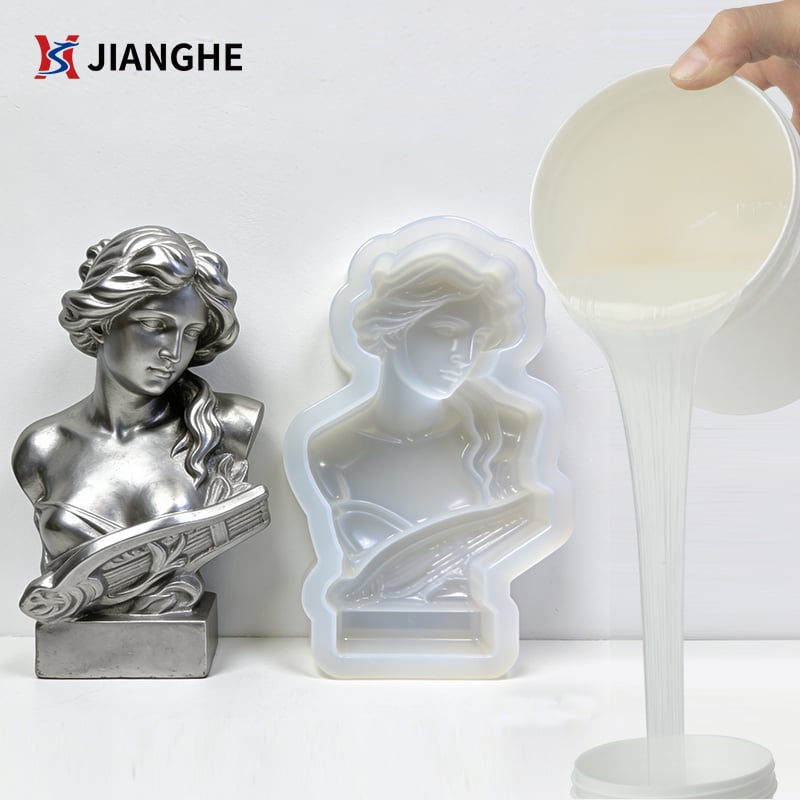
Two part liquid silicone rubber revolutionizes manufacturing processes by offering unparalleled processing flexibility that accommodates diverse production requirements while maintaining consistent quality outcomes. The liquid state of both components enables precise mixing ratios using simple volumetric or weight-based measuring systems, eliminating the complex compounding procedures required for solid rubber materials. This processing advantage allows manufacturers to adjust batch sizes according to production demands without investing in specialized equipment or maintaining large inventory quantities. The room temperature curing capability provides significant operational benefits, as components can be processed without energy-intensive heating systems, reducing utility costs and eliminating thermal expansion complications in precision molds. Pot life characteristics allow adequate working time for complex assemblies or large components, while controlled cure rates ensure predictable demolding schedules that optimize production throughput. The excellent flow properties of two part liquid silicone rubber enable complete filling of intricate mold cavities, producing components with sharp detail definition and consistent wall thickness that would be challenging to achieve with higher viscosity materials. This flow characteristic proves particularly valuable for thin-wall applications, complex geometries, and components featuring fine surface textures or detailed patterns. Mold release properties eliminate the need for external release agents in most applications, reducing surface contamination and improving bond strength for subsequent assembly operations. The material's compatibility with various molding techniques, including open casting, closed molding, and injection processes, provides manufacturers with flexibility to select the most appropriate method for their specific application requirements. Quality control becomes simplified as the transparent or translucent nature of many two part liquid silicone rubber formulations allows visual inspection during processing, enabling immediate identification of air bubbles, incomplete mixing, or contamination issues. Post-curing requirements are minimal or eliminated entirely, allowing parts to achieve full properties without additional thermal treatment, reducing handling steps and accelerating delivery schedules. This processing efficiency translates into reduced labor costs, shorter lead times, and improved production capacity utilization, making two part liquid silicone rubber an economically attractive solution for manufacturers seeking to optimize their operational efficiency while maintaining high-quality standards.
Comprehensive Chemical Compatibility and Safety Profile

Comprehensive Chemical Compatibility and Safety Profile

Two part liquid silicone rubber exhibits remarkable chemical resistance and safety characteristics that make it the preferred material choice for applications involving direct contact with humans, food products, and sensitive environments where material purity is paramount. The inert nature of cured silicone provides exceptional resistance to a wide range of chemicals, including acids, bases, solvents, and petroleum products that would rapidly degrade organic rubber alternatives. This chemical stability ensures that components maintain their physical properties and dimensional accuracy even when exposed to aggressive cleaning agents, sterilization procedures, or industrial process chemicals. The biocompatible nature of properly formulated two part liquid silicone rubber meets stringent regulatory requirements for medical device manufacturing, pharmaceutical applications, and food contact surfaces, providing manufacturers with confidence that their products will pass safety evaluations and regulatory approvals. Unlike materials containing plasticizers, stabilizers, or other additives that may migrate over time, high-quality two part liquid silicone rubber formulations maintain their chemical integrity without leaching potentially harmful substances into surrounding environments. This stability is particularly crucial for implantable medical devices, food processing equipment, and children's products where safety margins must be absolutely certain. The material's resistance to bacterial growth and easy cleaning characteristics make it ideal for hygienic applications, as smooth, non-porous surfaces prevent contamination accumulation and facilitate thorough sanitization procedures. Sterilization compatibility encompasses multiple methods, including steam autoclaving, gamma radiation, and chemical sterilization, without compromising material properties or introducing toxic residues. The flame retardant properties of many two part liquid silicone rubber formulations provide inherent fire safety benefits without requiring halogenated additives that could produce toxic gases during combustion. This safety profile extends to electrical applications, where the material's excellent dielectric properties and arc resistance ensure reliable insulation performance while maintaining safety standards. Environmental safety considerations include the material's stability against weathering and UV exposure, preventing the formation of degradation products that could contaminate soil or water systems in outdoor applications. The recyclability potential of silicone materials supports sustainability initiatives, as thermal depolymerization can recover valuable siloxane compounds for reuse in new applications, reducing environmental impact and supporting circular economy principles.

Get Samples & Support

Email
Name
Company Name
Country/Region
What Are You Making
Single Choice
Estimated Monthly Usage
Single Choice
Message
0/1000