Premium Liquid Silicone Rubber for Molding - Superior Performance and Processing Efficiency

All Categories

Get a Tailored Solution

Provide your details below, and our material experts will contact you with a competitive quote and technical support within 24 hours.
Email
Name
Company Name
Message
0/1000

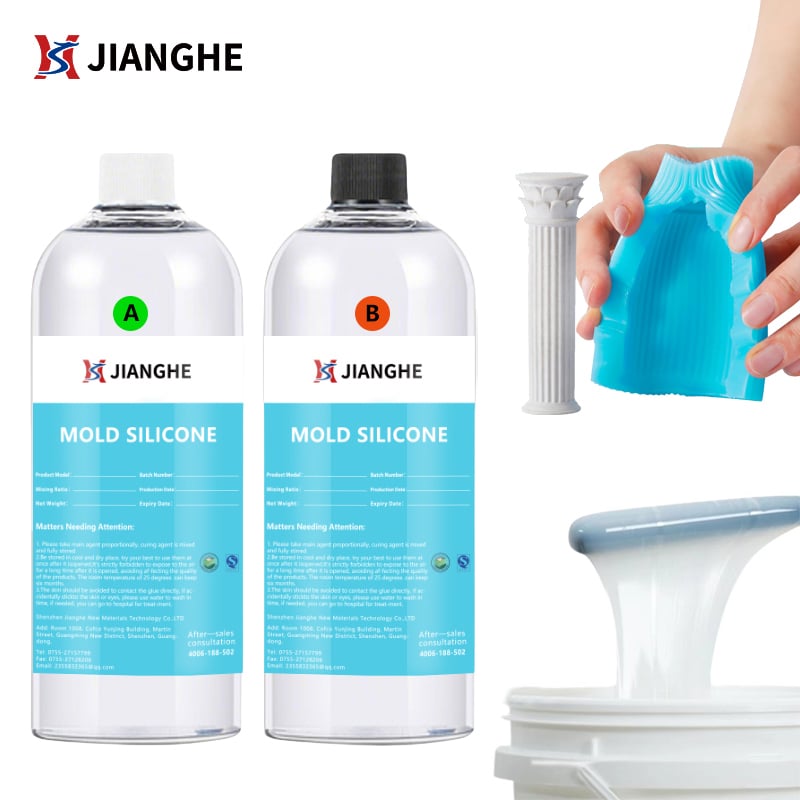
liquid silicone rubber for molding

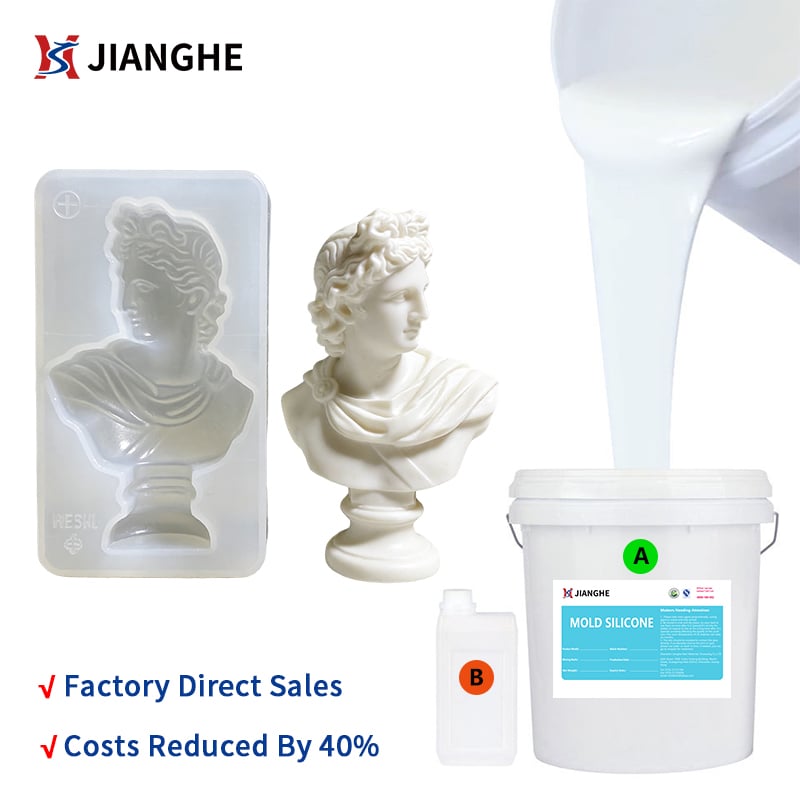
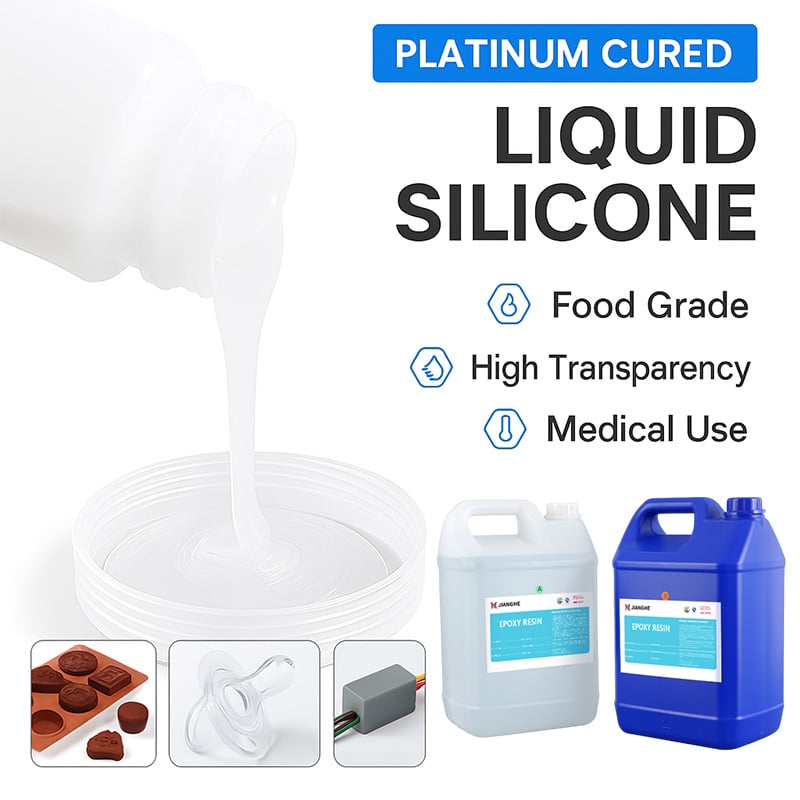
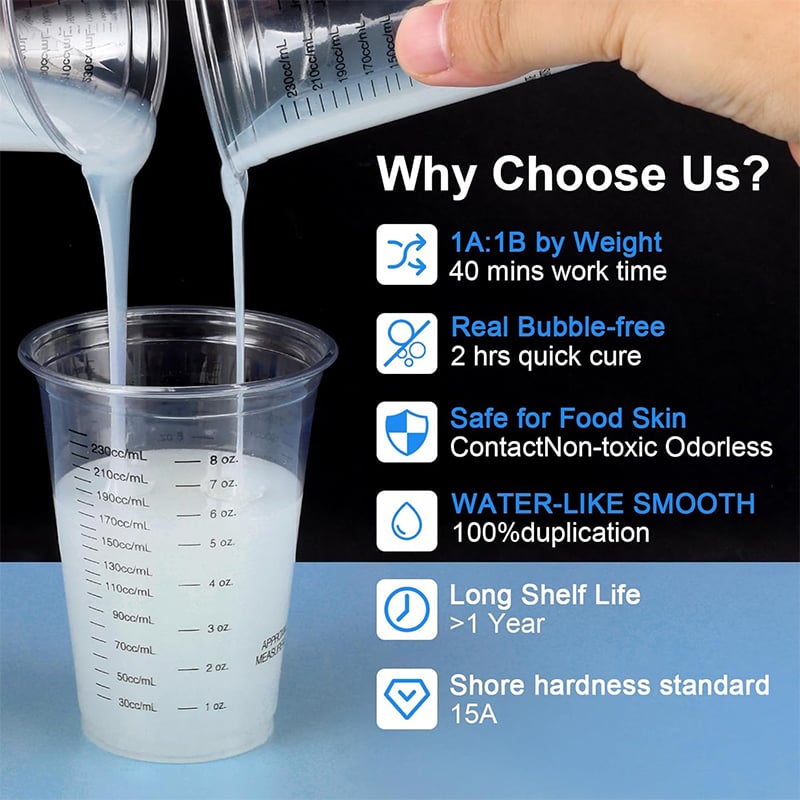
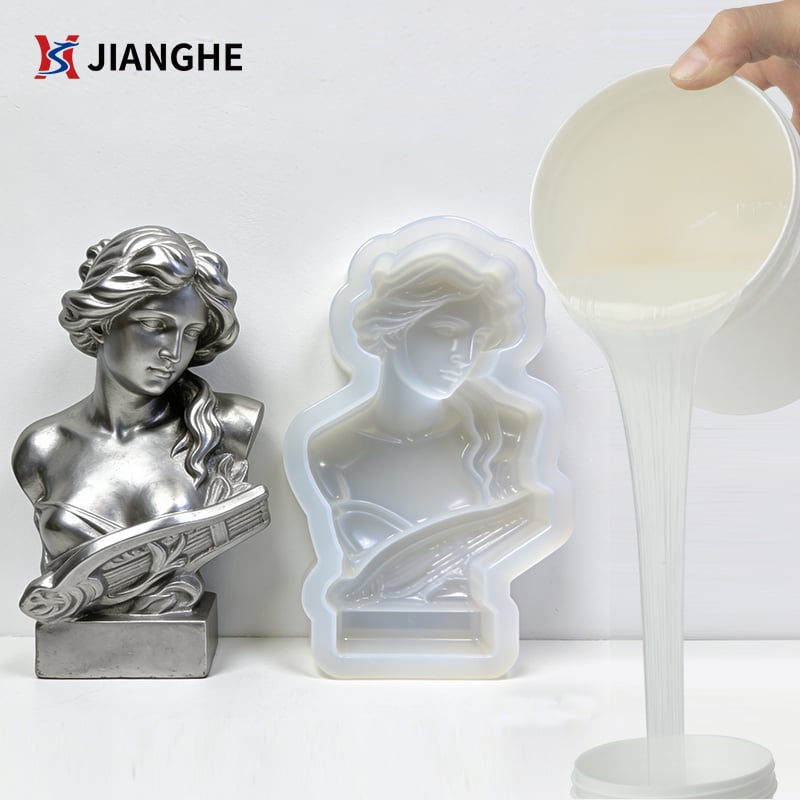
Liquid silicone rubber for molding represents a revolutionary advancement in manufacturing technology, offering unprecedented versatility and performance across diverse industrial applications. This specialized material combines the inherent properties of silicone with enhanced flowability and processing characteristics that make it ideal for complex molding operations. The primary functions of liquid silicone rubber for molding encompass creating precision components, prototypes, and production parts that require exceptional dimensional stability and chemical resistance. Its technological features include superior thermal stability, ranging from -65°C to 200°C, excellent electrical insulation properties, and remarkable resistance to UV radiation, ozone, and various chemicals. The material exhibits exceptional tear strength and elongation properties, making it suitable for applications requiring flexibility and durability. Manufacturing processes benefit significantly from the low viscosity characteristics of liquid silicone rubber for molding, which enables complete filling of intricate mold cavities and detailed surface reproduction. The curing mechanism involves platinum-catalyzed addition reactions, resulting in consistent and predictable processing times. Applications span numerous industries, including automotive components such as gaskets and seals, medical devices requiring biocompatible materials, consumer electronics housings, and industrial equipment parts. Food-grade formulations of liquid silicone rubber for molding meet strict FDA regulations, enabling use in kitchen utensils, food processing equipment, and packaging applications. The aerospace industry utilizes this material for critical components that must withstand extreme temperatures and harsh environmental conditions. Additionally, liquid silicone rubber for molding serves the construction industry in weatherproofing applications and architectural elements. The material's ability to reproduce fine details makes it invaluable for artistic reproductions, jewelry making, and decorative elements. Its non-toxic nature and hypoallergenic properties expand usage into personal care products and baby items, demonstrating the versatility and safety profile that distinguishes liquid silicone rubber for molding in today's manufacturing landscape.

Popular Products

Liquid silicone rubber for molding delivers exceptional processing efficiency that transforms manufacturing operations through streamlined production workflows. The material flows effortlessly into complex geometries, eliminating the need for excessive pressure during molding processes and reducing equipment wear. This enhanced flowability translates directly into cost savings through reduced cycle times and improved production throughput. Manufacturers experience significant energy savings because liquid silicone rubber for molding cures at lower temperatures compared to traditional rubber compounds, reducing heating costs and environmental impact. The self-leveling properties ensure uniform thickness distribution across molded parts, minimizing waste and rework requirements. Quality consistency represents another major advantage, as liquid silicone rubber for molding produces parts with predictable mechanical properties batch after batch. This reliability reduces quality control expenses and customer complaints while building brand reputation for excellence. The material's inherent release characteristics eliminate the need for costly mold release agents in many applications, further reducing production costs and simplifying manufacturing processes. Durability advantages extend product lifecycles significantly, as components made from liquid silicone rubber for molding resist degradation from environmental factors including UV exposure, temperature fluctuations, and chemical contact. This longevity reduces replacement frequency and maintenance costs for end users. The material's flexibility prevents cracking and brittleness that commonly affect rigid alternatives, maintaining performance integrity throughout extended service periods. Color stability ensures that products maintain their appearance over time, crucial for consumer-facing applications where aesthetics matter. Safety benefits include non-toxic formulations that protect workers during processing and end users during product use. Liquid silicone rubber for molding contains no plasticizers or volatile organic compounds that could outgas harmful substances. The material meets stringent biocompatibility standards, enabling use in medical applications and food contact surfaces without health concerns. Processing versatility accommodates various manufacturing methods including injection molding, compression molding, and casting techniques. This flexibility allows manufacturers to optimize production methods based on part geometry and volume requirements. Temperature resistance capabilities enable liquid silicone rubber for molding to function effectively in extreme environments where other materials fail. Chemical inertness prevents reactions with cleaning agents, fuels, and industrial chemicals, maintaining part integrity in harsh service conditions. The combination of these practical advantages makes liquid silicone rubber for molding an economical choice that delivers superior performance while reducing total ownership costs.

Latest News

How Can Buyers Assess Long-Term Reliability of a Resin Manufacturer?

11

Dec

How Can Buyers Assess Long-Term Reliability of a Resin Manufacturer?

Building Confidence in a Sustainable Manufacturing Partner Selecting a reliable Resin Manufacturer is a strategic decision that directly affects product quality, delivery stability, and long-term cooperation efficiency. For buyers sourcing epoxy resi...
View More
What Makes River Table Epoxy Suitable for Deep-Pour Applications?

24

Dec

What Makes River Table Epoxy Suitable for Deep-Pour Applications?

Understanding the Advantages of River Table Epoxy for Deep-Pour Applications River tables are a striking fusion of natural wood and clear epoxy resin, creating a visually stunning centerpiece. The use of deep-pour epoxy is critical in achieving thick...
View More
What Factors Limit the Service Life of Mold Making Silicone?

16

Jan

What Factors Limit the Service Life of Mold Making Silicone?

Understanding the Service Life of Mold Making Silicone Mold making silicone is widely used by manufacturers, artisans, and industrial professionals for its flexibility, durability, and precision. Despite its many advantages, the service life of mold ...
View More
How Does River Table Epoxy Control Exothermic Reaction and Cracking?

28

Jan

How Does River Table Epoxy Control Exothermic Reaction and Cracking?

Managing Exothermic Reactions and Cracking in River Table Epoxy River Table Epoxy has become a favorite material for designers and artisans who create stunning river tables, countertops, and artistic pieces. Its clarity, durability, and versatility m...
View More

Get a Free Quote

Our representative will contact you soon.
Email
Name
Company Name
Message
0/1000

liquid silicone rubber for molding

Exceptional Temperature Resistance and Environmental Durability

Exceptional Temperature Resistance and Environmental Durability

The remarkable temperature resistance of liquid silicone rubber for molding sets it apart from conventional elastomers, providing unmatched performance across extreme temperature ranges that would destroy alternative materials. This exceptional capability stems from the unique molecular structure of silicone polymers, which maintain their flexibility and mechanical properties from -65°C to 200°C, with specialized formulations extending this range even further. Unlike organic rubbers that become brittle in cold conditions or degrade rapidly at elevated temperatures, liquid silicone rubber for molding retains its elasticity and strength throughout these temperature extremes. This temperature stability translates into significant cost savings for manufacturers and end users, as components resist thermal cycling damage that typically causes premature failure in other materials. The environmental durability extends beyond temperature resistance to encompass exceptional UV stability, ozone resistance, and weathering performance. Outdoor applications benefit tremendously from these properties, as liquid silicone rubber for molding maintains its appearance and functionality after years of exposure to sunlight, rain, and atmospheric pollutants. This durability eliminates the need for protective coatings or frequent replacements, reducing maintenance costs and improving system reliability. Chemical resistance represents another crucial aspect of environmental durability, as liquid silicone rubber for molding resists attack from acids, bases, solvents, and fuel components that would rapidly degrade alternative materials. This chemical inertness enables use in aggressive industrial environments where components face constant exposure to potentially damaging substances. The combination of thermal and chemical resistance makes liquid silicone rubber for molding ideal for automotive applications such as engine gaskets, fuel system components, and emission control parts. Aerospace applications leverage these properties for seals, gaskets, and protective covers that must function reliably in the extreme conditions of high-altitude flight and space environments. The material's ability to maintain performance integrity across such diverse and challenging conditions provides manufacturers with design confidence and end users with dependable operation, making liquid silicone rubber for molding an investment in long-term reliability and performance excellence.
Superior Processing Efficiency and Manufacturing Flexibility

Superior Processing Efficiency and Manufacturing Flexibility

Liquid silicone rubber for molding revolutionizes manufacturing efficiency through its exceptional processing characteristics that streamline production while maintaining superior part quality. The low viscosity of this material enables complete filling of intricate mold cavities with minimal injection pressure, reducing stress on expensive tooling and extending mold life significantly. This gentle processing approach prevents the formation of flow lines, weld lines, and other surface defects that commonly plague high-pressure molding operations, resulting in parts that require minimal finishing operations. The rapid cure characteristics of liquid silicone rubber for molding accelerate production cycles dramatically, with typical cure times ranging from seconds to minutes depending on part thickness and temperature settings. This speed advantage allows manufacturers to achieve higher throughput rates using existing equipment, effectively increasing capacity without capital investment in additional machinery. The predictable cure behavior eliminates the guesswork associated with processing traditional rubber compounds, enabling precise cycle time optimization and consistent quality outcomes. Manufacturing flexibility represents a key competitive advantage, as liquid silicone rubber for molding accommodates various processing methods including injection molding, transfer molding, and casting techniques. This versatility allows manufacturers to select the optimal process based on part geometry, production volume, and quality requirements rather than being constrained by material limitations. The self-releasing properties of cured liquid silicone rubber for molding simplify demolding operations and reduce the need for expensive release agents, cutting both material costs and processing time. Complex geometries with deep draws, thin sections, and intricate details become achievable without the processing difficulties typically associated with such challenging designs. The material's ability to reproduce fine surface textures and minute details opens new possibilities for product designers seeking to create components with enhanced functionality and aesthetic appeal. Quality consistency emerges naturally from the superior processing characteristics, as uniform flow patterns and predictable cure behavior result in parts with consistent dimensions and mechanical properties. This reliability reduces quality control expenses and warranty claims while building customer confidence in product performance. The processing advantages of liquid silicone rubber for molding translate directly into competitive advantages for manufacturers, enabling them to offer superior products at competitive prices while maintaining healthy profit margins through improved operational efficiency.
Biocompatibility and Safety Excellence for Critical Applications

Biocompatibility and Safety Excellence for Critical Applications

The exceptional biocompatibility and safety profile of liquid silicone rubber for molding makes it the preferred choice for medical devices, food contact applications, and consumer products where human health and safety are paramount concerns. This outstanding safety record stems from the inherent chemical inertness of silicone polymers, which do not leach harmful substances or react with biological systems under normal use conditions. Medical-grade formulations of liquid silicone rubber for molding meet the most stringent biocompatibility standards including USP Class VI, ISO 10993, and FDA 21 CFR 177.2600, ensuring safe use in implantable devices, surgical instruments, and diagnostic equipment. The material's hypoallergenic properties prevent adverse skin reactions, making it ideal for wearable medical devices, prosthetics, and personal care products that require extended skin contact. Unlike many synthetic materials that contain plasticizers, stabilizers, or other additives that can migrate over time, liquid silicone rubber for molding maintains its chemical integrity throughout its service life. This stability prevents the formation of degradation products that could compromise safety or performance in critical applications. The non-toxic nature of liquid silicone rubber for molding extends to food contact applications, where FDA-approved grades enable safe use in kitchen utensils, food processing equipment, and packaging components. The material's resistance to bacterial growth and its ability to withstand sterilization procedures including autoclaving, gamma radiation, and chemical disinfection make it invaluable for healthcare applications where infection control is critical. The absence of volatile organic compounds ensures that liquid silicone rubber for molding does not contribute to indoor air quality problems or create occupational health hazards during processing or use. This characteristic is particularly important in healthcare facilities, food processing plants, and residential applications where air quality directly impacts human health. Environmental safety considerations also favor liquid silicone rubber for molding, as the material is recyclable and produces no toxic combustion products when properly incinerated. The combination of human health safety and environmental responsibility makes liquid silicone rubber for molding a socially responsible choice for manufacturers committed to sustainable practices. Regulatory compliance becomes straightforward with liquid silicone rubber for molding, as established safety data and regulatory approvals reduce the time and cost associated with product certification. This regulatory advantage accelerates time-to-market for new products while providing confidence that safety requirements are fully satisfied, making liquid silicone rubber for molding an essential material for companies operating in regulated industries where safety cannot be compromised.

Get Samples & Support

Email
Name
Company Name
Country/Region
What Are You Making
Single Choice
Estimated Monthly Usage
Single Choice
Message
0/1000