Professional Resin Manufacturer - Custom Polymer Solutions & Advanced Materials

All Categories

Get a Tailored Solution

Provide your details below, and our material experts will contact you with a competitive quote and technical support within 24 hours.
Email
Name
Company Name
Message
0/1000

resin manufacturer

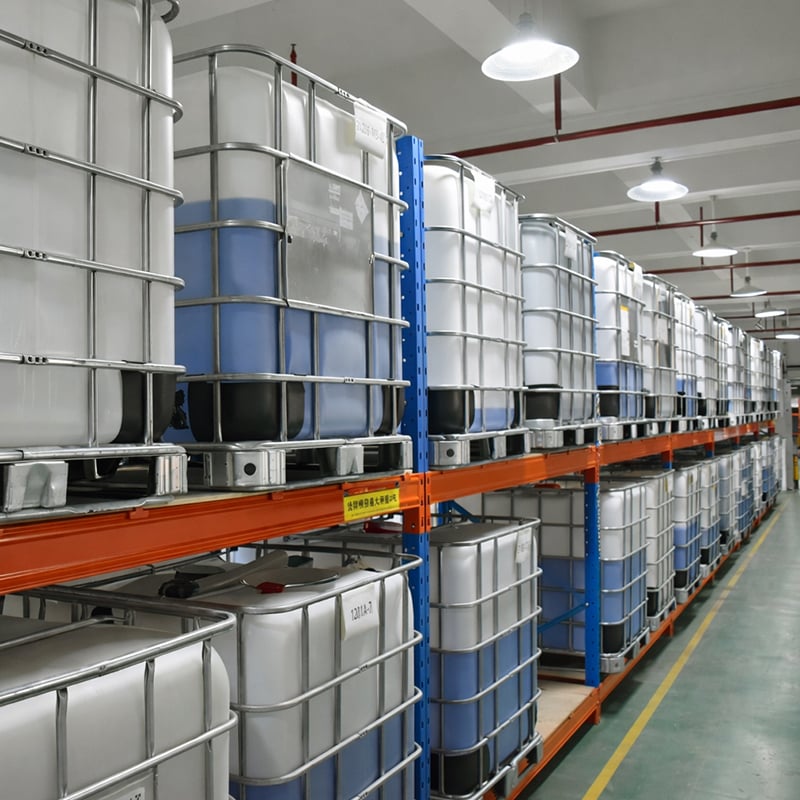
A resin manufacturer represents a specialized industrial enterprise dedicated to producing synthetic polymer materials through advanced chemical processes and cutting-edge manufacturing techniques. These companies create essential raw materials that serve as foundational components across numerous industries, from automotive and construction to electronics and consumer goods. The primary function of a resin manufacturer involves transforming basic chemical compounds into complex polymer chains through polymerization reactions, creating materials with specific properties tailored to diverse applications. Modern resin manufacturer facilities utilize sophisticated reactor systems, precise temperature control mechanisms, and automated quality management protocols to ensure consistent product specifications. The technological features employed by a leading resin manufacturer include continuous monitoring systems that track molecular weight distribution, viscosity measurements, and chemical composition throughout the production cycle. Advanced catalyst systems enable precise control over polymer characteristics, allowing manufacturers to create resins with customized properties such as enhanced durability, improved chemical resistance, or specific thermal performance parameters. Quality assurance laboratories within each resin manufacturer facility conduct comprehensive testing procedures, including thermal analysis, mechanical property evaluation, and environmental stress testing to validate product performance standards. The applications for resin manufacturer products span virtually every sector of modern manufacturing, including aerospace components that require lightweight yet strong materials, medical devices demanding biocompatible properties, and packaging solutions requiring barrier protection against moisture and contaminants. Construction industry applications utilize resins for adhesives, coatings, and composite materials that enhance structural integrity and weather resistance. Electronics manufacturing relies heavily on specialized resins for circuit board production, encapsulation materials, and insulation components. The versatility of modern resin manufacturer capabilities enables custom formulation development, where specific customer requirements drive the creation of unique polymer solutions tailored to particular performance criteria and environmental conditions.

New Product Releases

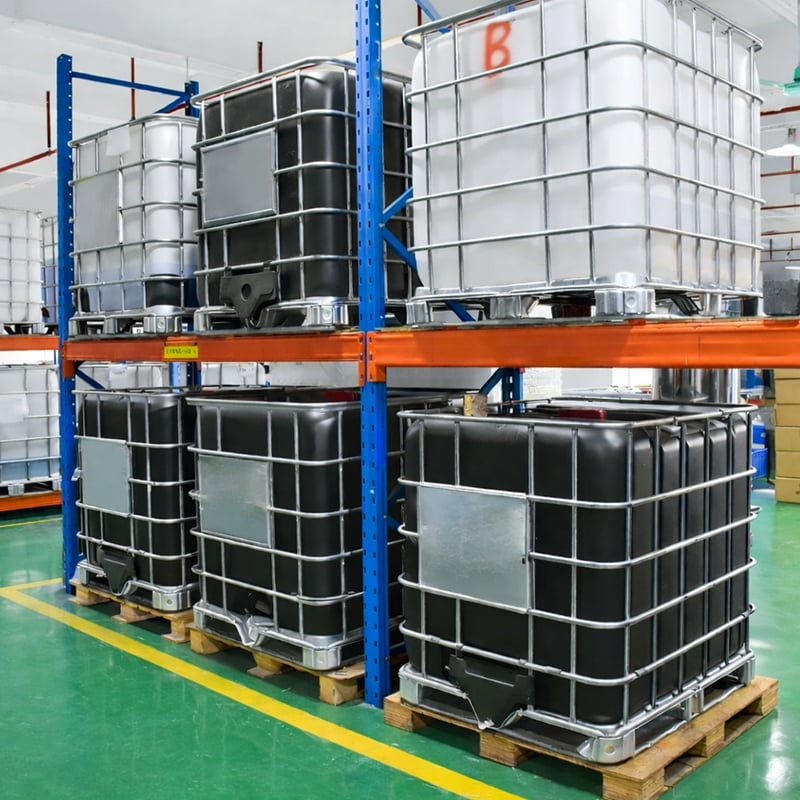
Working with an established resin manufacturer provides numerous practical benefits that directly impact your business operations and product quality outcomes. First, you gain access to consistent material supply chains that eliminate production disruptions and ensure reliable delivery schedules for your manufacturing processes. A professional resin manufacturer maintains extensive inventory management systems and strategic raw material partnerships that buffer against market volatility and supply shortages. This reliability translates into predictable production costs and enables accurate project planning without the uncertainty associated with material availability issues. Second, partnering with an experienced resin manufacturer gives you access to technical expertise and application support that enhances your product development capabilities. Their engineering teams provide valuable consultation services, helping you select optimal resin formulations for specific performance requirements while avoiding costly trial-and-error approaches. This technical partnership accelerates time-to-market for new products and reduces development costs through efficient material selection processes. Third, quality control measures implemented by a reputable resin manufacturer ensure consistent material properties that reduce manufacturing defects and improve final product reliability. Comprehensive testing protocols and statistical process control methods eliminate batch-to-batch variations that could compromise your product performance standards. Fourth, cost optimization benefits emerge through volume purchasing agreements and efficient production scaling that a professional resin manufacturer can offer. Their operational efficiency and economies of scale translate into competitive pricing structures that improve your profit margins while maintaining material quality standards. Fifth, regulatory compliance support becomes seamless when working with a certified resin manufacturer who maintains current documentation and testing protocols required for various industry standards and international regulations. This compliance expertise reduces your administrative burden and ensures market access across different geographical regions. Sixth, innovation access allows you to benefit from ongoing research and development investments that leading resin manufacturer companies make in next-generation materials and processing technologies. Finally, environmental responsibility initiatives implemented by progressive resin manufacturer organizations help you meet sustainability goals through recycled content options, reduced emissions formulations, and waste minimization programs that align with corporate environmental commitments.

Tips And Tricks

How Is Liquid Silicone Rubber Used in Professional Mold Making?

24

Dec

How Is Liquid Silicone Rubber Used in Professional Mold Making?

Practical Applications of Liquid Silicone Rubber in Professional Manufacturing Liquid Silicone Rubber plays a central role in professional making environments where precision, repeatability, and material reliability are critical. In contrast to hobby...
View More
What Advantages Does Floor Coating Epoxy Offer in Warehouses and Factories?

23

Dec

What Advantages Does Floor Coating Epoxy Offer in Warehouses and Factories?

Advantages of Floor Coating Epoxy for Warehouses and Factories Maintaining durable, safe, and efficient flooring in warehouses and factories is a constant challenge. Heavy machinery, forklift traffic, and chemical exposure put extreme stress on concr...
View More
Why Is Clear Epoxy Resin More Prone to Yellowing?

10

Jan

Why Is Clear Epoxy Resin More Prone to Yellowing?

Understanding the Yellowing of Clear Epoxy Resin Clear epoxy resin is widely used in flooring, furniture, art, and industrial applications due to its transparency, durability, and glossy finish. However, one common challenge faced by manufacturers, a...
View More
Why Is Floor Coating Epoxy Suitable for Chemical Plants and Warehouses?

22

Jan

Why Is Floor Coating Epoxy Suitable for Chemical Plants and Warehouses?

The Advantages of Floor Coating Epoxy in Industrial Environments Floor coating epoxy has become a preferred choice for chemical plants, warehouses, and other industrial facilities due to its durability, chemical resistance, and ease of maintenance. I...
View More

Get a Free Quote

Our representative will contact you soon.
Email
Name
Company Name
Message
0/1000

resin manufacturer

Advanced Quality Control Systems Ensuring Consistent Material Performance

Advanced Quality Control Systems Ensuring Consistent Material Performance

The cornerstone of any reputable resin manufacturer lies in their sophisticated quality control infrastructure that guarantees consistent material properties across every production batch. Modern quality control systems implement multiple layers of testing and verification protocols that begin with incoming raw material inspection and continue through every stage of the manufacturing process. Statistical process control methods enable real-time monitoring of critical parameters such as molecular weight distribution, viscosity characteristics, and chemical composition ratios. Advanced analytical equipment including gel permeation chromatography, differential scanning calorimetry, and infrared spectroscopy provides precise measurement capabilities that detect even minor variations in material properties before products leave the facility. These comprehensive quality control systems benefit customers by eliminating the uncertainty associated with material performance variability, reducing manufacturing defects, and ensuring predictable processing characteristics that maintain consistent end-product quality. The investment in quality control infrastructure demonstrates the resin manufacturer commitment to delivering materials that meet exact specifications every time, reducing customer warranty claims and enhancing brand reputation. Automated sampling systems collect representative samples throughout production runs, while laboratory information management systems track test results and maintain complete traceability records for every batch produced. This level of quality assurance provides customers with documentation required for regulatory compliance and quality certifications in demanding industries such as aerospace, medical devices, and food packaging. The proactive approach to quality control identifies potential issues before they impact customer operations, enabling corrective actions that prevent costly production disruptions. Furthermore, these quality control systems support continuous improvement initiatives by providing data-driven insights that guide product development and process optimization efforts, ensuring that the resin manufacturer continues to deliver enhanced value to customers through improved material performance and processing characteristics.
Custom Formulation Capabilities Meeting Unique Application Requirements

Custom Formulation Capabilities Meeting Unique Application Requirements

Leading resin manufacturer organizations distinguish themselves through comprehensive custom formulation capabilities that address specific customer requirements and unique application challenges. This specialized service involves collaborative development processes where technical teams work closely with customers to understand exact performance criteria, processing constraints, and environmental conditions that the final resin must withstand. The custom formulation process begins with detailed application analysis that examines factors such as temperature exposure ranges, chemical compatibility requirements, mechanical property specifications, and regulatory compliance needs. Advanced polymer chemistry expertise enables the resin manufacturer to modify base formulations through controlled additive incorporation, molecular weight adjustments, and crosslinking density optimization to achieve desired performance characteristics. State-of-the-art laboratory facilities equipped with pilot-scale processing equipment allow for comprehensive testing and validation of custom formulations under conditions that closely simulate actual application environments. This capability provides customers with confidence that custom resins will perform as expected in their specific applications while avoiding costly full-scale production trials. The custom formulation service extends beyond simple property modifications to include specialized features such as enhanced UV resistance for outdoor applications, improved chemical resistance for aggressive environments, or specific thermal properties for high-temperature processing requirements. Intellectual property protection ensures that custom formulations remain proprietary to the customer while benefiting from the resin manufacturer expertise in polymer science and processing technology. Documentation and technical support accompany each custom formulation, providing customers with processing guidelines, quality specifications, and troubleshooting assistance that ensures successful implementation. The flexibility to develop custom solutions enables customers to differentiate their products in competitive markets while addressing unique performance challenges that standard resin grades cannot satisfy. Long-term partnership approaches ensure that custom formulations can be refined and optimized over time as application requirements evolve or new performance standards emerge, providing customers with ongoing value and competitive advantages through material innovation.
Sustainable Manufacturing Practices Supporting Environmental Responsibility Goals

Sustainable Manufacturing Practices Supporting Environmental Responsibility Goals

Progressive resin manufacturer companies have embraced comprehensive sustainability initiatives that address environmental concerns while delivering high-performance materials that meet customer requirements. These sustainable manufacturing practices encompass multiple dimensions including raw material sourcing, energy efficiency optimization, waste reduction programs, and end-of-life product considerations. Renewable feedstock integration represents a significant advancement where the resin manufacturer incorporates bio-based raw materials derived from plant sources, reducing dependence on petroleum-based chemicals while maintaining material performance standards. Advanced process optimization technologies minimize energy consumption through improved reactor efficiency, heat recovery systems, and optimized production scheduling that reduces overall environmental impact. Waste stream management programs implement closed-loop systems that capture and recycle process materials, significantly reducing waste disposal requirements while improving resource utilization efficiency. Water treatment and recycling systems ensure that industrial wastewater meets stringent environmental discharge standards while minimizing fresh water consumption through recirculation and purification processes. The resin manufacturer commitment to sustainability extends to product design through the development of recyclable formulations that support circular economy principles and enable end-users to implement comprehensive recycling programs. Life cycle assessment methodologies guide product development decisions by quantifying environmental impacts across the entire product lifecycle, from raw material extraction through manufacturing, use, and disposal phases. Carbon footprint reduction initiatives include renewable energy adoption, transportation optimization, and supplier engagement programs that extend sustainability practices throughout the supply chain. Certification compliance with international environmental standards such as ISO 14001 demonstrates the resin manufacturer commitment to systematic environmental management and continuous improvement in sustainability performance. These sustainable practices provide customers with materials that support their own environmental responsibility goals while meeting performance requirements, enabling green product certifications and sustainable building ratings that enhance market positioning. Transparency in sustainability reporting allows customers to accurately assess and report the environmental impact of materials used in their products, supporting corporate sustainability commitments and stakeholder communications about environmental stewardship efforts.

Get Samples & Support

Email
Name
Company Name
Country/Region
What Are You Making
Single Choice
Estimated Monthly Usage
Single Choice
Message
0/1000