surface doming resin
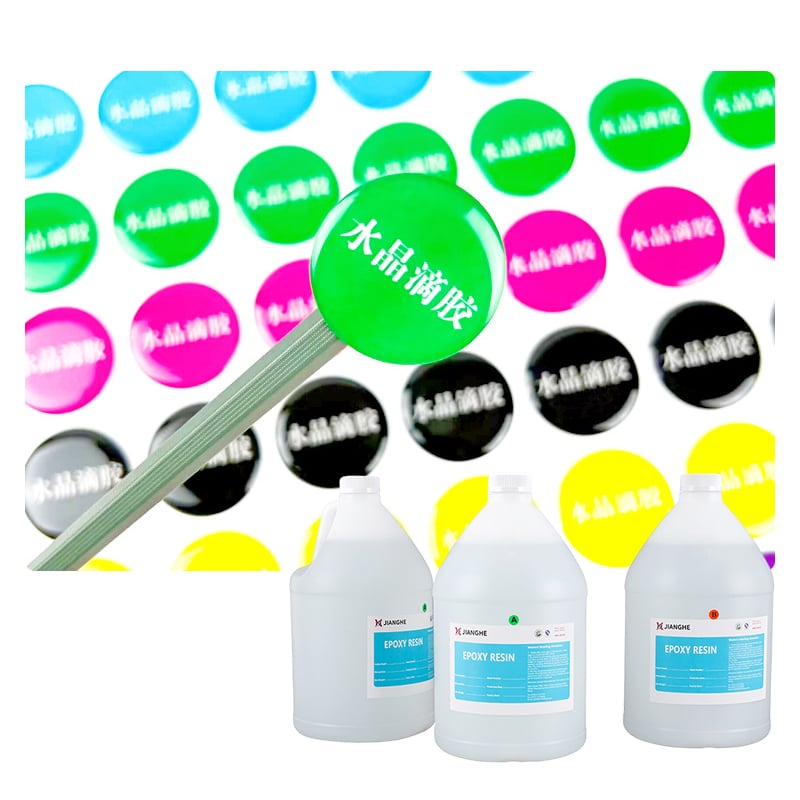
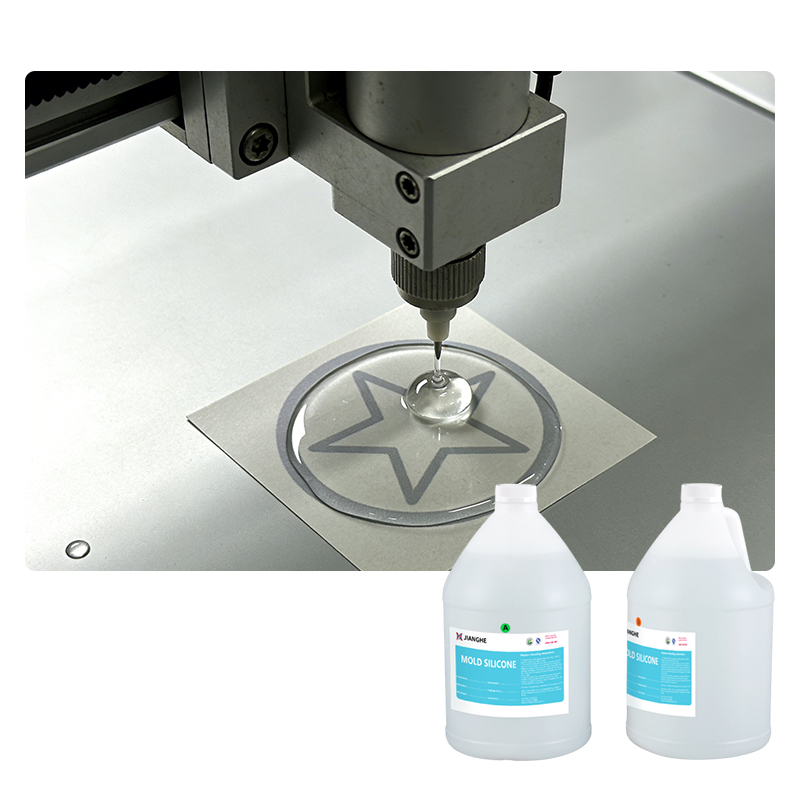
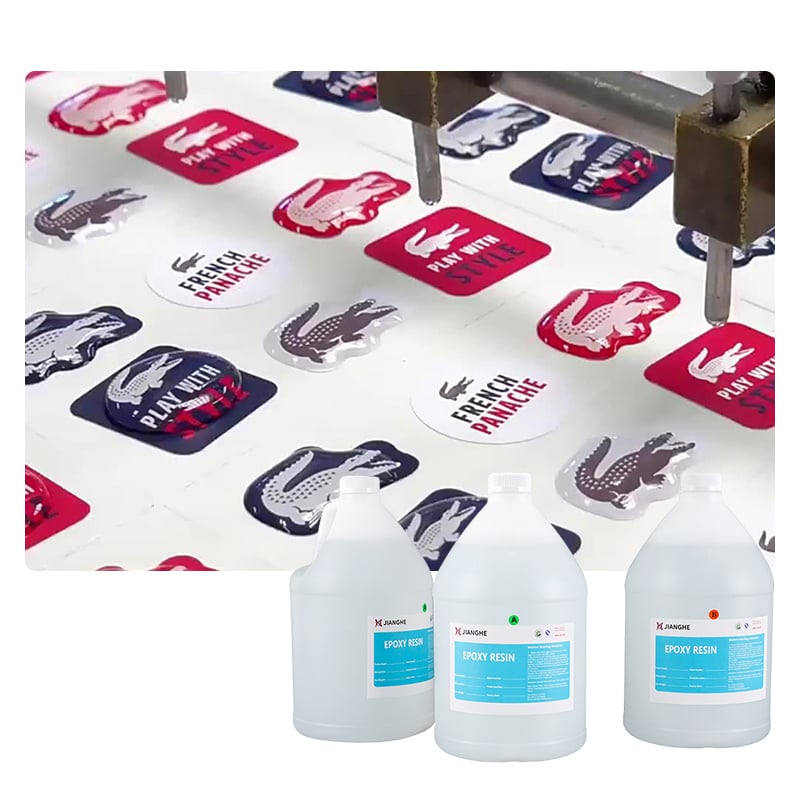
Surface doming resin is a specialized liquid coating material designed to create a smooth, protective, and visually enhanced dome-like finish on various surfaces. This innovative product represents a significant advancement in protective coating technology, offering both aesthetic and functional benefits for numerous applications. Surface doming resin functions as a transparent or tinted protective layer that hardens into a durable, glass-like finish with excellent clarity and depth perception. The resin provides superior protection against moisture, dust, scratches, and UV damage while maintaining optical transparency. Technologically, surface doming resin features low viscosity formulation for easy application, excellent self-leveling properties that eliminate brush marks and imperfections, and rapid curing capabilities that minimize production time. The material exhibits outstanding adhesion to multiple substrates including wood, metal, plastic, and composite materials. Surface doming resin applications span diverse industries including jewelry making, electronics manufacturing, woodworking, automotive detailing, and decorative arts. In jewelry production, surface doming resin creates protective glossy finishes on pendants and rings. Electronics manufacturers utilize surface doming resin for component protection and labeling applications. Woodworkers apply surface doming resin to create professional finishes on tabletops, counters, and decorative pieces. The product's versatility, durability, and aesthetic appeal make surface doming resin an essential choice for professionals seeking premium finishing solutions that combine protection with visual excellence across multiple industries and applications.

 EN
EN