When precision matters most, mold making silicone stands out as one of the most reliable materials available for capturing fine surface details. From intricate art reproductions to demanding industrial components, mold making silicone consistently transfers micro-level textures, sharp edges, and complex geometries from an original master to every subsequent cast. Understanding exactly how this material achieves such high-precision replication helps buyers, engineers, and designers make smarter material choices.

Mold making silicone achieves precision through a combination of low viscosity, excellent surface wetting, and dimensional stability during cure. These properties work together to ensure that every feature of the original master is faithfully captured and then repeatedly reproduced across multiple cast cycles. This article examines the mechanisms behind high-precision detail replication in mold making silicone, explores key material characteristics, and answers common questions practitioners ask before selecting a formulation.
The Material Science Behind Precision Replication
Low Viscosity and Surface Wetting in Mold Making Silicone
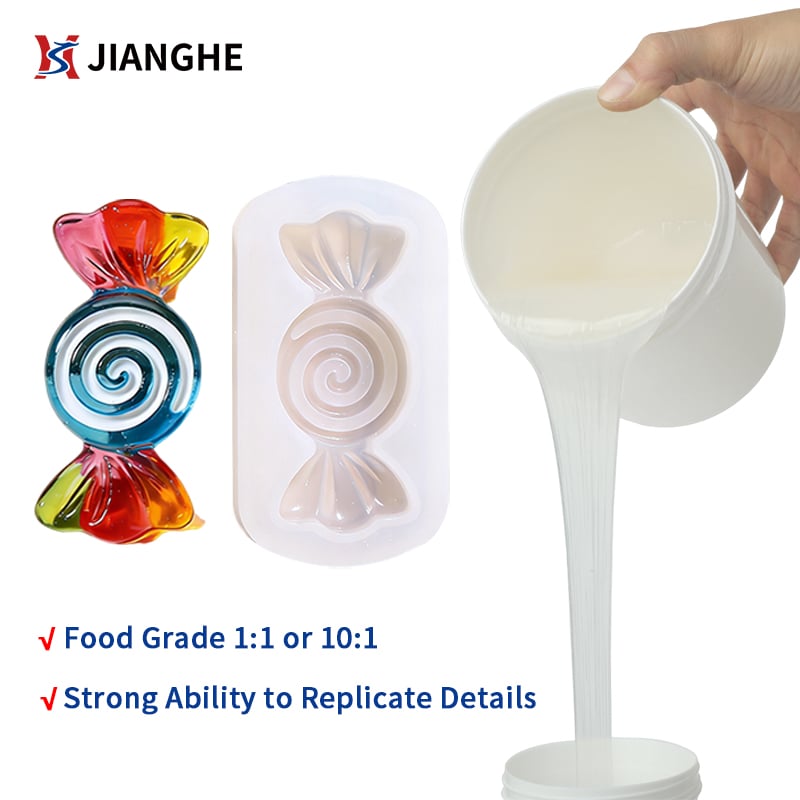
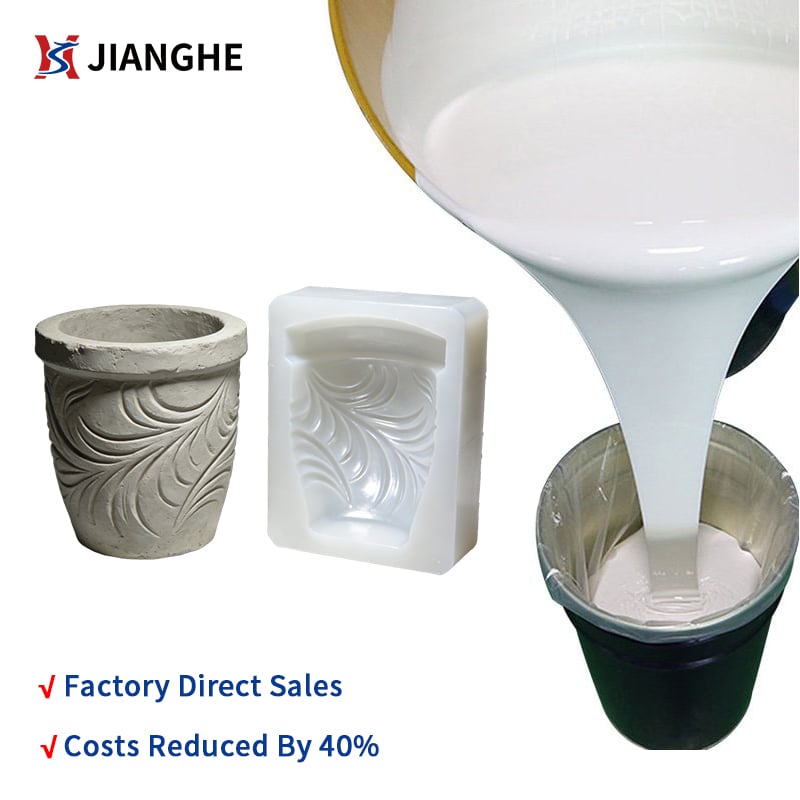
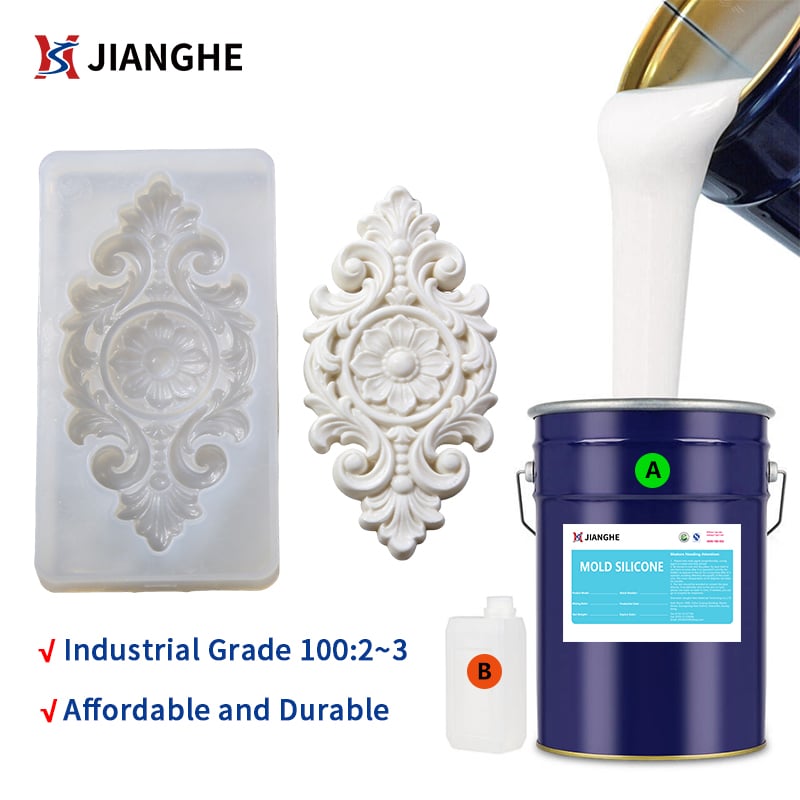
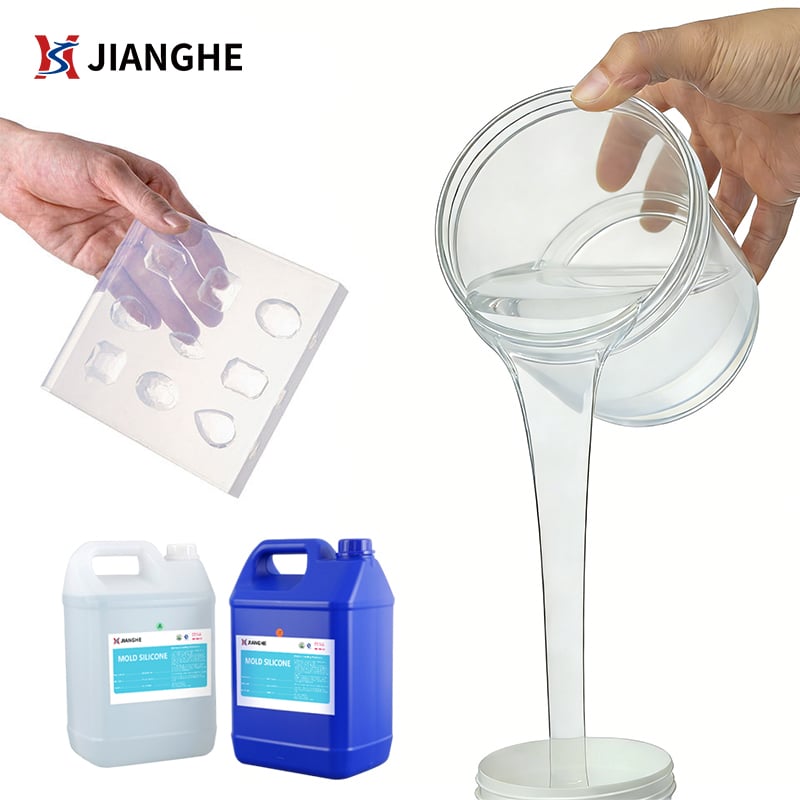
One of the primary reasons mold making silicone excels at detail replication is its ability to flow into extremely fine recesses before curing. High-flow mold making silicone formulations are engineered with low viscosity, allowing the liquid material to wet the surface of a master without trapping air pockets. When mold making silicone contacts a textured surface, capillary forces and gravity drive it into even sub-millimeter features, ensuring full contact before the curing reaction begins. This surface-wetting capability is fundamental to why mold making silicone outperforms rigid mold materials in capturing detail.
Platinum-catalyzed mold making silicone benefits additionally from an addition-cure chemistry that produces no byproducts during crosslinking. Because mold making silicone cures without releasing solvents or gases, the material solidifies in exactly the shape it occupied during the liquid phase. This results in a mold cavity whose surface is a true negative of the original master at microscopic resolution. Producers relying on mold making silicone for prototype work or production casting consistently find that this byproduct-free cure is a decisive advantage over condensation-cure alternatives.
Dimensional Stability and Shrinkage Control
Mold making silicone maintains dimensional stability because platinum-catalyzed formulations exhibit extremely low volumetric shrinkage, often below one percent. When mold making silicone shrinks minimally, the resulting mold reproduces the master's dimensions within tolerances acceptable for most precision applications. Engineers who use mold making silicone for scale-accurate reproductions in aerospace mockups, medical device prototyping, or architectural detailing rely on this shrinkage control to avoid cumulative dimensional errors across large production runs. Mold making silicone that shrinks inconsistently introduces variability that undermines the value of the molding process entirely.
How Mold Making Silicone Captures Complex Geometries
Elasticity and Demolding Without Distortion
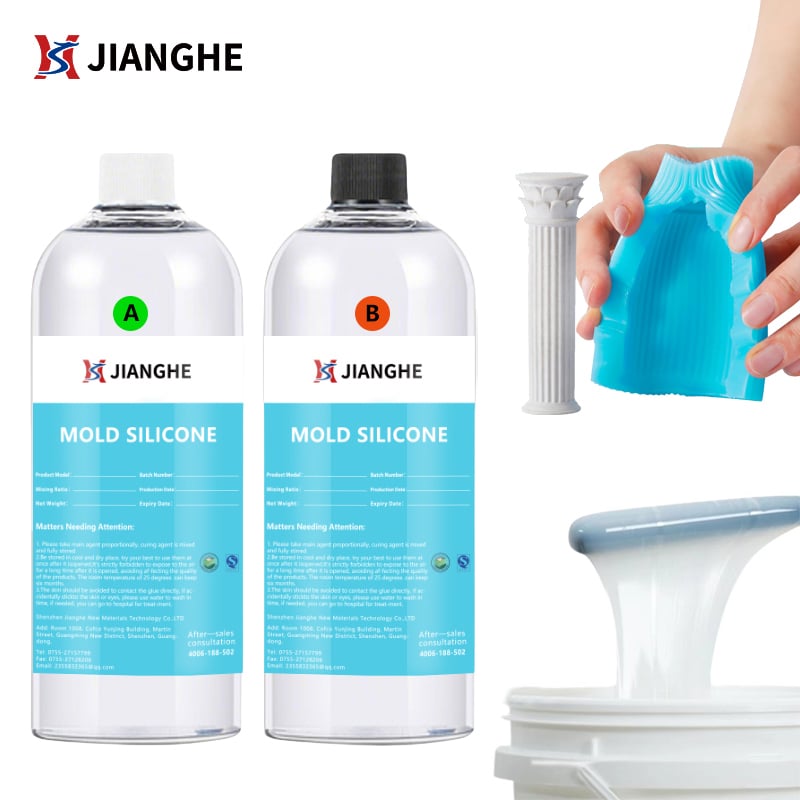
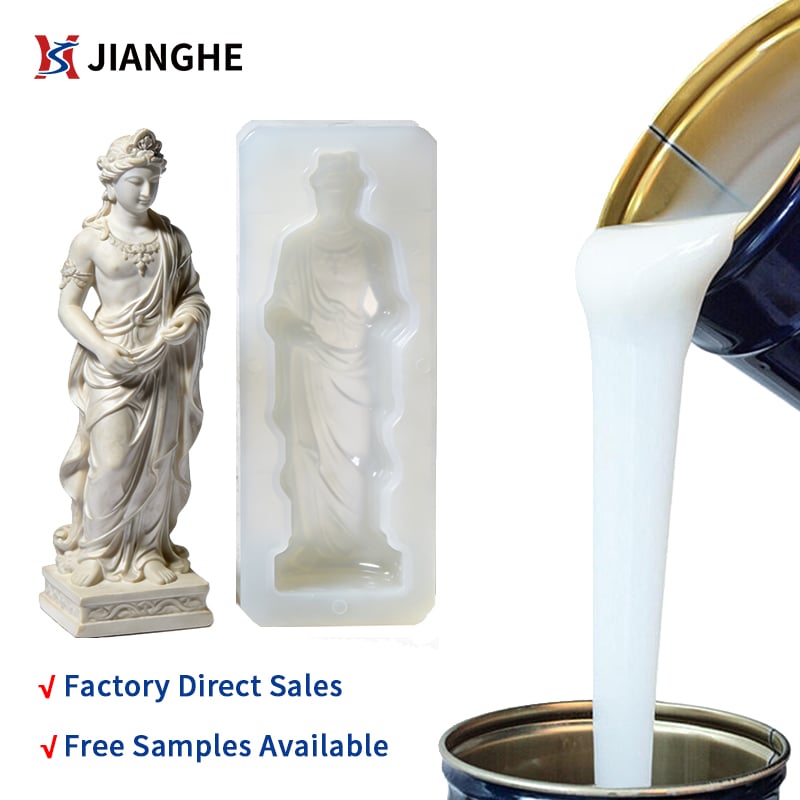
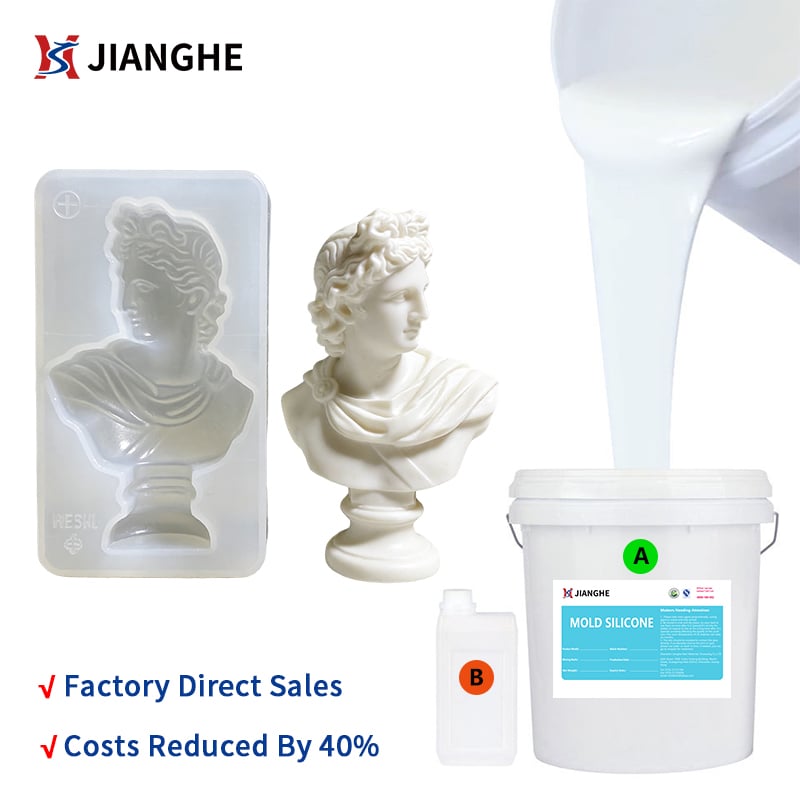
Mold making silicone is inherently elastic, which means a cured mold can stretch over undercuts, reverse curves, and re-entrant angles without tearing or permanently deforming. This elasticity is critical to preserving detail during demolding. If mold making silicone could not flex, releasing a cast part with even modest undercuts would require destroying the mold or damaging the cast. Because mold making silicone returns to its original geometry after stretching, the same mold retains its dimensional accuracy across many demolding cycles. Practitioners working with highly detailed sculpture reproductions or complex industrial prototypes cite this elastic recovery as one of the most practical benefits of mold making silicone.
The elongation-at-break values for quality mold making silicone typically range from two hundred to five hundred percent, depending on the Shore hardness of the formulation. Softer mold making silicone grades handle deeper undercuts more easily, while firmer grades provide better dimensional support for large flat surfaces. Selecting the correct hardness of mold making silicone for a specific geometry ensures that neither distortion during demolding nor sagging during casting compromises the final part accuracy. Mold making silicone selection is therefore not a one-size-fits-all decision but a geometry-driven engineering choice.
Tear Strength and Longevity Across Production Cycles
Mold making silicone must also resist tearing at thin sections and sharp interior corners, because these are the zones most likely to fail under repeated demolding stress. Formulations designed for high-precision mold making silicone applications incorporate tear-resistant filler systems that increase tensile strength without sacrificing elongation. A mold making silicone mold that tears early forces costly re-pours and delays in production schedules. When mold making silicone maintains its tear integrity across fifty, one hundred, or more casting cycles, the cost-per-cast decreases substantially and the total project economics improve. Tear strength data published in technical datasheets should always be reviewed when mold making silicone is being selected for production-volume applications.
Practical Factors That Enhance Mold Making Silicone Performance
Surface Preparation and Release Agent Compatibility
Even the most capable mold making silicone cannot deliver full detail replication if the master surface is poorly prepared. Porous masters must be sealed so that mold making silicone does not penetrate the substrate and lock onto it during cure. For non-porous masters, a thin release agent compatible with mold making silicone chemistry is recommended to ensure clean separation. Silicone-compatible release agents do not interfere with the platinum catalyst in mold making silicone, whereas sulfur-containing compounds or certain vinyl-based materials can inhibit cure and produce a permanently tacky mold surface. Testing mold making silicone adhesion on a small sample area before committing to a full pour is a standard professional practice.
Vacuum Degassing and Pour Technique
Vacuum degassing mixed mold making silicone before pouring removes entrained air bubbles that would otherwise cure into voids on the mold cavity surface. Even small bubbles in mold making silicone translate directly into raised bumps on cast parts, undermining precision. After degassing, pouring mold making silicone in a thin, steady stream from a height allows surface tension to break any remaining micro-bubbles before the material reaches the master. This controlled pour technique, combined with properly degassed mold making silicone, is the standard workflow for achieving defect-free mold surfaces. Facilities that invest in vacuum degassing equipment for mold making silicone processing consistently report higher first-pass yield rates and fewer rejected casts.
FAQ
What Shore hardness of mold making silicone is best for fine detail?
For very fine detail, a softer mold making silicone in the Shore A 10 to A 20 range is often preferred because it flows readily and conforms tightly to micro-textures. However, mold making silicone that is too soft may sag on large flat surfaces. A Shore A 20 to A 30 mold making silicone typically balances detail capture with adequate structural support for most precision mold applications.
How many casts can a mold making silicone mold typically produce?
A well-formulated mold making silicone mold can typically yield between fifty and two hundred casts before noticeable degradation in detail quality occurs, depending on the casting material used and the complexity of the geometry. Polyurethane and epoxy resins are harder on mold making silicone than wax or plaster, so production mold life estimates should account for the specific casting chemistry being paired with the mold making silicone.
Does mold making silicone require a release agent when casting resin?
In most cases, mold making silicone does not require a release agent when casting polyurethane or epoxy resins because silicone is naturally non-stick relative to these materials. However, for casting materials that contain reactive silicone components or unusual additives, testing mold making silicone compatibility before full production is advisable. Using a light, silicone-safe release agent can extend mold making silicone mold life even when it is not strictly necessary for part release.