Premium Resin Factory Solutions - Advanced Manufacturing & Technical Support

All Categories

Get a Tailored Solution

Provide your details below, and our material experts will contact you with a competitive quote and technical support within 24 hours.
Email
Name
Company Name
Message
0/1000

resin factory

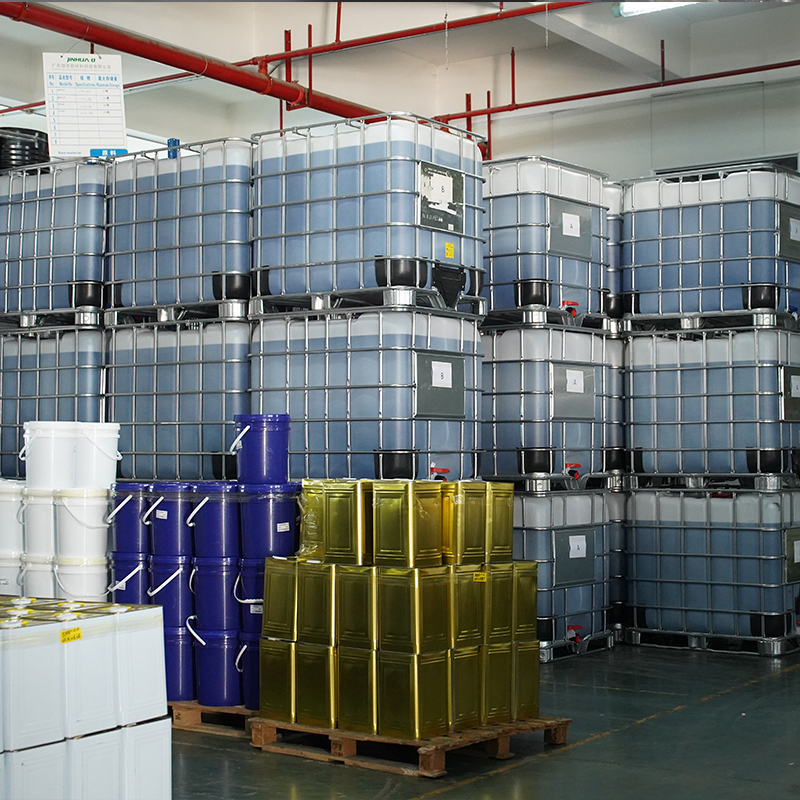
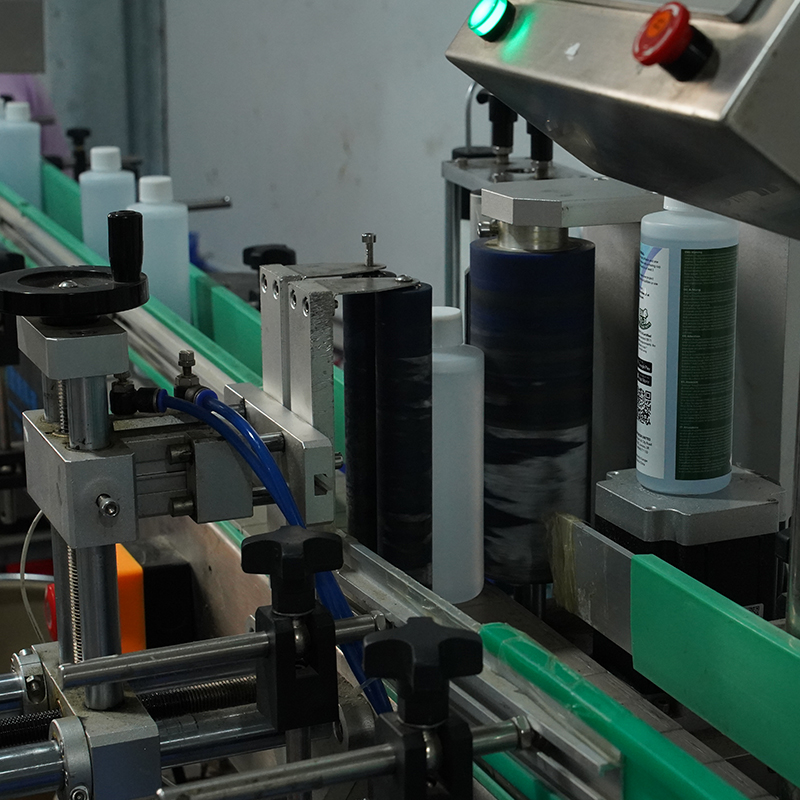
A resin factory represents a sophisticated manufacturing facility dedicated to producing high-quality synthetic resins through advanced chemical processes and cutting-edge technology. These specialized production centers serve as the backbone of numerous industries, transforming raw materials into versatile polymer compounds that form the foundation of countless applications across diverse sectors. Modern resin factories integrate state-of-the-art equipment, automated systems, and precision-controlled environments to ensure consistent product quality and operational excellence. The primary function of a resin factory revolves around the synthesis and formulation of various resin types, including thermoplastic resins, thermosetting resins, and specialty polymer compounds. Through carefully monitored chemical reactions, these facilities convert petroleum-based feedstocks, natural materials, and other chemical precursors into durable, lightweight materials that exhibit exceptional performance characteristics. The technological infrastructure within a resin factory encompasses advanced reactor systems, distillation units, purification equipment, and quality control laboratories that work in harmony to deliver products meeting stringent industry standards. Temperature control systems, pressure monitoring devices, and automated mixing apparatus ensure optimal reaction conditions throughout the production process. Quality assurance protocols involve continuous testing procedures that verify material properties, molecular structure integrity, and performance specifications before products reach end-users. The applications of resin factory output span numerous sectors including automotive manufacturing, construction materials, electronics production, packaging solutions, marine equipment, and consumer goods. These versatile materials provide essential properties such as chemical resistance, mechanical strength, thermal stability, and design flexibility that make them indispensable in modern manufacturing processes. Environmental considerations drive many resin factories to implement sustainable practices, including waste reduction programs, energy-efficient operations, and the development of bio-based resin alternatives that minimize ecological impact while maintaining superior performance standards.

Popular Products

The advantages of partnering with a resin factory extend far beyond simple material supply, offering comprehensive solutions that drive business success and operational efficiency. Cost-effectiveness stands as a primary benefit, as resin factories leverage economies of scale and optimized production processes to deliver competitive pricing without compromising quality standards. Direct collaboration with manufacturers eliminates intermediary markups, allowing businesses to access premium materials at factory-direct prices that significantly impact bottom-line profitability. Customization capabilities represent another substantial advantage, enabling clients to specify exact material properties, formulations, and performance characteristics tailored to specific application requirements. This flexibility allows companies to differentiate their products in competitive markets while ensuring optimal performance in demanding environments. Technical support services provided by resin factories include material selection guidance, application engineering assistance, and troubleshooting expertise that helps customers maximize product performance and minimize development costs. Quality consistency emerges as a critical advantage, with resin factories implementing rigorous quality control measures that ensure batch-to-batch uniformity and reliable material properties. This consistency reduces manufacturing variability, minimizes defect rates, and enhances final product reliability across production runs. Supply chain reliability offers peace of mind through established distribution networks, strategic inventory management, and flexible delivery schedules that align with customer production requirements. Resin factories maintain adequate stock levels and backup production capacity to prevent supply disruptions that could impact customer operations. Innovation access provides customers with early exposure to new material developments, advanced formulations, and emerging technologies that can provide competitive advantages in evolving markets. Research and development partnerships enable joint product development initiatives that address specific industry challenges and create unique solutions. Environmental compliance support helps customers meet increasingly stringent regulatory requirements through certified materials, documentation assistance, and sustainable product alternatives. Resin factories invest in environmental management systems that ensure materials meet current and anticipated regulatory standards while supporting customer sustainability goals. Technical documentation and certification services streamline customer approval processes, regulatory submissions, and quality system requirements through comprehensive material data sheets, test reports, and compliance certifications. These advantages collectively create value propositions that extend well beyond material costs, encompassing operational efficiency, product performance, and strategic business benefits.

Practical Tips

How Is Liquid Silicone Rubber Used in Professional Mold Making?

24

Dec

How Is Liquid Silicone Rubber Used in Professional Mold Making?

Practical Applications of Liquid Silicone Rubber in Professional Manufacturing Liquid Silicone Rubber plays a central role in professional making environments where precision, repeatability, and material reliability are critical. In contrast to hobby...
View More
How Does Anti-Yellowing Resin Maintain Long-Term Visual Clarity?

17

Dec

How Does Anti-Yellowing Resin Maintain Long-Term Visual Clarity?

The Importance of Visual Stability in Modern Epoxy Applications Anti-Yellowing Resin has become a critical material choice in epoxy systems where long-term appearance, transparency, and color consistency are as important as mechanical performance. In...
View More
What Makes River Table Epoxy Suitable for Deep-Pour Applications?

24

Dec

What Makes River Table Epoxy Suitable for Deep-Pour Applications?

Understanding the Advantages of River Table Epoxy for Deep-Pour Applications River tables are a striking fusion of natural wood and clear epoxy resin, creating a visually stunning centerpiece. The use of deep-pour epoxy is critical in achieving thick...
View More
Why Is Floor Coating Epoxy Suitable for Chemical Plants and Warehouses?

22

Jan

Why Is Floor Coating Epoxy Suitable for Chemical Plants and Warehouses?

The Advantages of Floor Coating Epoxy in Industrial Environments Floor coating epoxy has become a preferred choice for chemical plants, warehouses, and other industrial facilities due to its durability, chemical resistance, and ease of maintenance. I...
View More

Get a Free Quote

Our representative will contact you soon.
Email
Name
Company Name
Message
0/1000

resin factory

Advanced Production Technology and Quality Control Systems

Advanced Production Technology and Quality Control Systems

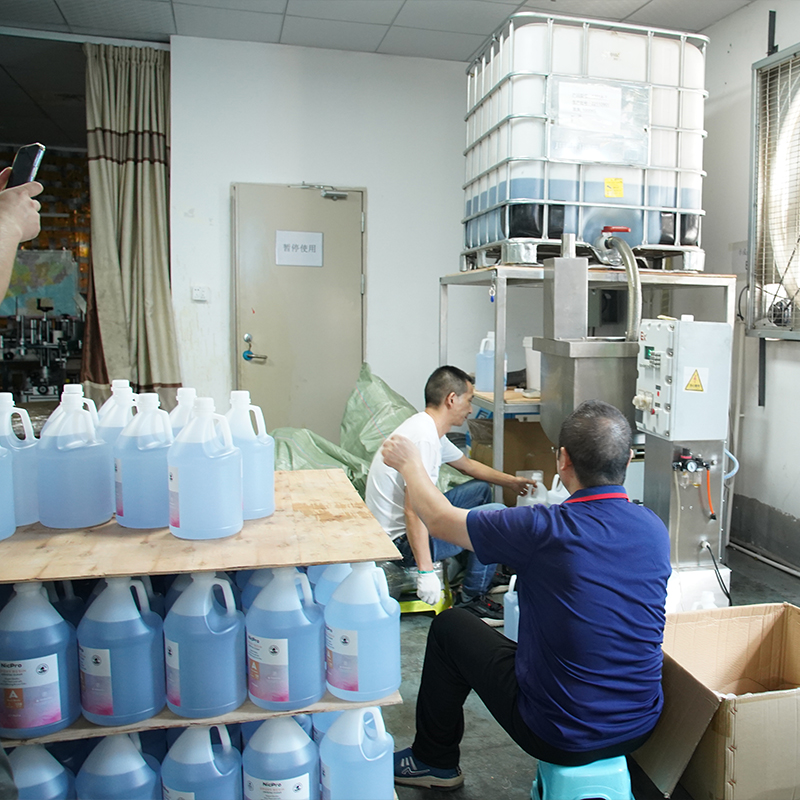
The cornerstone of every successful resin factory lies in its sophisticated production technology and comprehensive quality control systems that ensure consistent, high-performance materials for diverse industrial applications. Modern resin factories employ cutting-edge reactor technology featuring precise temperature control, automated pressure monitoring, and advanced mixing systems that create optimal conditions for polymer synthesis. These reactors utilize computer-controlled processes that monitor reaction parameters in real-time, automatically adjusting variables to maintain ideal conditions throughout the production cycle. The integration of distributed control systems enables operators to oversee multiple production lines simultaneously while maintaining precise control over each individual process step. Quality control laboratories within resin factories feature state-of-the-art analytical equipment including gas chromatography systems, infrared spectroscopy units, and mechanical testing apparatus that verify material properties at every production stage. These comprehensive testing protocols examine molecular weight distribution, chemical composition, thermal properties, and mechanical characteristics to ensure each batch meets stringent specifications. Statistical process control methods track quality trends over time, identifying potential issues before they impact product quality and enabling proactive adjustments to maintain consistency. The implementation of ISO certification standards demonstrates commitment to quality excellence and provides customers with confidence in material reliability and performance consistency. Automated sampling systems collect representative samples throughout the production process, eliminating human error and ensuring accurate quality assessment. Environmental monitoring systems track emissions, waste generation, and energy consumption, supporting sustainable manufacturing practices while maintaining operational efficiency. Advanced data management systems store comprehensive production records, quality test results, and traceability information that supports customer requirements and regulatory compliance. This technological sophistication translates directly into superior material properties, consistent performance characteristics, and reliable supply chain operations that benefit customers across all application areas. The investment in advanced technology and quality systems reflects the resin factory commitment to excellence and positions partners for success in competitive markets.
Comprehensive Technical Support and Engineering Services

Comprehensive Technical Support and Engineering Services

Exceptional technical support and engineering services distinguish leading resin factories from commodity suppliers, providing customers with expert guidance throughout the material selection, application development, and implementation process. Technical support teams comprise experienced engineers, chemists, and application specialists who possess deep understanding of material properties, processing requirements, and end-use performance characteristics across diverse industries. These experts collaborate closely with customers to identify optimal material solutions that meet specific performance requirements while considering processing constraints, cost objectives, and regulatory compliance needs. Application engineering services include material testing programs, prototype development assistance, and processing optimization guidance that accelerates product development timelines and reduces development costs. Resin factory technical teams conduct comprehensive material evaluations using customer-specific test methods and performance criteria, providing detailed reports that support material selection decisions and design optimization efforts. Troubleshooting support addresses processing challenges, performance issues, and quality concerns through systematic problem-solving approaches that identify root causes and implement effective solutions. On-site technical visits enable direct collaboration with customer engineering teams, facility assessments, and hands-on process optimization that maximizes material performance and production efficiency. Training programs educate customer personnel on proper material handling, processing techniques, and quality control procedures that ensure consistent results and minimize processing problems. Documentation support includes technical data sheets, material safety information, regulatory compliance documentation, and application guidelines that streamline customer approval processes and regulatory submissions. Long-term partnership relationships enable continuous improvement initiatives, new product development collaborations, and proactive technical support that anticipates customer needs and market trends. The resin factory technical team maintains current knowledge of industry developments, regulatory changes, and emerging technologies that impact material requirements and application possibilities. This comprehensive technical support capability creates substantial value for customers by reducing development risks, accelerating time-to-market, and optimizing product performance in demanding applications. The combination of technical expertise, application experience, and collaborative approach establishes the resin factory as a strategic partner rather than simply a material supplier.
Sustainable Manufacturing Practices and Environmental Responsibility

Sustainable Manufacturing Practices and Environmental Responsibility

Environmental stewardship and sustainable manufacturing practices have become fundamental priorities for modern resin factories, driving innovation in production processes, material formulations, and waste management systems that benefit both customers and the environment. Sustainable manufacturing initiatives encompass energy-efficient production equipment, renewable energy integration, and process optimization strategies that minimize environmental impact while maintaining product quality and cost-effectiveness. Advanced recycling programs enable resin factories to incorporate post-consumer and post-industrial recycled content into new products, supporting circular economy principles and helping customers meet sustainability objectives. Waste reduction programs implement comprehensive strategies that minimize raw material consumption, reduce byproduct generation, and maximize material utilization efficiency throughout the production process. Water conservation systems include closed-loop cooling systems, water recycling facilities, and advanced treatment technologies that minimize freshwater consumption and eliminate wastewater discharge. Air emission control systems utilize advanced filtration technologies, thermal oxidizers, and process modifications that reduce volatile organic compound emissions and maintain excellent air quality standards. The development of bio-based resin alternatives utilizes renewable feedstocks such as plant-based materials, agricultural byproducts, and sustainable chemical precursors that reduce dependence on petroleum-based raw materials. Life cycle assessment programs evaluate environmental impacts throughout the product lifecycle, identifying opportunities for improvement and supporting customer sustainability reporting requirements. Carbon footprint reduction initiatives include energy efficiency improvements, renewable energy adoption, and transportation optimization strategies that minimize greenhouse gas emissions. Regulatory compliance programs ensure adherence to current and anticipated environmental regulations while proactively addressing emerging sustainability requirements. Supplier sustainability programs extend environmental responsibility throughout the supply chain by establishing sustainability criteria for raw material suppliers and logistics partners. Transparency reporting provides customers with detailed environmental impact data, sustainability metrics, and progress tracking information that supports their own sustainability goals and reporting requirements. These comprehensive sustainability practices position the resin factory as a responsible manufacturing partner that contributes to customer success while protecting environmental resources for future generations. The integration of sustainable practices into core business operations demonstrates long-term commitment to environmental responsibility and creates competitive advantages in markets increasingly focused on sustainability performance.

Get Samples & Support

Email
Name
Company Name
Country/Region
What Are You Making
Single Choice
Estimated Monthly Usage
Single Choice
Message
0/1000